

White Paint for Wood Furniture: Tips and Recommendations
If you’re looking for a way to refresh your wood furniture, painting it white can be a great option. White paint can give your furniture a clean, modern look that can brighten up any room. However, choosing the right white paint and applying it properly can be a challenge. In this article, we’ll cover everything you need to know about painting wood furniture white, from choosing the right paint to applying it correctly.

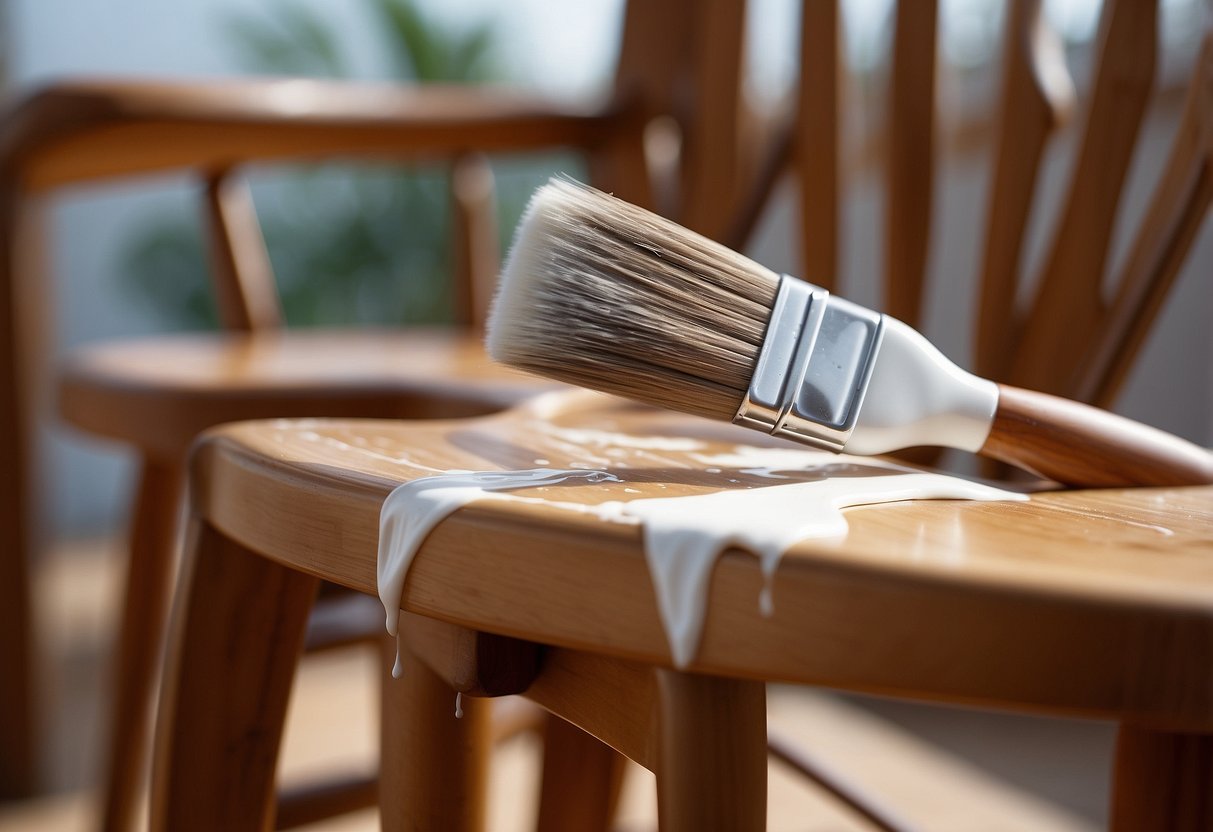
Before you start painting your furniture, it’s important to prepare it properly. This means cleaning it thoroughly and sanding it down to create a smooth surface for the paint to adhere to. You’ll also need to choose the right primer and paint for your project. Oil-based primers and water-based paints are often recommended for painting furniture white, as they can help prevent yellowing and bleed-through.
Once you’ve prepared your furniture, it’s time to start painting. Applying thin coats of paint and allowing each coat to dry completely before applying the next can help you achieve a smooth, even finish. You may also want to consider adding a sealer or topcoat to protect your newly painted furniture from scratches and other damage. With the right preparation and technique, you can transform your wood furniture with a fresh coat of white paint.
Key Takeaways
- Proper preparation is key to achieving a smooth, even finish when painting wood furniture white.
- Choosing the right primer and paint can help prevent yellowing and bleed-through.
- Applying thin coats of paint and adding a sealer or topcoat can help protect your newly painted furniture.
Preparing Your Furniture for Painting
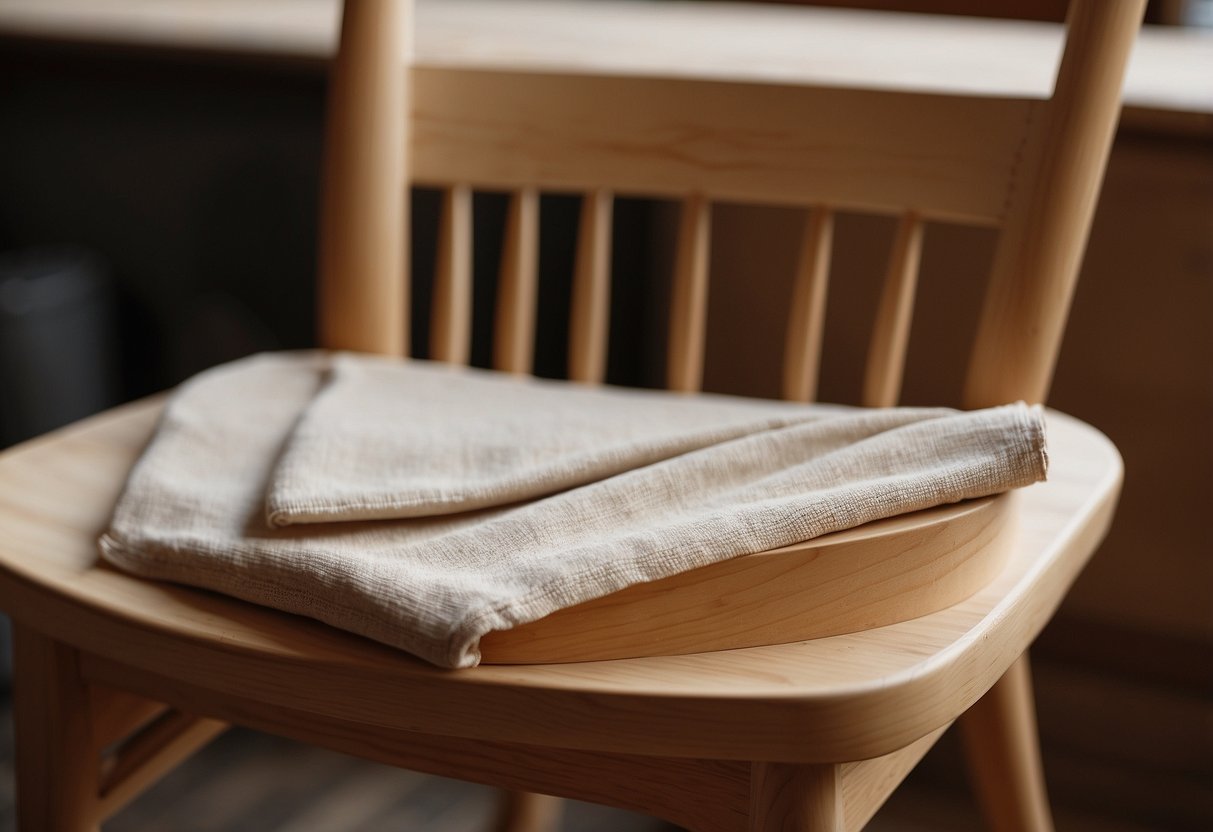
Before you start painting your wood furniture white, it’s important to properly prepare the surface to ensure a smooth and long-lasting finish. This section will cover the essential steps of cleaning, sanding, making repairs, and priming your furniture.

Cleaning and Sanding
The first step in preparing your furniture for painting is to clean it thoroughly. Use a mixture of warm water and mild detergent, such as TSP or Krud Kutter, to wipe down the surface. Make sure to remove any dirt, grease, or grime that may be present on the surface. After cleaning, allow the furniture to dry completely.
Next, you’ll need to sand the surface of the furniture. Sanding helps to remove any existing finish, smooth out imperfections, and create a rough surface for the primer to adhere to. Use a medium-grit sandpaper or an orbital sander to lightly sand the surface of the furniture. Be sure to sand in the direction of the wood grain to avoid damaging the surface.
Making Repairs and Priming
After sanding, inspect the furniture for any scratches, dents, or other imperfections. If necessary, use a wood filler to fill in any holes or gaps. Allow the wood filler to dry completely before sanding again.
To prevent bleed-through of any tannins in the wood, it’s important to use a primer before painting. You can use a shellac primer, such as Zinsser Cover Stain, to prevent bleed-through on bare wood. If the furniture already has a finish, you can use a water-based or oil-based primer.
Apply the primer evenly with a brush or roller, making sure to cover the entire surface. Allow the primer to dry completely before painting.
By following these steps, you’ll be able to properly prepare your furniture for painting and prevent any issues with bleed-through or adhesion. Remember, proper prep work is key to achieving a flawless finish.
Applying the Paint and Finishing Touches
Choosing the Right Paint
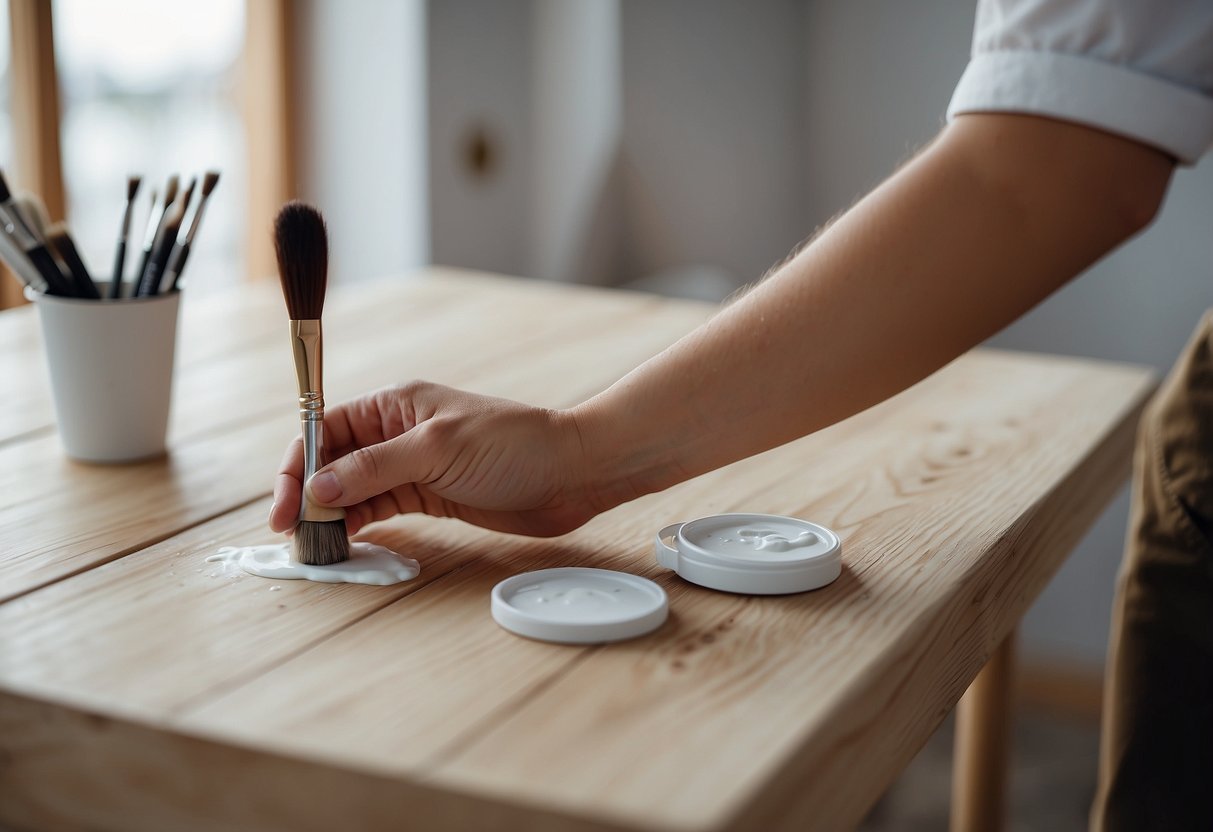
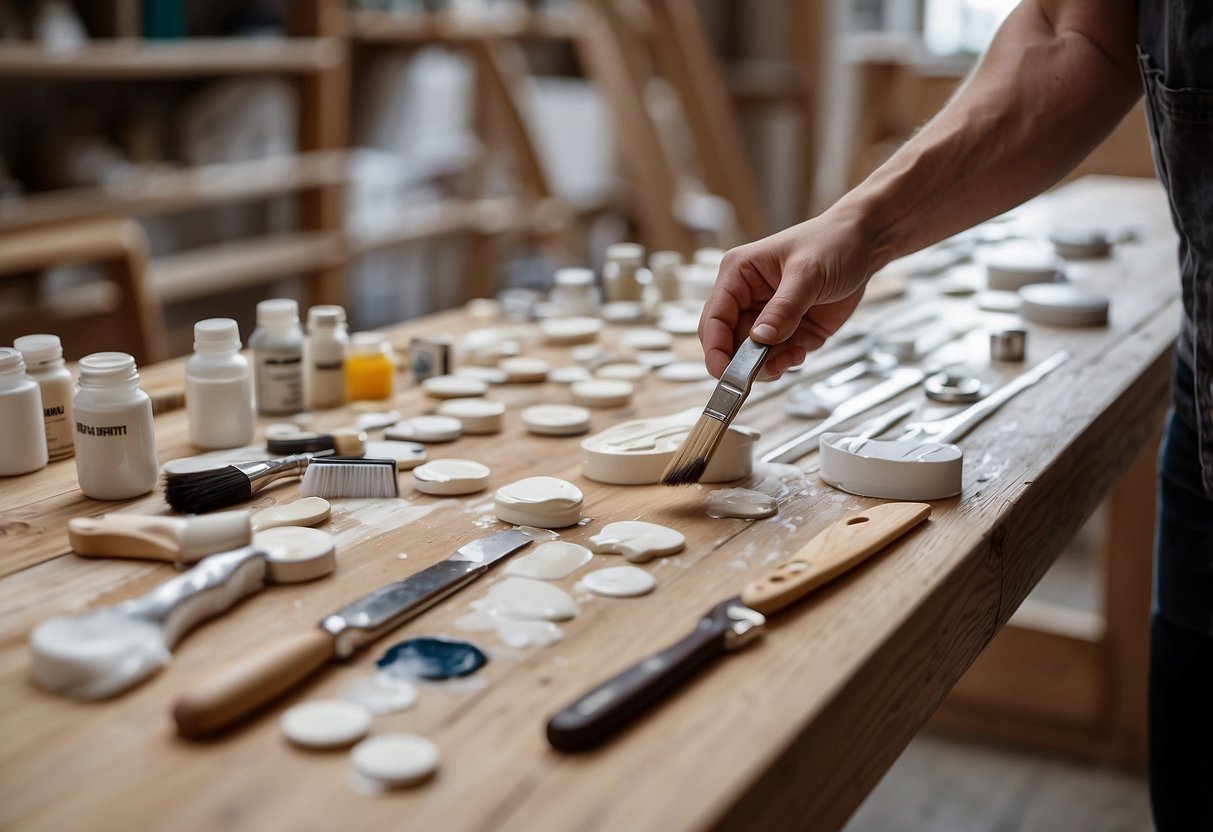
When it comes to painting your wood furniture white, there are a few options to choose from. Chalk paint, latex paint, milk paint, and Dixie Belle paint are all popular choices. Sherwin Williams also offers a range of furniture paints in different shades of white, such as Snow White, Lamp White, and Raw Silk.
Consider the look you want to achieve and your budget when selecting the paint. If you want a pure white colour, look for a paint with a high pigment concentration. If you want a glossy finish, choose a paint with a higher sheen.
Painting Techniques and Tools
Before you start painting, make sure your furniture is clean and dry. Use Simple Green or another gentle cleaner to remove any dirt or grime.

When applying the paint, use a paintbrush, roller, foam roller, chip brush, or sponge applicator depending on the type of paint you have chosen. Follow the manufacturer’s instructions for the number of coats needed and the drying time between coats.
When using a paintbrush or roller, use long, even strokes to avoid visible brush strokes or roller marks. If you want a distressed look, use sandpaper to remove some of the paint once it has dried.
Sealing and Protecting Your Furniture
Once your furniture is painted, you’ll want to seal it to protect the finish. Polyurethane, polycrylic, and clear shellac are all good options for creating a durable finish. General Finishes High Performance Top Coat is a popular choice among furniture painters.
Apply the sealer with a brush or roller in thin, even coats. Follow the manufacturer’s instructions for drying time and the number of coats needed.
Finally, consider the temperature and humidity when painting and sealing your furniture. Avoid painting in extreme temperatures or high humidity, as this can affect the drying time and the finish of your furniture.
By following this step-by-step guide and using the right materials and techniques, you can transform your wood furniture into beautiful white painted furniture.
Frequently Asked Questions
What’s the best way to achieve a satin finish when painting wood furniture white?
To achieve a satin finish when painting wood furniture white, you can use a paint with a satin sheen. Satin sheen paints have a slight gloss, which gives a smooth and elegant finish to your furniture. Satin sheen paints are also easy to clean, making them ideal for furniture that is frequently used.
How can I paint my wood furniture white without leaving streaks or brush marks?
To paint your wood furniture white without leaving streaks or brush marks, it is essential to use the right tools. Use a high-quality brush with soft bristles and apply the paint in thin layers, allowing each coat to dry before applying the next. You can also use a foam roller to apply the paint, which will give you a smooth and even finish.
Is it possible to paint wooden furniture white without prior sanding?
It is possible to paint wooden furniture white without prior sanding, but it is not recommended. Sanding helps to remove any rough patches, old paint, or other debris, which can affect the adhesion of the new paint. Sanding also helps to create a smooth surface, which is essential for achieving a professional-looking finish.
What should I look for in a white paint to ensure it’s suitable for wood furniture?
When selecting a white paint for wood furniture, choose a paint that is specifically designed for use on wood surfaces. Look for a paint that is durable, easy to apply, and has good coverage. Choose a paint that is low in VOCs (volatile organic compounds) to ensure it is safe for indoor use.
Can you recommend a durable white paint for wood furniture that will withstand frequent use?
Yes, you can use a paint that is specifically designed for use on wood furniture and is durable enough to withstand frequent use. Some of the best options include acrylic latex paint, oil-based paint, and chalk paint. These paints are durable, easy to clean, and offer excellent coverage.
What are the steps for preparing wood furniture before painting it white?
Before painting your wood furniture white, it is essential to prepare the surface properly. Start by cleaning the furniture with a mild detergent and water to remove any dirt or grime. Next, sand the surface with a fine-grit sandpaper to create a smooth surface. Finally, apply a primer to the surface to ensure that the paint adheres properly.