

What is Accent Furniture? Your Guide to Stylish Home Decor Pieces
If you’re looking to add some personality and style to your home, accent furniture is a great place to start. But what exactly is accent furniture? In short, it’s any piece of furniture that stands out and adds character to a space while complementing the general decor.

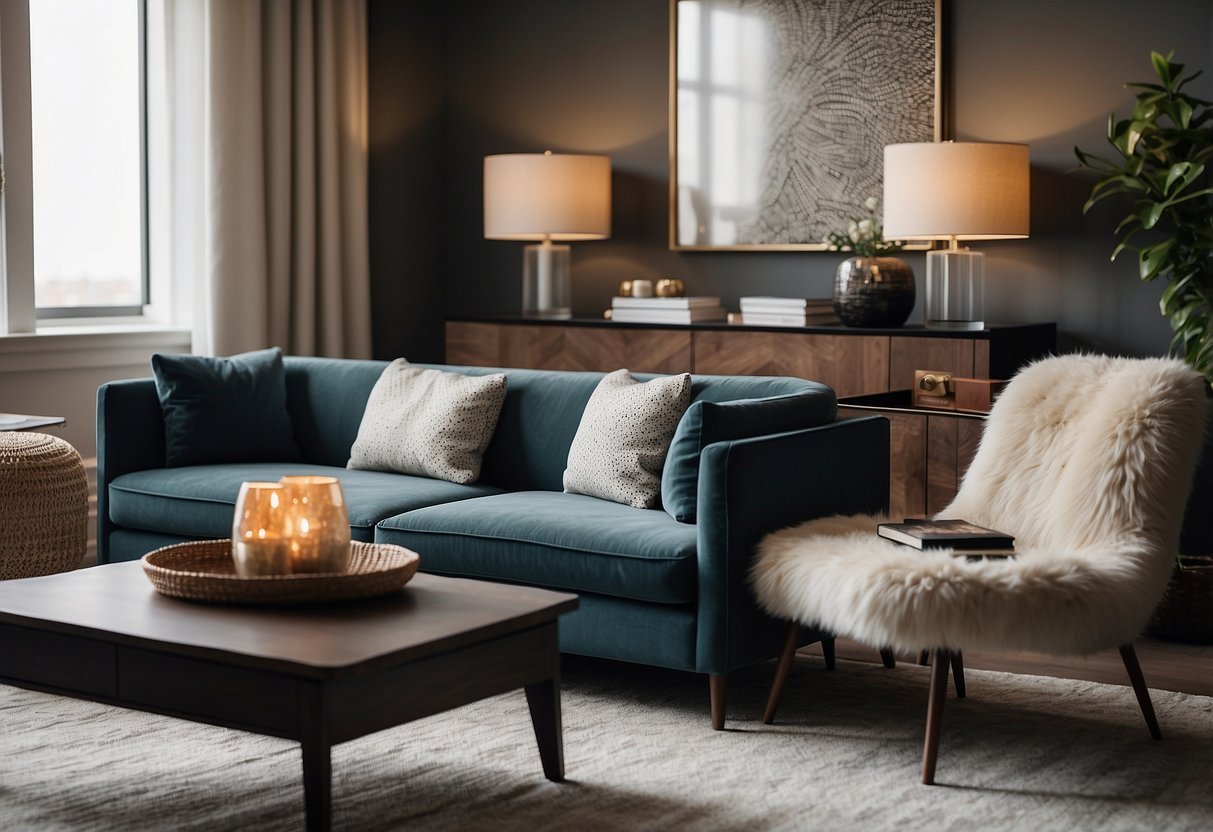
Accent furniture can come in many forms, from a bold patterned armchair to a unique side table. These pieces connect all the items in a room together and can really bring a space to life. Unlike larger furniture items, accent pieces aren’t intended to dominate a room, but rather to add depth and visual interest.
In this article, we’ll explore the essentials of accent furniture, how to style it in your home, and answer some frequently asked questions about this type of furniture. By the end, you’ll have a better understanding of how to incorporate accent furniture into your home decor to create a space that truly reflects your personality and style.
Key Takeaways
- Accent furniture adds character and personality to a space while complementing the general decor.
- There are many different types of accent furniture, from bold patterned armchairs to unique side tables.
- When styled correctly, accent furniture can really bring a space to life.
Exploring Accent Furniture Essentials
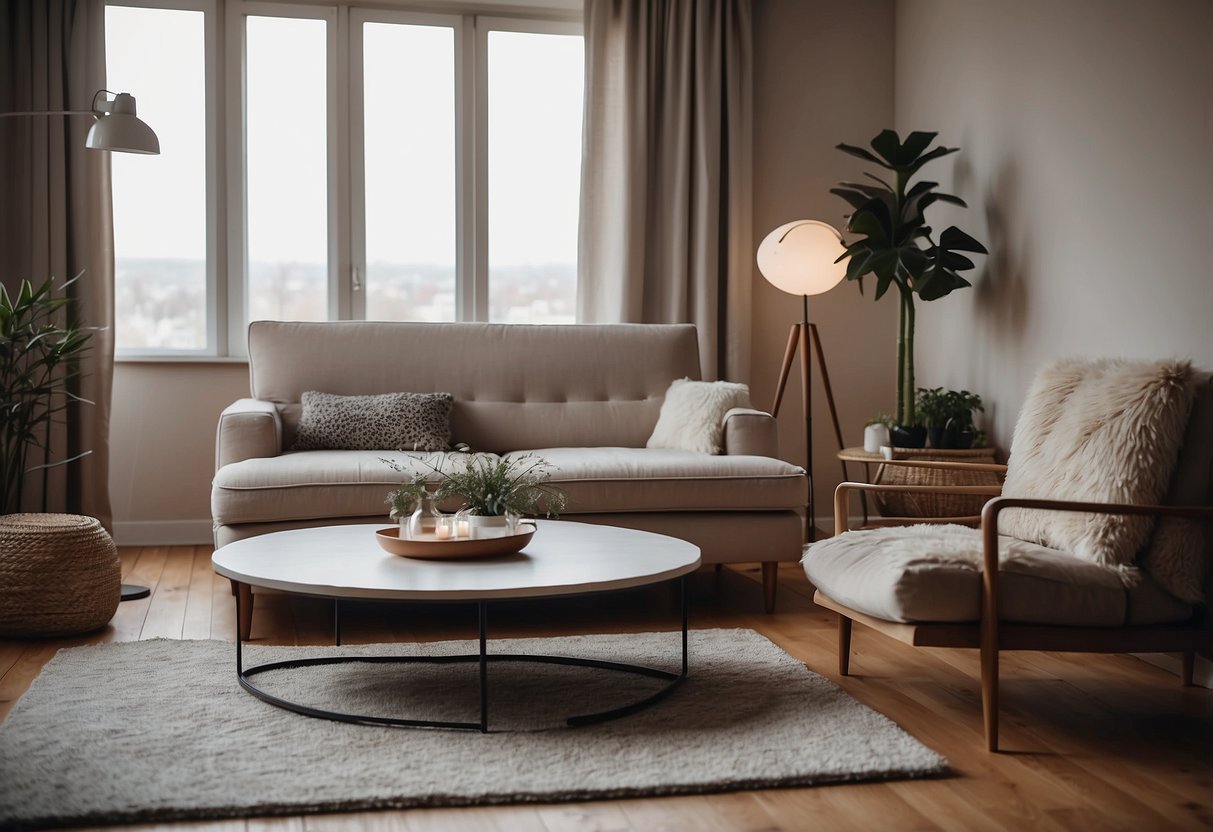
Accent furniture is a great way to add character and visual interest to any room in your home. Whether you want to create a functional space or simply add some decorative elements, accent furniture can help you achieve your goals. In this section, we will explore the types of accent furniture, how to choose the right pieces for your room, and the different materials and textures available.

Types of Accent Furniture
When it comes to accent furniture, there are many options to choose from, including chairs, tables, ottomans, benches, sofas, and storage space. Each of these pieces can be used to add a unique touch to your living room, bedroom, den, hallway, office, foyer, and more.
Choosing the Right Pieces for Your Room
When choosing accent furniture, it’s important to consider the function, decor, balance, and unique designs. You should also think about the colour and quality of the furniture to ensure it complements your existing decor.
For example, if you’re looking to add a pop of colour to your living room, consider a bright accent chair or sofa in a bold hue. If you’re looking to create a more cohesive look, choose accent furniture that matches the style of your existing pieces.
Materials and Textures
Accent furniture is available in a variety of materials and textures, including wood, metal, upholstery, leather, glass, patterns, and texture. You can choose from a range of textures to add depth and interest to your space.
For example, a leather accent chair can add a touch of luxury to your living room, while a patterned ottoman can add a playful touch to your bedroom. When choosing materials and textures, consider the durability and maintenance requirements of each piece.
Overall, accent furniture is a versatile and practical addition to any home. By choosing the right pieces, you can create a space that is both functional and stylish.
Styling with Accent Furniture
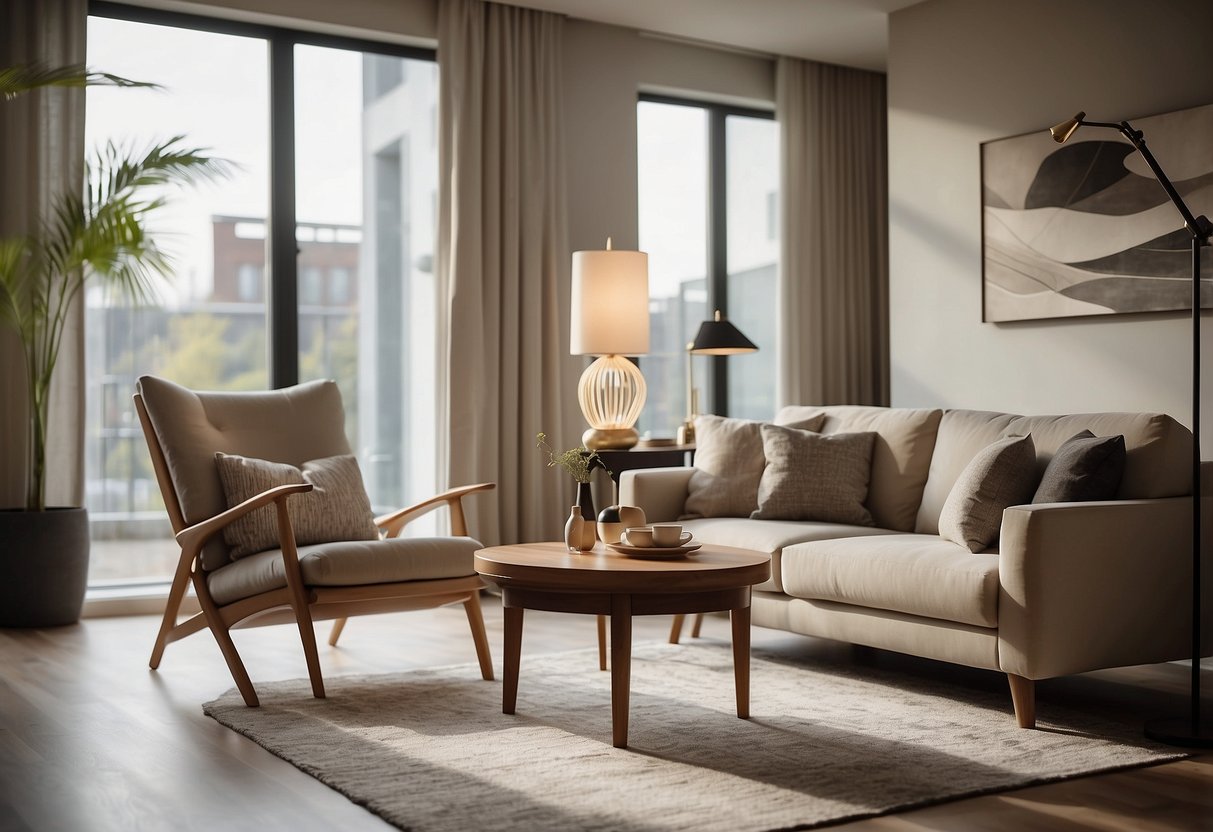
When it comes to styling with accent furniture, there are several things to keep in mind to create a cohesive and inviting living space. Here are some practical tips and ideas to help you transform your room with accent furniture.
Creating Visual Interest and Balance
One of the most important things to keep in mind when styling with accent furniture is to create visual interest and balance in the room. You can achieve this by using accent furniture to break up the monotony of solid colours and add some drama to the space. Bold patterns and solid colours can be used to create a statement piece that draws the eye and adds character to the room.
To create balance, consider using accent furniture to fill empty spaces and add height to the room. A rug can be used to anchor the space, while lamps, vases, and decorative pillows can be used to add texture and depth.

Accessorising and Complementing the Theme
Accent furniture can also be used to accessorise and complement the theme of the room. For example, if you have a painting with greenery in it, you can use accent furniture such as a plant stand or a vase with flowers to add some greenery to the room.
When choosing accent furniture, consider the colours and materials used in the room. You can use accent furniture to tie everything together and create a cohesive look. For example, if you have a lot of wood in the room, you can use accent furniture made of wood to complement the theme.
Practical Tips for Placement and Usage
Finally, there are some practical tips to keep in mind when placing and using accent furniture. First, consider the seating options in the room and how the accent furniture will fit in with them. You want to make sure that the accent furniture doesn’t take up too much space or make it difficult to move around.
Second, consider storage and surface space. Accent furniture such as side tables and bookcases can be used to provide extra storage and surface space in the room.
Lastly, consider height and extra seating. Accent furniture such as ottomans and poufs can be used to add extra seating to the room, while also adding height and visual interest.
By keeping these practical tips in mind, you can transform your living space with accent furniture and create a room that is inviting, cohesive, and full of character.
Frequently Asked Questions
How can one incorporate accent pieces into a living room setting?
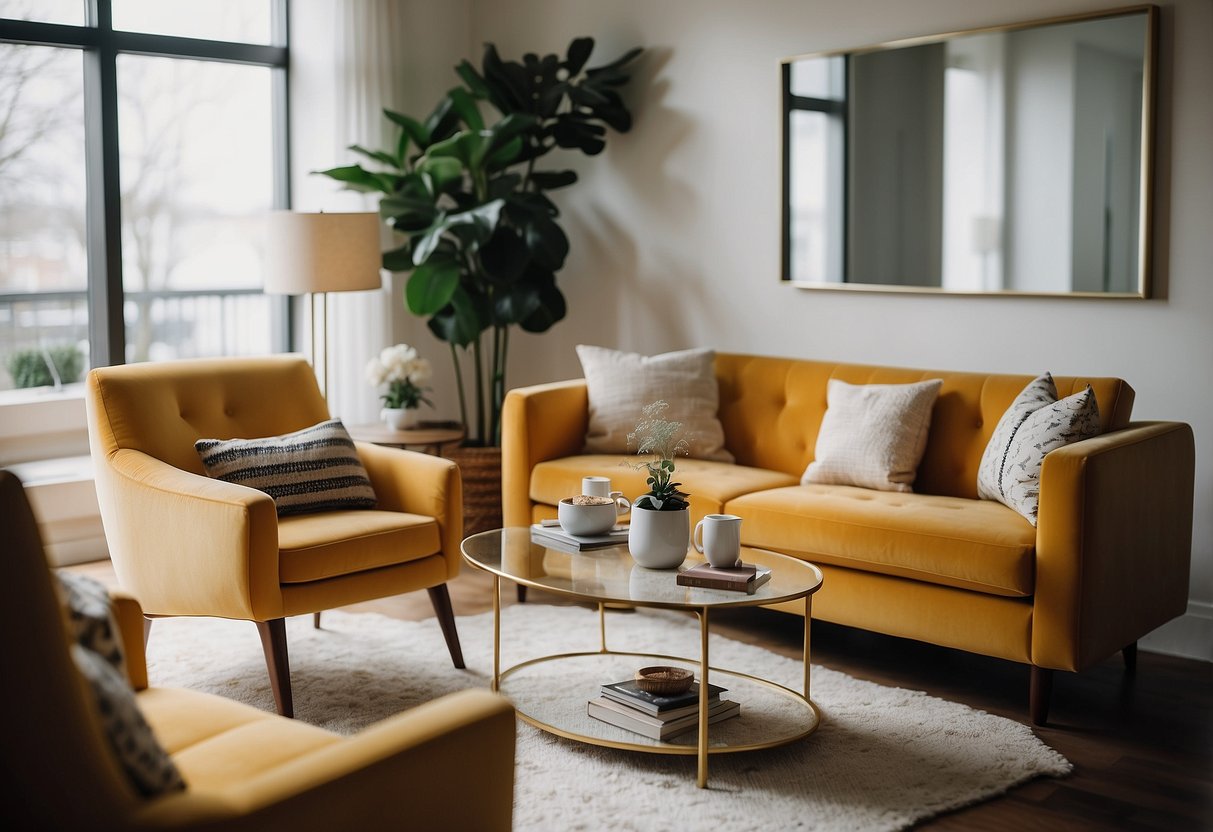
Adding accent furniture to your living room can be a great way to enhance the overall aesthetic of your space. Consider complementing your main furniture pieces, such as sofas and tables, with accent chairs, side tables, area rugs, and accent lighting. These pieces can add character and definition to your room, while also providing functionality.
What are some popular types of accent furniture found in homes?
Some popular types of accent furniture found in homes include accent chairs, side tables, ottomans, area rugs, and decorative lighting. These pieces can come in a variety of styles and designs, from modern and sleek to traditional and ornate.
Could you explain the purpose of accent furniture in home decor?
The purpose of accent furniture is to add visual interest and depth to a room’s design scheme. These pieces are meant to complement your main furniture pieces, while also adding a unique touch to your space. Accent furniture can be functional, such as an accent chair or side table, or purely decorative, such as a decorative vase or sculpture.
What terms are commonly used to describe accent furniture?
Some terms commonly used to describe accent furniture include “complementary,” “decorative,” “ornamental,” and “functional.” These terms are used to describe the purpose and design of accent pieces in home decor.
In what ways can accent items enhance a room’s aesthetic?
Accent furniture can enhance a room’s aesthetic by adding texture, colour, and visual interest. These pieces can also highlight other design elements in the room, such as artwork or architectural features. Additionally, accent furniture can provide balance and harmony to a space, creating a cohesive and inviting atmosphere.
What should one consider when selecting accent furniture for their space?
When selecting accent furniture for your space, consider the overall design scheme and colour palette of your room. You’ll want to choose pieces that complement your main furniture pieces, while also adding a unique touch to your space. Additionally, consider the size and scale of your room, as well as the functionality of the accent pieces you choose.