Brands with sub-brands are becoming increasingly popular in the business world. This is because sub-brands provide a way for companies to expand their offerings and reach new markets while maintaining the integrity of their core brand. In this article, we will explore the concept of sub-brands and their importance in brand hierarchies.


Understanding brand hierarchies is crucial to strategic brand management. A brand hierarchy is a way of organizing a company’s products and services into a logical structure that reflects the relationships between them. At the top of the hierarchy is the corporate brand, which represents the company as a whole. Below the corporate brand are sub-brands, which are associated with specific products or services. Sub-brands can be further divided into sub-sub-brands, which are associated with specific variations of a product or service.
Successful brands have used sub-brands to their advantage. For example, Nike has sub-brands such as Nike Free, Nike Air, Nike Basketball, and Nike Running. These sub-brands allow Nike to cater to different segments of the market with specialized products while maintaining a consistent brand identity. In the next section, we will explore case studies of successful brands that have effectively used sub-brands to their advantage.
Key Takeaways
- Brands with sub-brands are becoming increasingly popular in the business world.
- Understanding brand hierarchies is crucial to strategic brand management.
- Successful brands have used sub-brands to their advantage.
Understanding Brand Hierarchies
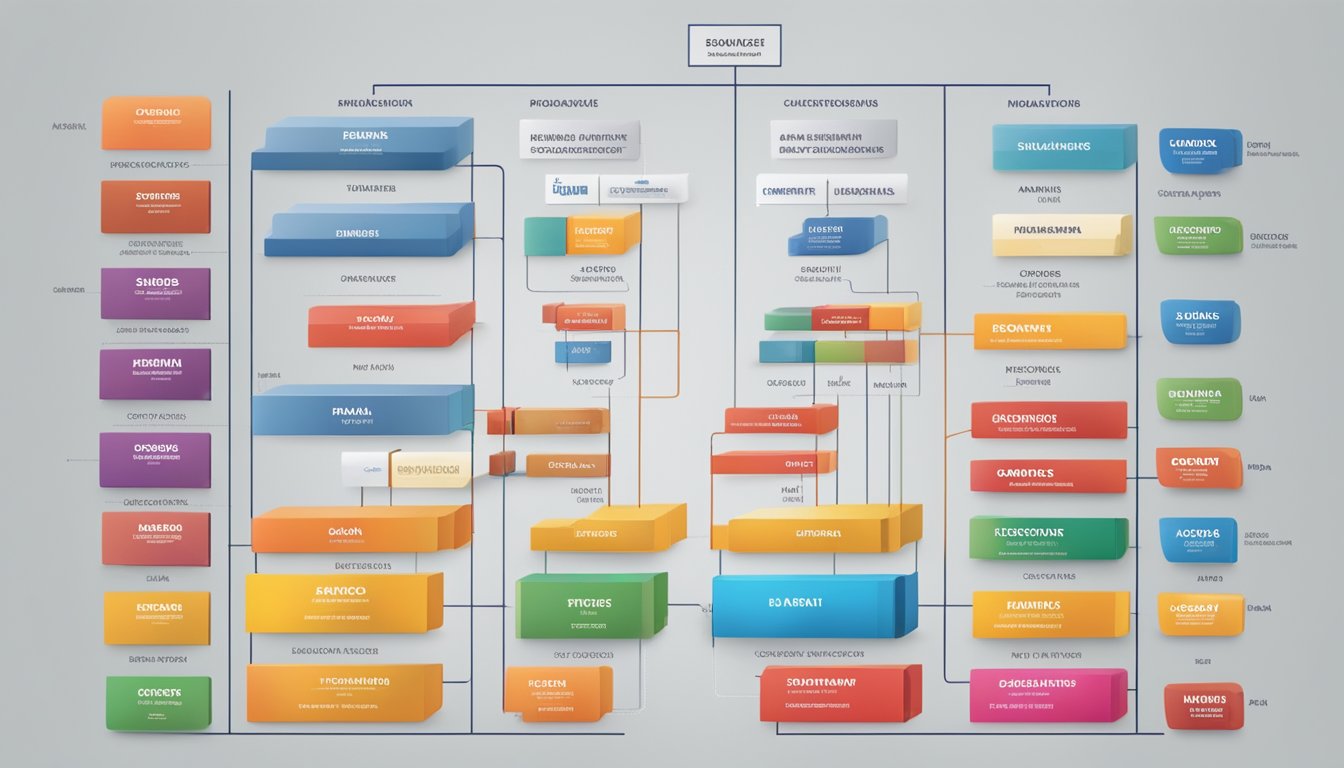
When it comes to building a brand, it’s important to consider the hierarchy of your brand architecture. This involves understanding the relationship between your master brand and any sub-brands you might have. In this section, we’ll explore two types of brand architecture: Branded House vs House of Brands and Hybrid Brand Architecture.

Branded House vs House of Brands
A branded house is a type of brand architecture where the master brand is the main focus, and all sub-brands are connected to it. This means that all sub-brands share the same brand name and visual identity as the master brand.
On the other hand, a house of brands is a type of brand architecture where the master brand is less important, and each sub-brand has its own unique brand name and visual identity.
Both approaches have their advantages and disadvantages. A branded house can help to build a strong, recognisable brand, but it can also make it difficult to differentiate between sub-brands. A house of brands can allow for more flexibility and creativity, but it can also lead to a lack of brand recognition and consistency.
Hybrid Brand Architecture
Hybrid brand architecture is a combination of the two approaches mentioned above. It involves having both a master brand and sub-brands, but with varying levels of connection between them.
For example, a hybrid brand architecture might involve a master brand that endorses multiple sub-brands, but also has some sub-brands that operate independently. This can allow for a balance between brand recognition and flexibility.
When deciding on the best brand architecture for your business, it’s important to consider your goals, target audience, and the products or services you offer. A well-designed brand hierarchy can help to build a strong, recognisable brand and make it easier for customers to understand the relationship between your different products and services.
Remember, your brand architecture should be designed to support your business goals and provide a clear, consistent message to your customers. With the right approach, you can create a brand hierarchy that helps to build trust and loyalty with your target audience.
Strategic Brand Management

Establishing a Sub-Brand
Creating a sub-brand is a strategic move that can help businesses expand their product line and target a new market. When establishing a sub-brand, it is important to consider the overall brand strategy and ensure that the sub-brand aligns with the brand’s values and mission.
One way to establish a sub-brand is to create a unique name for the product or service. This can help differentiate the sub-brand from the parent brand and give it its own identity. For example, Nike has sub-brands such as Nike Free, Nike Air, and Nike Basketball.
Another approach is to use a hybrid brand strategy, where the sub-brand is endorsed by the core brand but maintains a distinct identity. For instance, Sony has sub-brands such as PlayStation, Walkman, and Bravia.
Brand Equity and Market Positioning
Sub-brands can also help businesses build brand equity and improve their market positioning. By creating a sub-brand, businesses can target a specific market segment and develop its own customer expectations and personalities that are different from the parent brand.
When developing a sub-brand, it is important to consider the brand equity of the parent brand and ensure that the sub-brand does not dilute the brand’s value. Sub-brands should also be positioned in a way that complements the parent brand and enhances its overall market position.
In summary, establishing a sub-brand is a strategic move that can help businesses expand their product line and target a new market. By considering the overall brand strategy and brand equity, businesses can create a sub-brand that aligns with their values and mission while improving their market positioning.
Brand Identity and Image

Crafting a Unique Brand Story
Creating a unique brand story is essential in today’s competitive market. Your brand story should be authentic, creative, and engaging. It should reflect your brand identity and values. To craft a unique brand story, you need to understand your brand’s history, mission, and vision. Your story should resonate with your target audience and convey your brand’s personality.
Logo and Visual Identity
Your logo and visual identity are crucial components of your brand identity. They are the visual representation of your brand and help to create brand recognition. Your logo should be simple, memorable, and versatile. It should reflect your brand’s personality and values. Your visual identity should be consistent across all your marketing channels, including your website, social media, and advertising.
Messaging and Audience Engagement
Messaging and audience engagement are critical to building a strong brand identity. Your messaging should be clear, concise, and consistent. It should resonate with your target audience and convey your brand’s values. Your audience engagement should be personalised, engaging, and relevant. It should create a connection between your brand and your customers.

In conclusion, crafting a unique brand story, creating a memorable logo and visual identity, and engaging with your target audience are essential components of building a strong brand identity. By focusing on these elements, you can create a brand that resonates with your customers and stands out in a crowded market.
Case Studies of Successful Brands
If you’re looking for inspiration on how to create and manage sub-brands, then look no further than the following successful brands:
Sony and the PlayStation Success
Sony is a great example of a brand that has successfully leveraged sub-brands to expand its reach. One of the most successful sub-brands under Sony is PlayStation. Since its launch in 1994, PlayStation has become one of the most successful gaming consoles in history. Sony has continued to innovate and improve the PlayStation brand, with the latest version, PlayStation 5, selling out within minutes of its release.
The Coca-Cola Brand Portfolio
Coca-Cola is another great example of a brand that has used sub-brands to expand its product portfolio. The Coca-Cola brand portfolio includes a range of sub-brands, such as Coca-Cola Zero Sugar and Diet Coke, that cater to different tastes and preferences. Coca-Cola has also expanded its product portfolio to include other beverages, such as Fanta and Sprite.
Nike and Sub-Brand Integration
Nike is a brand that has successfully integrated sub-brands into its product portfolio. One of the most successful sub-brands under Nike is Jordan, which was launched in 1984 in collaboration with basketball legend Michael Jordan. The Jordan brand has become a cultural phenomenon, with its own line of shoes, apparel, and accessories. Nike has also successfully integrated other sub-brands, such as Converse and Hurley, into its product portfolio.
When it comes to creating and managing sub-brands, these brands have set the standard for success. By leveraging sub-brands, they have been able to expand their product portfolios, cater to different tastes and preferences, and reach new audiences. If you’re looking to create and manage sub-brands, these case studies are a great place to start.
Marketing and Growth Strategies

Sub-brands can be a powerful tool for growing your business. By creating a sub-brand, you can leverage the reputation and recognition of your existing brand to launch new products or services. Here are a few marketing and growth strategies to consider when leveraging sub-brands.
Leveraging Sub-Brands for Expansion
One of the most effective ways to use sub-brands is to expand your business into new markets or product lines. For example, if you run a successful clothing brand, you might consider launching a sub-brand that focuses on accessories or footwear. By leveraging the reputation and recognition of your main brand, you can quickly establish credibility in the new market.
When launching a sub-brand, it’s important to consider the target audience and create a brand identity that resonates with them. This might involve creating a unique visual style, tone of voice, or messaging that differentiates the sub-brand from the main brand.
Innovative Marketing Efforts
Another way to use sub-brands is to experiment with innovative marketing efforts. For example, you might create a sub-brand specifically for a social media campaign or influencer partnership. This can help you reach new audiences and build buzz around your brand.
When creating a sub-brand for a marketing campaign, it’s important to focus on creating a unique and memorable experience for the audience. This might involve creating a custom landing page, designing unique visuals, or using interactive elements to engage with the audience.
Overall, sub-brands can be a powerful tool for growing your business and reaching new audiences. By leveraging the reputation and recognition of your main brand, you can quickly establish credibility in new markets and experiment with innovative marketing efforts.
Consumer Relationships and Loyalty

When it comes to brands with sub-brands, building trust with customers is crucial. Trust is the foundation of any successful brand-customer relationship. If a customer trusts your brand, they are more likely to remain loyal and recommend your brand to others.
Building Trust with Sub-Brands
One way to build trust with customers is by ensuring that your sub-brands are consistent with your main brand. This means that the sub-brands should reflect the same values and messaging as the main brand. Customers should be able to easily identify the connection between the sub-brand and the main brand.
Another way to build trust is by providing high-quality products and services. If customers have a positive experience with your sub-brand, they are more likely to trust your main brand as well.
Customer Loyalty and Retention Strategies
Customer loyalty is another important aspect of building a successful brand with sub-brands. It is much easier and more cost-effective to retain existing customers than to acquire new ones.
One way to build customer loyalty is by offering rewards and incentives. This could include loyalty programs, discounts, or exclusive access to new products or services.
Another strategy is to focus on customer service. Customers who feel valued and heard are more likely to remain loyal to your brand. This includes responding promptly to customer complaints and feedback, and making an effort to address their concerns.
Overall, building trust and customer loyalty are key to the success of brands with sub-brands. By providing high-quality products and services, maintaining consistency across sub-brands, and focusing on customer service and retention strategies, you can build a strong reputation and ensure the long-term success of your brand.
Frequently Asked Questions
Which fashion houses are known for having exciting sub-brands?
Many fashion houses have sub-brands to cater to different audiences. Some of the most exciting sub-brands come from Gucci, which has Gucci Beauty and Gucci Décor, and Louis Vuitton, which has Louis Vuitton fragrances and Les Parfums Louis Vuitton.
Could you list some top-tier luxury brands that boast a collection of sub-brands?
Top-tier luxury brands that have a collection of sub-brands include Chanel, which has Chanel Beauty, Chanel Watches, and Chanel Fine Jewellery, and Dior, which has Dior Beauty, Dior Homme, and Dior Fine Jewellery.
What are some iconic examples of companies successfully managing multiple sub-brands?
One iconic example of a company successfully managing multiple sub-brands is Procter & Gamble, which has brands such as Tide, Pampers, and Gillette under its umbrella. Another example is Unilever, which has Dove, Lipton, and Axe, among others.
How do popular brands typically structure their sub-brand strategies?
Popular brands typically structure their sub-brand strategies in one of two ways. The first is to create a sub-brand that is closely tied to the main brand, such as BMW’s M series. The second is to create a sub-brand that is distinct from the main brand, such as Toyota’s luxury brand, Lexus.
What’s the most exhilarating example of a sub-brand becoming as well-known as its parent brand?
One of the most exhilarating examples of a sub-brand becoming as well-known as its parent brand is Apple’s iPhone. While Apple has many other products, the iPhone has become one of the most iconic products in the world and has helped to establish Apple as a leading technology brand.
In what ways do leading brands differentiate their sub-brands from the main brand?
Leading brands differentiate their sub-brands from the main brand by creating a distinct identity for the sub-brand. This can include a different name, logo, and marketing strategy. Additionally, sub-brands may target a different audience or offer a different product or service than the main brand.