Primary School Furniture Dimensions: A Guide for Choosing the Right Size
Welcome to the world of primary school furniture dimensions. As a parent or teacher, you want your child to be comfortable and safe while learning. Furniture dimensions play a crucial role in ensuring that your child can study and play without any discomfort. In this article, we will discuss the importance of furniture dimensions in primary schools and how they can impact your child’s learning experience.

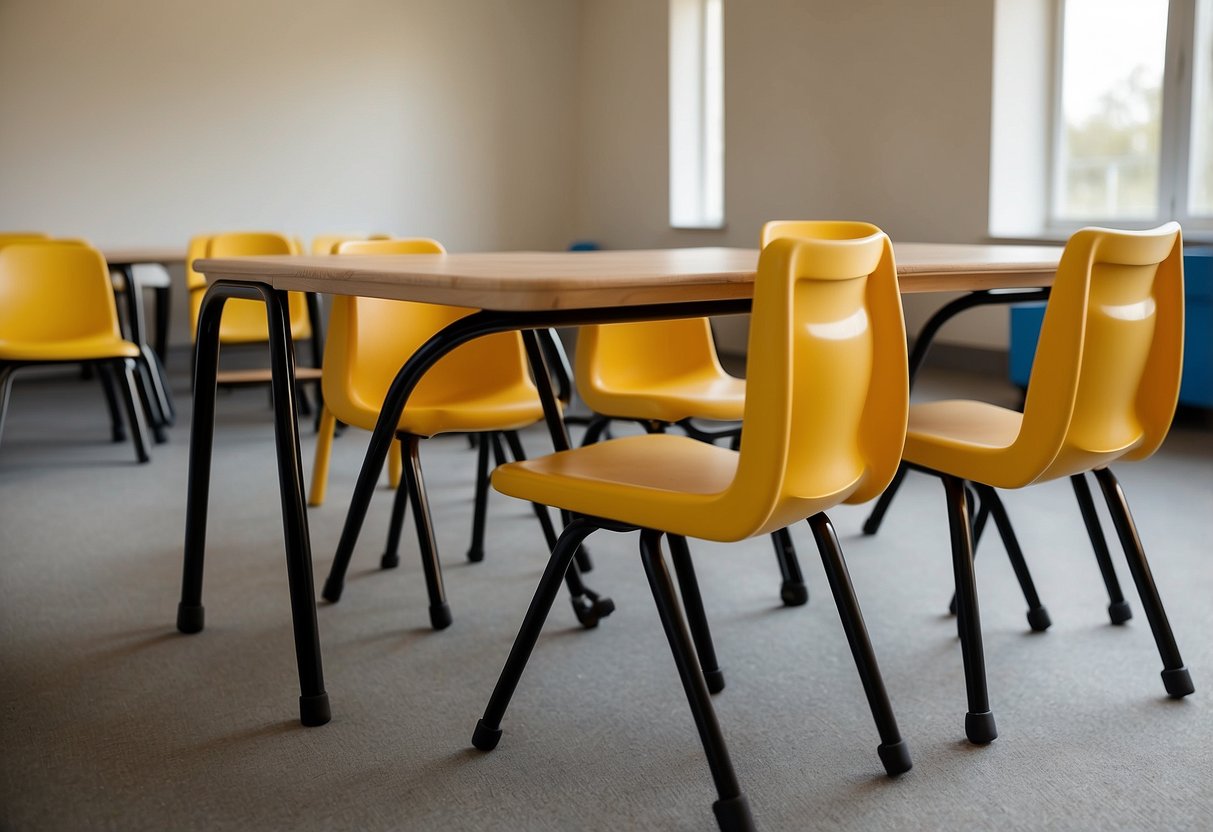
Understanding furniture dimensions for primary schools is crucial. Furniture is not one size fits all, and children have different needs based on their age and height. The right furniture dimensions can help your child maintain good posture, which is essential for their physical development. Moreover, it can also help them concentrate better, which leads to enhanced learning.
Design considerations for enhanced learning are also important. The right furniture dimensions can help create a conducive learning environment for children. Furniture that is too big or too small can cause discomfort, leading to distractions and reduced productivity. In contrast, furniture that is the right size can help children focus on their studies, leading to better academic performance.
Key Takeaways
- Furniture dimensions play a crucial role in ensuring that your child is comfortable and safe while learning.
- The right furniture dimensions can help your child maintain good posture, concentrate better, and enhance their learning experience.
- Design considerations for enhanced learning are essential, and the right furniture dimensions can help create a conducive learning environment for children.
Understanding Furniture Dimensions for Primary Schools
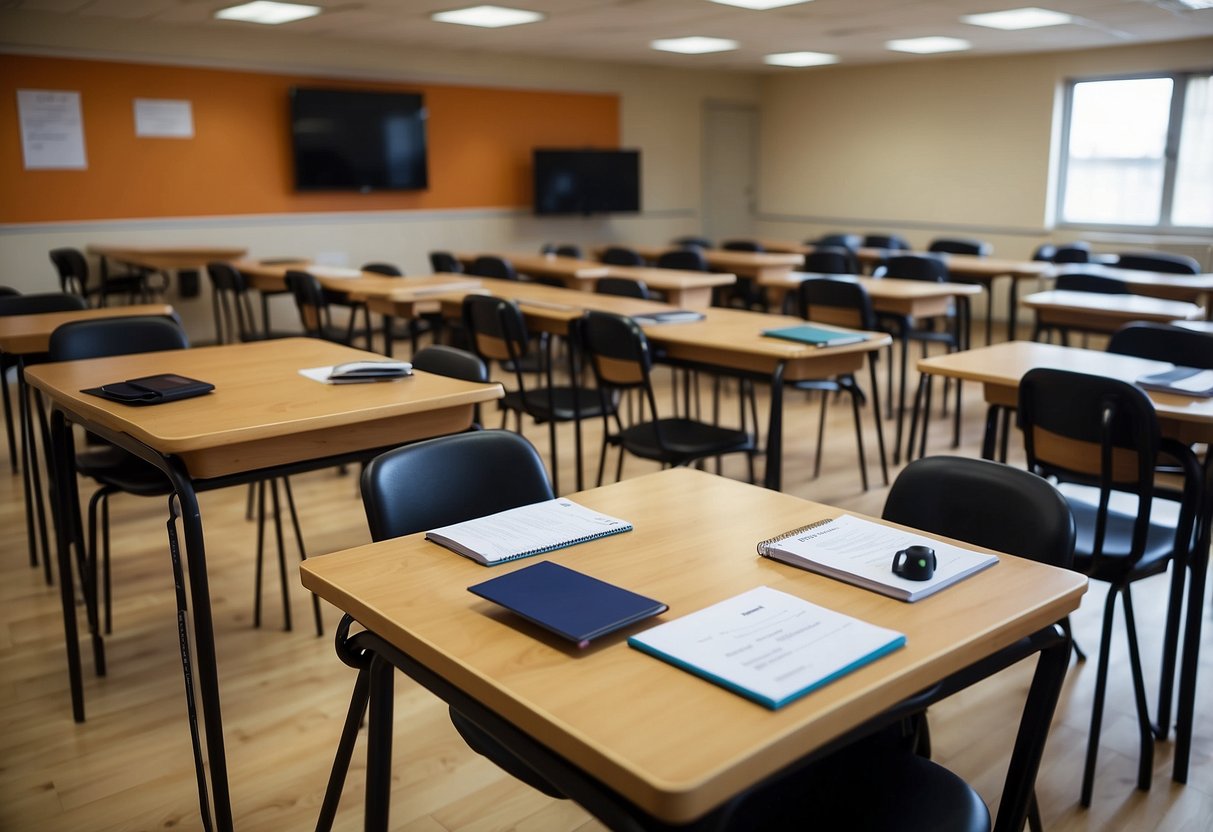
When it comes to classroom furniture, understanding the dimensions is crucial to ensure that pupils are comfortable, safe, and able to concentrate in a learning environment. In this section, we will explain the importance of ergonomically designed furniture, standard measurements and regulations, and adjusting to pupil growth and diversity.

Importance of Ergonomically Designed Furniture
Ergonomics is the study of how people interact with their environment, and in the case of classroom furniture, it refers to designing furniture that is comfortable and safe for pupils to use. Ergonomically designed furniture can help prevent musculoskeletal disorders and promote good posture, which can improve concentration and overall well-being.
Standard Measurements and Regulations
Manufacturers of educational furniture are required to adhere to British and European standards for sizing and functional dimensions. These standards include metric measurements and average size marks for popliteal height, sitting height, seat height, and table height for various age groups and statures. These standards ensure that furniture is suitable for pupils of different bodily dimensions and anthropometric measures.
Adjusting to Pupil Growth and Diversity
As pupils grow and develop, their furniture needs may change. It is important to ensure that furniture can be adjusted to accommodate different pupils’ needs and promote good sitting posture. Mismatch between pupils’ bodily dimensions and furniture can lead to discomfort and distraction, which can negatively impact their learning experience.
In summary, understanding the dimensions of primary school classroom furniture is essential for creating a comfortable, safe, and effective learning environment. Ergonomically designed furniture, adherence to standards and regulations, and adjusting to pupil growth and diversity are all important factors to consider when selecting educational furniture.
Design Considerations for Enhanced Learning
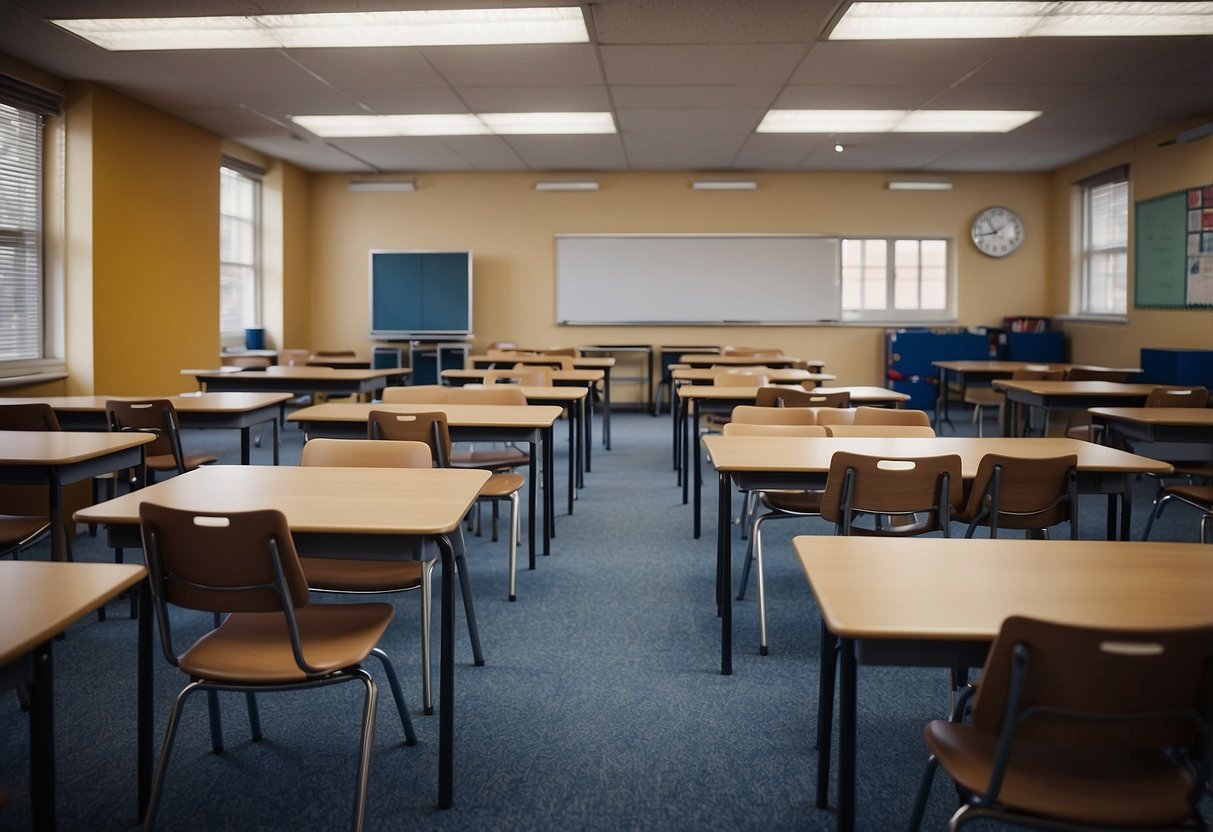
When designing a primary school classroom, there are several important factors to consider to ensure that the learning environment is dynamic and flexible. By creating a well-designed classroom, you can help to increase productivity and improve the overall learning experience for your students.
Creating a Dynamic and Flexible Classroom
One of the most important considerations when designing a primary school classroom is flexibility. Classroom furniture should be designed to be flexible and adaptable, allowing for a range of different teaching and learning styles. This means that classroom tables and chairs should be easily movable, and there should be a range of different seating options available, such as standing tables and folding tables.

Health Implications of Furniture Design
Another important consideration when designing classroom furniture is the health implications of the design. Poorly designed furniture can lead to a range of health problems for students, including back pain, RSI, and upper crossed syndrome. To avoid these issues, it is important to ensure that classroom furniture is ergonomically designed and that it is appropriate for the size and age of the students using it.
Material Quality and Furniture Longevity
Finally, it is important to consider the durability and longevity of classroom furniture. Classroom furniture should be designed to last for many years, and it should be able to withstand the wear and tear of daily use. This means that classroom tables and chairs should be designed with stability and strength in mind, and they should be made from high-quality materials that are able to withstand the rigours of daily use. Additionally, library furniture should be designed to be comfortable and functional, allowing students to study and learn in a comfortable and supportive environment.
By considering these design factors when choosing classroom furniture, you can help to create a learning environment that is dynamic, flexible, and supportive of your students‘ needs.
Frequently Asked Questions
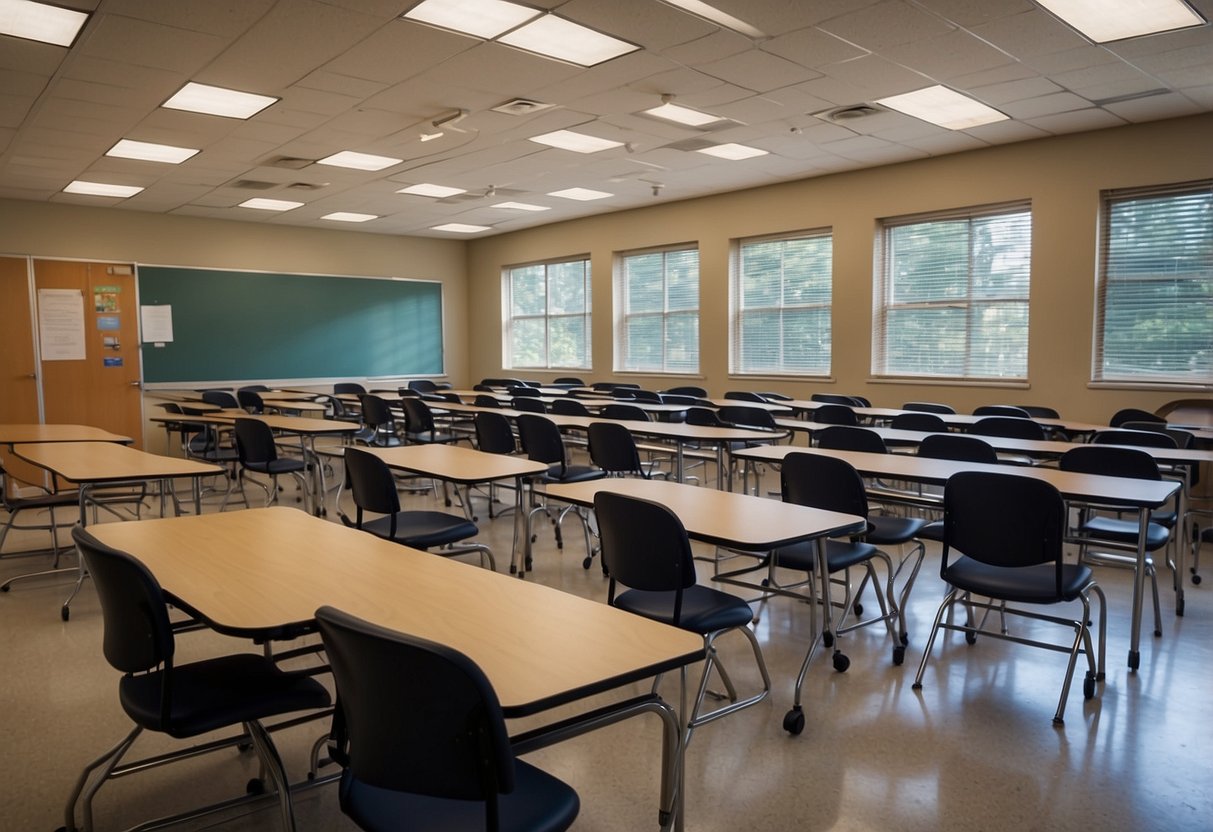
What are the typical measurements for a primary school desk?
Primary school desks should be designed to accommodate children’s growth and development. The recommended desk height for primary school children is between 22 to 30 inches, while the desk width should be at least 30 inches.
How big is an average school chair for young children?
The size of a school chair varies depending on the age of the child. For young children in primary school, the average chair height should be between 10 to 14 inches. The seat width should be at least 12 inches, and the seat depth should be around 10 to 12 inches.
Could you tell me the standard size of a primary classroom table?
The standard size of a primary classroom table should be around 22 to 30 inches in height, and the table width should be at least 30 inches. This allows for comfortable seating and enough space for learning materials.
What size should furniture in a kindergarten classroom be?
Furniture in a kindergarten classroom should be smaller in size compared to furniture in higher grades. The recommended chair height for kindergarten children is between 8 to 10 inches, while the table height should be around 20 to 24 inches.
How do primary school furniture dimensions vary by age group?
Primary school furniture dimensions vary by age group to accommodate children’s growth and development. As children grow older, the size of the furniture should increase accordingly. For example, the recommended chair height for Year 6 students is between 14 to 18 inches, while the table height should be around 28 to 30 inches.
What are the recommended dimensions for primary school storage units?
The recommended dimensions for primary school storage units should be around 36 to 48 inches in height, with a depth of around 12 to 18 inches. This allows for easy access to materials while also providing enough storage space for the classroom.