

Paint for White Furniture: Tips and Recommendations
If you’re looking to give your furniture a new lease of life, painting it white is a great way to do so. White furniture can brighten up a room and give it a clean, fresh look. However, finding the right paint for white furniture can be a challenge. You want a paint that will give you a smooth, even finish that won’t yellow over time.
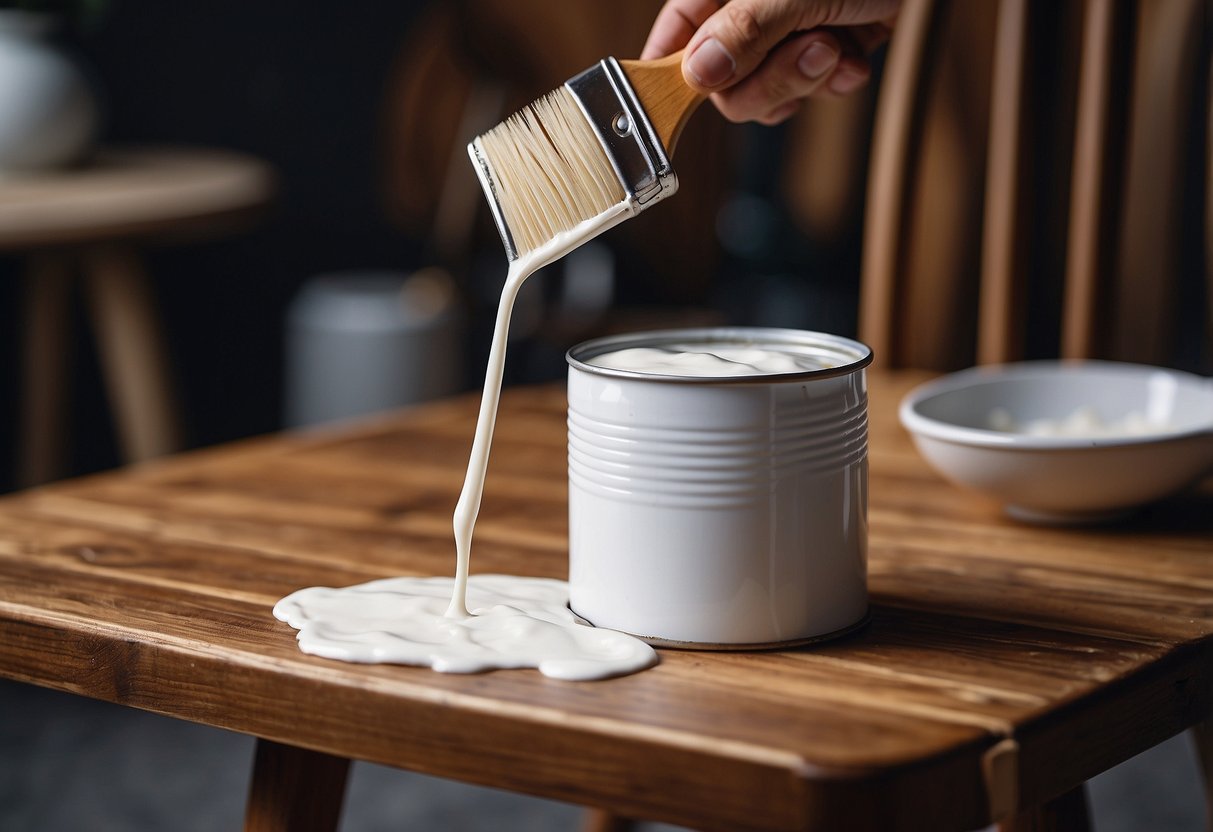
Before you start painting your furniture white, it’s important to prepare it properly. This means cleaning it thoroughly and sanding it down to create a smooth surface for the paint to adhere to. You may also need to apply a primer to help the paint stick and prevent any bleed-through from the original finish. Once you’ve prepared your furniture, it’s time to apply the paint.
When it comes to choosing the right paint for white furniture, there are a few things to consider. You’ll want a paint that is durable and easy to clean, as well as one that won’t yellow over time. There are many different types of paint available, from chalk paint to latex paint, so it’s important to choose the right one for your project. Additionally, you may want to consider using a sealer or wax to protect your newly painted furniture.

Preparing Your Furniture for Painting
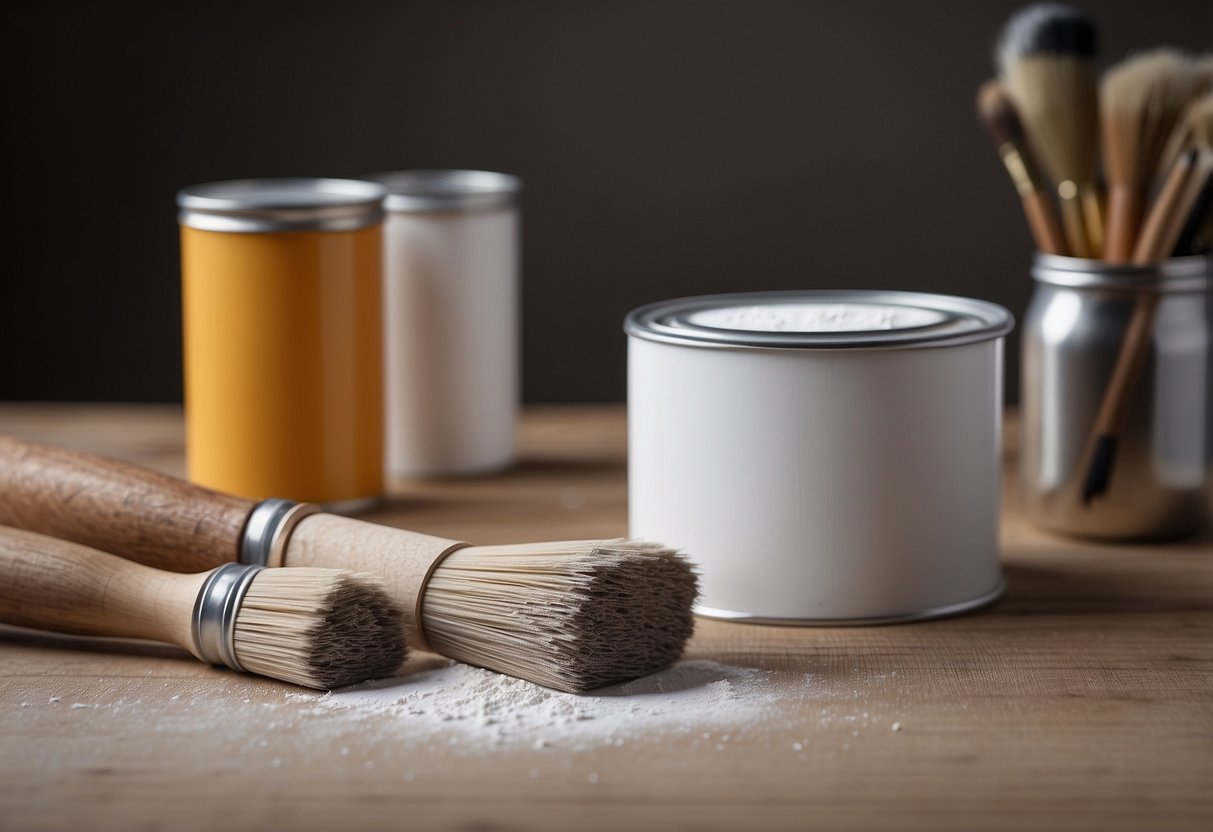
Before you start painting your furniture white, you need to prepare the surface properly. This will ensure that the paint adheres well and gives you a smooth and even finish. Here are the steps you need to follow:

Cleaning and Sanding
The first step is to clean your furniture thoroughly. Use a mild detergent mixed with water to remove any dirt, grime, or grease on the surface. You can also use a degreaser like TSP or Simple Green for tougher stains. Wipe the surface clean with a damp cloth and let it dry completely.
Next, you need to sand the surface with a fine-grit sandpaper. This will create a smooth surface for the paint to adhere to. Use an orbital sander for larger surfaces and a sanding block for smaller areas. Make sure to sand in the direction of the grain to avoid damaging the wood.
If your furniture has any dents, scratches, or holes, you can use wood filler to fill them in. Apply the filler with a putty knife and let it dry completely. Sand the surface again to create a smooth finish.
Priming for Perfection
Priming is an important step when painting furniture white. It will help the paint adhere better and prevent any bleed-through from tannins or stains. There are different types of primers available, but for white furniture, it’s best to use a white primer or a shellac-based primer like BIN.
Apply the primer with a brush or a roller, depending on the size of the surface. Make sure to cover all areas evenly and let it dry completely before painting. If you notice any bleed-through or stains after priming, you can apply a second coat or use a stain-blocking primer like Zinsser.
In summary, preparing your furniture for painting is an essential step to achieve a professional-looking finish. Clean and sand the surface to create a smooth base, and use a primer to ensure better adhesion and prevent any bleed-through. With these simple steps, you can paint your furniture white and give it a new lease of life.
Applying Paint and Finishing Touches
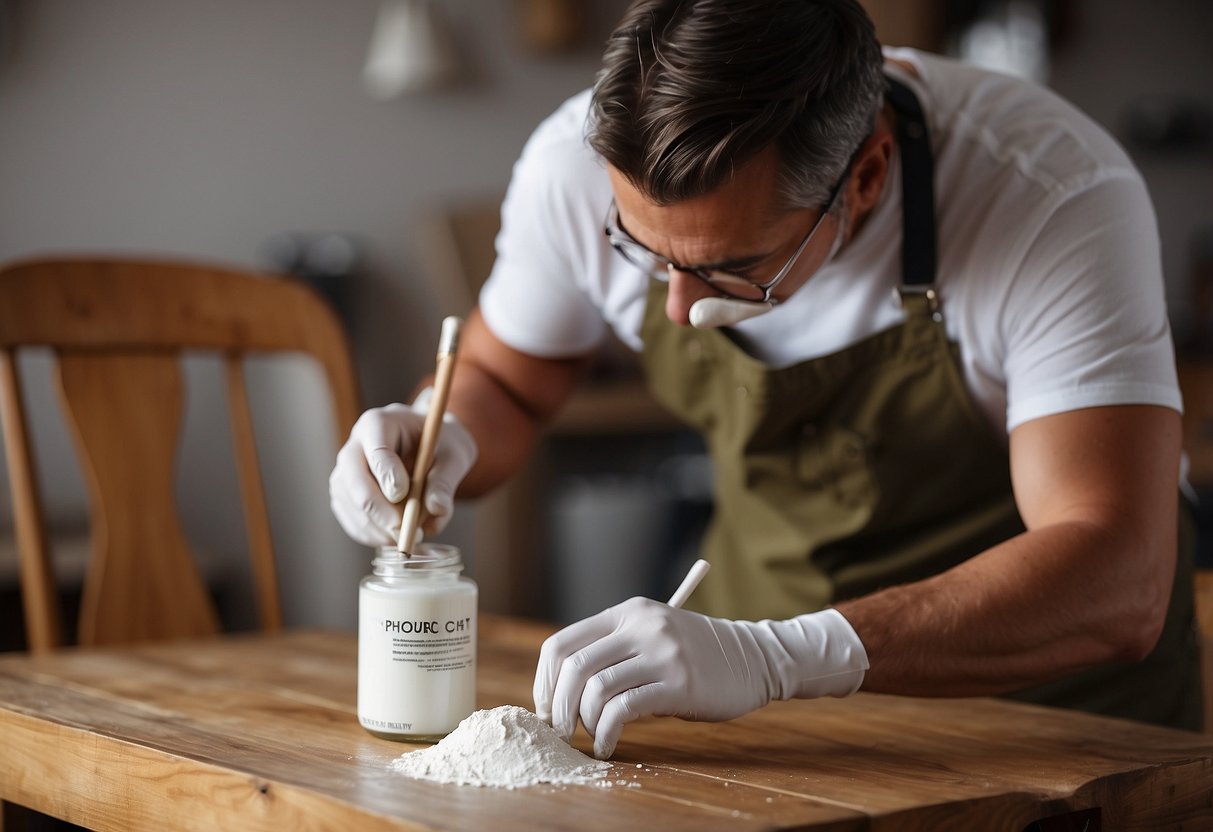
Choosing the Right Paint
When it comes to painting furniture white, it’s important to choose the right type of paint. You can choose from a variety of options, including chalk paint, latex paint, milk paint, fusion mineral, Sherwin Williams, Benjamin Moore Advance, acrylic paint, and more. Be sure to choose a paint that is specifically designed for furniture, as it will provide better coverage and durability.
Techniques for a Smooth Finish
To achieve a smooth finish on your white furniture, there are a few techniques you can use. First, be sure to use a high-quality paint brush or roller. A foam roller is a great option for achieving a smooth finish. When applying the paint, be sure to use thin, even coats. This will help to prevent brush strokes and drips. You can also sand between coats to ensure a smooth finish.
Protecting Your Furniture
Once you’ve applied the paint and achieved the desired finish, it’s important to protect your furniture. You can do this by applying a top coat or clear sealer. Some popular options include Polycrylic, clear wax, white wax, and General Finishes High Performance Top Coat. These products will help to protect your furniture from scratches, stains, and other damage.
Quick Tips for Painting Furniture White:
- Clean and prep your furniture before painting
- Choose a high-quality paint brush or roller
- Use thin, even coats of paint
- Sand between coats for a smooth finish
- Apply a protective top coat or clear sealer
By following these tips and techniques, you can achieve a beautiful white finish on your furniture that will last for years to come.
Frequently Asked Questions
What’s the best type of white paint to use on wooden furniture?
When it comes to painting wooden furniture white, it’s best to use a paint that is specifically designed for this purpose. Look for a high-quality, water-based paint that is durable and long-lasting. Satin or semi-gloss finishes are great options, as they provide a smooth and easy-to-clean surface.
Is it possible to get a distressed white look when painting furniture?
Yes, it is possible to achieve a distressed white look when painting furniture. To do this, you can use a technique called “dry brushing.” This involves using a dry brush to apply a small amount of paint to the surface of the furniture, leaving some of the wood grain and imperfections exposed. You can also use sandpaper to distress the paint after it has dried.
Can I paint my furniture white without having to sand it first?
While it is possible to paint furniture white without sanding it first, it is not recommended. Sanding the surface of the furniture helps to remove any existing finish and create a rough surface for the paint to adhere to. This ensures that the paint will go on smoothly and last longer.
Do I need to apply a primer before painting furniture white?
Yes, it is recommended to apply a primer before painting furniture white. A primer helps to create a smooth and even surface for the paint to adhere to, and also helps to prevent any stains or tannins from bleeding through the paint. Look for a primer that is specifically designed for use on wooden furniture.
Which white paint would you recommend for a living room setting?
When choosing a white paint for a living room setting, consider the amount of natural light in the room and the other colours in the space. A warm white with yellow or pink undertones can create a cosy and inviting atmosphere, while a cool white with blue or green undertones can create a more modern and sophisticated look. Always test the paint in the space before committing to a large project.
What are the options for spray painting furniture white?
Spray painting furniture white can be a quick and easy way to update the look of a piece. Look for a spray paint that is specifically designed for use on furniture, and choose a white colour that matches your desired finish. Always work in a well-ventilated area and follow the manufacturer’s instructions carefully.