

Outdoor Furniture Material: A Guide to Choosing the Best Option for Your Patio
Welcome to our guide on outdoor furniture materials. Choosing the right material for your outdoor furniture can be a daunting task, but it’s an important decision that can impact the quality, style, and comfort of your patio, garden, yard, or deck. With so many options available, it’s essential to do your research and find the perfect match for your needs.

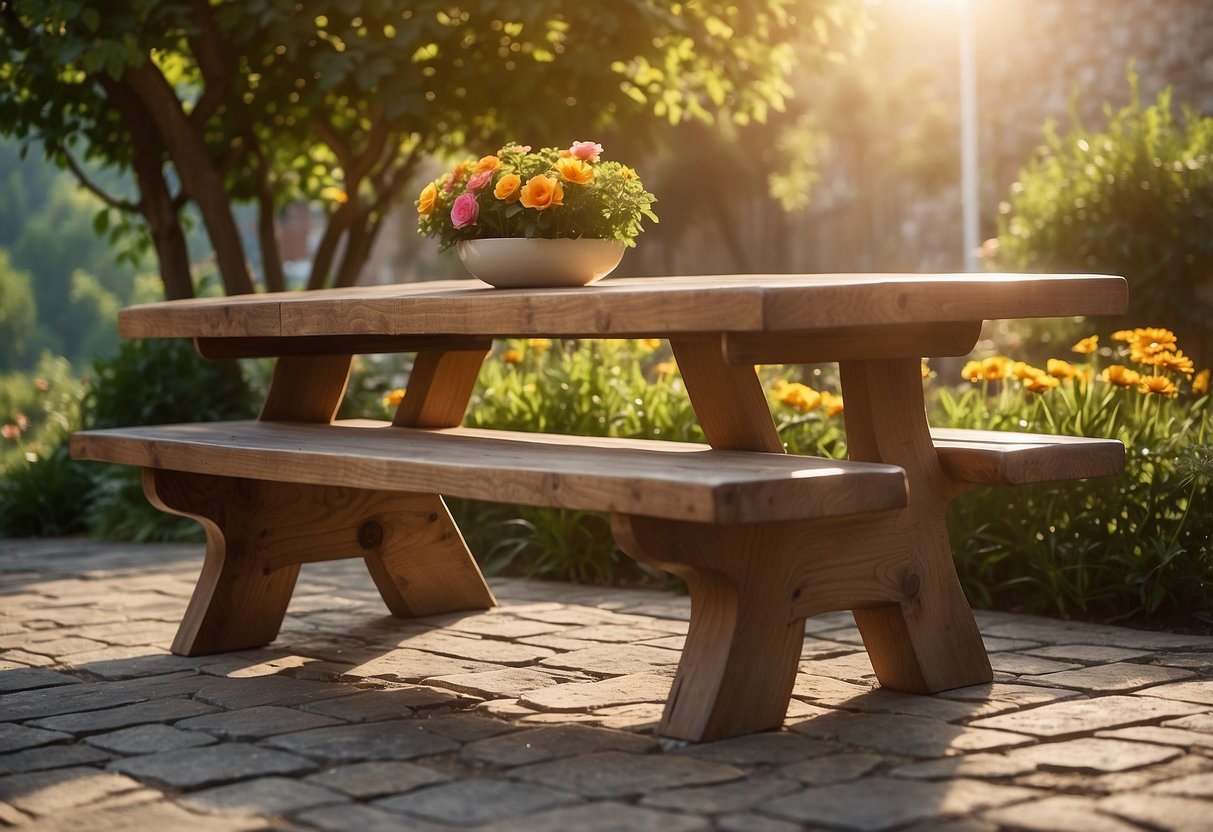
When it comes to outdoor furniture, you want something that is durable, weather-resistant, and easy to maintain. But you also want it to look good and complement your outdoor decor. Whether you’re looking for a classic wooden set or a modern metal design, there are plenty of furniture materials to choose from. In this guide, we’ll explore the pros and cons of different outdoor furniture materials to help you make an informed decision.
Key Takeaways
- Choosing the right material for your outdoor furniture is crucial for its quality, style, and comfort.
- There are many outdoor furniture materials available, each with its own pros and cons.
- Proper care and maintenance can help extend the life of your outdoor furniture.
Choosing the Right Material for Your Outdoor Furniture
When it comes to choosing the right material for your outdoor furniture, there are many factors to consider. You want a material that is durable, comfortable, and stylish. In this section, we will explore the different types of materials available for outdoor furniture and their pros and cons.
Understanding Different Types of Wood
Wood is a popular choice for outdoor furniture due to its natural beauty and durability. Hardwoods such as teak, cedar, acacia, and eucalyptus are popular choices for outdoor furniture. These woods are naturally weather-resistant, making them ideal for outdoor use. However, they require regular maintenance such as oiling, staining, and sealing to prevent rot and mold.

Softwoods such as pine and spruce are also used for outdoor furniture but are less durable than hardwoods and more prone to warping and cracking. If you choose a wood material for your outdoor furniture, make sure to select a hardwood that is sustainably sourced and eco-friendly.
Metal Options for Strength and Durability
Metal is another popular material for outdoor furniture due to its strength and durability. Aluminum is a lightweight and low-maintenance option that is resistant to rust and corrosion. Wrought iron and steel are heavier options that are also durable but require more maintenance to prevent rust.
Stainless steel is a popular choice for outdoor furniture frames due to its resistance to rust and corrosion. Cast iron and cast aluminum are also durable options but are prone to dings and dents.
Synthetic Materials for Modern Outdoor Settings
Synthetic materials such as plastic, resin, and synthetic wicker are popular choices for modern outdoor settings. These materials are fade-resistant, weatherproof, and low maintenance. HDPE and PVC are popular choices for recycled plastic outdoor furniture, while rattan and wicker are popular choices for synthetic wicker outdoor furniture.
When choosing a synthetic material for your outdoor furniture, make sure to select a material that is weather-resistant, water-resistant, and mildew-resistant. These materials are ideal for outdoor furniture as they require minimal maintenance and are long-lasting.
In conclusion, choosing the right material for your outdoor furniture depends on your personal preferences, budget, and style. Consider the weather conditions in your area, the level of maintenance required, and the durability of the material before making your final decision. With the right material, you can create a comfortable and stylish outdoor space that will last for years to come.
Caring for Your Outdoor Furniture

Taking care of your outdoor furniture is essential to ensure its longevity and keep it looking its best. Follow these tips to keep your furniture in great condition for years to come.

Maintenance Tips to Extend Furniture Life
Regular maintenance is crucial to extend the life of your outdoor furniture. Here are some tips to keep in mind:
- Clean your furniture regularly with a soft-bristled brush and mild soap and water. Rinse thoroughly and let it dry completely before using it again.
- Apply a protective finish, such as oil, stain, or seal, to wooden furniture to protect it from the elements.
- Store your furniture indoors during the off-season or cover it with a weather-resistant cover to protect it from rain, sun, and wind.
- Check your furniture regularly for signs of damage, such as rust, mold, mildew, rot, warping, or cracking. Address any issues promptly to prevent further damage.
Protecting Furniture from Weather Elements
Outdoor furniture is exposed to the elements, which can cause damage over time. Here are some tips to protect your furniture from the weather:
- Choose weather-resistant or waterproof materials, such as metal, teak, or resin wicker, for your furniture.
- Apply a protective finish, such as oil, stain, or seal, to wooden furniture to protect it from moisture and sun damage.
- Use a weather-resistant cover to protect your furniture from rain, sun, and wind when it’s not in use.
- Position your furniture in a sheltered area, such as under a canopy or umbrella, to protect it from direct sunlight and rain.
Fabric Choices for Comfort and Durability
Choosing the right fabric for your outdoor furniture is essential for both comfort and durability. Here are some options to consider:
- Sunbrella: This solution-dyed acrylic fabric is fade-resistant, water-resistant, and easy to clean.
- Olefin: This all-weather fabric is fade-resistant, water-resistant, and mildew-resistant.
- Polyester: This low-maintenance fabric is fade-resistant, water-resistant, and affordable.
- Cotton: This natural fabric is comfortable but not weather-resistant. Use it with a weather-resistant cover to protect it from the elements.
By following these tips, you can keep your outdoor furniture looking great and ensure its longevity. Take the time to care for your furniture, and you’ll be able to enjoy it for years to come.
Frequently Asked Questions
What are the best materials for waterproof outdoor furniture?
If you want waterproof outdoor furniture, then you should choose materials that do not absorb water. Some of the best materials for waterproof outdoor furniture are metal, plastic, and glass. These materials do not absorb water and are easy to clean.
Which materials are most suitable for rain-exposed garden furniture?
If you are looking for garden furniture that can withstand rain exposure, then you should choose materials that are resistant to moisture. Some of the best materials for rain-exposed garden furniture are teak, cedar, and metal. These materials are resistant to moisture and can withstand harsh weather conditions.
What is the most durable fabric for outdoor furniture cushions?
The most durable fabric for outdoor furniture cushions is Sunbrella. This fabric is made from acrylic and is resistant to UV rays, water, and stains. It is also easy to clean and maintain.
What is the most robust material for heavy-duty garden furniture?
If you want heavy-duty garden furniture, then you should choose materials that are strong and durable. Some of the most robust materials for heavy-duty garden furniture are wrought iron, steel, and aluminium. These materials are strong and can withstand heavy use.
Which type of outdoor furniture withstands prolonged sun exposure the best?
If you want outdoor furniture that can withstand prolonged sun exposure, then you should choose materials that are resistant to UV rays. Some of the best materials for outdoor furniture that can withstand prolonged sun exposure are metal, plastic, and glass. These materials are resistant to UV rays and do not fade easily.
What materials are known to last the longest for garden furniture?
If you want garden furniture that can last for a long time, then you should choose materials that are durable and resistant to weather conditions. Some of the materials that are known to last the longest for garden furniture are teak, cedar, and wrought iron. These materials are strong, durable, and can withstand harsh weather conditions.