

Old Japanese Style Furniture: A Timeless Addition to Your Home
If you’re looking to add a touch of elegance and simplicity to your home decor, old Japanese style furniture may be just what you need. With its clean lines, minimalist design, and attention to detail, traditional Japanese furniture can transform any space into a serene and beautiful retreat.
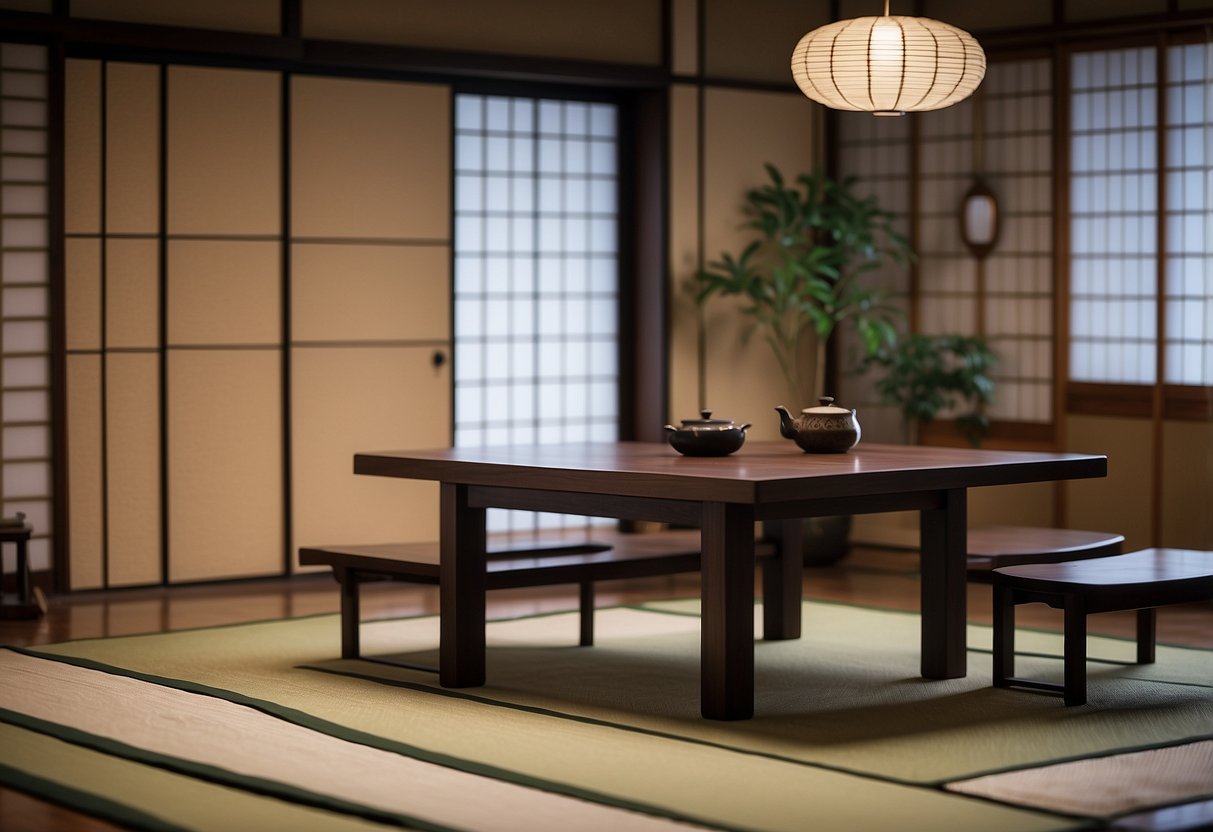
The historical evolution of Japanese furniture is a fascinating journey that spans centuries of craftsmanship and artistry. From the simple and functional tansu chests used by merchants and samurai to the intricate and ornate hibachi used in tea ceremonies, Japanese furniture has a rich and diverse history that reflects the culture and values of the people who created it.
Whether you’re a fan of modern Japanese design or traditional Japanese furniture, there’s something for everyone in the world of Japanese furniture. From the beauty and simplicity of Shibui to the intricate craftsmanship of antique Japanese furniture, there’s no shortage of options to choose from. So why not explore the world of Japanese furniture and discover the timeless beauty and elegance of this unique style?

Key Takeaways
- Japanese furniture has a rich and diverse history that reflects the culture and values of the people who created it.
- Traditional Japanese furniture is known for its clean lines, minimalist design, and attention to detail.
- From modern Japanese design to antique Japanese furniture, there’s something for everyone in the world of Japanese furniture.
Historical Evolution of Japanese Furniture
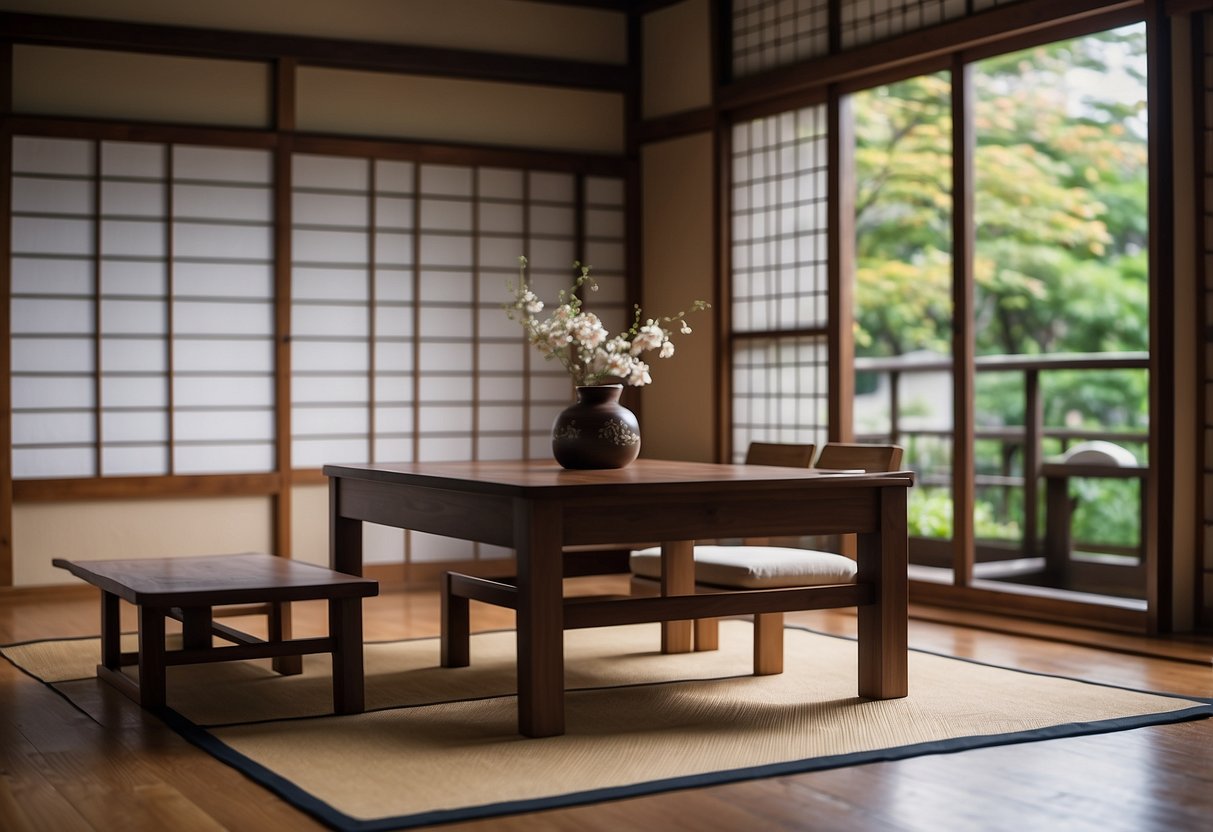
Japanese furniture has a rich history that dates back to ancient times. The furniture has evolved over the years, influenced by various factors such as culture, religion, and materials available. In this section, we will explore the historical evolution of Japanese furniture, highlighting the significant periods and innovations.

Edo Period Influence
The Edo period, which lasted from 1603 to 1868, was a time of peace and prosperity in Japan. During this period, furniture production was refined, and the concept of “tansu” was introduced. Tansu is a traditional Japanese storage chest that was used to store clothing, documents, and valuables. The tansu was made of wood and had several drawers and compartments, making it easy to organize and store items. The tansu became a popular piece of furniture during the Edo period and is still considered a valuable antique today.
The Edo period also saw the emergence of folk art in furniture design. Furniture makers began to incorporate intricate designs, such as flowers and animals, into their pieces. This style of furniture was known as “mingei,” which translates to “folk art.” The mingei movement aimed to promote traditional Japanese crafts and design.
Meiji Period Innovations
The Meiji period, which lasted from 1868 to 1912, was a time of modernization and innovation in Japan. During this period, Japan opened up to the world and began to adopt Western ideas and technologies. This influence was also seen in furniture design, with furniture makers incorporating Western elements into their pieces.
One of the significant innovations of the Meiji period was the introduction of machine-made furniture. This allowed for mass production of furniture, making it more affordable and accessible to the general public. The Meiji period also saw the emergence of new materials, such as metal and glass, being used in furniture design.
Despite the modernization and adoption of Western ideas, traditional Japanese furniture continued to be produced during the Meiji period. Antique pieces from this period often feature a blend of traditional Japanese design elements with modern Western influences.
In conclusion, Japanese furniture has a rich history that spans centuries. From the traditional tansu of the Edo period to the modern innovations of the Meiji period, Japanese furniture has evolved and adapted to changing times. Today, Japanese antiques and tradition continue to be highly valued and sought after by collectors and enthusiasts alike.
Design and Craftsmanship
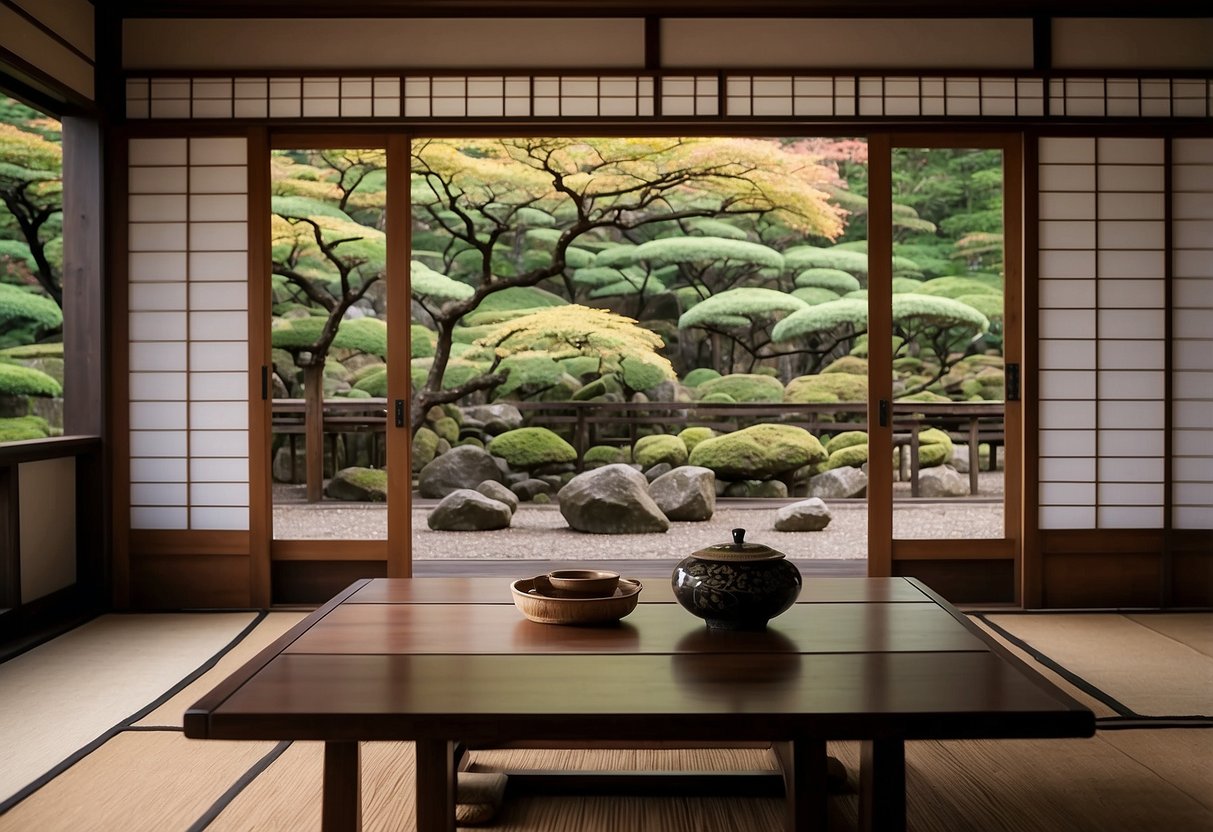
When it comes to old Japanese style furniture, the design and craftsmanship are truly exceptional. The furniture is crafted by skilled artisans who use natural materials and woodwork techniques to create pieces that are not only functional, but also beautiful.
Natural Materials and Woodwork
One of the defining features of old Japanese style furniture is the use of natural materials such as wood. Oak is a popular choice, as it is both durable and beautiful. The wood is often left untreated, allowing its natural beauty to shine through. Woodwork techniques such as joinery and carving are used to create intricate designs and patterns that add to the overall aesthetic of the piece.
Lacquer and Decorative Techniques
Lacquer is another important element of old Japanese style furniture. It is a type of finish that is applied to wood to give it a glossy, durable finish. Lacquer is often used in combination with decorative techniques such as gold leaf and mother-of-pearl inlay. These techniques add a touch of elegance and sophistication to the furniture.
Functional Beauty and Storage Solutions
Old Japanese style furniture is not only beautiful, but also highly functional. Many pieces are designed with storage in mind, such as chests and cabinets that have multiple drawers and compartments. The minimalist aesthetic of the furniture means that it is both practical and visually appealing.
In conclusion, the design and craftsmanship of old Japanese style furniture is truly exceptional. From the use of natural materials and woodwork techniques to the application of lacquer and decorative techniques, every piece is crafted with care and attention to detail. The result is furniture that is not only functional, but also beautiful and timeless.
Frequently Asked Questions
How can I determine the value of traditional Japanese furniture?
Determining the value of traditional Japanese furniture can be a bit tricky, as it depends on several factors such as age, condition, rarity, and provenance. It is recommended to consult with a reputable antique dealer or appraiser who specializes in Japanese furniture to get an accurate appraisal.
Where might one find Japanese-style living room pieces for sale?
You can find Japanese-style living room pieces for sale at various online and physical stores. Some popular options include Muji, Ikea, and Japanese furniture stores like Futon Company. You can also consider looking for second-hand furniture or repurposing existing furniture to fit your Japanese-inspired living room design.
What materials are commonly used in the construction of classic Japanese furniture?
Classic Japanese furniture is often made from natural materials such as wood, bamboo, and rice straw. The use of these materials reflects the Japanese aesthetic of simplicity, harmony, and balance.
What is the significance of low furniture in Japanese culture?
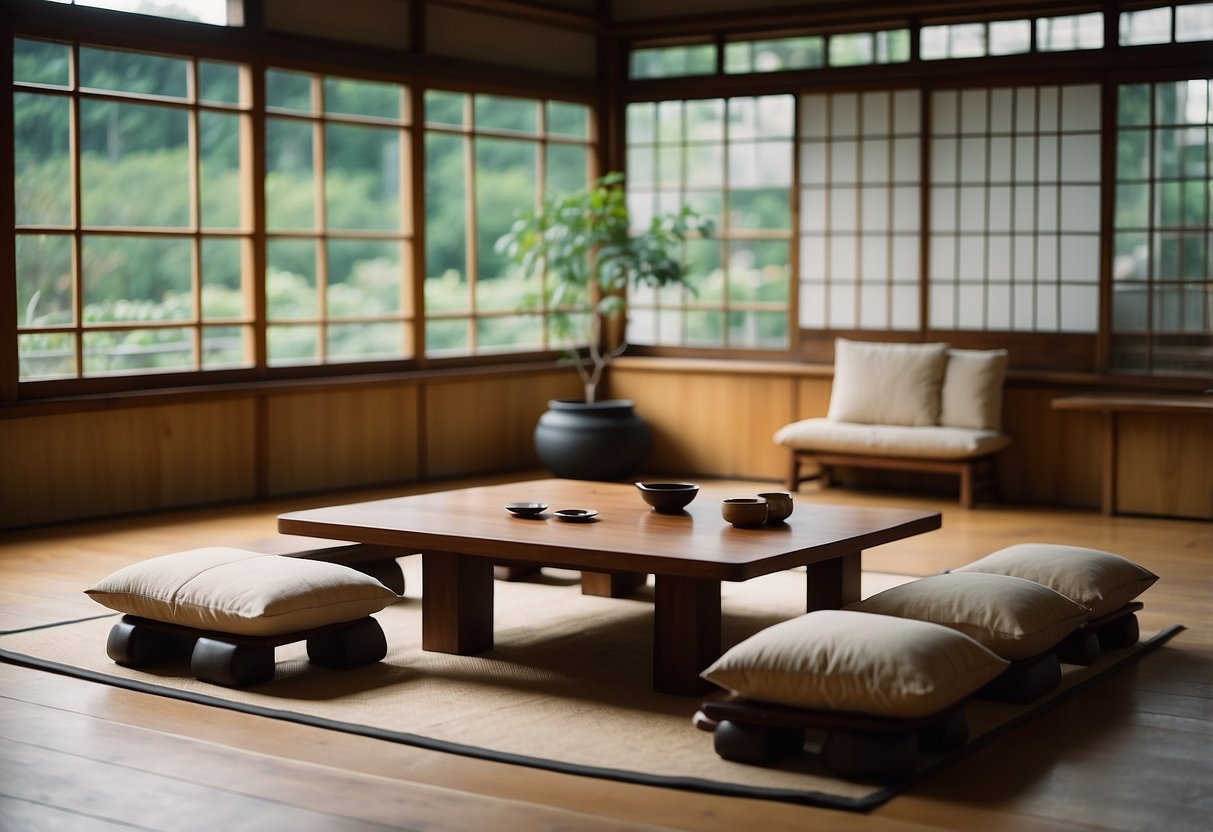
Low furniture is significant in Japanese culture as it reflects the traditional Japanese lifestyle of sitting on the floor. Sitting on the floor is considered more comfortable and promotes better posture than sitting on chairs. Low furniture also creates a sense of intimacy and closeness among people.
Can you suggest affordable options for Japanese-inspired furnishings?
Affordable options for Japanese-inspired furnishings include stores like Ikea and Muji, which offer minimalist and functional furniture at reasonable prices. You can also consider repurposing existing furniture or buying second-hand items.
What are the distinguishing characteristics of a Japanese tansu?
A Japanese tansu is a traditional storage chest that is characterized by its sturdy construction, intricate joinery, and decorative metal hardware. Tansu chests were originally used by Japanese merchants and travelers to store and transport their belongings. The design of a tansu chest varies depending on its intended use and the region it was made in.