

Old Casters for Furniture: A Guide to Choosing and Using Vintage Wheels
Have you ever come across an old piece of furniture with wheels attached to its legs? These are called casters, and they were commonly used on furniture in the past to make it easier to move around. Casters are still used today, but the old ones have a certain charm that is hard to replicate.
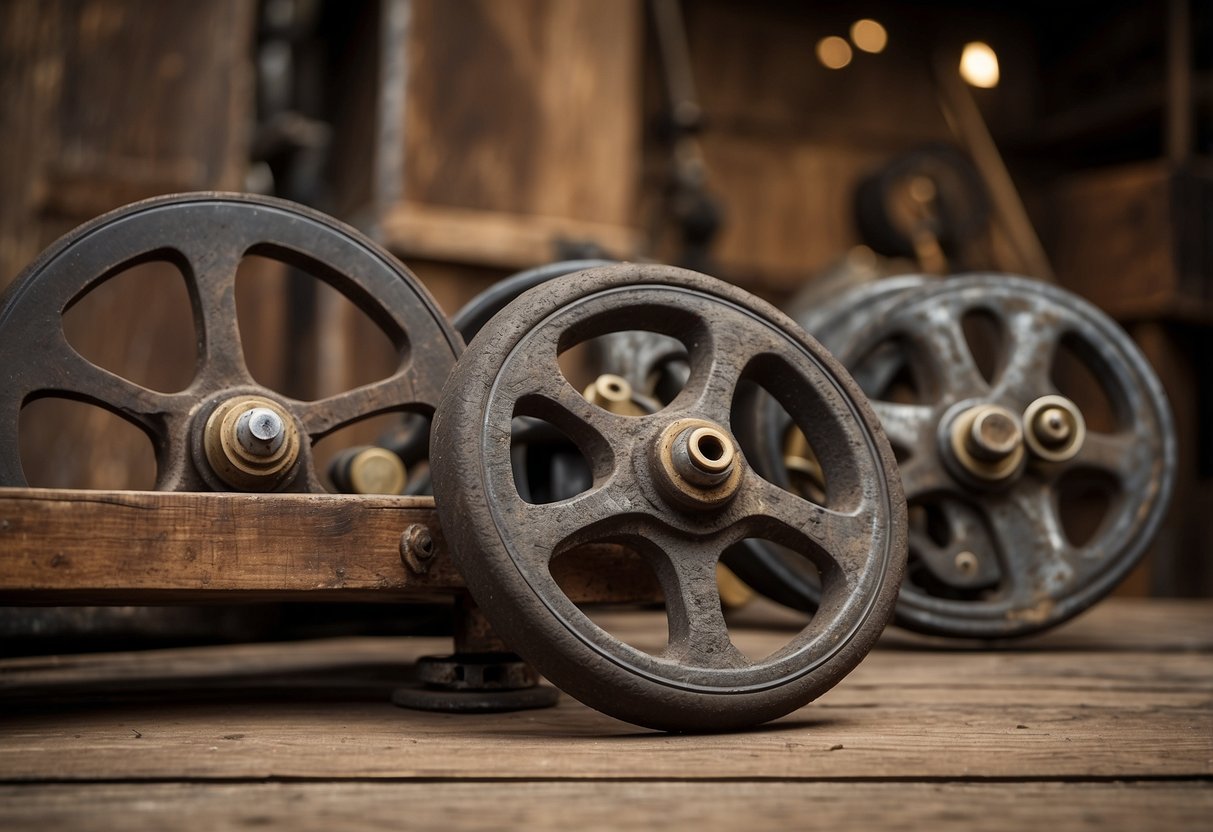
Understanding old casters can be a bit tricky, as there are many different types and styles. Some are made of wood, while others are made of metal, and they can come in a variety of shapes and sizes. If you are interested in incorporating old casters into your furniture, it is important to know what to look for and how to properly install them.
Incorporating casters into furniture can be a fun and creative way to add a unique touch to your home decor. You can use them on anything from coffee tables to bookshelves, and they can be painted or left as is for a rustic look. With a little bit of imagination, you can turn an old piece of furniture into something truly special.

Key Takeaways
- Old casters were commonly used on furniture in the past to make it easier to move around.
- Understanding old casters can be tricky, but it is important to know what to look for and how to properly install them if you want to incorporate them into your furniture.
- Incorporating casters into furniture can be a fun and creative way to add a unique touch to your home decor.
Understanding Old Casters
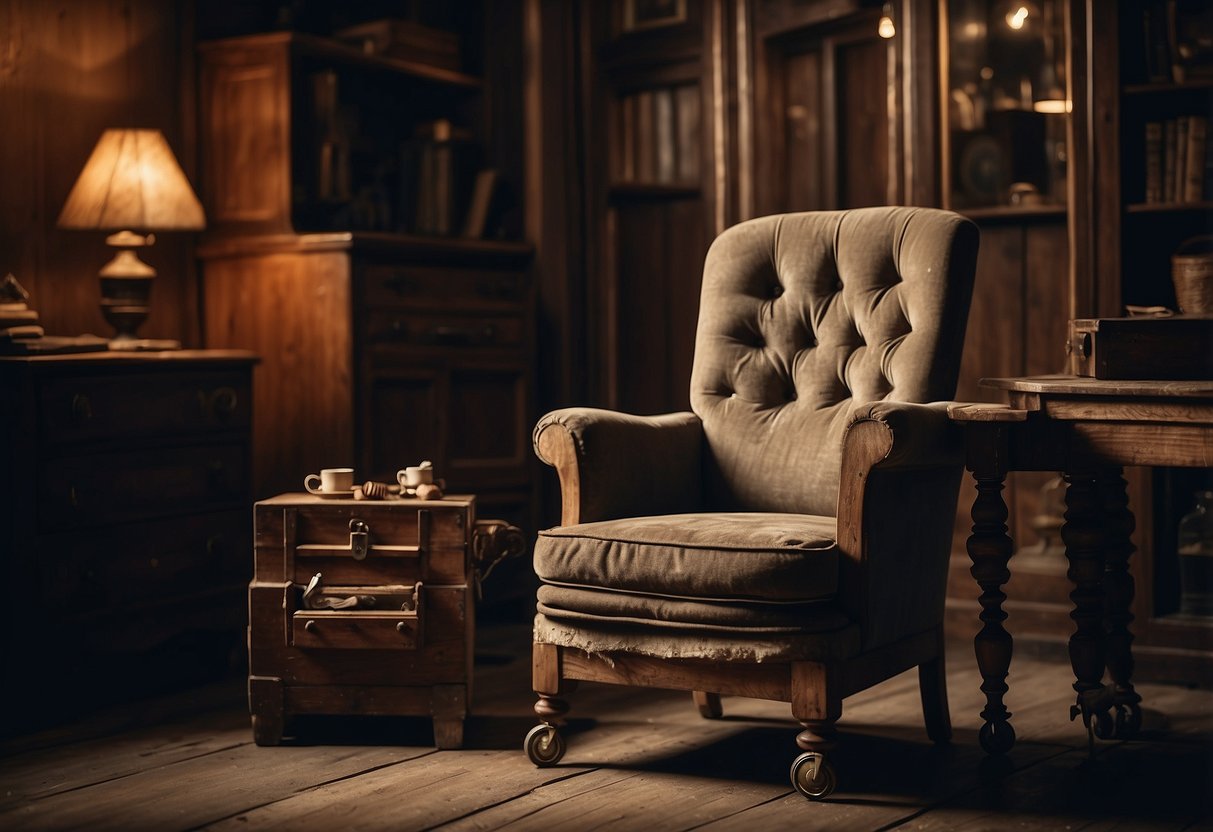
If you’re a fan of antique furniture, you may have noticed the small wheels or casters attached to the legs of some pieces. These old casters, also known as vintage or antique casters, have a rich history and can add both charm and functionality to your furniture.

Types of Vintage Casters
There are several types of vintage casters, each with its own unique design and function. Some of the most common types include stem casters, cup casters, and ball casters.
- Stem casters: These casters have a stem that attaches to the furniture leg. They can come in various materials, such as brass or iron, and can be either swivel or rigid.
- Cup casters: These casters have a cup-shaped housing that holds the furniture leg. They are often made of brass and can be either plain or decorative.
- Ball casters: These casters have a single ball bearing that allows for easy movement in any direction. They are often made of brass or iron and can be either swivel or rigid.
Materials and Construction
Old casters were typically made of solid brass or cast iron, which were both durable and attractive. Solid brass casters were often more expensive, but they were also more ornate and decorative. Cast iron casters, on the other hand, were more utilitarian and were often used on heavier pieces of furniture.
When it comes to construction, vintage casters can be either original or reproduction. Original casters are those that were made during the time period of the furniture piece, while reproduction casters are those that were made later to match the style and design of the original casters.
In conclusion, understanding old casters can help you appreciate the history and craftsmanship of antique furniture. Whether you’re looking to restore an old piece or add some vintage charm to a modern piece, antique casters can be a great addition to your home decor.
Incorporating Casters into Furniture
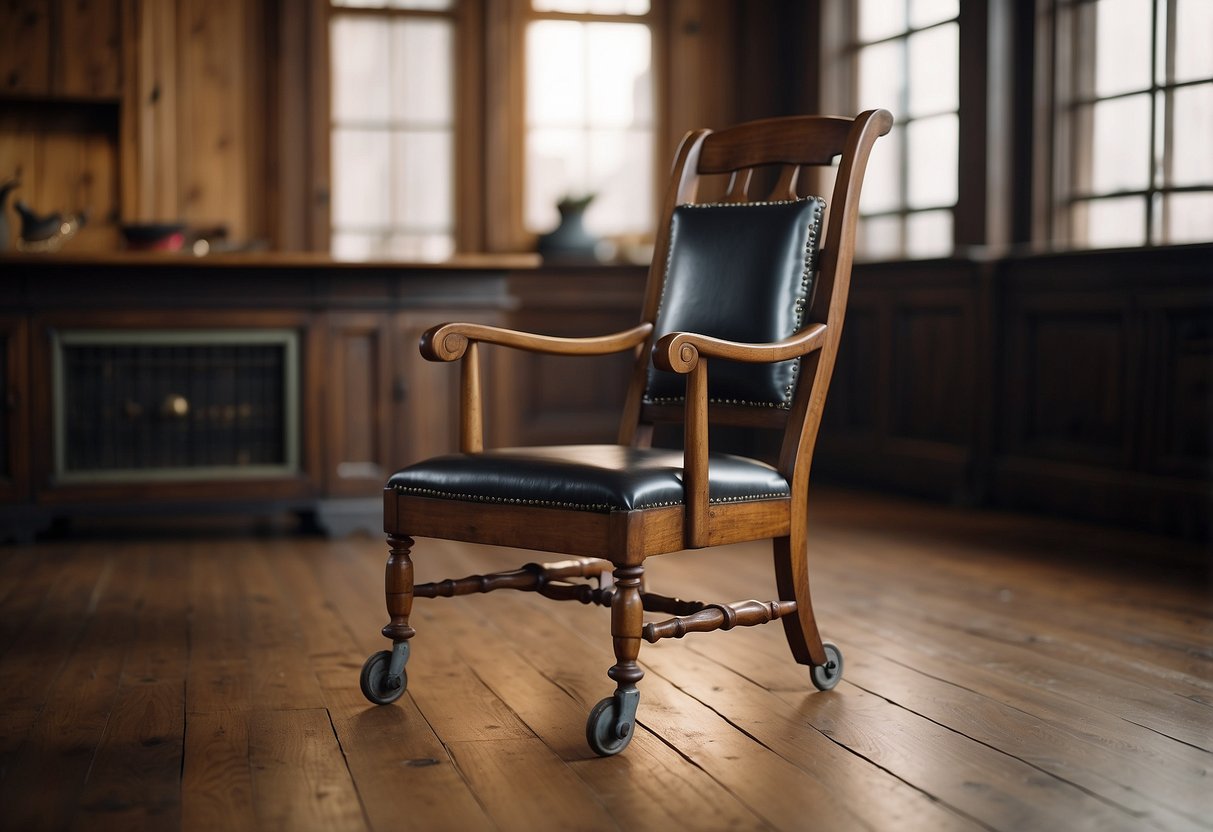
Adding casters to your furniture can be a great way to increase mobility and functionality. Whether you’re looking to make your chairs more mobile or your tables more versatile, casters can be a great addition. Here are a few tips for incorporating casters into your furniture:
Installation Tips
When installing casters on your furniture, it’s important to choose the right type of caster for the job. Make sure to select casters that are appropriate for the weight and size of your furniture. You should also consider the type of flooring that your furniture will be moving on. Hardwood floors, for example, require casters with soft treads to prevent scratches and damage.
To install your casters, you’ll need to attach them to the furniture legs using screws. Make sure to use screws that are the appropriate length for your furniture legs, and be careful not to over-tighten them. Over-tightening can damage the furniture leg and make it difficult to remove the caster later.
Caster Maintenance and Care
To keep your casters working smoothly, it’s important to maintain them properly. Regular cleaning can help prevent dirt and debris from clogging the caster mechanism and causing it to malfunction. You should also check your casters periodically to make sure that they are securely attached to the furniture leg.
If your casters have a grip neck, make sure to lubricate it periodically to keep it working smoothly. You should also check the caster wheel periodically to make sure that it is rolling smoothly and not wobbling or vibrating. If you notice any issues with your casters, such as difficulty rolling or excessive noise, it may be time to replace them.
Incorporating casters into your furniture can be a great way to increase mobility and functionality. By following these tips for installation and maintenance, you can ensure that your casters work smoothly and reliably for years to come.
Frequently Asked Questions
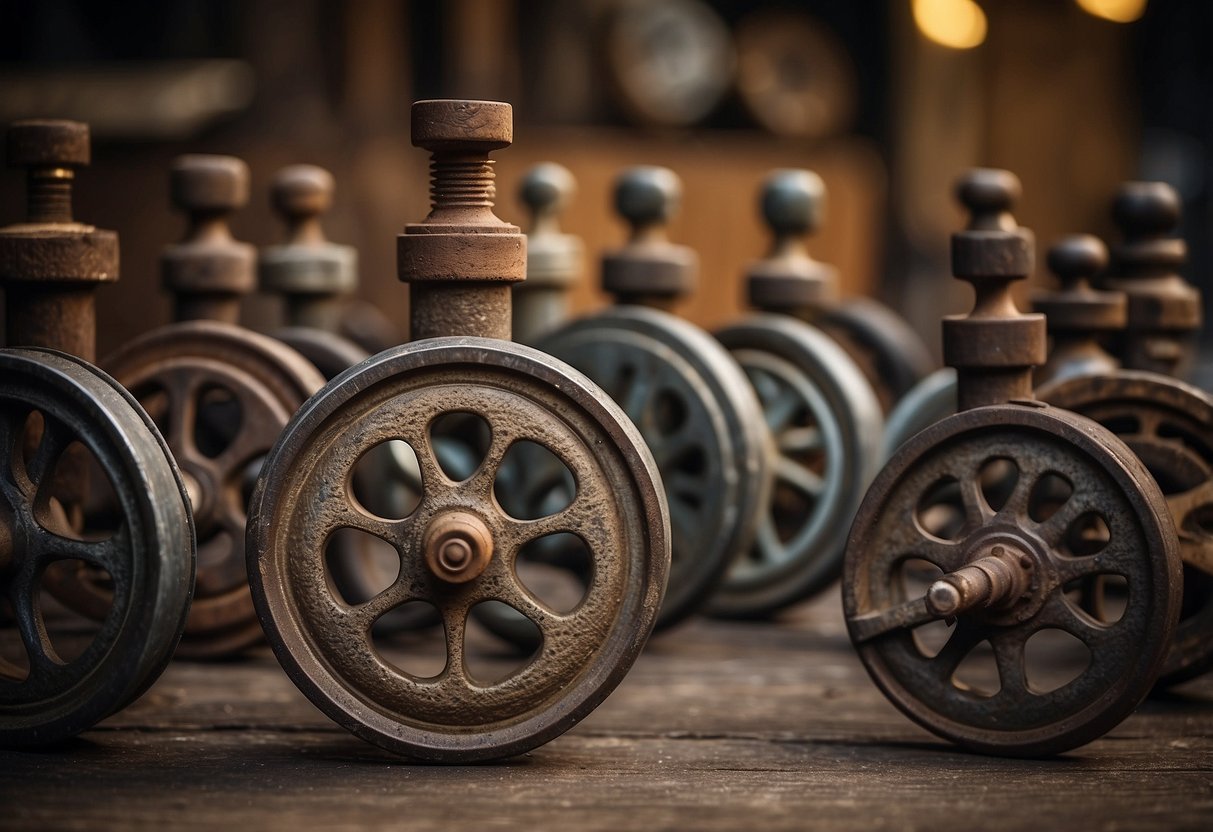
How can I identify the era of my antique furniture casters?
Identifying the era of your antique furniture casters can be challenging, but there are a few things you can look for. For example, casters made before the 1700s were typically made of wood, while those made in the early 1700s were made of leathern rollers or bowls. Casters made in the late 1700s were typically made of brass. However, it is always best to consult with a professional antique appraiser to get an accurate identification.
Where might one find antique casters for sale?
Antique casters can be found at antique stores, flea markets, and online auctions. You can also search for them on websites that specialize in antique furniture and accessories.
What are the different types of casters suitable for furniture?
There are various types of casters suitable for furniture, including swivel casters, rigid casters, and dual-wheel casters. Swivel casters allow for greater mobility, while rigid casters provide stability. Dual-wheel casters are a combination of both and are suitable for heavy furniture.
Can you recommend sources for reproduction casters that match antique styles?
There are many sources for reproduction casters that match antique styles. Some of the most popular include Van Dyke’s Restorers, House of Antique Hardware, and Paxton Hardware.
What are the best practices for attaching casters to vintage furniture?
When attaching casters to vintage furniture, it is best to use screws that are the appropriate length and thickness for the furniture. Make sure to drill pilot holes to prevent splitting the wood. Additionally, it is important to distribute the weight of the furniture evenly across all of the casters to prevent damage.
How do brass wheels compare to other materials for furniture mobility?
Brass wheels are an excellent choice for furniture mobility because they are durable, long-lasting, and aesthetically pleasing. However, they can be more expensive than other materials such as rubber or plastic. It is important to consider the weight of the furniture and the type of surface it will be rolling on when choosing the appropriate material for your casters.