Banned from Licensed Money Lender from Blessed Grace: What You Need to Know
Getting banned from licensed moneylenders is a serious issue that many domestic workers face, often leading them to a web of financial troubles. Blessed Grace Social Services has been stepping in to assist those in dire straits, helping over 520 Filipino foreign domestic workers trapped in debt due to moneylenders. If you’re struggling with debt from licensed moneylenders, there are resources available to help you navigate these challenges and find support.


One helpful step is verifying if a moneylender is licensed. Licensed moneylenders adhere to certain regulations, but unlicensed moneylenders can be more predatory. For example, hefty penalties for late payments are not uncommon, causing deeper financial woes. Knowing your rights and the legitimacy of the lender can prevent further financial stress.
Moreover, domestic workers can take proactive measures such as getting their employers to bar them from taking loans from licensed moneylenders. This safeguard can protect against falling into debt cycles and ensure financial stability. Empowering yourself with knowledge and resources can make a world of difference in managing and avoiding debt.
Key Takeaways
- Knowing your lender’s licensing status is crucial.
- Seek help from organisations like Blessed Grace Social Services.
- Employers can help restrict access to loans for domestic workers.
Understanding Licensed Moneylending

When borrowing from licensed moneylenders, it’s crucial to know the rules and regulations that govern these loans, the borrowing process, the types of loans available, and how to manage financial difficulties. This guide will provide a clear overview of each of these areas.

Legislation and Regulation
Licensed moneylending in Singapore is governed by the Moneylenders Act and enforced by the Ministry of Law. These regulations ensure that borrowers are treated fairly and transparently. Key regulations include the maximum amount you can borrow, interest rates, and the handling of late payments. All licensed moneylenders must comply with these laws to provide transparent loan terms and protect borrowers from exploitation.

Requirements and Borrowing Process
To borrow from a licensed moneylender, you need to be aware of the specific requirements. You must verify the list of licensed moneylenders from the Ministry of Law. When applying, you’ll need your NRIC Card and sometimes your SingPass for identity verification. The process involves submitting a loan application, undergoing due diligence, and signing a loan contract detailing the principal loan amount, interest rates, and repayment schedule. Legal costs and loan approval fees are usually detailed upfront.
Loan Types and Terms
Licensed moneylenders offer both secured and unsecured loans. Secured loans require collateral, while unsecured loans don’t. Interest rates are capped to prevent exorbitant charges. Typically, you’ll encounter standard personal loans, payday loans, and business loans. The terms include the repayment period, interest rates, and late payment fees. It’s important to read and understand the loan agreement thoroughly to avoid surprises.
Dealing with Financial Difficulties
If you face issues repaying your loan, it’s vital to act quickly. Communicate with your moneylender to discuss repayment options. Penalties for late payments can add up due to late fees and late interest. For help, you can seek assistance from Credit Counselling Singapore for guidance on good money management practices. Avoid unlicensed moneylenders as they can resort to harmful methods to recover debts, causing further debt problems.
Resources and Assistance for Borrowers
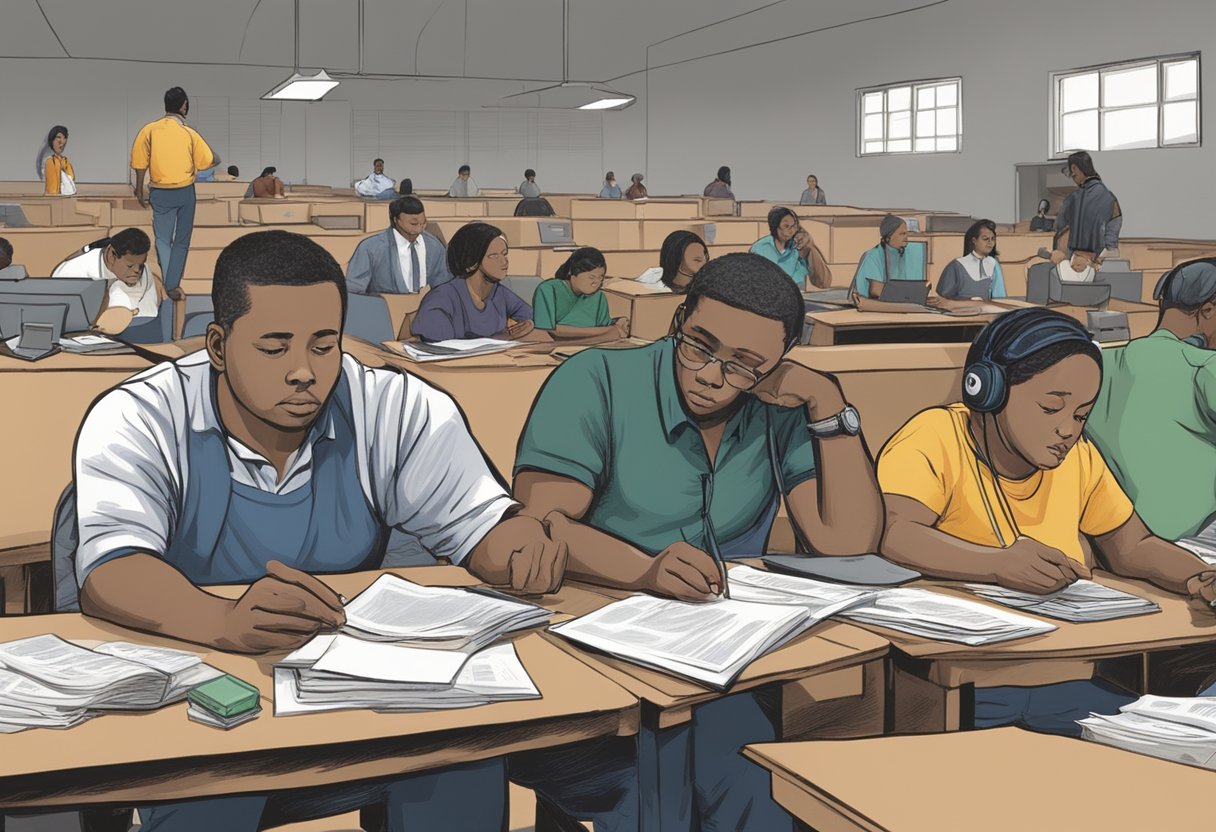
There are several resources and assistance available for borrowers facing difficulties with licensed moneylenders. These include debt advisory services, special provisions for foreign borrowers, and safeguards against harassment and abuse.
Debt Advisory and Management Support
If you are struggling with repayment, organisations like the Credit Association of Singapore and Credit Counselling Singapore can provide support. They offer advice on managing debt and creating a repayment plan.
Blessed Grace Social Services and Adullam Life Counselling also offer counselling and financial advice. They can help you understand your financial situation better and explore ways to manage your debt.
Seeking help early can prevent your debt from growing unmanageable. Don’t hesitate to reach out to these services if you need assistance.
Foreign Borrowers in Singapore
Foreign borrowers, including foreign domestic workers and other low-income foreigners, face unique challenges. The Ministry of Manpower offers the Settling-In Programme to help workers understand their rights and financial options.

Arise2Care Community Services and the Centre for Domestic Employees provide specific support for foreign workers. They offer advice and help in managing debt, and can guide you in addressing any issues with your lender.
Employers also play a crucial role. They can support their employees by providing financial literacy education and helping them access counselling services.
Safeguards Against Harassment
Borrowers are protected from harassment by both legal measures and support services. If you face threats or abusive language from a lender, you can report this to the Singapore Police Force.
Organisations like Blessed Grace Social Services can offer assistance and guide you on how to take action. The Ministry of Law has regulations in place that prohibit lenders from using unethical collection methods.
If you experience harassment, know your rights and seek support. There are enforcement actions in place to protect you from abusive practices.
Frequently Asked Questions
This section answers common questions about getting banned from licensed money lenders such as Blessed Grace and provides vital information on dealing with licensed and unlicensed money lenders in Singapore.
What does it mean to be banned from a licensed money lender like Blessed Grace?
Being banned from a licensed money lender means you are restricted from taking out loans with them. This often results from failure to repay previous loans or a history of poor financial behaviour.
What are the new regulations surrounding licensed money lenders?
New regulations include stricter rules for loan agreements and debt collection methods. Licensed money lenders must follow these guidelines to operate legally and ethically. Violations can lead to penalties or loss of their licence.
How can I identify blacklisted money lenders in Singapore?
To identify blacklisted money lenders, check the Ministry of Law’s website for updates. They regularly publish lists of licensed and unlicensed money lenders. Avoid anyone not on the approved list.
What are my options if I experience harassment by a licensed money lender?
If you experience harassment, report it to the Registry of Moneylenders at 1800-2255-529 or through their website. The Registry will investigate your complaint and take action against the lender if necessary.
Where can I find a comprehensive list of licensed money lenders?
You can find a comprehensive list of licensed money lenders on the Ministry of Law’s website. Regularly updated, this list includes all approved money lenders in Singapore.
What are the best steps to take when dealing with an unlicensed moneylender?
When dealing with unlicensed money lenders, avoid engaging with them. Report their activities to the Police immediately as they often use illegal methods to collect debts, such as harassment.