

Mixing Dark and Light Wood Furniture in Your Living Room: A Guide to Achieving Balance
Mixing dark and light wood furniture in your living room can be a challenging task. It is important to strike the right balance between the different wood tones to create a cohesive and harmonious look. While it may seem daunting, with a few design tips and tricks, you can successfully mix dark and light wood furniture to create a stunning and inviting space.
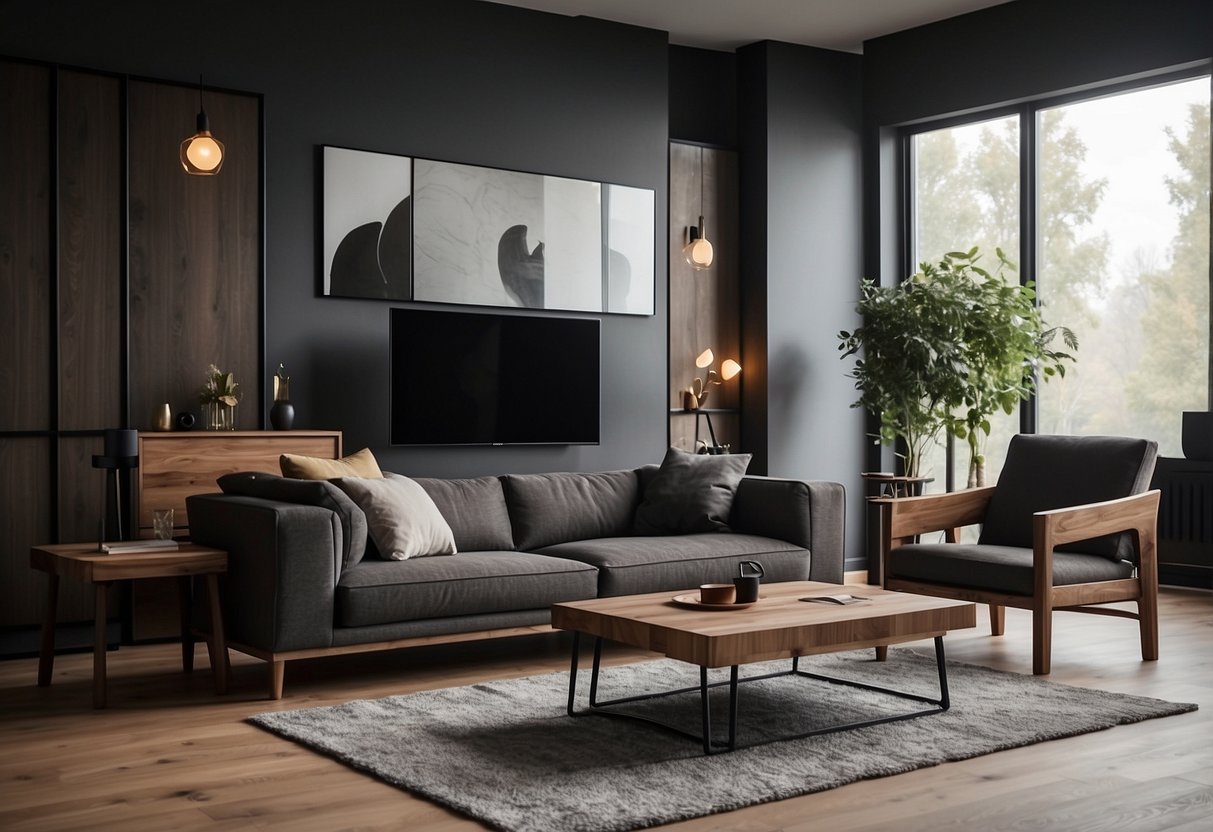
When designing with mixed wood tones, start by determining the dominant tone in the room. This could be a warm, cool, or neutral tone. Once you have identified the dominant tone, use it as a guide to incorporate similar tones through your decorative accents. For example, if your dominant tone is warm, you can add warm-toned accessories such as throw pillows, curtains, and rugs to tie the room together.
Accessorising and finishing touches are also essential when mixing dark and light wood furniture. Consider adding metallic accents such as brass or gold to add a touch of glam to the space. You can also add pops of colour through artwork, decorative objects, or even plants to add interest and depth to the room. With these design tips, you can create a beautiful and inviting living room that perfectly balances dark and light wood furniture.

Key Takeaways
- Identify the dominant tone in the room to guide your wood furniture choices and decorative accents.
- Use metallic accents and pops of colour to add interest and depth to the space.
- With the right design tips, you can create a beautiful and inviting living room that perfectly balances dark and light wood furniture.
Designing with Mixed Wood Tones
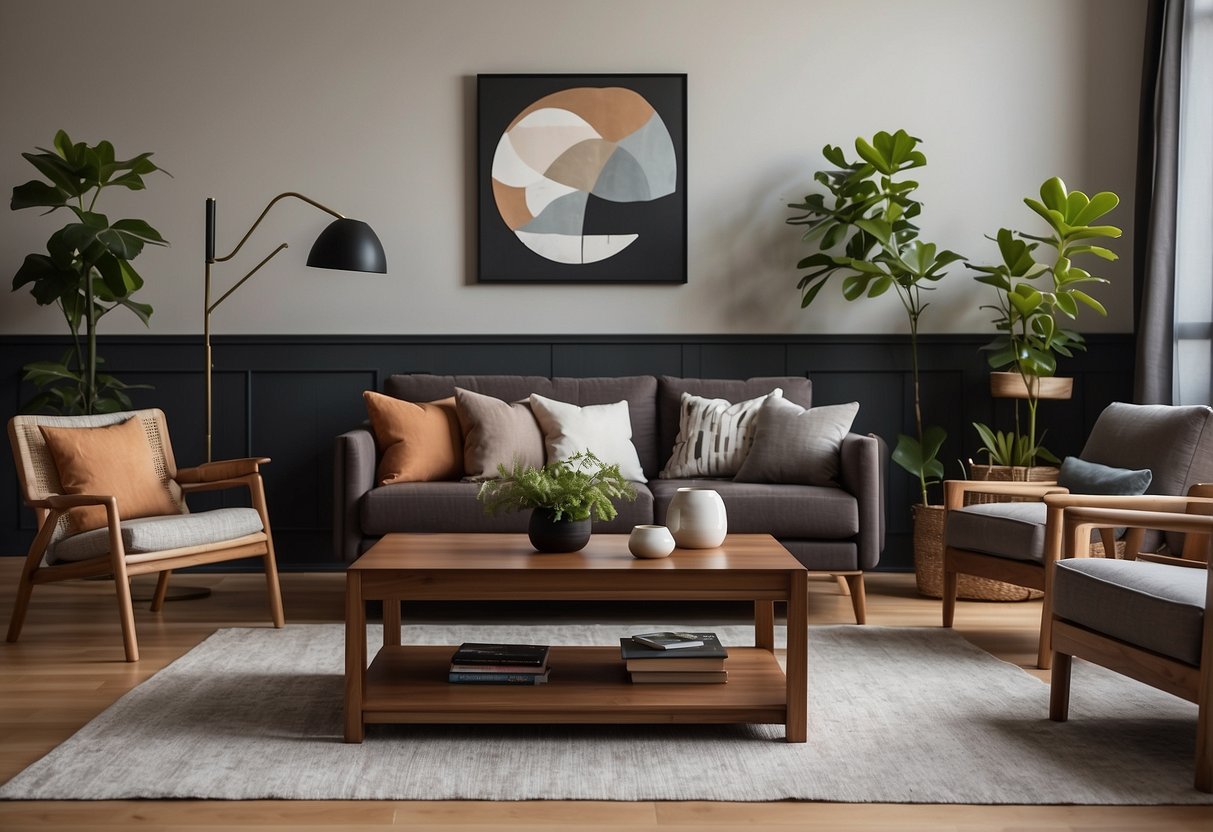
When it comes to interior design, mixing wood tones can add warmth, depth, and interest to your living room. However, it can be tricky to get it right. Here are some tips to help you design with mixed wood tones:

Understanding Undertones and Contrast
Before you start mixing wood tones, it’s important to understand undertones and contrast. Undertones are the subtle hues that are present in wood, such as red, yellow, or grey. When you mix wood tones, you want to make sure that the undertones complement each other. For example, if you have a dominant wood tone that has warm undertones, you can mix it with a wood tone that has cool undertones to create contrast and balance.
Creating Balance and Harmony
When mixing wood tones, it’s important to create balance and harmony in your living room. One way to do this is to use a dominant wood tone as a starting point and then mix in other wood tones that complement it. For example, if you have a dark wood coffee table, you can mix in lighter wood tones for your side tables or bookshelves. This will create balance and prevent your living room from looking too heavy or too light.
Selecting Complementary Furniture Pieces
When selecting furniture pieces for your living room, it’s important to consider how they will complement your mixed wood tones. Look for furniture pieces that have similar undertones or that provide contrast to your dominant wood tone. For example, if you have a warm-toned wood floor, you can mix in a cool-toned sofa or armchair to create contrast and interest.
In summary, mixing wood tones can add warmth, depth, and interest to your living room. To do it right, you need to understand undertones and contrast, create balance and harmony, and select complementary furniture pieces. By following these tips, you can create a beautiful and cohesive living room that showcases your style and personality.
Accessorising and Finishing Touches
Choosing the Right Rug and Textiles
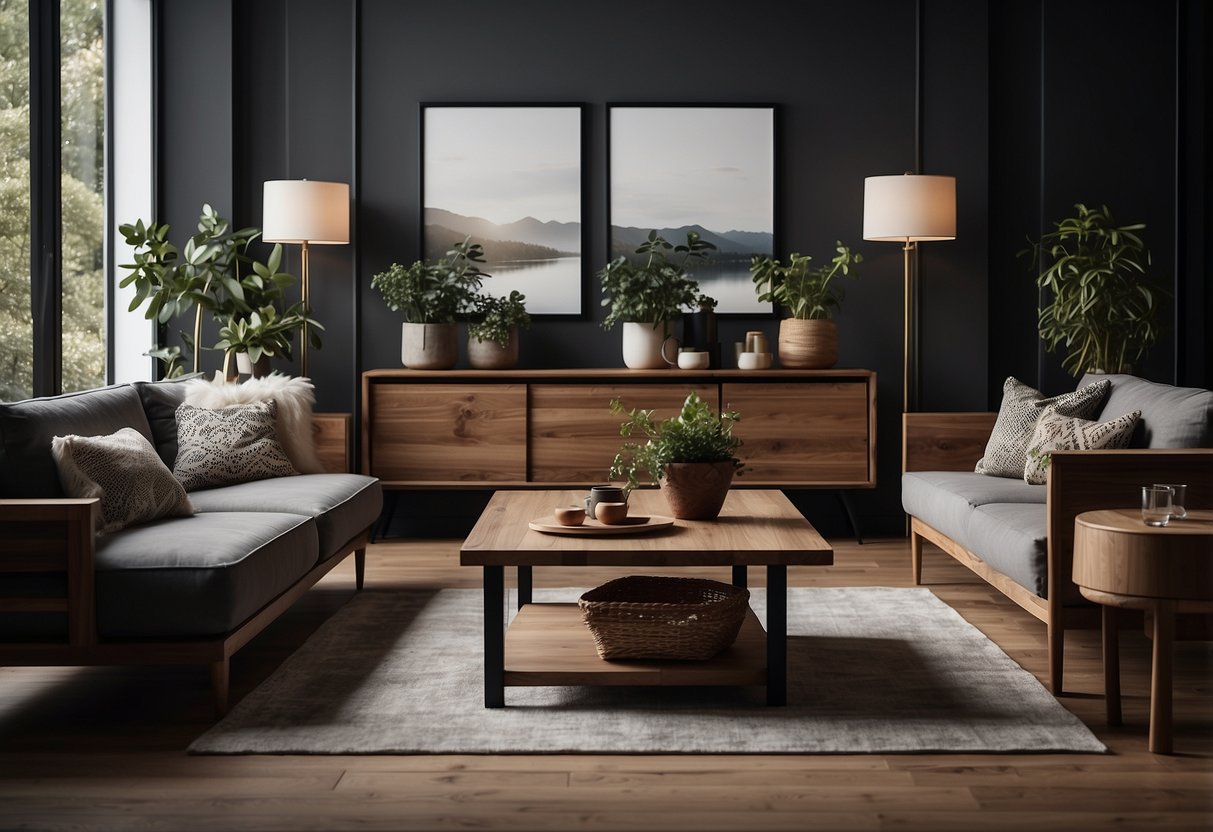
When it comes to mixing dark and light wood furniture in your living room, choosing the right rug and textiles can make a big difference. A rug can help to tie the room together and add a pop of colour or pattern to the space. Consider a rug with a neutral base colour, such as beige or grey, and add in accents of your chosen accent colour to create a cohesive look.
In terms of textiles, throw pillows and blankets can also help to add visual interest to the room. Mixing textures, such as a chunky knit throw with a smooth velvet pillow, can create an airiness to the space and add dimension.
Incorporating Accent Colours and Decor
Adding accent colours and decor can help to break up any monotony in the room and add some personality. Choose a colour that complements both the dark and light wood tones in the room, such as a muted blue or green. Use this colour sparingly throughout the space, through decor such as vases, artwork, or even a statement armchair.
Lighting and Fixtures for Added Dimension
Lighting and fixtures can also help to add dimension to the room. Consider adding a statement light fixture, such as a chandelier or pendant light, to draw the eye upward and create a focal point. Additionally, using lamps throughout the room can help to create a warm and inviting atmosphere.
When it comes to mixing dark and light wood furniture in your living room, it’s important to remember the key to success is repetition. Use the same wood finishes throughout the space to create a cohesive look. However, don’t be afraid to mix in different wood tones to add visual interest. By incorporating the right accessories and finishing touches, you can create a space that is both stylish and functional.
Frequently Asked Questions

How can I effectively combine light and dark wood furniture in my living room?
To effectively combine light and dark wood furniture in your living room, start by considering the overall colour scheme of the room. If you have light-coloured walls, you may want to incorporate darker furniture to add contrast and depth to the space. Alternatively, if your walls are already dark, lighter furniture can help to balance the room.
Another way to mix light and dark wood furniture is to use a unifying element, such as a rug or throw pillows, that incorporates both colours. This can help tie the room together and create a cohesive look.
What are the best practices for mixing different shades of wood furniture?
When mixing different shades of wood furniture, it’s important to consider the undertones of each piece. Look for pieces that have similar undertones, such as warm or cool tones, to create a harmonious look.
You can also mix different shades of wood by using a unifying element, such as a piece of artwork or a decorative object, that incorporates both colours. This can help tie the room together and create a cohesive look.
Can you suggest ways to match light wood floors with dark wood furniture?
To match light wood floors with dark wood furniture, consider using a rug that incorporates both colours. This can help tie the room together and create a cohesive look.
Another way to mix light wood floors with dark wood furniture is to use a unifying element, such as a piece of artwork or a decorative object, that incorporates both colours. This can help tie the room together and create a cohesive look.
What should I consider when blending warm and cool wood tones in my living room?
When blending warm and cool wood tones in your living room, consider using a unifying element, such as a rug or throw pillows, that incorporates both warm and cool colours. This can help tie the room together and create a cohesive look.
Another way to mix warm and cool wood tones is to use a neutral colour, such as white or beige, as a unifying element. This can help balance the room and create a harmonious look.
Is it acceptable to mix white and dark wood furniture in a living space?
Yes, it is acceptable to mix white and dark wood furniture in a living space. In fact, mixing different colours and textures can add interest and depth to a room.
To create a cohesive look, consider using a unifying element, such as a rug or throw pillows, that incorporates both colours. This can help tie the room together and create a cohesive look.
Do all the pieces of wood furniture in a room need to match for a cohesive look?
No, all the pieces of wood furniture in a room do not need to match for a cohesive look. In fact, mixing different colours and textures can add interest and depth to a room.
To create a cohesive look, consider using a unifying element, such as a rug or throw pillows, that incorporates both colours. This can help tie the room together and create a cohesive look.