

Mid Century Modern Furniture Makers Marks: A Guide for Identifying and Understanding
If you’re a fan of mid-century modern furniture, you know that one of the keys to identifying authentic pieces is understanding furniture makers marks. These marks can provide important clues about the manufacturer, designer, and production date of a piece. But deciphering them can be tricky, especially if you’re new to the world of mid-century modern furniture.
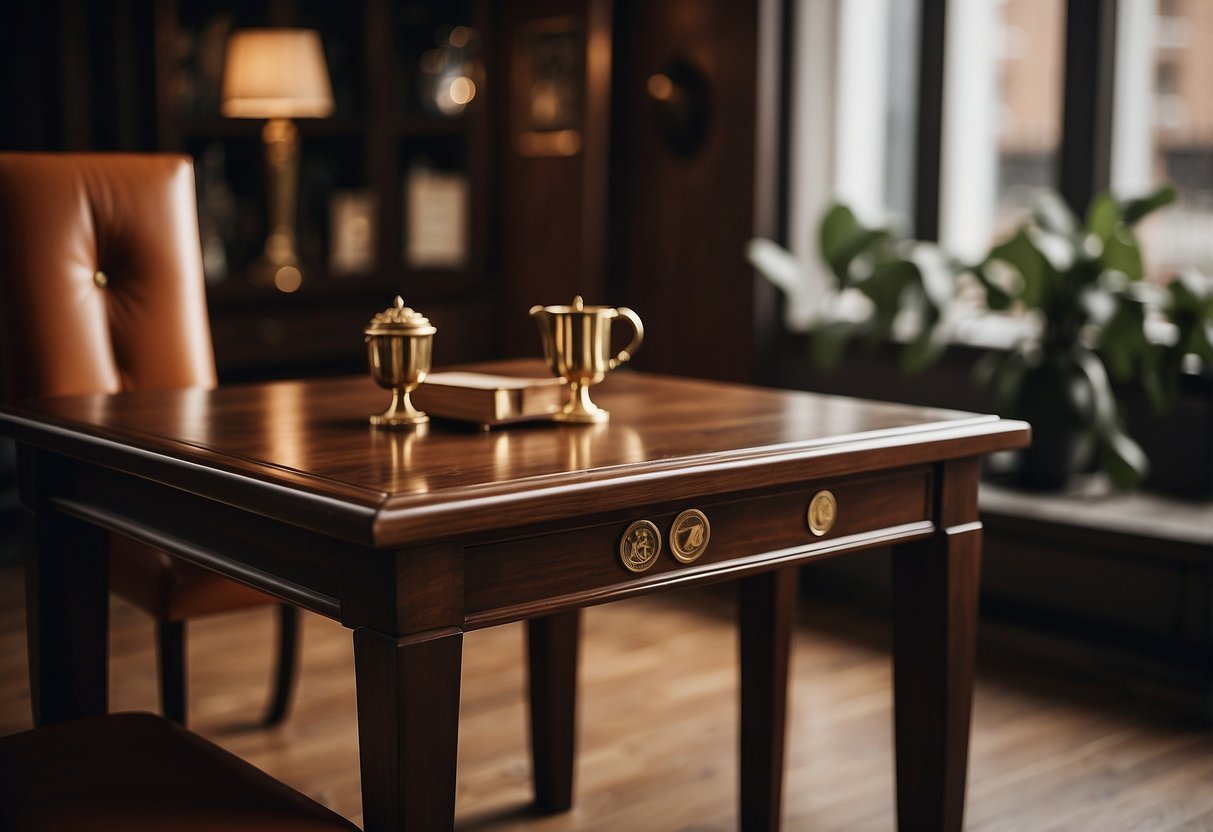
Fortunately, with a little bit of knowledge and some careful observation, you can learn to read these marks like a pro. In this article, we’ll introduce you to the icons of mid-century modern furniture, and show you how to identify their work by examining furniture makers marks. We’ll also answer some frequently asked questions about these marks, so you can feel confident when shopping for mid-century modern furniture.
Whether you’re a collector, a dealer, or just someone who appreciates the timeless style of mid-century modern furniture, understanding furniture makers marks is an essential skill. So, let’s get started!

The Icons of Mid-Century Modern Furniture
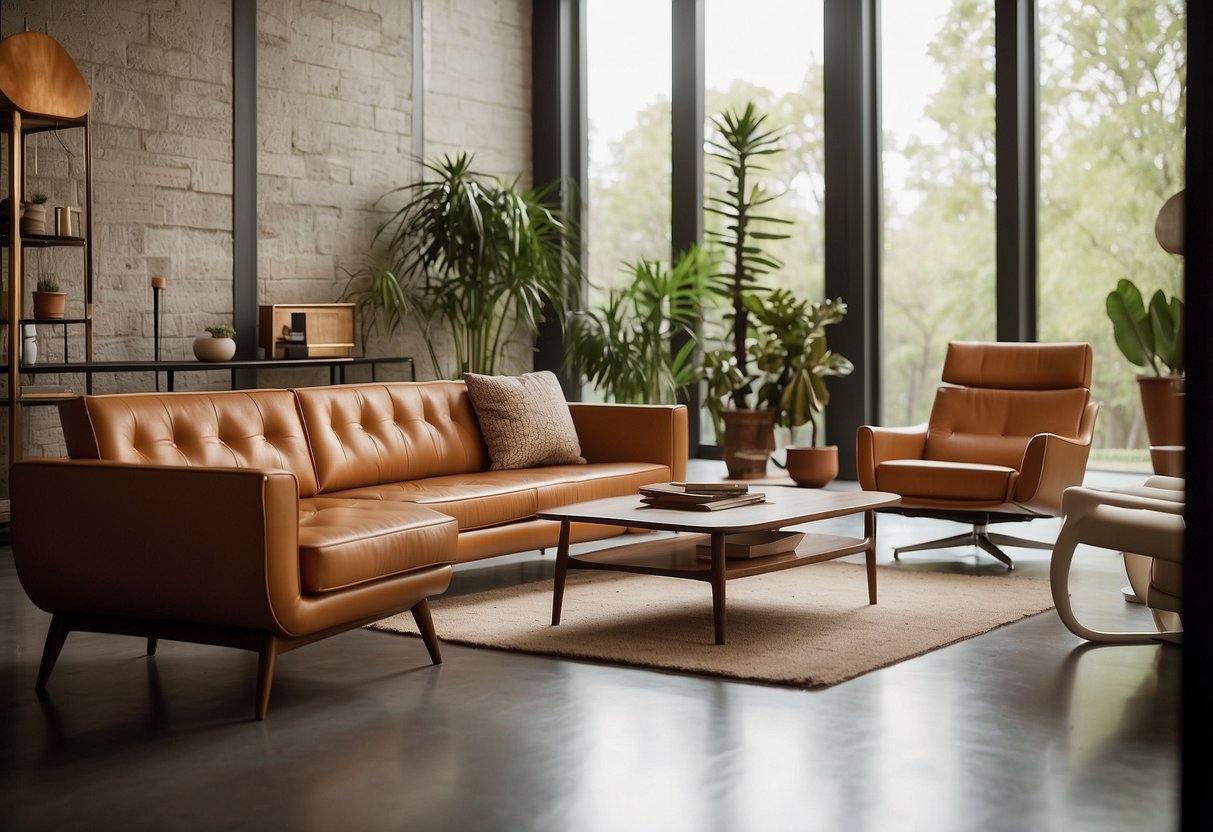
Mid-century modern furniture is known for its simplicity, functionality, and sleek design. The furniture pieces of this era are still popular and sought after today. Here are some of the most iconic mid-century modern furniture designers and their legacies.

Charles and Ray Eames’ Legacy
Charles and Ray Eames were American designers who made a significant impact on mid-century modern design. They were known for their innovative use of materials, such as plywood, fiberglass, and plastic. Their designs were also characterized by organic shapes and clean lines.
The Eames Lounge Chair and Ottoman is one of their most famous designs. It was first introduced in 1956 and has since become an icon of mid-century modern design. The chair’s luxurious leather upholstery and sleek wood frame make it a timeless piece of furniture.
Scandinavian Influence: From Wegner to Jacobsen
Scandinavian designers also played a significant role in mid-century modern furniture design. Hans Wegner, a Danish architect, was one of the most influential designers of this era. He was known for his use of natural materials and his focus on functionality.
Wegner’s Wishbone Chair is one of his most famous designs. It features a distinctive Y-shaped backrest and a woven seat. The chair’s simple design and natural materials make it a classic example of mid-century modern design.
Another influential Scandinavian designer was Arne Jacobsen. He was known for his minimalist designs and his use of industrial materials. His Egg Chair, designed in 1958, features a curved shape that is both comfortable and stylish.
The Italian Masters: Breuer, Ponti, and Castiglioni
Italian designers also made significant contributions to mid-century modern furniture design. Marcel Breuer was a Hungarian-born designer who worked in Italy. He was known for his use of tubular steel and his focus on simplicity.
Breuer’s Wassily Chair, designed in 1925, is one of his most famous designs. It features a sleek tubular steel frame and leather upholstery. The chair’s minimalist design and industrial materials make it a classic example of mid-century modern design.
Gio Ponti and Achille Castiglioni were also influential Italian designers. Ponti was known for his use of bright colours and bold patterns, while Castiglioni was known for his playful and innovative designs.
In conclusion, mid-century modern furniture design was characterized by simplicity, functionality, and sleek design. The furniture pieces of this era are still popular and sought after today. Charles and Ray Eames, Hans Wegner, Arne Jacobsen, Marcel Breuer, Gio Ponti, and Achille Castiglioni were some of the most influential designers of this era. Their designs continue to inspire and influence contemporary furniture design.
Understanding Furniture Makers Marks
If you are a collector of mid-century modern furniture, you know that identifying furniture makers’ marks is essential for determining the authenticity and value of a piece. Makers’ marks are the equivalent of antique trademarking, and they allow craftsmen and manufacturers to take credit for creating a beautiful piece of furniture.
Decoding Marks for Authenticity and Value
When it comes to identifying makers’ marks, there are a few things to keep in mind. First, research the designer or manufacturer of the piece. For example, Herman Miller and Knoll are well-known mid-century furniture manufacturers that produced some of the most iconic pieces of the era. Danish modern design is also highly sought after by collectors.
Next, examine the markings and labels on the piece. Look for a stamp, label, or signature that identifies the maker or designer. Often, these markings will include the name of the manufacturer, the country of origin, and the date of production.
Finally, analyze the materials used in the piece. Mid-century modern furniture is often made from wood, particularly teak. The quality of the wood and the craftsmanship of the piece can also affect its value.
Preservation of Mid-Century Furniture
Once you’ve identified a piece of mid-century modern furniture, it’s important to take steps to preserve it. Start by cleaning the piece gently with a soft cloth and a mild soap solution. Avoid using harsh chemicals or abrasive cleaners, as these can damage the finish of the wood.
If the piece has scratches or dents, consider having it professionally restored. This can help to maintain the value of the piece and ensure that it remains in good condition for years to come.
In conclusion, understanding furniture makers’ marks is essential for collectors of mid-century modern furniture. By decoding these marks and taking steps to preserve the pieces, you can ensure that your collection remains valuable and beautiful for years to come.
Frequently Asked Questions
How can I identify the maker’s marks on vintage mid-century furniture?
When looking for maker’s marks on vintage mid-century furniture, you should start by examining the piece carefully. Look for any stamps or labels that may be present, which could include the manufacturer’s name, logo or other identifying information. You can also research the piece online or consult with a furniture expert to help identify the maker’s marks.
What are the indicators of value for furniture with mid-century modern maker’s marks?
There are several indicators of value for furniture with mid-century modern maker’s marks. These include the condition of the piece, the rarity of the design, and the reputation of the manufacturer. Additionally, the materials used in the construction of the piece can also affect its value.
How do I distinguish Danish furniture maker’s marks from others?
Danish furniture maker’s marks can be distinguished from others by their unique designs and materials. Danish furniture is often made of teak, rosewood or other high-quality woods, and features clean lines and simple designs. The maker’s marks on Danish furniture are usually stamped or engraved into the piece and may include the manufacturer’s name, logo or other identifying information.
What are some tips for identifying authentic Danish teak furniture?
When identifying authentic Danish teak furniture, look for the manufacturer’s marks, which can be stamped or engraved into the piece. Authentic pieces will also be made of high-quality teak wood and feature clean lines and simple designs. Additionally, authentic Danish teak furniture will often have a warm, honey-coloured patina that develops over time.
Can you provide a guide to the most common marks found on mid-century furniture?
Some of the most common marks found on mid-century furniture include those of Herman Miller, Knoll, Eames, and Saarinen. These manufacturers are well-known for producing high-quality mid-century furniture with unique designs and materials.
What characteristics define the design of mid-century modern furniture?
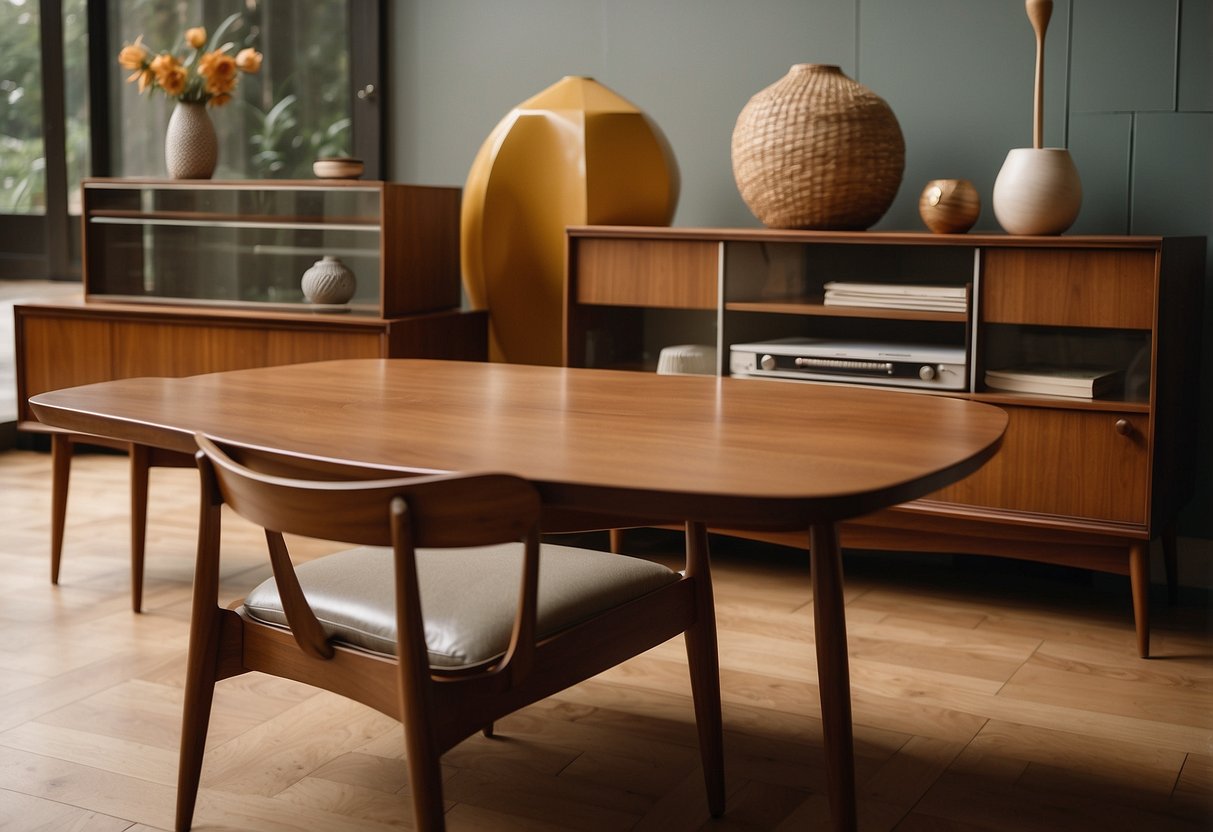
Mid-century modern furniture is defined by its clean lines, simple designs, and use of high-quality materials such as teak, rosewood, and walnut. The furniture is often characterized by its organic shapes and minimalist aesthetic, which was popularized during the mid-20th century.