

Kilim Furniture: Adding a Touch of Ethnic Charm to Your Home
If you’re looking to add a unique touch to your home decor, kilim furniture might be just what you need. Kilim furniture is known for its authentic and handmade quality, making each piece one-of-a-kind. Kilim refers to the traditional flat-woven rugs and textiles from Turkey and surrounding regions, and kilim furniture incorporates these textiles into chairs, sofas, stools, and more.
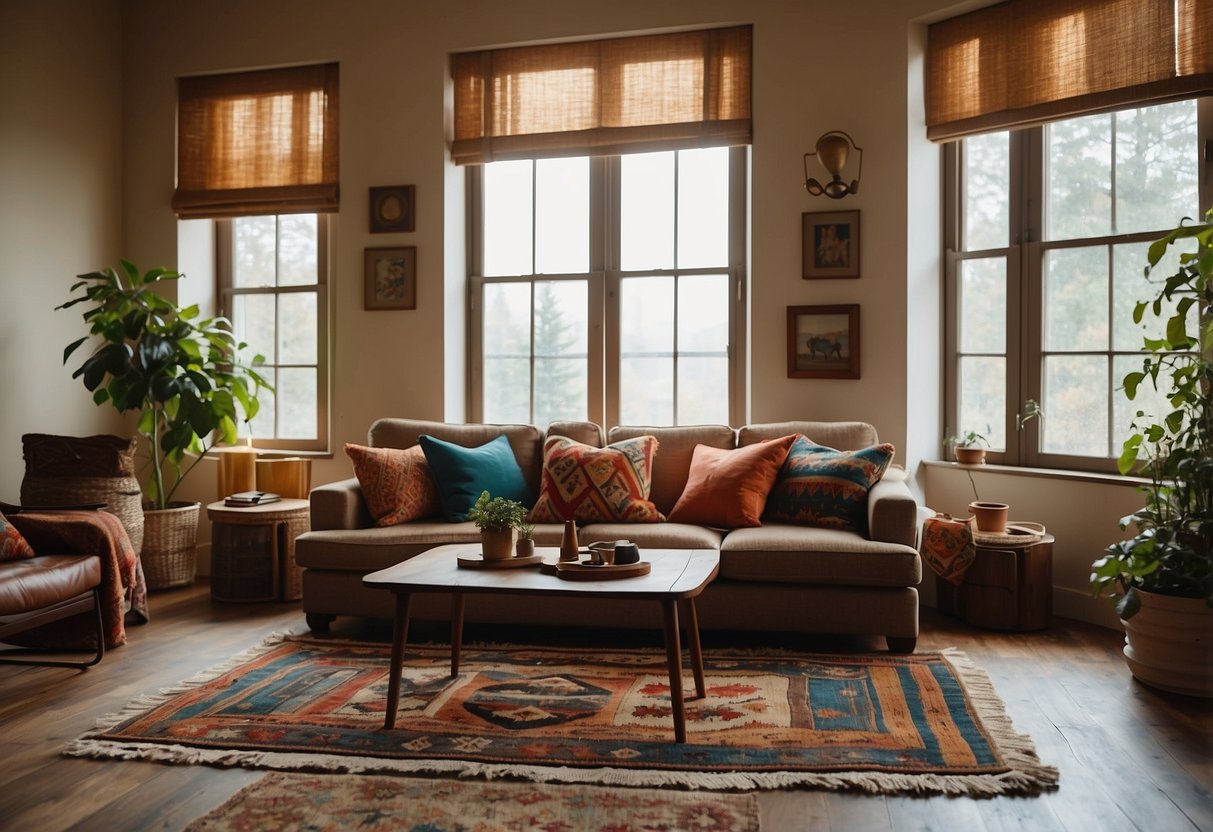
One of the benefits of kilim furniture is that it can add a pop of color and pattern to any room. With the variety of kilim textiles available, you can find a piece that complements your existing decor or serves as a statement piece. Kilim furniture is also known for its durability, with the sturdy wool fibers of the textiles making for long-lasting furniture pieces.
Key Takeaways
- Kilim furniture adds a unique and authentic touch to your home decor.
- Each piece is handmade and one-of-a-kind.
- Kilim furniture is durable and can add a pop of color and pattern to any room.
Exploring Kilim Furniture
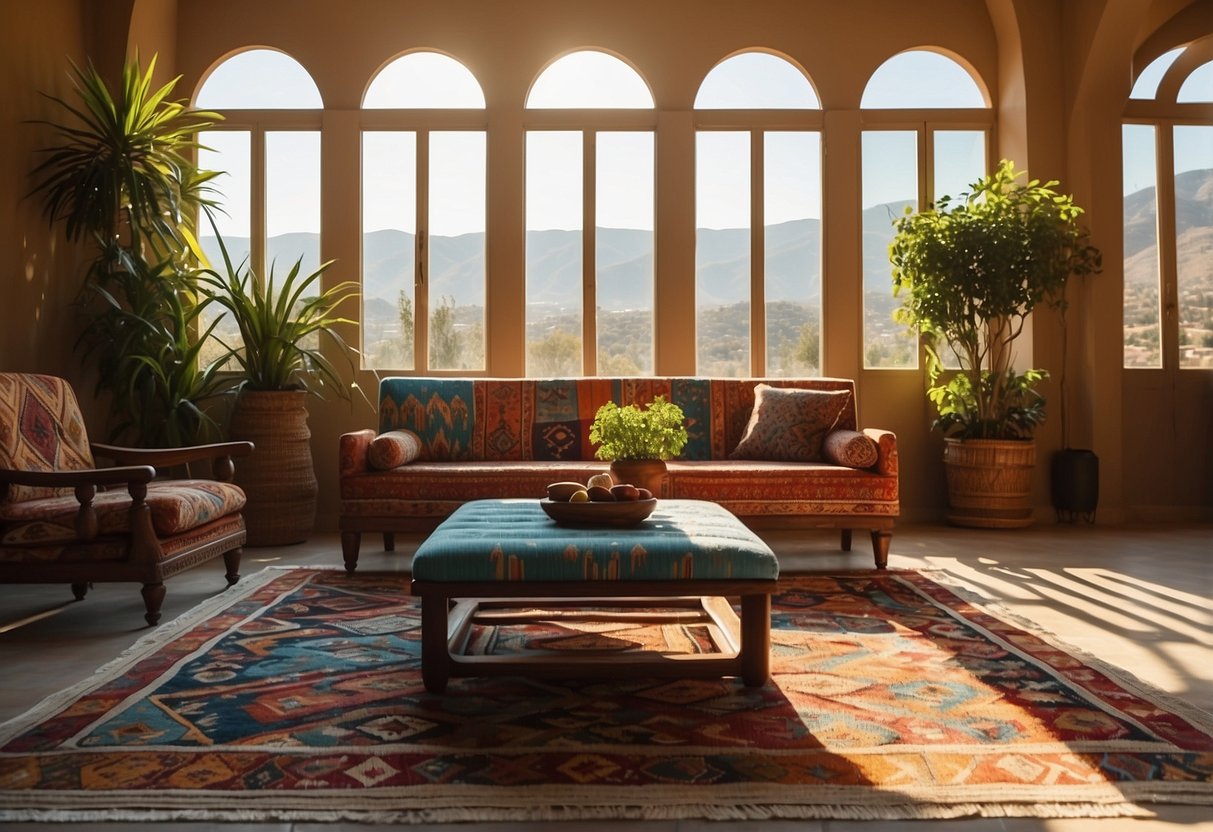
Kilim furniture is a unique and decorative type of furniture that adds character and charm to any space. Kilims are flat-woven rugs that are traditionally made in Anatolia, Turkey. Kilim furniture is made by upholstering chairs, sofas, stools, benches, coffee tables, and side tables with kilim fabric. In this section, we will explore the history and origin, types of kilim furniture, and design and patterns of kilim furniture.

History and Origin
Kilims have a long history that dates back to ancient times. The earliest known kilims were found in the Altai Mountains of Central Asia and were dated back to the 5th century BC. Kilims were used as floor coverings, wall hangings, and saddlebags. The nomadic tribes of Central Asia used kilims as portable homes, and they were also used for prayer rugs in mosques.

The art of kilim weaving spread to Anatolia, Turkey, in the 11th century AD. Turkish kilims are known for their intricate patterns and bright colors. Kilim weaving became an important industry in Anatolia, and kilims were exported to Europe and the Middle East.
Types of Kilim Furniture
Kilim furniture comes in various types and designs. Kilim chairs, sofas, stools, and benches are some of the most popular types of kilim furniture. Kilim coffee tables and side tables are also available. Kilim furniture is often bespoke, meaning that it is custom-made to fit your space and design preferences.
Kilim furniture is known for its durability and quality. Kilim fabric is made from wool, which is a strong and long-lasting material. Kilim furniture is also fire-resistant, making it a safe choice for any home or public space.
Design and Patterns
Kilim furniture is known for its decorative and unique patterns. Kilim patterns are often geometric and symmetrical, with bright colors such as red, blue, and green. Kilim patterns can also be floral, paisley, or tribal.
Kilim furniture can be upholstered with a variety of kilim patterns, and bespoke designs are also available. Kilim furniture can be used to add a pop of color and pattern to any space, or it can be used to complement other decorative elements in a room.
In conclusion, kilim furniture is a unique and decorative type of furniture that adds character and charm to any space. Kilim furniture comes in various types and designs, and it is known for its durability and quality. Kilim patterns are often geometric and symmetrical, with bright colors, and bespoke designs are also available. Kilim furniture is a perfect choice for anyone looking for decorative and unique furniture that is both functional and stylish.
Craftsmanship and Care
Materials and Weaving
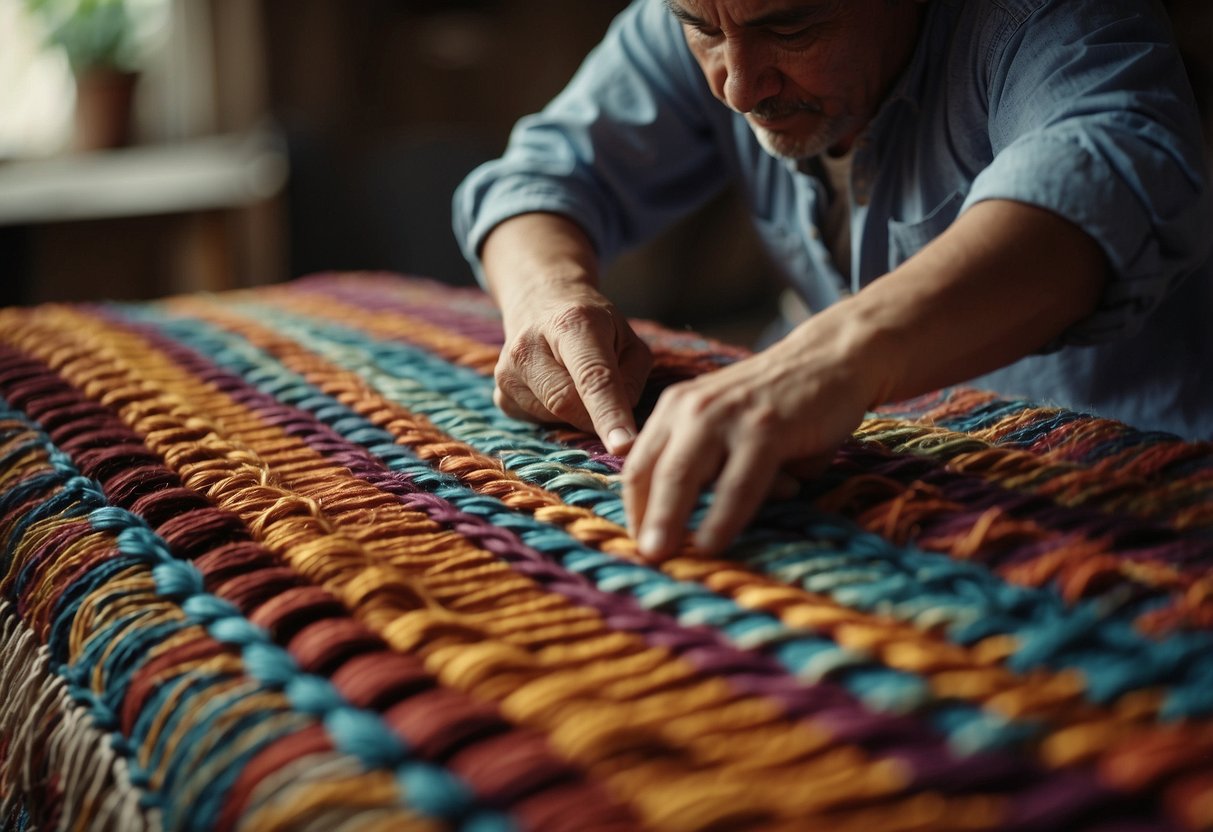
Kilim furniture is known for its unique and intricate weaving patterns, which are achieved through the use of high-quality materials. The materials used in kilim furniture are typically wool, cotton, or silk, which are woven together to create a durable and long-lasting piece of furniture. The weaving process is done by hand, which adds to the bespoke design and authenticity of each piece.
Upholstering Techniques
Kilim furniture is upholstered using a variety of techniques, including hand-stitching and machine-sewing. The cushions used in kilim furniture are typically made from high-density foam, which provides a comfortable seating experience. The low seating design of kilim furniture is perfect for creating a relaxed and inviting atmosphere in any room.
Maintaining Kilim Furniture
Kilim furniture is known for its durability, but it still requires proper care to ensure it lasts for years to come. To maintain your kilim furniture, it is important to avoid placing it in direct sunlight, which can cause fading and damage to the fabric. Regular vacuuming and spot-cleaning with a mild detergent can help to keep your kilim furniture looking its best.
In addition, it is important to avoid using harsh chemicals or abrasive cleaners on your kilim furniture, as this can cause damage to the fabric. If you need to remove a stain from your kilim furniture, it is best to use a mild detergent and warm water, and to blot the stain gently with a clean cloth.
Overall, kilim furniture is a beautiful and durable addition to any home. With proper care and maintenance, your kilim furniture can last for years to come, providing you with a comfortable and stylish seating option for your home.
Frequently Asked Questions
How can I identify an authentic kilim piece?
Authentic kilim pieces are traditionally handwoven using flatweaving techniques. They are made from natural materials such as wool, cotton, and silk. When examining a kilim piece, look for uneven edges and slight imperfections in the weave, which are signs of handcraftsmanship. Additionally, authentic kilim pieces often feature geometric shapes and bold colours.
What materials are commonly used in making kilim furnishings?
Kilim furnishings are typically made from natural materials such as wool, cotton, and silk. These materials are known for their durability and resistance to wear and tear. Kilim furnishings may also incorporate recycled materials, such as yarn unraveled from old kilim pieces, for a sustainable and eco-friendly approach.
What should I consider when choosing a kilim sofa for my home?
When choosing a kilim sofa for your home, consider the size, colour, and pattern of the piece. Kilim sofas come in a variety of sizes, so be sure to measure your space to ensure a proper fit. Additionally, consider the colour and pattern of the kilim upholstery to ensure it complements your existing decor.
Where can I find kilim furniture for sale?
Kilim furniture can be found at a variety of retailers, including furniture stores, home decor boutiques, and online marketplaces. When shopping for kilim furniture, be sure to read reviews and check the seller’s return policy to ensure a satisfactory purchase.
How do I care for and maintain my kilim furniture?
To care for and maintain your kilim furniture, avoid placing it in direct sunlight or high-traffic areas. Vacuum the piece regularly to remove dirt and debris, and spot clean any stains with a mild detergent and water. Additionally, consider using a fabric protector to prevent future stains and damage.
What makes kilim upholstery different from regular rugs?
Kilim upholstery is made using flatweaving techniques, which creates a thin, durable fabric that is ideal for furniture upholstery. Unlike traditional rugs, kilim upholstery is reversible, with the pattern appearing the same on both sides. Kilim upholstery also features bold colours and geometric patterns, making it a unique and eye-catching addition to any home.