How to Tell If Furniture Is Solid Wood: A Quick Guide
Do you want to know if your furniture is made of solid wood? It can be difficult to tell just by looking at it, but there are a few things you can look for to determine if your furniture is made of natural wood or not. In this article, we will guide you through the process of identifying solid wood furniture and understanding wood types and quality.

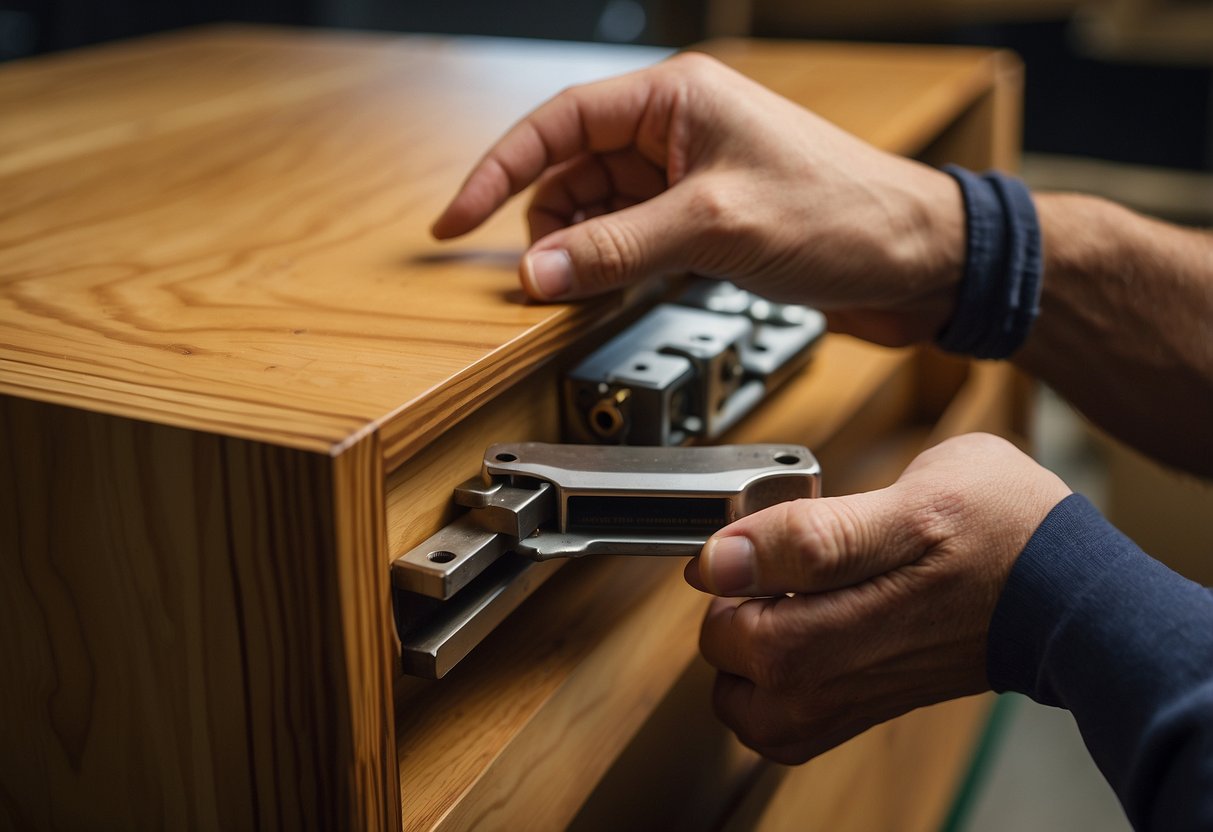
Identifying solid wood furniture can be challenging, especially if you’re not familiar with the different types of wood and furniture construction. Some furniture may look like it’s made of solid wood, but it’s actually made of engineered wood products like MDF or particleboard. Knowing how to tell the difference between natural wood and fake wood can help you make better buying decisions and ensure that you’re getting high-quality furniture that will last for years.
Understanding wood types and quality is also essential when it comes to buying furniture. Different woods have different characteristics and properties, and some are better suited for furniture making than others. By learning more about wood types and quality, you can choose furniture that is durable, beautiful, and fits your style and budget.
Identifying Solid Wood Furniture
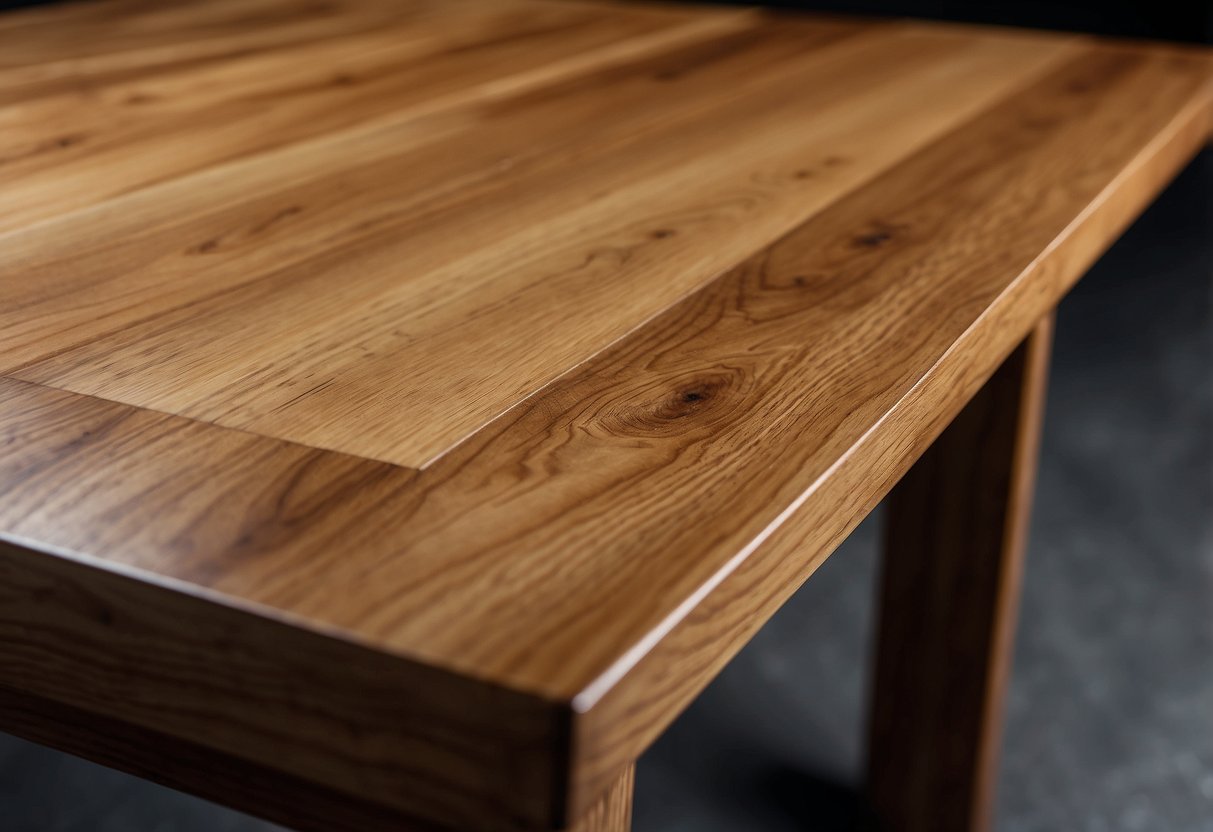
When you’re shopping for furniture, it’s important to know whether you’re getting a piece made of solid wood or something else like veneer, particleboard, MDF, or laminate. Here are some tips to help you identify solid wood furniture.

Examine the Wood Grain and Texture
The most obvious way to tell if furniture is made of solid wood is to examine the wood grain. Solid wood furniture will have a consistent grain pattern that runs throughout the piece. You should be able to feel the grain if you run your hand over the surface of the wood. If it feels smooth and consistent, it’s probably not solid wood.
Check the Weight and Construction
Solid wood furniture is generally heavier than furniture made from other materials. If you’re not sure if a piece is solid wood, try lifting it. If it feels light, it’s probably not made of solid wood. You can also check the construction of the piece. Solid wood furniture is usually held together with dowels, nails, or staples. Look for dovetail or tongue and groove construction, which are signs of high-quality craftsmanship.
Look for Imperfections and Unique Features
Solid wood furniture often has imperfections like knots or variations in the wood grain. These imperfections are part of the natural beauty of the wood and can add character to the piece. Look for carved details or unique patterns that are only possible with solid wood. If a piece of furniture looks too perfect, it’s probably not made of solid wood.
In conclusion, identifying solid wood furniture is important when shopping for furniture. By examining the wood grain and texture, checking the weight and construction, and looking for imperfections and unique features, you can confidently identify authentic solid wood furniture.
Understanding Wood Types and Quality

When it comes to furniture, the type of wood used can greatly affect the overall quality and aesthetic appeal. Understanding the differences between hardwoods and softwoods, as well as how to recognise signs of lower-quality materials, can help you make an informed decision when purchasing furniture.

Differentiate Between Hardwoods and Softwoods
Hardwoods, such as oak, walnut, mahogany, cherry, and maple, are known for their durability and strength. They tend to be more expensive than softwoods, but they are also considered more luxurious and authentic. Softwoods, such as pine, cedar, ash, and birch, are typically less expensive and easier to work with than hardwoods. They are also lighter in weight and have a more rustic appearance.
Recognise Signs of Lower-Quality Materials
Veneers, which are thin slices of real wood glued onto cheaper materials, are often used to create the appearance of solid wood furniture. While veneers can be a cost-effective way to achieve a desired look, they are not as durable as solid wood and may not last as long. Cheaper, lower-quality materials such as fiberboard, plastic, and synthetic materials may also be used in furniture construction, but these materials are not as eco-friendly and may not maintain their appearance as well over time.
When shopping for furniture, it’s important to look for real, solid wood pieces that are crafted with quality and care. By understanding the differences between hardwoods and softwoods and recognising signs of lower-quality materials, you can make an informed decision and choose furniture that will last for years to come.
Frequently Asked Questions

What are the telltale signs that a piece of furniture is made from solid wood?
Solid wood furniture is heavier than its engineered counterparts, such as particleboard or MDF. You can also examine the grain patterns of the wood to identify if it is solid wood. Genuine wood displays unique and varied grain patterns, with natural imperfections such as knots and mineral streaks.
How can you distinguish between solid wood and veneer furniture?
Veneer furniture is made by gluing a thin layer of real wood onto a less expensive base material, such as particleboard or MDF. To distinguish between solid wood and veneer furniture, examine the edges of the piece. If you see a repeating grain pattern, it is likely veneer. Solid wood will have a natural, irregular grain pattern.
In what ways can you identify if a table is crafted from solid wood?
To determine if a table is made from solid wood, examine the weight and grain patterns. Solid wood tables will be heavier than those made from engineered materials. The grain patterns will also be unique and varied, with natural imperfections such as knots and mineral streaks.
What characteristics should you look for to confirm a piece of furniture is solid wood?
To confirm a piece of furniture is solid wood, look for the weight and grain patterns. Solid wood furniture will be heavier than its engineered counterparts, such as particleboard or MDF. The grain patterns of the wood will be unique and varied, with natural imperfections such as knots and mineral streaks.
How can you tell the difference between real wood and laminate in furniture?
Laminate furniture is made by layering a printed paper or vinyl sheet onto a composite wood base. To tell the difference between real wood and laminate furniture, examine the edges of the piece. If you see a repeating grain pattern, it is likely laminate. Real wood will have a natural, irregular grain pattern.
What are the methods to determine the type of wood used in furniture?
To determine the type of wood used in furniture, examine the grain patterns and colour of the wood. Each type of wood has its own unique grain pattern and colour. You can also use a wood identification guide or consult with a furniture expert to identify the type of wood used in a piece of furniture.