

Hostile Furniture: The Dangers of Sharp Edges and Unstable Designs
If you’ve ever been in a public space and felt uncomfortable, there’s a chance that the furniture around you was designed to make you feel that way. Hostile furniture is a term used to describe objects in public spaces that are designed to discourage certain behaviours, such as loitering or sleeping. These objects can range from uncomfortable benches to metal spikes on windowsills.

Understanding Hostile Furniture is important because it can have a significant impact on the way we interact with public spaces. When people feel unwelcome or uncomfortable in a space, they are less likely to spend time there, which can have negative effects on community engagement and social cohesion. Additionally, Hostile Furniture can be seen as a symptom of larger issues, such as homelessness and poverty, and can contribute to the stigmatisation of vulnerable populations.
Hostile Furniture in Public Spaces is a complex issue that requires careful consideration and analysis. While there are certainly arguments in favour of designing public spaces to discourage certain behaviours, it’s important to balance these concerns with the need to create welcoming and inclusive spaces for everyone. By understanding the impact of Hostile Furniture, we can work towards creating public spaces that are safe, comfortable, and accessible for all.
Key Takeaways
- Hostile furniture is designed to discourage certain behaviours in public spaces.
- Hostile furniture can have negative effects on community engagement and social cohesion.
- It’s important to balance concerns about safety and order with the need to create welcoming and inclusive public spaces.
Understanding Hostile Furniture
Defining Hostile Architecture
Hostile furniture, also known as unpleasant design or exclusionary design, is an urban design strategy that uses furniture to restrict certain activities or exclude certain people from public spaces. Hostile furniture takes many forms, from the overt and aggressive like anti-homeless spikes, to seemingly innocuous urban furniture designed to make getting comfortable difficult.

History and Development
The history of hostile furniture can be traced back to the 1950s when defensive design was first introduced as a concept to deter crime in public spaces. Hostile furniture gained popularity in the 1980s as a response to increasing concerns about homelessness and anti-social behaviour in urban areas. Today, hostile furniture is used in many cities around the world, and it is often seen as a way to control the behaviour of certain groups of people.
Ethical Implications
The use of hostile furniture raises ethical concerns about social control and exclusion. Some critics argue that hostile furniture is a form of discrimination against vulnerable groups such as homeless people and young people, and that it reinforces social inequalities. Others argue that hostile furniture is a necessary response to anti-social behaviour and that it helps to create safer and more pleasant public spaces.
In conclusion, understanding hostile furniture is an important aspect of urban design and the built environment. While it can be argued that hostile furniture has its benefits in terms of social control and safety, it is important to consider the ethical implications of such design strategies and to ensure that public spaces remain accessible and inclusive for all members of society.
Hostile Furniture in Public Spaces
When you walk through public spaces, you may not realize that some of the furniture is designed to be hostile towards certain groups of people. Hostile furniture is intentionally created to restrict behaviours in urban spaces in order to maintain public order. This kind of furniture is often used to target homeless people, youth, and other vulnerable populations.
Types and Examples
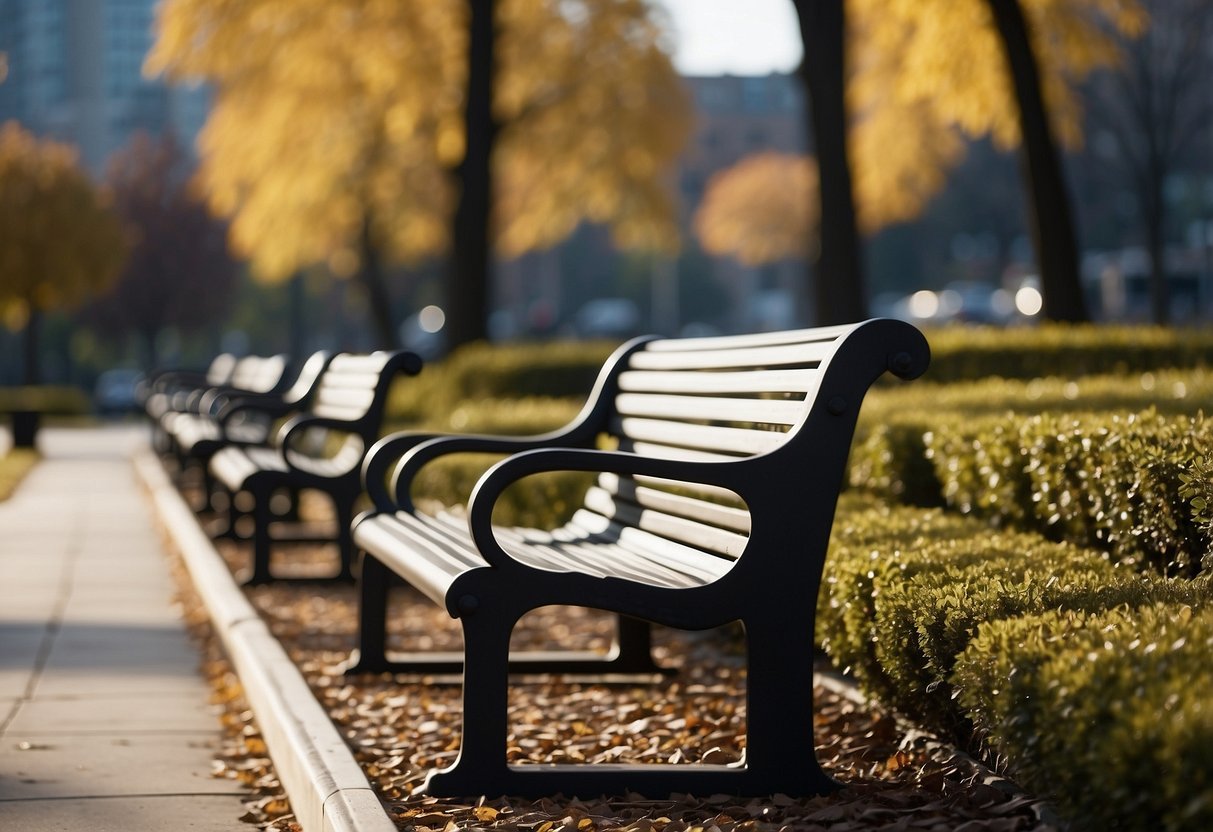
Hostile furniture comes in many forms, including spikes, boulders, metal spikes, armrests, sprinklers, metal bars, and segmented benches. For example, the Camden bench is a type of street furniture that is designed to be uncomfortable to sleep on. It has a sloping seat and a raised backrest, which makes it difficult to lie down. Another example is the use of metal spikes on the ground in front of buildings, which prevents people from sitting or sleeping in that area.

Impact on Homelessness
Hostile furniture has a significant impact on homeless people, who often have nowhere else to go. It can make it difficult for them to find a place to rest or sleep, which can lead to health problems and worsen their situation. This kind of furniture also reinforces the stigma against homeless people and contributes to their social exclusion.
Public Reactions and Campaigns
Many people are outraged by the use of hostile furniture in public spaces. Some have launched campaigns to raise awareness of the issue and to demand that cities stop using this kind of furniture. For example, artist Stuart Semple created the Anti-Object series, which includes benches with armrests that are designed to be more inclusive and welcoming. Other campaigns have focused on the right to the city and the importance of public space for everyone.
In conclusion, hostile furniture is a form of anti-homeless architecture that targets vulnerable populations and reinforces segregation in public spaces. It has a negative impact on homeless people and contributes to their social exclusion. However, there are campaigns and initiatives that aim to create more inclusive and accessible public spaces for everyone.
Frequently Asked Questions

What are some typical examples of hostile furniture that one might encounter in urban areas?
Hostile furniture is designed to discourage certain behaviours, such as loitering or sleeping in public spaces. Some examples include benches with armrests that make it difficult to lie down, metal spikes on window sills to prevent sitting, and bus shelters with sloping seats that discourage prolonged use.
Could you suggest some ideas on how to identify furniture that has been designed with hostility in mind?
Hostile furniture is often characterised by its uncomfortable design, such as the presence of armrests, dividers, or sloping surfaces. Look out for features that make it difficult to sit or lie down for extended periods of time, or that create a sense of discomfort or unease.
Where might one find hostile furniture items available for purchase?
Hostile furniture is typically installed in public spaces by local authorities or private property owners. However, some companies do manufacture and sell hostile furniture items, such as benches with armrests or spikes, for use in private gardens or commercial properties.
How does the presence of hostile architecture impact the daily lives of homeless individuals?
The presence of hostile architecture can make it difficult for homeless individuals to find a safe and comfortable place to rest. By removing benches or installing uncomfortable seating, homeless individuals may be forced to sleep on the ground or in more dangerous locations. This can have a significant impact on their physical and mental health, as well as their sense of dignity and self-worth.
In what ways does hostile design manifest in the construction and landscaping industries?
Hostile design can manifest in a variety of ways in the construction and landscaping industries. For example, landscaping features such as boulders or plants may be used to prevent people from sitting or sleeping in certain areas. Similarly, construction materials such as metal spikes or armrests may be used to deter loitering or sleeping in public spaces.
What are the main criticisms and concerns surrounding the use of hostile architecture in public spaces?
Critics of hostile architecture argue that it is inhumane and discriminatory, as it targets vulnerable populations such as the homeless or elderly. Others argue that it is a short-sighted solution that fails to address the root causes of social issues such as homelessness or drug addiction. Additionally, some critics point out that hostile architecture can create a sense of fear and discomfort in public spaces, discouraging people from using them for their intended purpose.