Hinoki Furniture: A Guide to Japanese Cypress Wood Furnishings
If you’re looking for furniture that is both beautiful and durable, hinoki furniture may be just what you need. Hinoki wood is a type of cypress that is native to Japan and is highly prized for its unique properties. It is slow-growing and can take up to 250 years to mature, which makes it a limited resource that is highly valued by furniture makers and collectors.

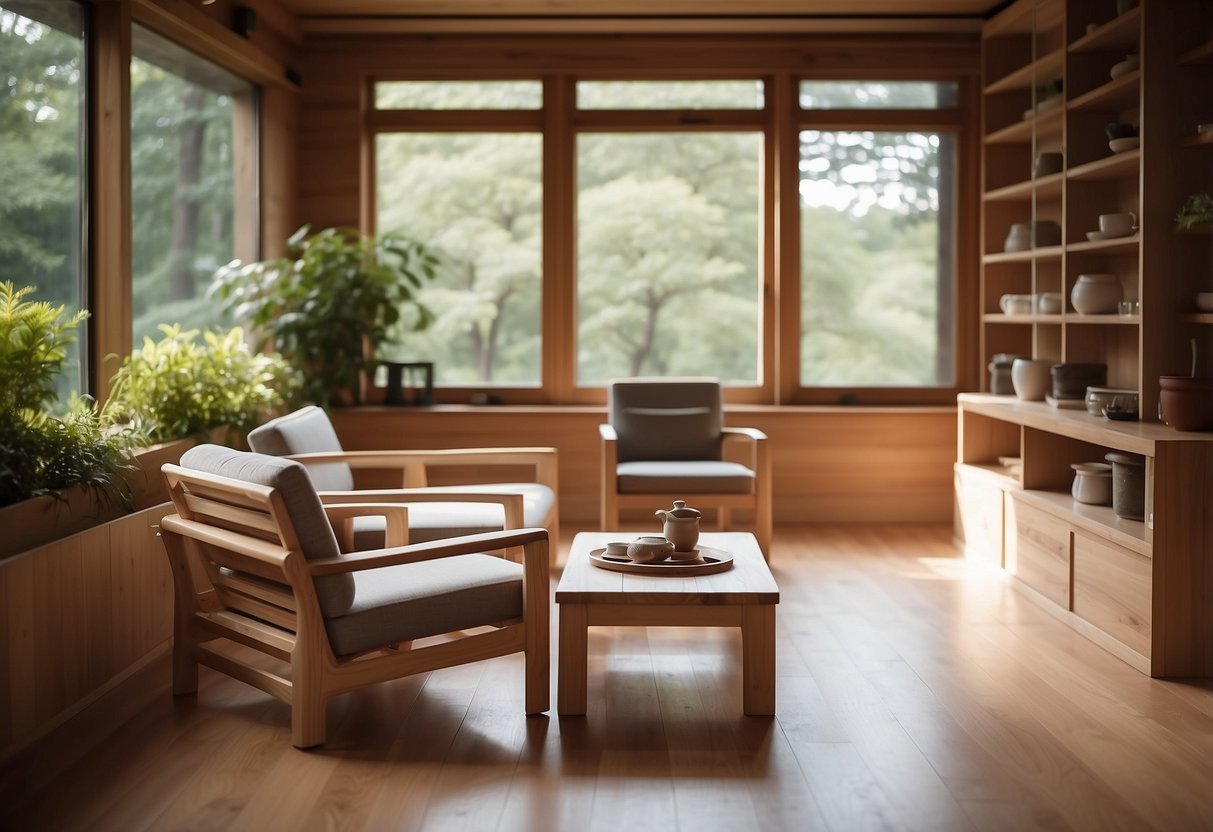
Hinoki wood has a distinctive aroma that is often described as relaxing and therapeutic. It is also naturally resistant to rot and decay, which makes it an ideal material for furniture that will be used in humid environments such as bathrooms and spas. Additionally, hinoki wood is known for its beautiful grain patterns and warm, golden colour that deepens over time.
If you’re interested in purchasing hinoki furniture, it’s important to understand the craftsmanship that goes into creating these pieces. Hinoki furniture is often made by hand using traditional Japanese techniques that have been passed down for generations. This attention to detail and commitment to quality is what makes hinoki furniture so special.
Key Takeaways
- Hinoki furniture is made from a type of cypress wood that is native to Japan and prized for its unique properties.
- Hinoki wood is naturally resistant to rot and decay, making it an ideal material for furniture that will be used in humid environments.
- Hinoki furniture is often made by hand using traditional Japanese techniques that have been passed down for generations.
The Essence of Hinoki Wood
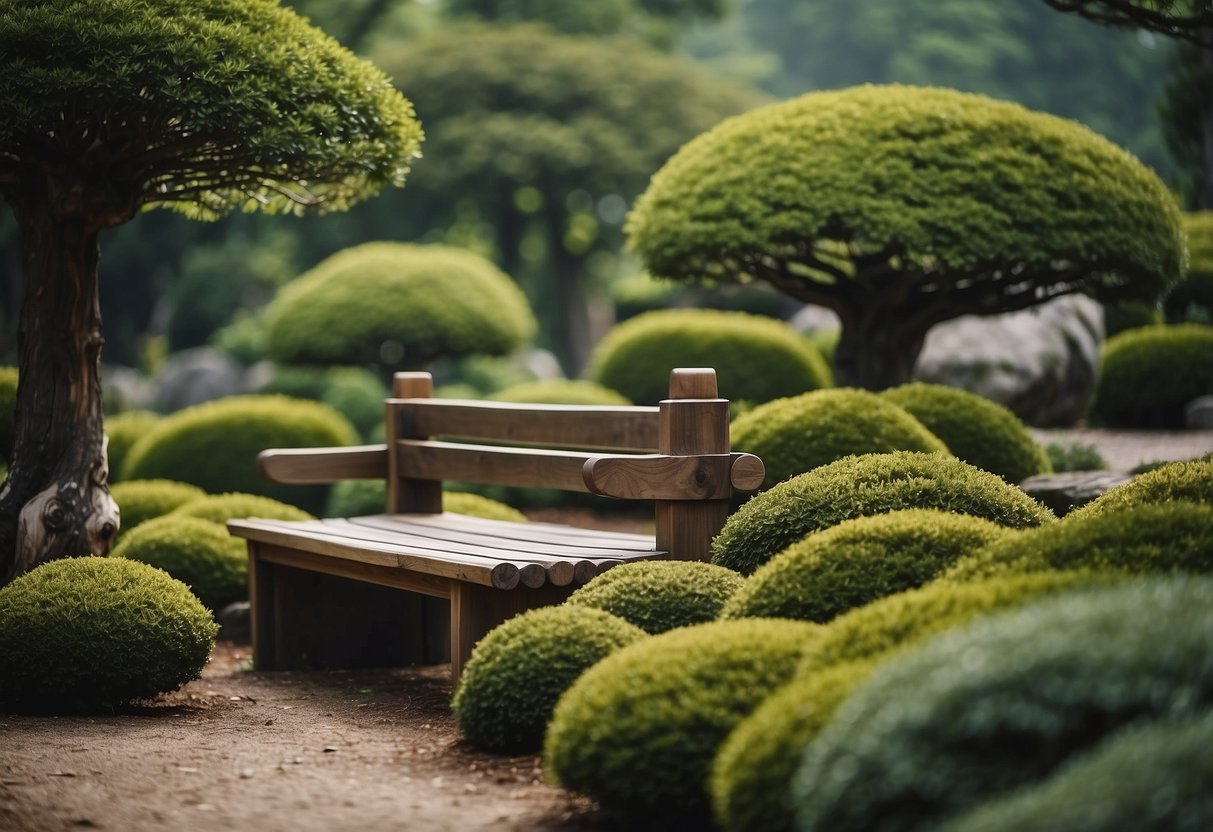
Hinoki wood is a type of Japanese cypress that has been used for centuries in Japan for various purposes, including furniture, building construction, and even traditional Japanese baths. Here are some of the key aspects that make hinoki wood so special.

Cultural Significance in Japan
Hinoki wood has a special place in Japanese culture. It has been used in the construction of shrines and temples for centuries, including the famous Ise Shrine and Horyuji Temple. The wood’s straight grain and durability make it ideal for these structures, which are meant to last for centuries.
In addition to its use in religious structures, hinoki wood has also been used for centuries in Japanese homes for furniture and other household items. The craftsmanship of artisans who work with hinoki wood is highly valued in Japan, and the wood is often passed down from generation to generation.
Characteristics and Benefits
One of the most notable characteristics of hinoki wood is its fragrance. The wood has a pleasant, lemony scent that is said to have a calming effect on the mind and body. This fragrance is due to the high oil content of the wood, which also makes it naturally antibacterial.
Hinoki wood is also known for its durability. Its heartwood is resistant to decay and insect damage, making it ideal for use in outdoor structures like decks and fences. The wood’s straight grain and uniform texture make it easy to work with, and its light colour and smooth finish make it a popular choice for furniture and interior design.
Sustainability and Sourcing
Hinoki wood is a sustainable choice for furniture and building construction. The Japanese hinoki cypress tree is grown and harvested in a sustainable manner, ensuring that the forests remain healthy and productive. The tree is an evergreen, meaning that it can be harvested year-round without damaging the forest ecosystem.
When sourcing hinoki wood, it is important to choose wood that has been harvested in a responsible manner. Look for wood that has been certified by organisations like the Forest Stewardship Council (FSC), which ensures that the wood has been harvested in a sustainable and responsible way.
In summary, hinoki wood is a beautiful and sustainable choice for furniture and building construction. Its pleasant aroma, durability, and antibacterial properties make it a popular choice for a variety of applications. Whether you’re building a new home or simply looking for a new piece of furniture, hinoki wood is a great choice.
Hinoki Furniture Craftsmanship
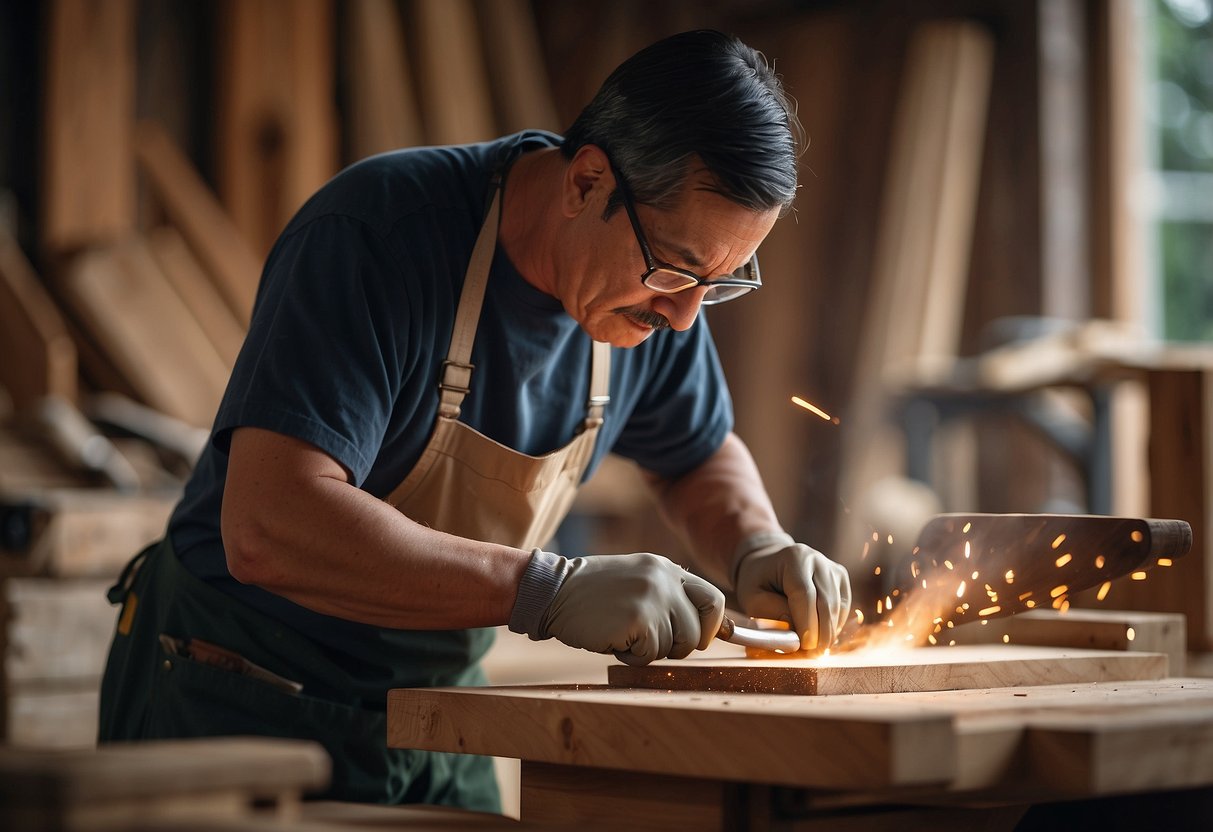
When it comes to hinoki furniture, craftsmanship is key. Skilled artisans use traditional techniques to create unique pieces that showcase the beauty and durability of hinoki wood. In this section, we’ll explore the artisanal techniques and materials used to create hinoki furniture, as well as offer tips for caring for your pieces.
Artisanal Techniques and Materials
Hinoki furniture is handcrafted using traditional Japanese techniques that have been passed down for generations. Makers often use hand tools to shape the wood, carefully selecting each piece for its unique knots, luster, and texture. The wood is then joined together using traditional joinery methods, such as mortise and tenon joints, to create strong and durable pieces.

One of the most important aspects of hinoki furniture is the quality of the materials used. The wood must be carefully selected for its straight grain, uniform colour, and lack of defects. This ensures that the finished piece will be both beautiful and long-lasting. Some makers source their hinoki wood from sustainable forests, such as those managed by the ARIAKE project in Japan.
Exploring Hinoki Furniture Pieces
Hinoki furniture can take many forms, from chairs and cupboards to cabinets and bath tubs. Each piece is unique, showcasing the natural beauty of the wood and the skill of the artisan who created it. New arrivals can often be found at festivals and on websites such as Etsy, where independent makers offer their handcrafted pieces for sale.
When selecting a piece of hinoki furniture, consider its construction material and design. Look for pieces that are made with high-quality hinoki wood and traditional joinery techniques. Consider the piece’s intended use and its size, ensuring that it will fit comfortably in your space.
Caring for Your Hinoki Furniture
Proper care and maintenance can help extend the lifespan of your hinoki furniture. Avoid placing your pieces in direct sunlight or near sources of heat, as this can cause the wood to warp or crack. Regular dusting and occasional oiling can help maintain the wood’s natural lustre.
If your hinoki furniture is placed in a damp environment, such as a bathroom, it may require additional care. Wipe down the surface of the wood regularly to prevent moisture buildup, and consider using a dehumidifier to keep the air dry.
By following these simple tips, you can enjoy your hinoki furniture for years to come.
Frequently Asked Questions
What makes hinoki wood unique in furniture making?
Hinoki wood is unique in furniture making because of its rarity, beauty, and durability. Hinoki trees are slow-growing and can take up to 250 years to reach maturity. This means that hinoki wood is a limited resource and is highly valued by furniture makers and collectors. The wood is also naturally resistant to rot and pests, making it an ideal choice for furniture that will last for generations.
How durable is hinoki wood when used for furniture?
Hinoki wood is very durable when used for furniture. It is naturally resistant to rot and pests, and its high resin content makes it resistant to moisture. This makes hinoki furniture ideal for use in high-moisture environments like bathrooms and kitchens. With proper care, hinoki furniture can last for decades or even centuries.
Why does furniture made from hinoki tend to be more expensive?
Furniture made from hinoki tends to be more expensive because of the wood’s rarity and durability. Hinoki trees are slow-growing and can take up to 250 years to reach maturity, making the wood a limited resource. The wood’s natural resistance to rot and pests also means that it requires less maintenance and is less likely to need repairs or replacements, making it a more valuable investment in the long run.
Can hinoki wood be used in making bathroom furniture like bath mats?
Yes, hinoki wood can be used in making bathroom furniture like bath mats. In fact, hinoki wood is a popular choice for making traditional Japanese bath mats because of its natural resistance to moisture and its antibacterial properties. The wood’s unique fragrance also adds to the relaxing spa-like atmosphere of a bathroom.
What should one expect to pay for quality hinoki furniture?
The price of quality hinoki furniture can vary depending on the piece and the level of craftsmanship involved. However, due to the wood’s rarity and durability, hinoki furniture tends to be more expensive than furniture made from other types of wood. A high-quality hinoki table, for example, can cost several thousand pounds.
What are the historical aspects of using hinoki in furniture design?
Hinoki has been used in furniture design for centuries in Japan. It is a symbol of beauty, durability, and relaxation, and has been used in the construction of traditional Japanese temples, shrines, and hot springs. Hinoki wood is also a popular choice for making traditional Japanese bathhouses, where the wood’s unique fragrance is said to have a calming effect on the mind and body.