Furniture Scratch Repair: Tips and Tricks for a Flawless Finish
If you’re tired of looking at the unsightly scratches on your furniture, you’re not alone. Scratches can be an eyesore and can make your furniture look old and worn out. Fortunately, there are ways to repair and restore your furniture to its former glory. In this article, we’ll explore furniture scratch repair and provide you with some tips and techniques to help you get started.

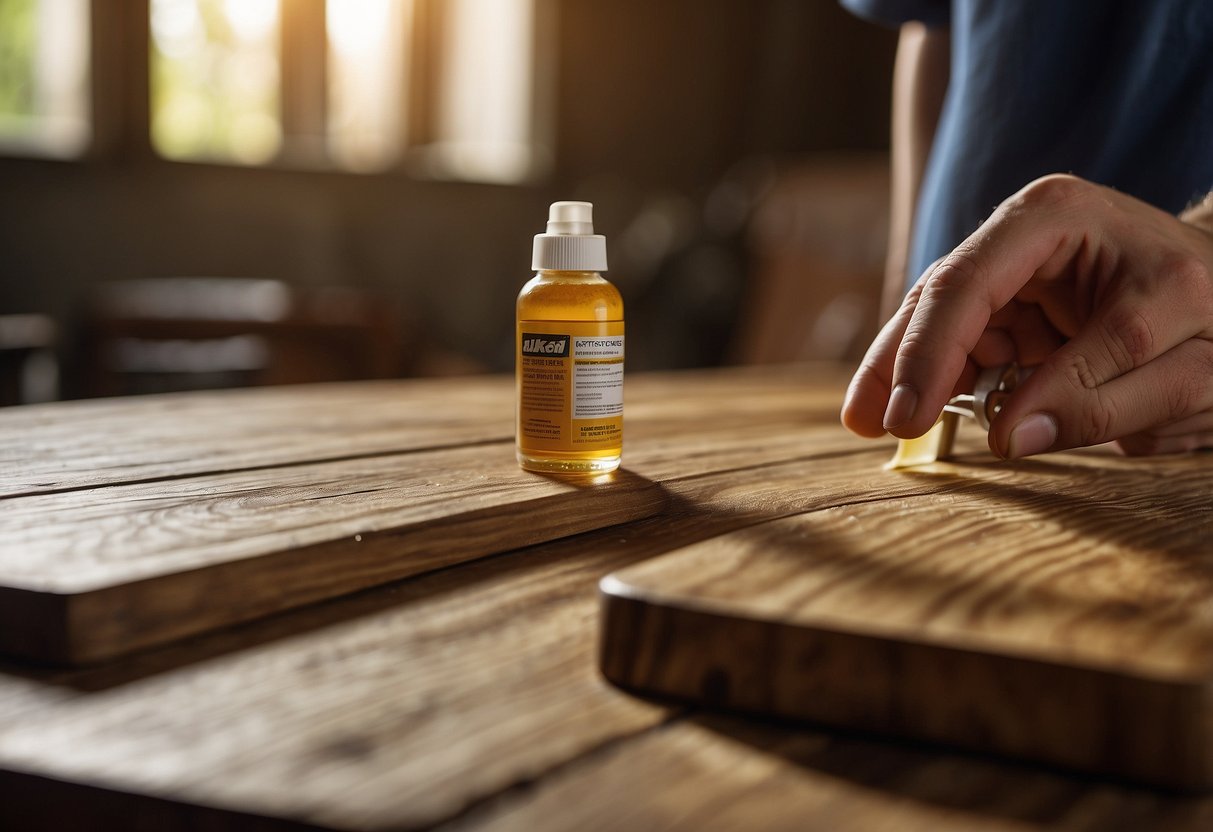
Assessing the Damage Before you can begin repairing your furniture, you need to assess the damage. The severity of the scratch will determine the repair technique and materials needed. Some scratches are minor and can be easily repaired with a simple touch-up pen, while others may require more extensive repairs. It’s important to assess the damage carefully to ensure you choose the right repair technique.
Repair Techniques and Materials There are several techniques and materials you can use to repair furniture scratches. The right technique will depend on the type of furniture you have and the severity of the damage. Some common repair techniques include using wood filler, touch-up pens, and scratch cover. It’s important to choose the right technique and materials for your furniture to ensure a successful repair.
Key Takeaways
- Assess the damage carefully before starting any repairs.
- Choose the right repair technique and materials for your furniture.
- With the right technique and materials, your furniture can look as good as new.
Assessing the Damage
When it comes to furniture scratch repair, the first step is to assess the damage. This will help you determine the best course of action to take. Here are some things to consider:

Identifying Types of Scratches
Scratches come in different types, and identifying them is crucial in determining the best repair method. Some of the most common types of scratches include:
- Minor Scratches: These are surface-level scratches that don’t penetrate the finish. They can be easily fixed with a scratch repair pen or wax stick.
- Deep Scratches: These are scratches that penetrate the finish and go into the wood. They require a more thorough repair process, such as filling, sanding, and staining.
- Gouges: These are deeper scratches that are wider than a typical scratch. They require filling with wood filler, sanding, and staining.
- Nicks: These are small chips in the wood caused by impact. They can be filled with wood filler, sanded, and stained.
- Dings: These are small dents in the wood caused by impact. They can be filled with wood filler, sanded, and stained.
- Dents: These are larger dents in the wood caused by heavy impact. They require filling with wood filler, sanding, and staining.
- Cracks: These are larger openings in the wood caused by stress or pressure. They require filling with wood filler, sanding, and staining.
Evaluating the Depth of Scratches
After identifying the type of scratch, the next step is to evaluate its depth. This will help you determine the best repair method. To evaluate the depth of the scratch, run your fingernail over it. If you can feel the scratch, it’s a deep scratch that requires filling and sanding. If you can’t feel the scratch, it’s a minor scratch that can be easily fixed with a scratch repair pen or wax stick.
In conclusion, assessing the damage is an important step in furniture scratch repair. By identifying the type of scratch and evaluating its depth, you can determine the best course of action to take. Whether it’s a minor scratch or a deep gouge, there’s a repair method that can fix it and restore your furniture to its former glory.
Repair Techniques and Materials
When it comes to repairing scratches on your furniture, there are different techniques and materials you can use depending on the severity of the damage. In this section, we will cover simple fixes for minor scratches, repairing deeper scratches and gouges, and finishing touches to ensure your furniture looks as good as new.
Simple Fixes for Minor Scratches
Minor scratches on your furniture can be easily fixed with simple techniques such as using walnut or tea bags. Rubbing a walnut on the scratch can help to disguise it, while steeping a tea bag in hot water and using it to rub the scratch can help to darken the wood and make the scratch less noticeable.
Another option is to use touch-up markers or wax filler sticks that match the colour of your furniture. These can be used to fill in the scratch and blend it in with the surrounding area. Be sure to follow the instructions carefully when using these products.
Repairing Deeper Scratches and Gouges
For deeper scratches and gouges, you may need to use wood filler or matching stain to repair the damage. Wood filler can be used to fill in the scratch and then sanded down to create a smooth surface. Matching stain can then be applied to the area to blend it in with the surrounding wood.

If the scratch is too deep for wood filler, you may need to use a putty knife to apply wood filler in layers until the scratch is level with the surrounding area. Sanding the area down and applying matching stain can then be done to complete the repair.
Finishing Touches
Once the scratch has been repaired, it’s important to apply a finish to protect the wood and ensure the repair lasts. Varnish, lacquer, or polyurethane can be used to seal the wood and provide a protective layer.
If you prefer a more natural look, paste wax can be used to protect the wood and give it a subtle sheen. Apply the wax with a clean cloth and buff it in with a circular motion.
In conclusion, repairing scratches on your furniture can be a simple and easy process with the right techniques and materials. By following these tips, you can restore your furniture to its former glory and enjoy it for years to come.
Frequently Asked Questions
What’s the best method to repair deep scratches in wooden furniture?
If you have deep scratches in your wooden furniture, you can use wood filler to fill in the scratches. Once the filler is dry, sand the surface of the furniture until it’s smooth. You can then apply a wood stain or paint to match the colour of the furniture.
Can furniture polish be used to effectively remove scratches?
Furniture polish can be used to remove light scratches on wooden furniture. However, it’s not recommended for deep scratches as it won’t effectively fix the issue. Instead, you can use a wood filler or touch-up pen to fill in the scratches.
How can I fix scratches on laminate furniture in a friendly DIY manner?
To fix scratches on laminate furniture, you can use a wax crayon that matches the colour of the furniture. Simply colour in the scratch with the wax crayon, then use a plastic scraper to remove any excess wax. You can then buff the surface of the furniture with a soft cloth.
Is there a natural remedy for eliminating scratches from wood surfaces?
Yes, you can use a mixture of olive oil and vinegar to remove scratches from wood surfaces. Mix equal parts of olive oil and vinegar, then apply the mixture to the scratches with a soft cloth. Let the mixture sit for a few minutes, then wipe the surface of the furniture with a clean cloth.
What steps should I take to fix scratches on metal furniture pieces?
To fix scratches on metal furniture pieces, you can use a metal polish to buff out the scratches. Apply the polish to the scratches with a soft cloth, then buff the surface of the furniture until it’s smooth. You can also use a touch-up pen to fill in any deep scratches.
Could you suggest a way to mend minor scratches on dark wooden surfaces?
For minor scratches on dark wooden surfaces, you can use a mixture of coffee grounds and olive oil to create a natural wood stain. Mix the coffee grounds and olive oil until it forms a paste, then apply the mixture to the scratches with a soft cloth. Let the mixture sit for a few minutes, then wipe the surface of the furniture with a clean cloth.