Furniture Refinishing: How to Give Your Old Furniture a New Life
If you have old furniture that’s looking a bit shabby, don’t throw it out just yet! Furniture refinishing is a great way to give new life to old pieces. Whether you’re looking to restore an antique or just update a tired-looking piece, refinishing can be a fun and rewarding DIY project.

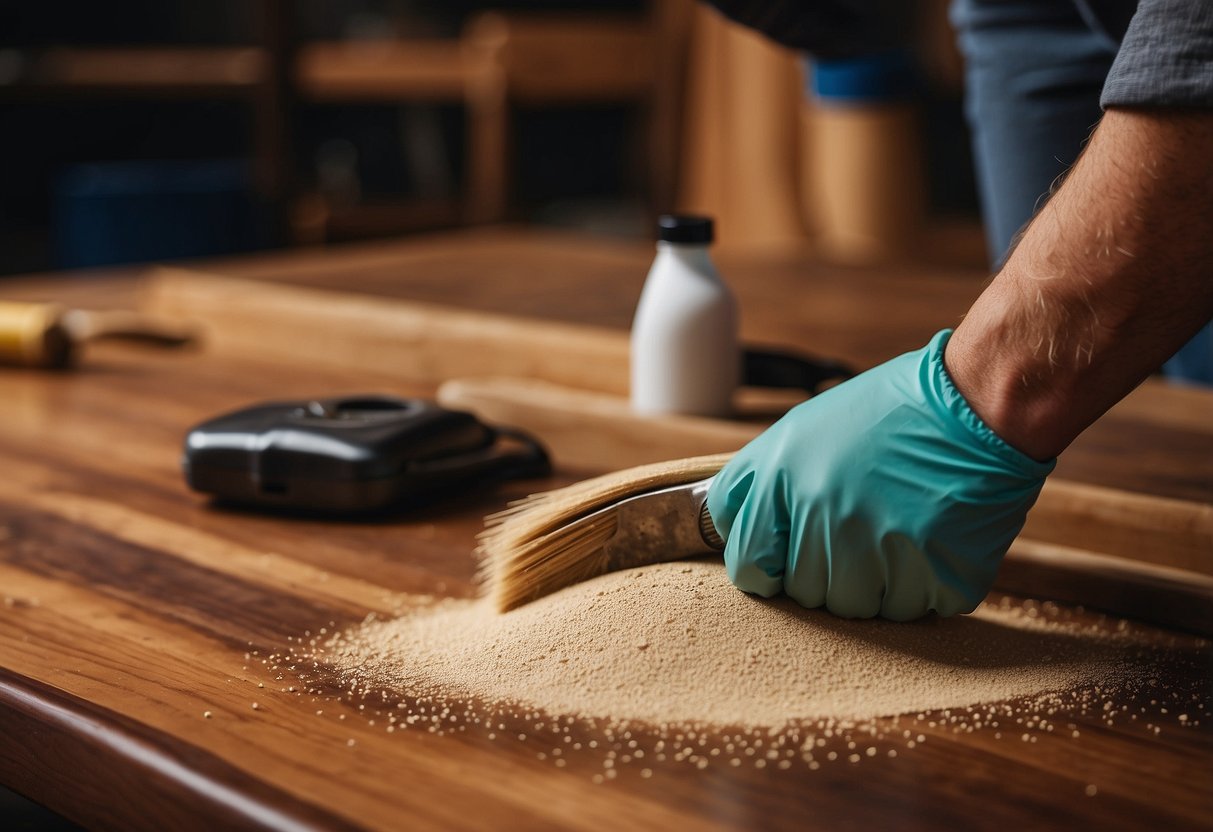
Before you start your furniture refinishing project, it’s important to properly prepare your piece. This includes cleaning it thoroughly, removing any old finish, and sanding it down to create a smooth surface for the new finish to adhere to. Once your piece is prepped, you can apply the new finish using a variety of techniques, from painting to staining to varnishing.
If you’re new to furniture refinishing, it can seem a bit daunting. But with a bit of research and some patience, it’s a project that anyone can tackle. And the best part? You’ll have a beautiful, unique piece of furniture that you can be proud of. So why not give it a try?
Key Takeaways
- Furniture refinishing is a great way to give new life to old pieces of furniture.
- Proper preparation is key to a successful furniture refinishing project.
- With a bit of research and patience, anyone can tackle a furniture refinishing project.
Preparing Your Furniture for Refinishing
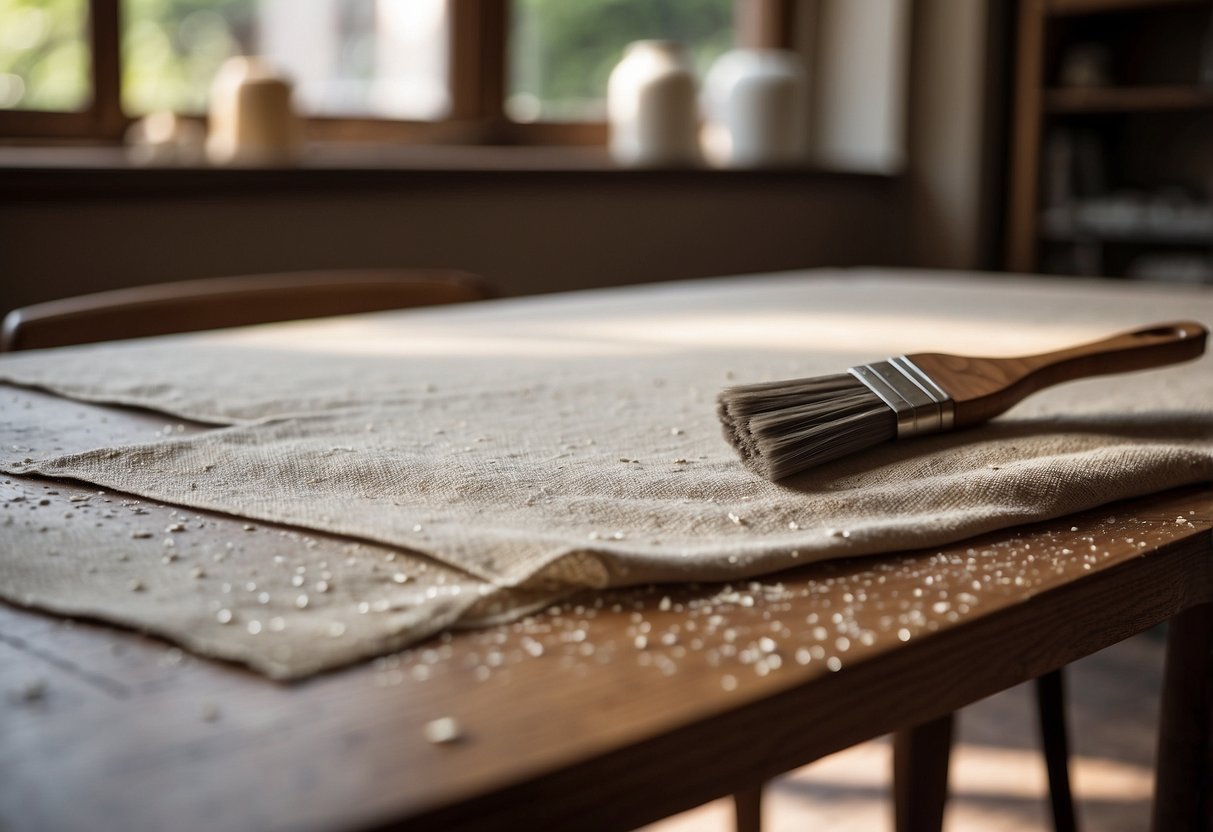
Before you start refinishing your furniture, it is important to prepare it properly to ensure the best possible outcome. This section will guide you through the process of assessing the furniture’s condition, stripping the old finish, and cleaning and sanding the surface.

Assessing the Furniture’s Condition
The first step in preparing your furniture for refinishing is to assess its condition. Look for any damage or structural issues such as deep gouges or nail holes that need filling with a suitable compound. If your furniture has an existing finish, check for any scratches or other damage that may need repairs.
Stripping the Old Finish
To remove the old finish from your furniture, you can use a chemical stripper or sandpaper. If you choose to use a chemical stripper, make sure you wear gloves and work in a well-ventilated area. Apply the stripper according to the manufacturer’s instructions and then use a scraper to remove the old finish.
Alternatively, you can use sandpaper to remove the old finish. Start with a coarse grit sandpaper and work your way up to a finer grit. Use a sanding block to ensure a smooth and even surface.
Cleaning and Sanding the Surface
Once you have removed the old finish, it is important to clean and sand the surface. Use a tack cloth to remove any dust and dirt from the surface. Then, sand the surface with a fine grit sandpaper to ensure a smooth finish.
After sanding, rinse the surface with water and then dry it with a towel. If there is any remaining grime or dirt, use a cleaning solution to remove it.
By following these steps, you can prepare your wood furniture for refinishing. Proper preparation is essential to achieving a high-quality finish and preserving the value of your antique furniture.
Applying the New Finish
Choosing the Right Finish
Choosing the right finish for your furniture is an important step in the refinishing process. There are many different types of finishes available, including paint, stain, and varnish. When choosing a finish, consider the look you want to achieve and the level of durability you require.
If you want to change the colour of your furniture, consider using a stain. Stains come in a variety of hues and can be used to enhance the natural grain of the wood. If you prefer a painted finish, choose a paint that is specifically designed for furniture.
A clear finish, such as varnish or wipe-on poly, can be used to protect the wood and give it a glossy or matte finish. Polyurethane is a popular and durable finish that can be applied with a brush or foam brush.

The Refinishing Process
Before applying the new finish, make sure the surface of your furniture is clean and free of any old finish. Use a sander or sanding blocks with coarse-grit sandpaper to remove any remaining finish. For hard-to-reach areas, use a paint scraper or putty knife.
After sanding, wipe the surface with a damp sponge to remove any dust. If there are any cracks or holes in the wood, use epoxy putty to fill them in.
When applying the new finish, use a brush or foam brush to apply the first coat. Make sure to follow the manufacturer’s instructions for drying time and number of coats. After the first coat has dried, lightly sand the surface with fine-grit sandpaper.
Apply a second coat of finish and allow it to dry overnight. If you want a higher gloss finish, apply a third coat.
Final Touches and Caring for Refinished Furniture
After the final coat has dried, inspect the surface for any imperfections. Use a fine-grit sandpaper to smooth out any rough spots.
To care for your newly refinished furniture, avoid placing it in direct sunlight or exposing it to moisture. Wipe the surface with a damp cloth or furniture polish to keep it clean and dust-free.
Refinishing your furniture can be a cost-effective way to give it a new lease of life. With the right tools and techniques, you can achieve a beautiful and durable finish that will last for years to come.
Frequently Asked Questions
What are the best products for refinishing furniture?
There are many great products for refinishing furniture, but some of the top-rated ones include Minwax Wood Finish, General Finishes Gel Stain, and Rust-Oleum Ultimate Wood Stain. These products are easy to use and provide excellent results, making them a popular choice among DIY enthusiasts and professionals alike.
How do I refinish wood furniture using paint?
Refinishing wood furniture using paint is a great way to give your old furniture a new look. First, you need to prepare the surface by sanding it down and cleaning it thoroughly. Then, apply a coat of primer to help the paint adhere to the surface. Once the primer is dry, you can apply your chosen paint colour using a brush or roller. Finally, apply a coat of clear sealant to protect the finish.
What are the basics of refinishing furniture for a beginner?
If you’re new to furniture refinishing, it’s important to start with the basics. First, choose a piece of furniture that you want to refinish. Then, prepare the surface by sanding it down and cleaning it thoroughly. Next, apply a coat of primer to help the new finish adhere to the surface. Finally, apply your chosen finish, whether it’s paint, stain, or varnish, and allow it to dry completely before using the piece.
How much can I expect to pay for furniture refinishing?
The cost of furniture refinishing can vary depending on the size of the piece, the type of finish you choose, and whether you do the work yourself or hire a professional. DIY refinishing can be done relatively inexpensively, with most products costing between £10-£50. Hiring a professional can cost several hundred pounds, depending on the scope of the project.
Is refinishing old furniture worth the time and effort?
Refinishing old furniture can be a rewarding and worthwhile project, especially if you have a sentimental attachment to the piece. It’s also an eco-friendly way to update your home decor without buying new furniture. However, it can be time-consuming and require some skill and patience, so it’s important to weigh the pros and cons before starting a refinishing project.
What distinguishes furniture restoration from refinishing?
Furniture restoration involves repairing and restoring antique or vintage furniture to its original condition, using traditional techniques and materials. Refinishing, on the other hand, involves updating the finish of a piece of furniture to give it a new look or protect the surface. While both processes can involve sanding and applying new finishes, restoration typically requires more specialized knowledge and skills.