

French Design Furniture: Stylish and Sophisticated Pieces for Your Home
If you’re looking to add a touch of elegance to your home, French design furniture is a great option. French furniture design is known for its exquisite craftsmanship and attention to detail, making it a popular choice for those who appreciate quality and style.
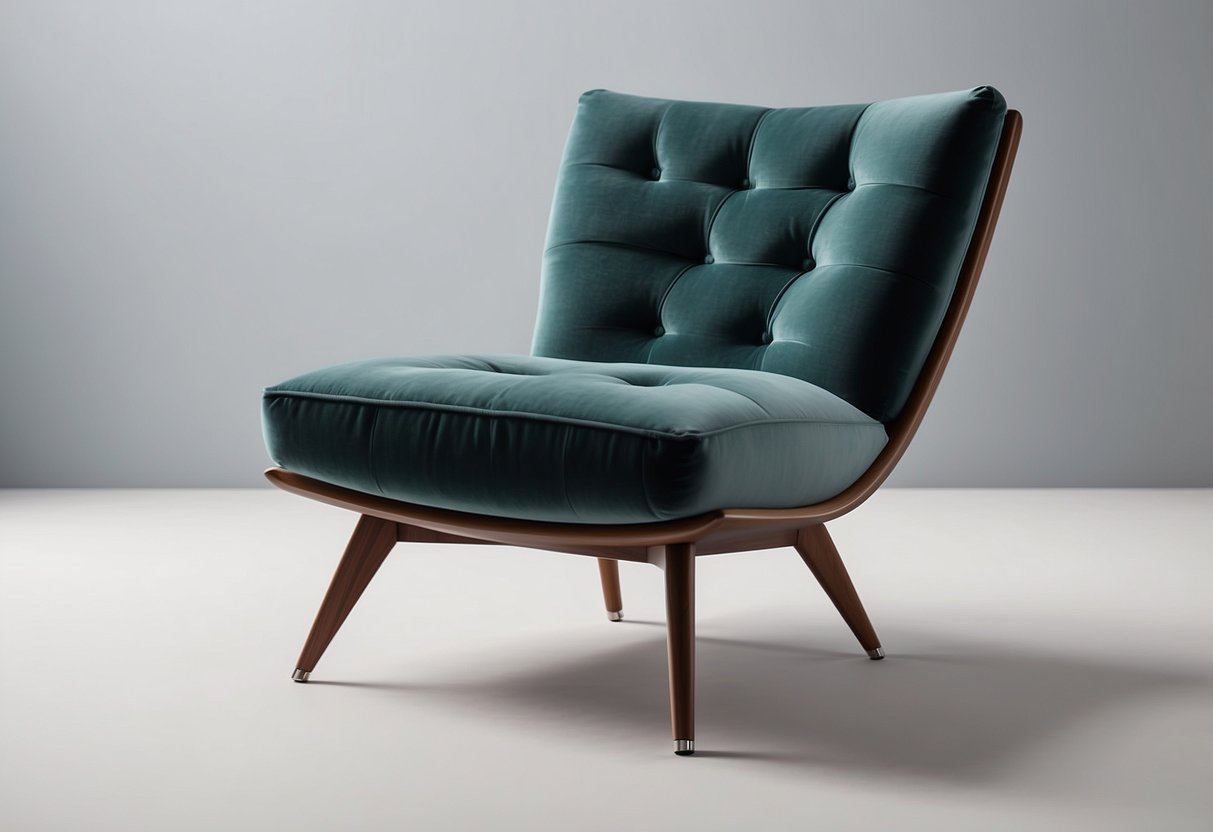
Over the years, French furniture design has evolved to reflect changing tastes and trends. From the ornate and intricate designs of the Baroque period to the clean lines and simplicity of contemporary design, French furniture has maintained its reputation for elegance and sophistication.
Design elements and materials are also an important part of French furniture design. High-quality woods and veneers, luxurious fabrics, and decorative embellishments are often used to create pieces that are both functional and beautiful. Whether you’re looking for a statement piece or something more understated, French design furniture has something to offer.

Key Takeaways
- French design furniture is known for its elegance and craftsmanship.
- French furniture design has evolved over time to reflect changing tastes and trends.
- Design elements and materials are an important part of French furniture design.
The Evolution of French Furniture Design
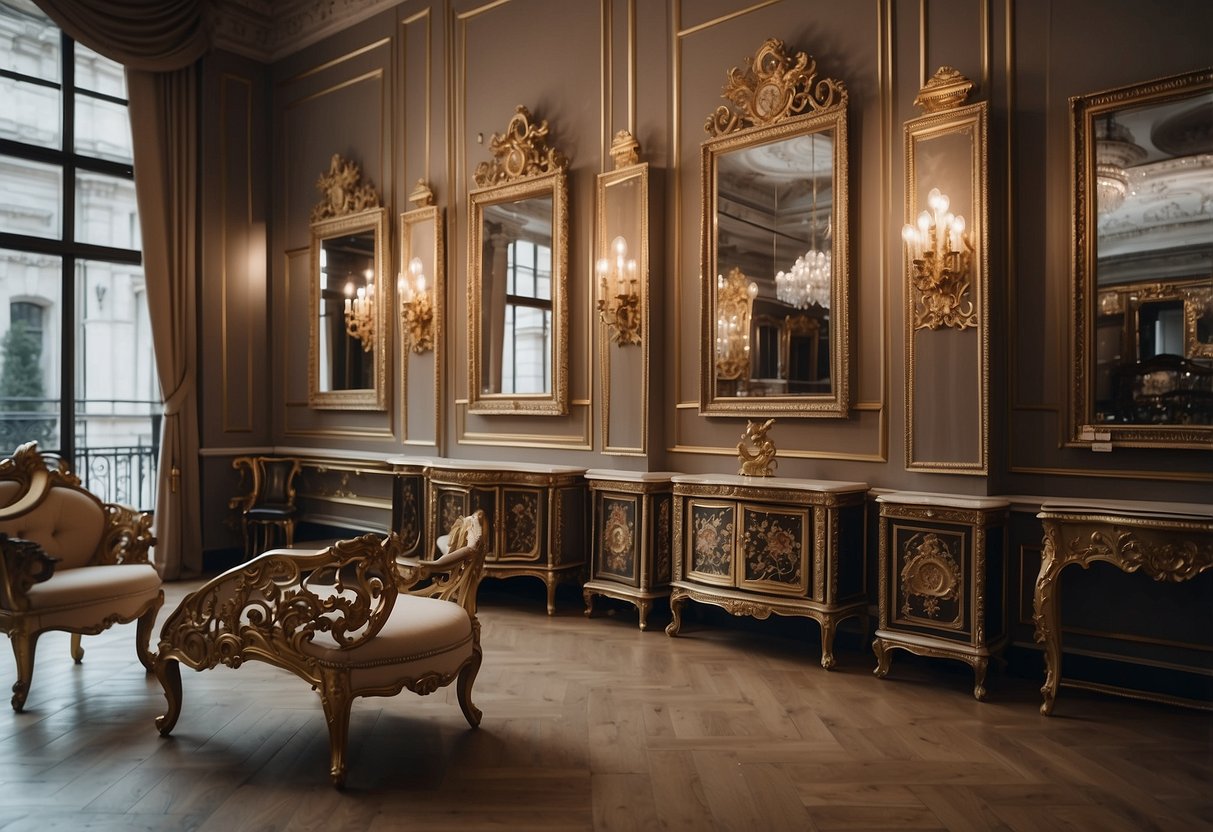
French furniture design has a rich history, influenced by various factors such as wars, revolutions, and the reigns of different monarchs. French furniture styles have evolved over time, reflecting the political and cultural changes in France. In this section, we will explore the historical influences and iconic styles and periods of French furniture design.

Historical Influences
The history of French furniture design can be traced back to the Baroque and Rococo styles of the 17th and 18th centuries. During this time, France was a dominant power in Europe, and the grandeur and opulence of French furniture reflected this. The reigns of Louis XIV, Louis XV, and Louis XVI were particularly influential in shaping French furniture design.
The French Revolution in 1789 marked a significant shift in French furniture design. The opulent and ornate styles of the past were replaced by simpler, more functional designs. The Directoire and Empire styles emerged during this period, characterized by clean lines and classical motifs.
The Restoration period in the early 19th century saw a return to the grandeur and opulence of the past, with furniture styles inspired by ancient Greece and Rome. The reign of Napoleon III in the mid-19th century saw a resurgence of the Empire style, with furniture featuring elaborate decorations and motifs.
Iconic Styles and Periods
One of the most iconic styles of French furniture design is the Louis XV style, which emerged in the early 18th century. This style is characterized by its curved lines, ornate carvings, and delicate details. The Louis XV style was popular throughout Europe and influenced furniture design in other countries.
The Empire style, which emerged during the reign of Napoleon Bonaparte, is another iconic style of French furniture design. This style is characterized by its grandeur and opulence, with furniture featuring elaborate decorations and motifs inspired by ancient Greece and Rome.
The Louis XVI style emerged in the late 18th century and is characterized by its neoclassical motifs and clean lines. This style was influenced by the Enlightenment and the desire for simplicity and functionality in design.
In the early 20th century, the Art Deco style emerged, characterized by its bold geometric shapes, sleek lines, and use of new materials such as chrome and glass. This style reflected the modernist movement and the desire for a break from traditional styles.
French furniture design continues to evolve, combining elements of tradition and innovation to create breathtaking pieces that suit modern lifestyles. Today, designers draw inspiration from past styles while infusing them with contemporary sensibilities, resulting in furniture that is both timeless and relevant.
Design Elements and Materials
Materials and Textures
French design furniture is known for its use of rich and luxurious materials. Some of the most commonly used materials in French furniture include walnut, mahogany, ash, elm, and marble. These materials are often combined with brass, metal, and gilt bronze to create intricate and ornate designs.
In addition to using rich materials, French design furniture also incorporates a variety of textures. Carving, marquetry, and inlay work are often used to add texture and depth to furniture pieces. Flowers, flora, shells, and classical motifs are also commonly used in French furniture design.
Aesthetic Details
French design furniture is known for its ornate and intricate aesthetic details. Ornate carvings, intricate marquetry, and gilded mirrors are just a few examples of the types of details you can expect to see in French furniture design.
When it comes to colours, pastels are often used to create a soft and romantic atmosphere. However, bold colours can also be used to create a more dramatic effect. Cushions, rugs, and other accessories are often used to add pops of colour to a room.
Furniture Types and Accessories
French design furniture encompasses a wide range of furniture types and accessories. Armchairs, sofas, dining chairs, beds, tables, and mirrors are just a few examples of the types of furniture you can expect to see in French design.
Chandeliers, lamps, vases, and dressing tables are also commonly used as accessories in French design. These pieces are often made with the same rich materials and intricate details as the furniture pieces, creating a cohesive and luxurious look throughout the room.
Frequently Asked Questions
What are the defining characteristics of French-style sofas?
French-style sofas are known for their elegant and ornate designs. They often feature curved lines, intricate carvings, and luxurious fabrics such as silk, velvet, or linen. French-style sofas also tend to have high backs and arms, providing a comfortable and supportive seating experience.
Where can one find French design furniture at discounted prices?
You can find French design furniture at discounted prices by looking for sales or clearance events at furniture stores. You can also check online marketplaces or second-hand shops for vintage or pre-owned French furniture. Another option is to look for furniture rental companies that offer high-quality French design furniture for short-term use.
How can you distinguish authentic French furniture from replicas?
Authentic French furniture is typically made from high-quality materials, such as solid wood and hand-carved details. Replicas may use cheaper materials or have machine-made carvings. Look for maker’s marks or labels to verify the authenticity of the furniture. Additionally, authentic French furniture may have aged gracefully, showing signs of wear and tear that add to its character and value.
What types of wood are traditionally used in crafting French furniture?
Traditionally, French furniture is made from hardwoods such as oak, mahogany, and walnut. These woods are known for their durability, strength, and beautiful grain patterns. Other materials such as marble, metal, and glass may also be used in combination with wood to create unique and striking furniture pieces.
What should one look for when purchasing vintage French design furniture?
When purchasing vintage French design furniture, look for pieces that are in good condition and have been well-maintained. Check for any signs of damage, such as cracks, scratches, or missing parts. Look for pieces that have unique features or details that make them stand out, such as hand-carved embellishments or intricate inlays. It’s also important to consider the size and style of the piece, and how it will fit into your existing decor.
How does French furniture design integrate with contemporary home decor?
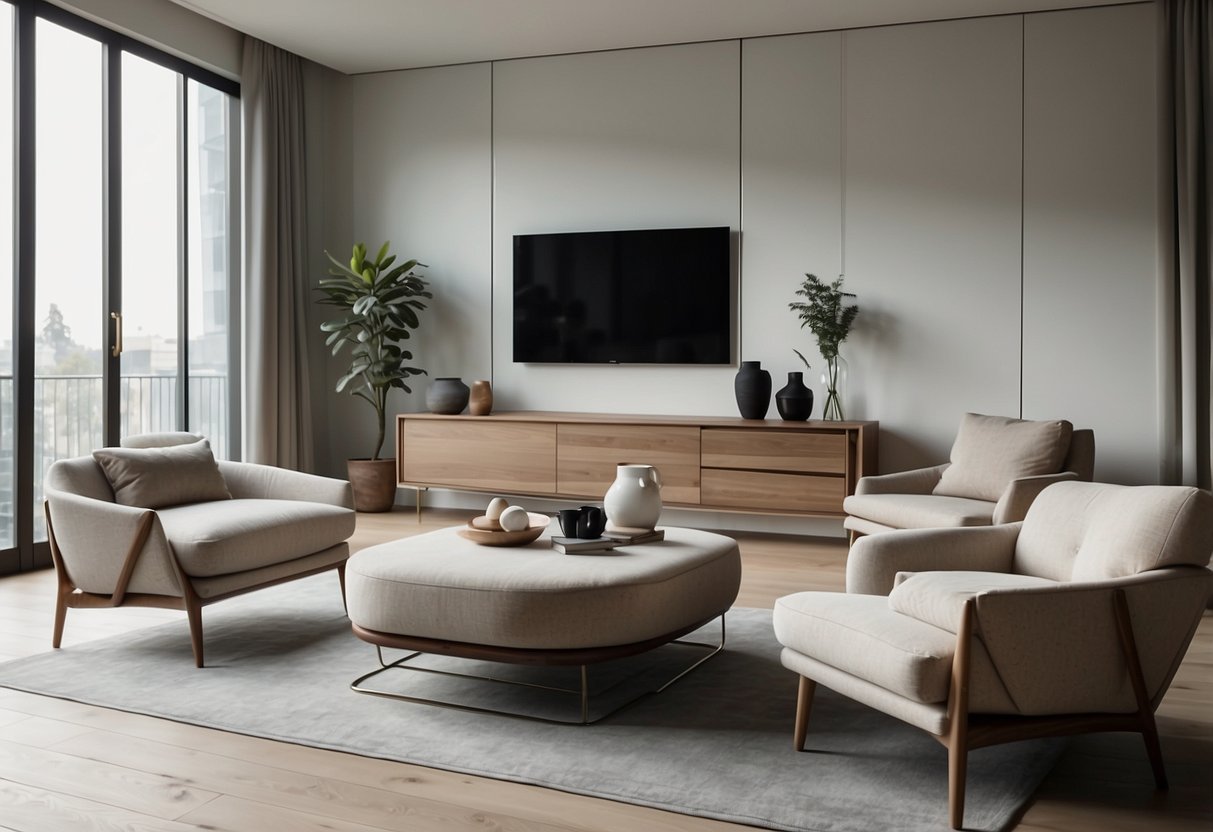
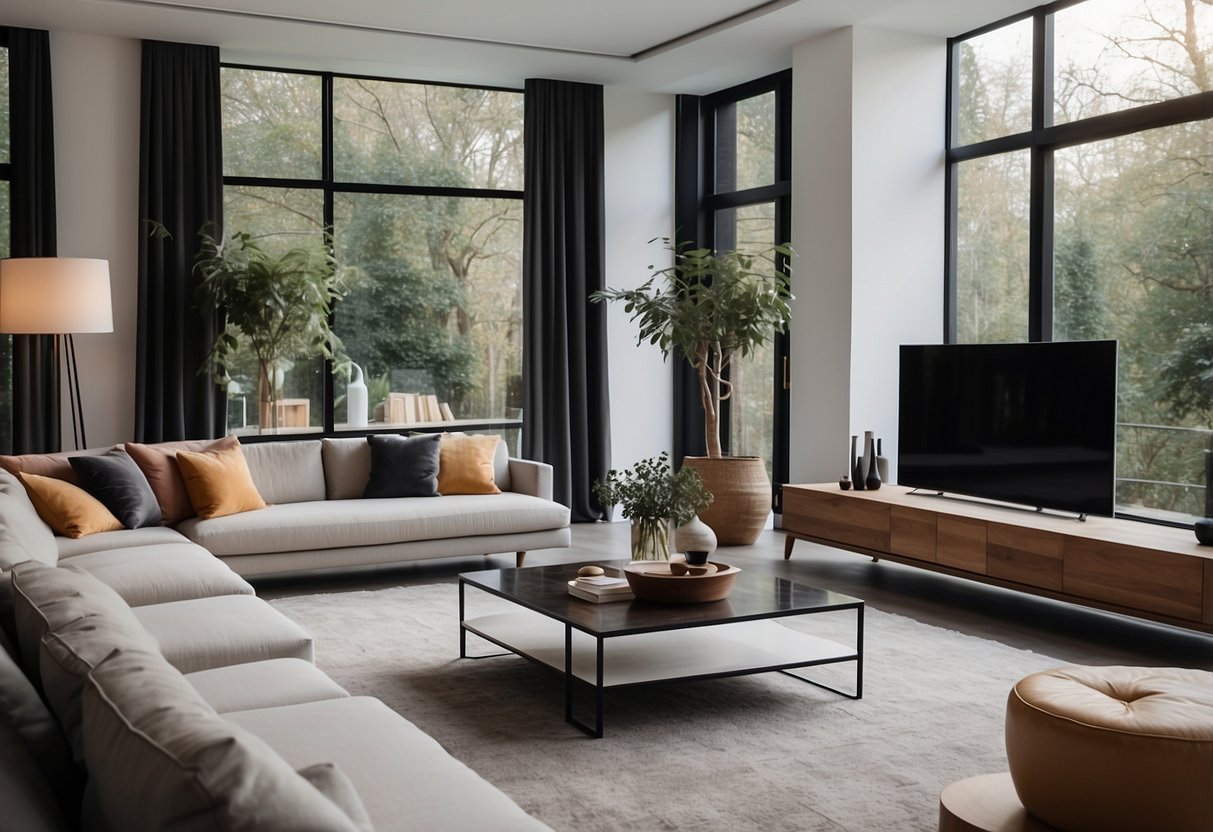
French furniture design can be incorporated into contemporary home decor by using pieces as statement pieces or focal points within a room. Mixing traditional French pieces with modern elements, such as sleek lighting fixtures or abstract art, can create a unique and visually interesting space. Additionally, choosing French-inspired textiles or accessories, such as patterned cushions or ornate vases, can add a touch of French elegance to any room.