DIY Bamboo Furniture: Tips and Tricks for Building Your Own Sustainable Pieces
If you’re looking for a sustainable and eco-friendly way to add unique pieces of furniture to your home, then DIY bamboo furniture may be the perfect solution for you. Bamboo is a fast-growing and renewable resource that is both strong and lightweight, making it an ideal material for furniture construction. Plus, creating your own bamboo furniture can be a fun and rewarding DIY project that you can enjoy for years to come.

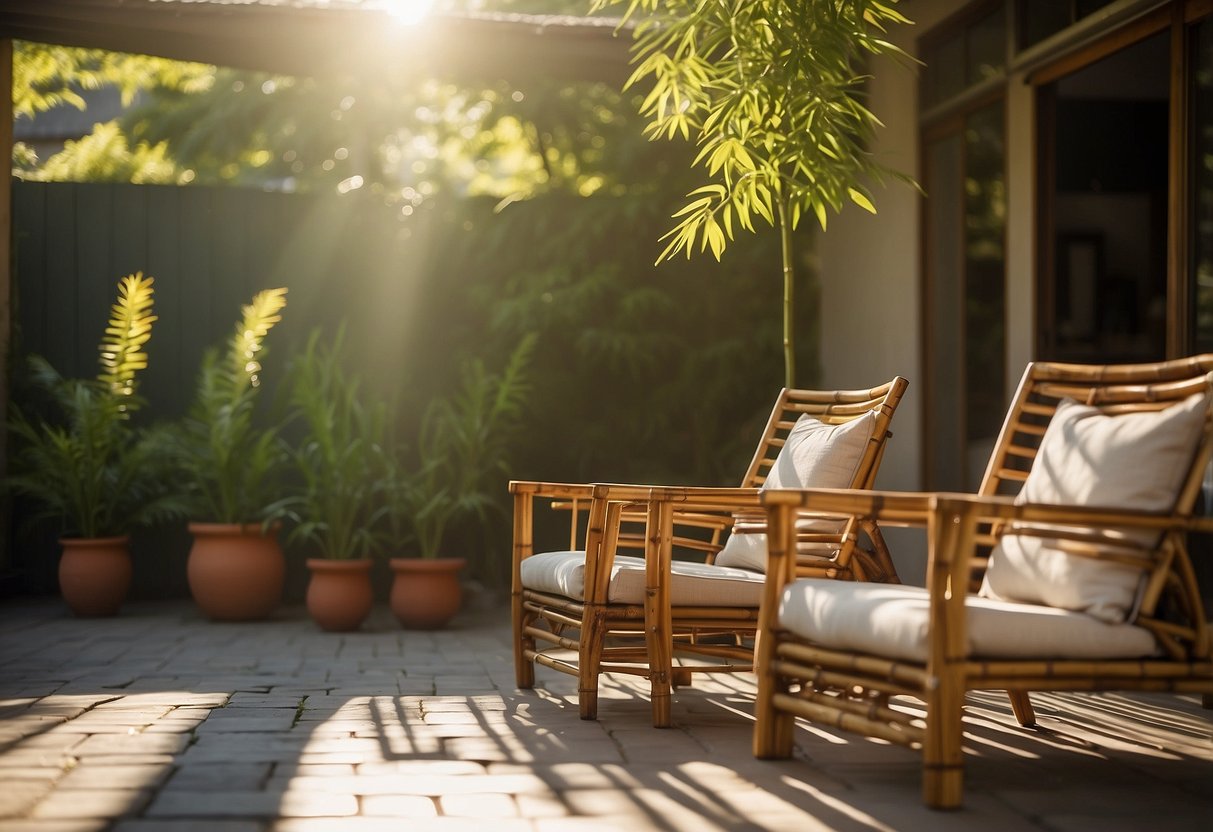
Getting started with bamboo furniture is easier than you may think. With just a few basic tools and some simple techniques, you can create beautiful and functional pieces of furniture that will impress your friends and family. Whether you’re a seasoned DIYer or a beginner, making bamboo furniture is a great way to challenge yourself and learn new skills.
In this article, we’ll guide you through the process of making your own bamboo furniture. We’ll cover everything from selecting the right bamboo to constructing your furniture, and we’ll answer some frequently asked questions along the way. So grab your tools and let’s get started on your DIY bamboo furniture project!
Key Takeaways
- DIY bamboo furniture is a sustainable and eco-friendly way to add unique pieces to your home.
- With just a few basic tools and techniques, you can create beautiful and functional furniture.
- This article will guide you through the process of making your own bamboo furniture, from selecting the right bamboo to constructing your furniture.
Getting Started with Bamboo Furniture
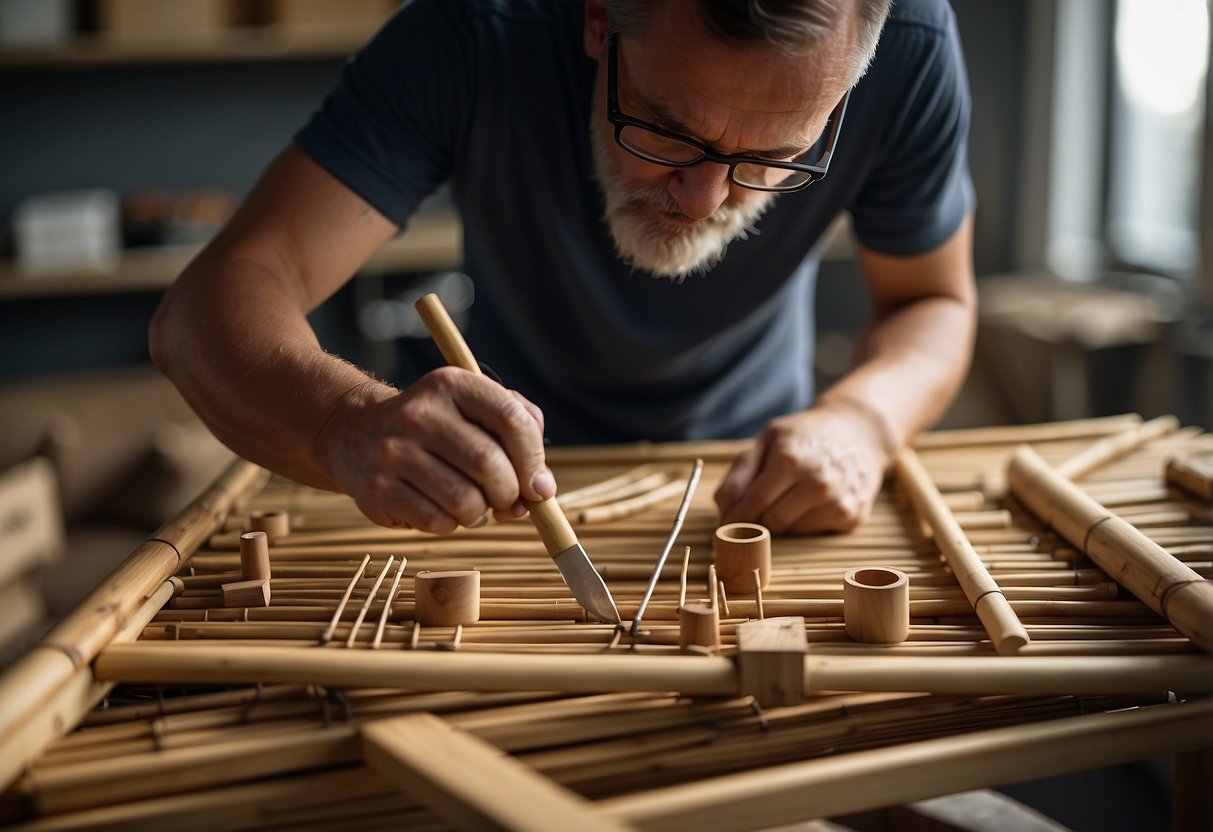
If you are looking for an eco-friendly and sustainable way to add a touch of natural beauty to your home decor, then bamboo furniture might be just what you need. Bamboo is a strong, versatile, and sustainable material that is perfect for crafting unique furniture pieces that can fit both modern and classic styles.

Understanding Bamboo as a Material
Before you start your bamboo furniture project, it’s important to understand the material you are working with. Bamboo is a type of grass that grows quickly and can be harvested without causing damage to the environment. It is a sustainable and eco-friendly option for furniture making.
Bamboo comes in different species, each with its unique characteristics and appearance. Some species are stronger and more durable than others, so it’s essential to choose the right one for your project. You can find bamboo poles and dowels in different dimensions, which makes it easy to create furniture pieces of various sizes and shapes.
Tools and Materials Needed
To make bamboo furniture, you will need an inventory of materials and some hand tools. Here is a list of the essential tools and materials you will need:
- Bamboo poles and dowels
- Wood glue
- Metal nails
- Sandpaper
- Clamps
- Drill
- Saw
- Knife
Design and Planning
Once you have your tools and materials ready, it’s time to start planning your bamboo furniture project. Think about the style you want to achieve and the dimensions of the furniture piece. Sketch out your ideas and make sure to measure everything accurately.
When designing your bamboo furniture, keep in mind that bamboo is a natural material, and its natural beauty should be highlighted. You can choose to leave the bamboo poles and dowels untreated or apply a finish that enhances their natural look.
In conclusion, making bamboo furniture is an enjoyable DIY project that requires some planning, creativity, and patience. With the right tools and materials, you can create unique and sustainable furniture pieces that will add a touch of natural beauty to your home decor.

Constructing Your Bamboo Furniture
Preparing the Bamboo
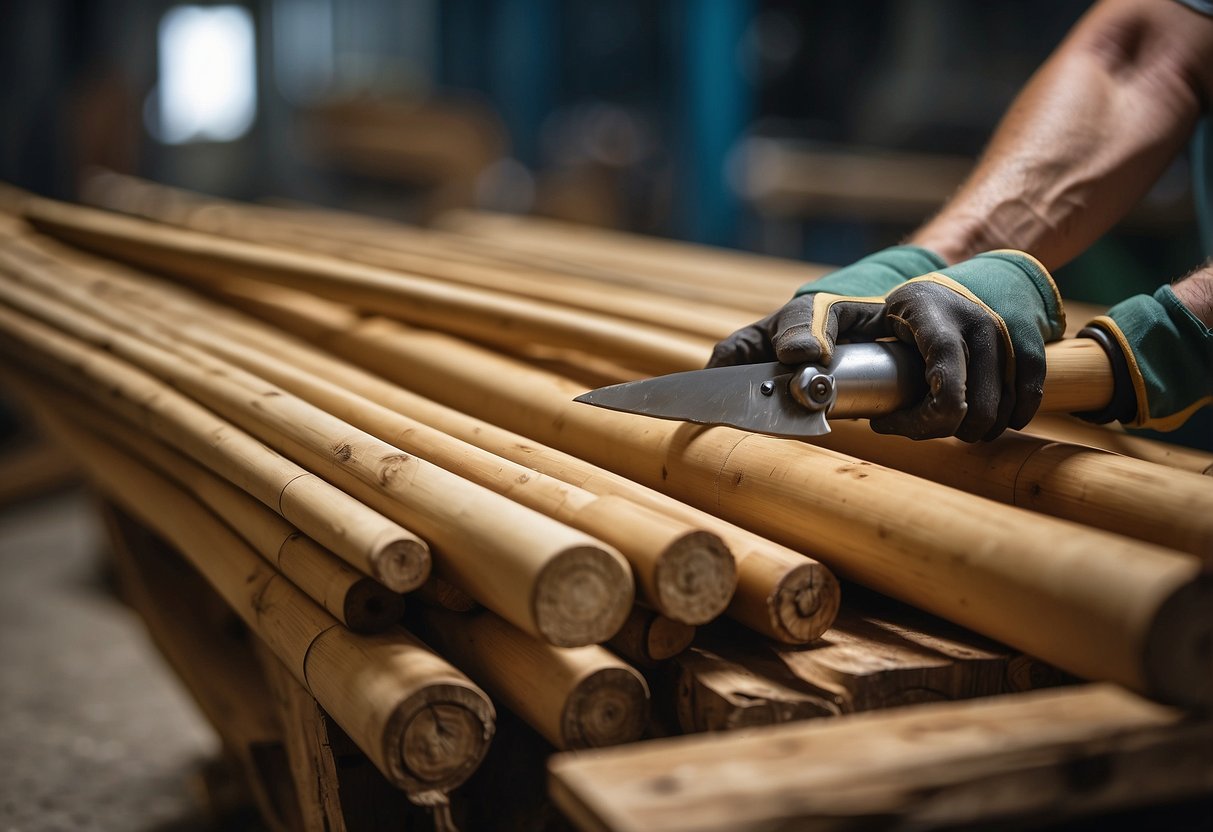
Before you start assembling your bamboo furniture, it’s important to prepare the bamboo itself. Bamboo is a durable and strong material, but it can be prone to splitting and cracking if it’s not treated properly. To prepare your bamboo, you’ll need to follow these steps:
- Cut your bamboo to the desired length using a saw or machete.
- Remove any rough edges using a sharp knife or a bamboo planer.
- Sand the bamboo to smooth out any rough patches and to create a more polished finish.
- Make bamboo dowels by cutting small sections of bamboo and sanding them down to fit snugly into pre-drilled holes.
Assembling and Joining Techniques
Once you’ve prepared your bamboo, you can start assembling and joining the pieces together. There are a few different techniques you can use to join your bamboo furniture, including:
- Using bamboo dowels to secure the joints. Simply drill holes into the bamboo where you want to join the pieces together, and then insert the dowels and secure them with wood glue.
- Using metal screws or bolts to secure the joints. This technique is more secure than using bamboo dowels, but it can be more expensive and may not look as aesthetically pleasing.
- Using joinery techniques such as mortise and tenon joints or dovetail joints. These techniques require more skill and experience, but they can create very strong and durable joints.
Finishing and Maintenance
Once you’ve assembled your bamboo furniture, you’ll want to apply a finish to protect it and to give it a polished look. There are a few different finishing options to choose from, including:
- Painting the bamboo with a high-quality paint that’s suitable for use on wood. This can be a good option if you want to add some colour to your furniture.
- Applying tung oil to the bamboo to bring out its natural beauty and to protect it from moisture and other environmental factors.
- Adding finishing touches such as decorative trim or bamboo accents to give your furniture a unique and personalised look.
To keep your bamboo furniture looking its best, it’s important to follow some basic maintenance and cleaning methods. Here are a few tips:
- Clean your bamboo furniture regularly with a damp cloth and mild soap.
- Avoid exposing your furniture to direct sunlight or extreme temperatures, as this can cause the bamboo to warp or crack.
- Protect your furniture from moisture by using a waterproof cover or storing it indoors during rainy or humid weather.
Frequently Asked Questions
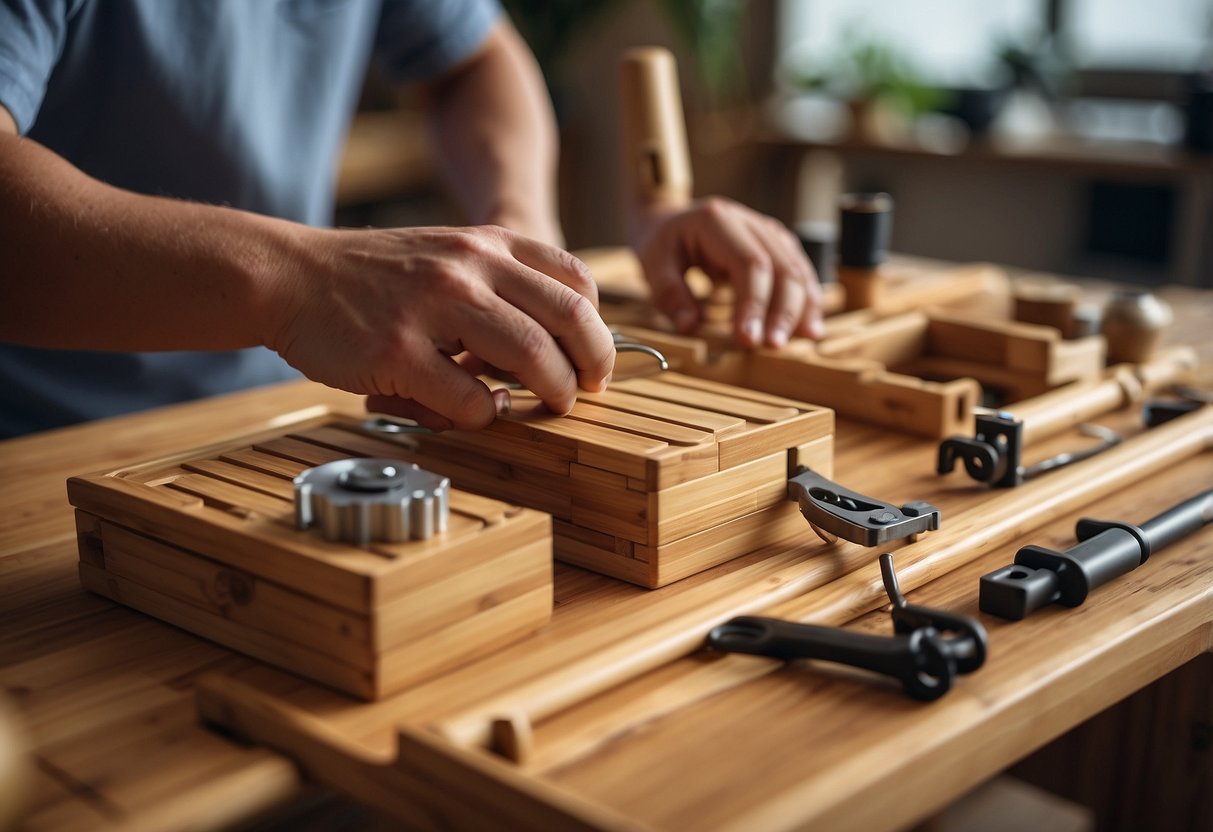
What are some simple steps to create bamboo furniture at home?
To create bamboo furniture at home, you will need to select the right bamboo, prepare it for construction, and build a sturdy frame for your chairs and tables. Some simple steps to follow include sawing, splitting, drilling, sanding, and shaving the bamboo, as well as joining the pieces together using screws or glue.
Where can I find detailed plans for crafting bamboo furniture?
There are many resources available online for finding detailed plans for crafting bamboo furniture. You can search for tutorials on YouTube, browse through DIY blogs and forums, or purchase books and magazines that specialize in bamboo furniture making.
Could you suggest some bamboo furniture designs suitable for DIY projects?
There are many bamboo furniture designs that are suitable for DIY projects, including chairs, tables, bookshelves, and even beds. Some popular designs include the Adirondack chair, the bamboo sofa, and the bamboo coffee table. You can also experiment with your own designs and customize your furniture to suit your needs and preferences.
What are the best techniques for weaving bamboo strips?
Weaving bamboo strips can be a challenging but rewarding process. Some of the best techniques for weaving bamboo strips include using a weaving loom, creating a twill pattern, or braiding the strips together. You can also experiment with different colors and textures of bamboo to create unique and interesting patterns.
How do you care for and maintain bamboo furniture to ensure its longevity?
To ensure the longevity of your bamboo furniture, it is important to keep it clean and dry, avoid exposing it to direct sunlight or moisture, and periodically apply a protective coating of oil or wax. You should also inspect your furniture regularly for any signs of damage or wear and tear, and make any necessary repairs as soon as possible.
What are the essential tools needed for a DIY bamboo furniture project?
Some essential tools for a DIY bamboo furniture project include a saw, a drill, sandpaper, clamps, screws, and glue. You may also need a weaving loom or other specialized tools depending on the design of your furniture. It is important to invest in high-quality tools to ensure that your project turns out well and to avoid any accidents or injuries.