Last updated 7 August 2026. This page was reviewed on that date. Prices, rates and opening hours change often in Singapore — confirm anything that matters directly with the business before you travel or spend.
Quick answer: For a birthday meal that feels properly special, Lawry’s The Prime Rib still delivers that old-school tableside magic, Latido brings a lively Colombian energy perfect for a tight group of friends, The Boiler and Cajun On Wheels do generous seafood buckets with free lobster for the birthday person, and Hai Di Lao makes the whole restaurant stop and sing for you – a bit extra, but that is the point.
For a birthday dinner that matches your personal style, our other article highlights restaurants that suit your vibe.

You’re not just booking a dinner—you’re bringing your favourite people to a table that feels made for catching up, laughing loudly, and maybe making new friends lah. From shared feasts to group-friendly spots, these birthday restaurants in Singapore turn a birthday into something that feels a little more like home.
This is one of 42 guides in Best Restaurants in Singapore by Occasion — start there if you would rather compare before you commit.
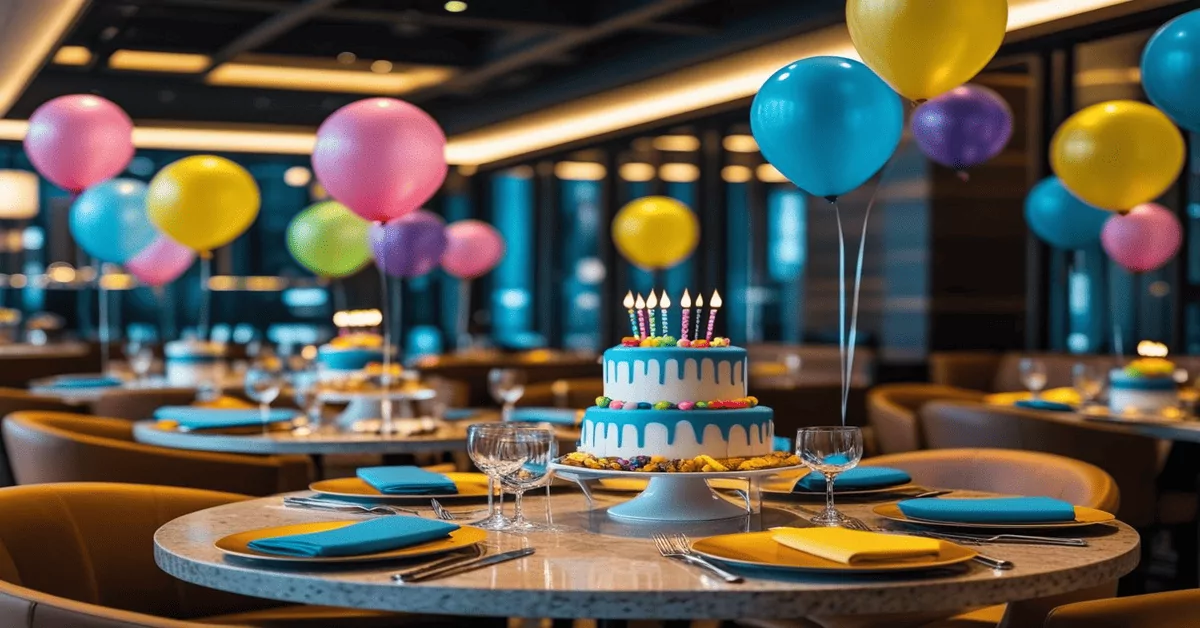
Most of us plan a birthday meal not just for the food, but for the feeling of everyone around the table, the permission to be a bit indulgent, and the photos that make it into the group chat. These seven spots each understand that differently – some go big on theatrics, others on snug corners and a menu worth returning for. Pick the one that matches the version of you who is turning a year older.
This round-up is editorial. Suggestions are welcome – tell us what you offer and where.
Latido

Latido sits on Tras Street doing something you do not see every day – modern Colombian cooking led by chef Fernando Arevalo, with a room that hums. Counter seats wrap around the open kitchen, which is where you want to be. Catching the rhythm of the grill while someone shucks a corn cake onto your plate turns dinner into a bit of theatre without any fuss.
The menu runs on small plates built to share, which means a birthday group can order freely across the list. Snacks start at $8 – the arepa de chocolo y huevo, a corn cake with pork jowl, gets talked about often. Mains like tender rabbit wraps land at $38, and the whole meal feels like a discovery rather than a set course. There is a liveliness here that suits a milestone birthday with close friends who enjoy trying something new together.
Latido is best for a birthday where the conversation flows as freely as the sharing plates. Snag the counter seats to watch the grill team in action—it turns dinner into your personal show. Suits a small group who like a bit of buzz with their meal, and the open kitchen keeps things feeling intimate and alive.
Address: 40 Tras Street, Singapore 078979
Hours: Tue–Sat, Lunch 12pm–3pm, Dinner 6pm–10pm. Closed Sun & Mon.
Price signal: Snacks from $8, mains around $38.
latido.sg
If your crowd leans adventurous and you want a birthday dinner that does not feel like every other Saturday night in Tanjong Pagar, Latido is a solid pick. It is intimate without being stiff, and the counter setup means someone is always explaining what just landed on the pass.
Related: Best Romantic Restaurants in Singapore — when the meal has to do some work.
Related: Top Rooftop Bars in Singapore — when the view matters as much as the drink.
Lawry’s The Prime Rib

Inside Mandarin Gallery on Orchard Road, Lawry’s has been the answer to “where should we go for a proper celebration” for years. The silver carts, the spinning bowl salad, the prime rib carved tableside – it is the kind of place where a birthday feels like a milestone, not just another dinner booking. Parents and grandparents light up here, and that alone is worth the trip.
The Lawry’s Cut starts at $159, and the birthday perks are real: 50% off a second main, or a free third dish depending on the deal running. Each celebrant gets a complimentary dessert and a photo – small touches that make the evening feel arranged, not improvised. The wine list is built for toasting, and the room is quiet enough that someone can actually give a speech without shouting.
When the birthday calls for something classic, Lawry’s is where the whole family feels at home. The roving silver carts and tableside carving give the night a rhythm that grandparents adore, and the room has that old-school warmth that makes any age feel celebrated. Book a Sunday lunch for a quieter, more relaxed pace.
Address: 333A Orchard Road, #04-01/31 Mandarin Gallery, Singapore 238897
Hours: Sun–Thu 11:30am–10pm, Fri–Sat & Eve of PH 11:30am–10:30pm
Price signal: Lawry’s Cut from $159; birthday deals available.
lawrys.com.sg
Choose Lawry’s when the occasion calls for dressing up, when the guest list spans generations, and when you want the evening to feel like it was planned. It also works surprisingly well for a small, elegant lunch celebration if dinner slots are tight.
This round-up is editorial. Suggestions are welcome – tell us what you offer and where.
When a calm, intimate setting matters more than a lively party, our guide points to birthday restaurants for the quiet celebration.
Shin Minori

At UE Square on Clemenceau Avenue, Shin Minori runs a Japanese buffet that feels less like a free-for-all and more like a paced, omakase-style lunch or dinner. Sashimi, sushi, and cooked dishes arrive as you order them, which keeps the table tidy and the quality consistent. For a birthday, that matters – nobody wants to queue at a buffet line with a party hat on.
The birthday draw here is the sushi cake – a ring of fresh fish and rice assembled to look like a celebration cake – plus a complimentary lunch buffet worth $82.60 for members who book during their birthday month. The weekday lunch crowd is a mix of friends and couples who know exactly what they are here for and waste no time getting to the salmon belly.
If your group would rather stay seated than queue at a buffet line, Shin Minori gets it right. The a-la-carte buffet keeps the table tidy and the mood chilled—perfect for catching up over sashimi platters. The sushi cake is a clever birthday touch, and the calm atmosphere means you can actually hear the birthday song.
Address: #03-15/16 UE Square, 81 Clemenceau Avenue, Singapore 239917
Hours: Daily, Lunch 12pm–2:30pm, Dinner 6:15pm–10:15pm
Price signal: Buffet pricing; complimentary lunch (worth $82.60) for birthday members.
shinminori.com.sg
This is the one for the sushi kaki in your life – the friend who can put away twenty pieces and still ask what is next. The sushi cake photographs well, the pacing is relaxed, and nobody leaves hungry.
For a broader look at celebratory dining beyond this list, our Birthday Dinner Spots in Singapore guide has more options worth bookmarking.
Hai Di Lao

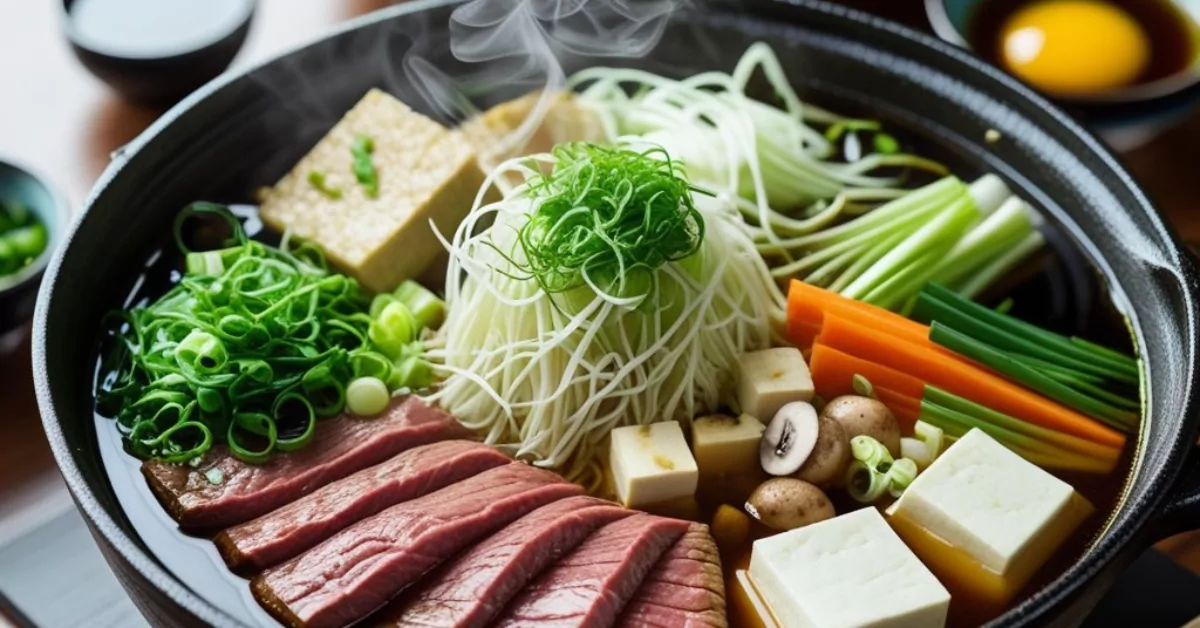
Everyone knows what Hai Di Lao does. The hotpot broths, the noodle-pulling show, the manicure while you wait – but for birthdays, they dial it up. LED signs come out, the staff gather, and suddenly half the restaurant is clapping along. It is over the top, and that is the whole appeal. Head to the Century Square outlet in Tampines for a reliably energetic crowd.
The birthday package typically includes a fruit platter or a cake, sometimes both, and the signature mala broth anchors a meal that can include house-made noodles and fresh seafood. Starting from around $20 per person, it scales up depending on what you order, so a group can keep things reasonable or go all out with the premium cuts.
Perfect when you jio a big bunch of kakis and want the whole restaurant to feel like your party. The collective clap-along turns strangers into temporary cheerleaders, and the communal hotpot keeps everyone sharing and chatting. It is boisterous, warm, and made for the birthday person who would rather the spotlight land on the whole table.
Address: 2 Tampines Central 5, #02-22 Century Square, Singapore 529509
Hours: Mon–Fri 11am–2am, Sat–Sun 10:30am–2am
Price signal: From $20 per person; birthday treats included.
haidilao-inc.com/sg
Pick Hai Di Lao when the birthday person thrives on attention, when the group spans non-stop eaters and picky eaters alike, and when a late-night supper celebration sounds better than a stiff dinner. The 2am closing time on weekends means zero rush.
If you are also hunting for a pre-dinner treat, our round-up of Oysters in Singapore covers some proper starts to an evening out.
Fortuna

On Craig Road in Tanjong Pagar, Fortuna runs on 50-hour fermented pizza dough and the kind of Italian warmth that makes a birthday feel like a neighbourhood party. The owners work the room, the oven stays busy, and the noise level is just right – enough buzz to feel festive, not so loud you cannot talk.
Pizzas start at $22, with standouts like the Not Just 4 Cheeses and a smoked margherita that arrives with a bit of drama. The mafalde ragu is a pasta worth ordering even if you came for the pizza. Birthdays here are less about a formal perk and more about the feeling of being looked after – the team makes sure the table is having a good time, and that counts for a lot when you are hosting a group.
Fortuna nails the kind of birthday where good pizza and easy conversation take centre stage. The owners make you feel like regulars even if it’s your first visit, and the room hums with just the right energy—lively but never shouty. Grab the long table near the oven for the best people-watching and that fresh-from-the-fire aroma.
Address: 7 Craig Road, Tanjong Pagar, Singapore 089667
Hours: Lunch daily 12pm–3pm (LO 2:30pm). Dinner Sun–Wed 5:30pm–10pm (LO 9:15pm), Thu–Sat 5:30pm–11pm (LO 10:15pm)
Price signal: Pizzas from $22, pastas available.
fortunadrinkeat.sg
Choose Fortuna for a casual-but-stylish birthday where the food is the star. The Thursday-to-Saturday late dinner slot at 11pm makes it a natural fit for a second stop or a relaxed evening that starts late. It suits mixed groups who want good wine, good carbs, and zero pretence.
Our guide to Alfresco Dining Spots in Singapore pairs well if you are weighing indoor versus outdoor birthday settings.
The Boiler

The Boiler Seafood Bar & Beer at Esplanade Mall does Louisiana-style seafood buckets that land on the table with a satisfying thud. Crabs, prawns, clams – the Bombdiggity Bag at $189 is built for sharing, and the birthday gift is a free Boston lobster when you order it. That is the kind of math a celebrant can appreciate.
Bibs on, hands messy, craft beer flowing – the whole setup is designed for groups who want to eat with their fingers and laugh about it. The Esplanade location means you can spill out afterwards for a walk by the water, which is a nicer end to a birthday than scrambling for a late-night cab from a mall basement.
The Boiler is all about the mess and the joy of a seafood feast shared with good friends. Bibs on, hands in, and the Louisiana-spiced aroma makes everything taste like a celebration. It’s the kind of place where the birthday person gets the first crack at the crab, and everyone leaves with sticky fingers and a full heart.
Address: 8 Raffles Ave, #01-13A, Esplanade Mall, Singapore 039802
Hours: Daily, Lunch 11:30am–2:30pm (LO 2:15pm), Dinner 5pm–10:30pm (LO 9:15pm, 9:30pm on PH)
Price signal: Bombdiggity Bag $189; free Boston lobster for the birthday guest.
theboiler.com.sg
This is your spot if the birthday person would rather crack crab legs than cut steak. It rewards a group of four or more, and the lobster perk is a genuine value-add rather than a token. Book ahead – birthday tables here disappear fast on weekends.
Cajun On Wheels

At Plaza Singapura, Cajun On Wheels brings the same hands-on seafood energy with a halal-certified menu, which opens up the guest list considerably. The Olympian Bucket is the big-group play, loaded with crabs, prawns, and that punch of Cajun spice that builds as you eat. Birthdays come with a free lobster when you order the signature bag – a straightforward deal that does not need fine print.
Starting from $254, the buckets are a commitment, but split across a table of friends the per-head cost feels reasonable for a proper feast. The Orchard Road location means it is central, easy to get to, and surrounded by dessert options for the post-seafood sugar run.
Cajun On Wheels opens up the guest list in the best way—halal-certified means no one gets left out. The Olympian Bucket lands like a party on the table, and the Cajun spice creeps up nicely as you go. Central at Plaza Sing, it’s easy to rally the whole gang after work or on a weekend.
Address: 68 Orchard Road, #03-92, Plaza Singapura, Singapore 238839
Hours: Daily, 11am–10pm
Price signal: Buckets from $254; free lobster on the birthday with a signature bag purchase.
cajunonwheels.com
Cajun On Wheels suits a mixed group where dietary needs vary – the halal certification means everyone can dig into the same bucket. It is also a strong pick if you are already at Plaza Sing for a movie or shopping and want the celebration built into a day out rather than a standalone dinner.
For a different kind of celebration altogether, our Elevate Celebration guide covers some properly lavish alternatives.
How to choose
The right birthday spot depends on who is coming and what kind of evening you want to remember.
Group size and vibe: Large, rowdy tables work best at Hai Di Lao, The Boiler, and Cajun On Wheels – places where sharing is built into the format and noise is part of the charm. Smaller, more intimate groups of four to six will appreciate the counter seats at Latido or the warm dining room at Fortuna. Lawry’s and Shin Minori land in the middle – big enough for a family table but quiet enough for conversation.
Budget per head: Expect to spend around $20–$40 at Hai Di Lao if you keep orders modest; $50–$80 at Fortuna and Shin Minori; $80–$150 at Latido and the seafood bucket spots; and $150–$250+ at Lawry’s. These are rough ranges – drinks, sides, and how hungry your friends are will shift the final bill.
Birthday perks that matter: A complimentary lobster (The Boiler, Cajun On Wheels), a free buffet lunch (Shin Minori for members), or a dessert-and-photo moment (Lawry’s) are not just gimmicks – they can meaningfully offset the cost for the birthday person. Check each restaurant’s current terms; some require advance booking or membership sign-up.
Dietary needs: Cajun On Wheels is halal-certified, which is a deciding factor for many groups. Shin Minori and Hai Di Lao can accommodate vegetarians and pescatarians with some planning. Fortuna pizzas can be adapted, but cross-contamination is a kitchen reality – call ahead if it is a serious concern.
Location and flow: If the meal is part of a larger outing, Orchard Road (Lawry’s, Cajun On Wheels) and Esplanade (The Boiler) give you plenty to do before or after. Tras Street (Latido) and Craig Road (Fortuna) put you in the middle of Tanjong Pagar’s bar scene, which is either a bonus or a distraction depending on the plan.
| Restaurant | Best for | Birthday perk | Price signal |
|---|---|---|---|
| Latido | Adventurous small groups | Check with the business | Snacks from $8, mains ~$38 |
| Lawry’s The Prime Rib | Multi-generational elegance | 50% off second main, free dessert + photo | Lawry’s Cut from $159 |
| Shin Minori | Sushi lovers, relaxed pacing | Free sushi cake; complimentary lunch (members) | Buffet pricing |
| Hai Di Lao | High-energy groups, late-night | Fruit platter or cake | From $20 per person |
| Fortuna | Casual Italian, mixed ages | Check with the business | Pizzas from $22 |
| The Boiler | Group seafood feasts, shared buckets | Free Boston lobster with Bombdiggity Bag | Bag $189 |
| Cajun On Wheels | Halal seafood, central location | Free lobster with signature bag | Buckets from $254 |
Summary
A birthday meal in Singapore lands differently depending on what kind of celebration you are after. Lawry’s brings the white-tablecloth moment, Latido and Fortuna keep things stylish without the starch, and the seafood bucket spots at Esplanade and Plaza Singapura make a mess worth remembering. Pick the one that matches the guest list and the energy you want – there is a good night waiting at each of them.
Disclaimer: All details here were accurate at the time of writing. Operating hours, menu items, and birthday perks can change without notice, so do confirm directly with the restaurant before you book.
Read next
Frequently asked questions
Which birthday restaurant in Singapore gives the best free perk?
The Boiler and Cajun On Wheels both offer a free Boston lobster for the birthday person when you order their signature seafood bag. Shin Minori gives members a complimentary lunch buffet worth $82.60. Lawry’s runs a 50% off second main deal plus a free dessert and photo.
Are there halal-certified birthday dining options on this list?
Yes. Cajun On Wheels at Plaza Singapura is halal-certified, making it the pick when your group includes Muslim friends or family. The menu covers generous seafood buckets with free lobster on birthdays.
Which spot is best for a big, loud group celebration?
Hai Di Lao thrives on group energy – the staff sing, the LED signs flash, and the hotpot format means everyone eats at their own pace. The Boiler and Cajun On Wheels also suit big tables with hands-on seafood buckets built for sharing.
Where should I book for a quiet, elegant birthday dinner?
Lawry’s The Prime Rib in Mandarin Gallery is the classic choice – tableside carving, a hushed dining room, and service that understands the assignment. Latido offers counter seats with a more modern, intimate feel if you prefer something less traditional.
Do these restaurants require advance booking for birthdays?
Most do, especially on weekends. Lawry’s, The Boiler, and Shin Minori can fill up quickly for dinner slots. Hai Di Lao accepts walk-ins but a reservation saves waiting time. Always call ahead and mention it is a birthday – some perks need advance notice.
What is a fair budget to expect per person?
It spans quite a range. Hai Di Lao starts from about $20 per person if you keep it simple. Fortuna pizzas are around $22, while a full meal with drinks there might land at $50–$70. Latido mains hit $38 before sides. The seafood buckets at The Boiler ($189) and Cajun On Wheels ($254) are best split among four or more. Lawry’s starts from $159 per main.