

Congestive Heart Failure After Stroke: What You Need to Know
Understanding what happens to your heart after a stroke is crucial for managing your health. After a stroke, the risk of developing congestive heart failure is significantly higher. This connection means that a stroke can set off a chain of events, leading to serious heart issues. It’s important to know the signs and seek immediate care.

Congestive heart failure (CHF) can occur due to the stress a stroke places on your body. This heightened strain can lead to an increased risk of heart attacks or other heart-related complications. By staying informed about how CHF progresses after a stroke, you can take steps to manage your health better.
Recognising the link between stroke and CHF will help you prepare and potentially minimise risks. Keep an eye out for symptoms such as shortness of breath or swelling in your legs. Early intervention can make a big difference in your quality of life.
Key Takeaways
- Stroke significantly raises the risk of congestive heart failure.
- Early recognition of symptoms can help manage and minimise heart issues.
- Understanding the connection helps you stay proactive about your health.
Understanding Congestive Heart Failure after Stroke
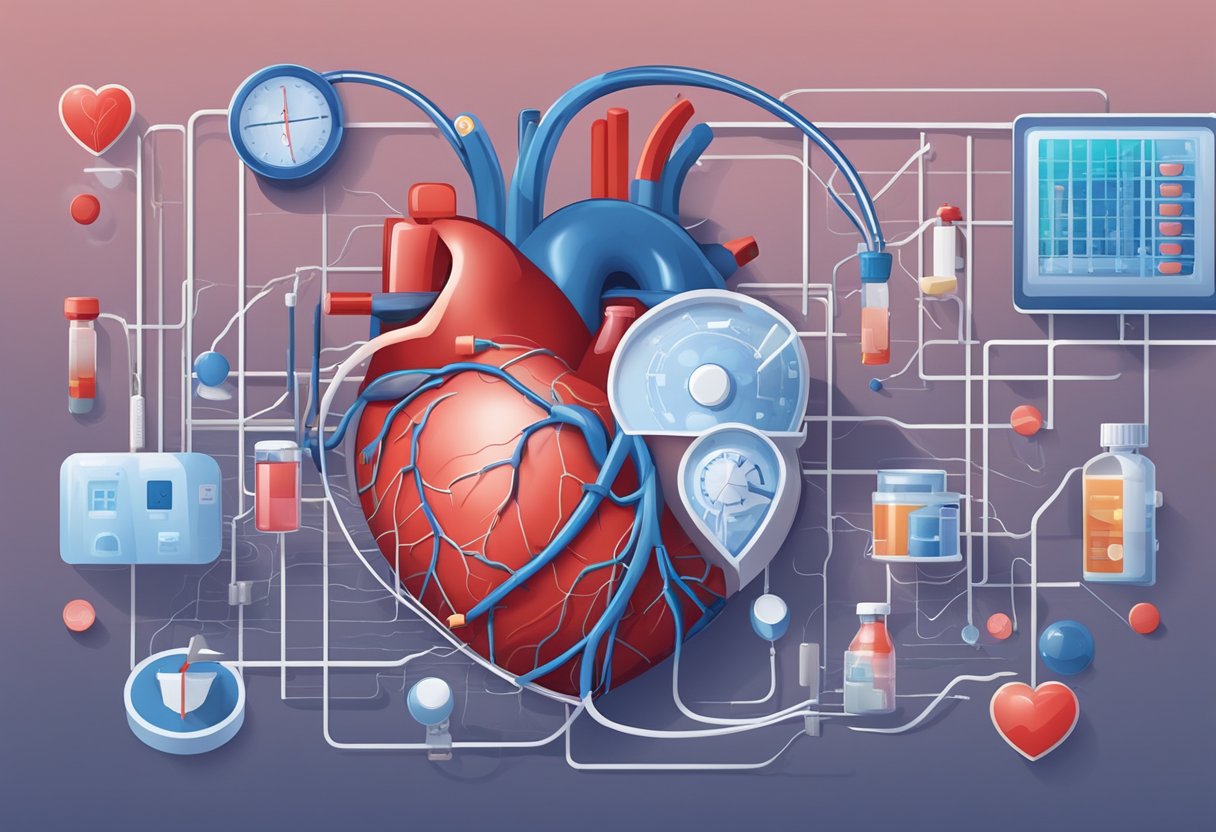
Congestive heart failure (CHF) post-stroke is a serious condition where complications like ventricular filling issues and ejection fraction impairment arise. The following subsections explore the causes, risk factors, symptoms, and diagnostic methods specific to CHF after stroke.

Etiology and Risk Factors
Congestive heart failure after a stroke can arise due to a variety of causes and risk factors. Ischemic stroke increases the risk of CHF by damaging heart tissues and affecting blood flow. Conditions like hypertension, diabetes, and atrial fibrillation further elevate the risk. Coronary artery disease also plays a significant role.
Lifestyle factors such as smoking and poor diet can worsen the situation. Some patients may have underlying cardiomyopathy or valvular heart disease, predisposing them to CHF after experiencing a stroke. The combination of these risk factors can lead to higher morbidity rates and complicate patient outcomes.
Symptoms and Diagnostic Evaluation
Recognising symptoms early is crucial. Common signs include shortness of breath, especially during physical activity or at night, and swelling in the legs and ankles. Patients might also experience fatigue, irregular heartbeat, and reduced ability to exercise.
Diagnosis involves several methods. Echocardiograms can examine ejection fraction and ventricular filling. Electrocardiograms (ECG) help detect arrhythmias. Blood tests measure substances like B-type natriuretic peptide (BNP) that indicate heart failure. Additional tests like chest X-rays or MRI scans provide detailed images of heart structure and function, aiding in the comprehensive assessment of the condition.
Management and Outcome
Managing congestive heart failure after a stroke involves a combination of medical treatments and lifestyle adjustments. The outcomes of these interventions often depend on various factors like the severity of the stroke and heart disease.
Medical and Non-medical Interventions
Medical Interventions:

- Medications: You might be prescribed ACE inhibitors, beta-blockers, or diuretics to manage heart failure (HF). These help reduce strain on the heart and control symptoms.
- Thrombolysis and Mechanical Recanalization: For certain patients, treatments like intravenous thrombolysis and mechanical recanalization are used to restore blood flow after an ischemic stroke.
Non-medical Interventions:
- Lifestyle Changes: It’s crucial to incorporate a heart-healthy diet, regular exercise, and avoid smoking. These can help manage HF symptoms and improve your overall quality of life.
- Monitoring: Regular check-ups with your healthcare provider ensure your treatment plan is effective and can be adjusted as needed.
Prognosis and Quality of Life
The prognosis for patients with congestive heart failure post-stroke can be mixed.
- Mortality Rate: Patients with HF have a higher risk of cardiovascular death after a stroke. The mortality rate and long-term outcomes can vary based on comorbidities, the severity of HF, and the extent of brain damage.
- Quality of Life: Managing HF effectively can enhance your quality of life. Many patients experience improved symptoms and functional abilities with proper treatment and lifestyle changes.
- Long-term Outcomes: Both HF with reduced ejection fraction (HFrEF) and HF with preserved ejection fraction (HFpEF) influence recovery. Close monitoring and adherence to ESC guidelines can improve outcomes.
In summary, understanding and managing these aspects is crucial in the care of patients with congestive heart failure after a stroke.
Frequently Asked Questions

Living with both heart failure and having experienced a stroke can be overwhelming. To help, we’ve compiled some of the most common questions related to these conditions.
What is the prognosis for those with both heart failure and stroke?
If you have both heart failure and stroke, you may face several health challenges. The combination often leads to a higher risk of complications. However, with proper medical care and lifestyle changes, many individuals can manage their conditions effectively.
What is the survival rate for individuals experiencing both a stroke and heart failure?
The survival rate for people experiencing both conditions varies. Factors like age, severity of the heart failure, and promptness of treatment play crucial roles. Generally, the presence of both conditions can reduce life expectancy, but many people do live for several years with appropriate care.
How might a stroke influence one’s heart function?
A stroke can impact your heart function significantly. It may lead to arrhythmias, and if your heart has to work harder to pump blood through partially blocked arteries, it might contribute to heart failure. Monitoring and managing heart health after a stroke is essential.
Can heart failure be a consequence of a stroke?
Yes, heart failure can sometimes follow a stroke. This is due in part to the stress a stroke puts on the heart, and potential damage to the cardiac muscle or arteries. Stroke survivors should have their heart function closely monitored to catch any early signs of heart failure.
What tends to be the leading cause of mortality in post-stroke patients?
For individuals who have had a stroke, cardiovascular complications are often the leading cause of death. This includes heart attacks, heart failure, and recurrent strokes. Continuous medical supervision and preventive measures are vital to reduce these risks.
What are the odds of enduring a heart attack following a stroke, and what factors might influence it?
The chances of having a heart attack after a stroke are increased. Factors such as existing cardiovascular disease, the severity of the stroke, and overall heart health can influence this risk. Lifestyle changes, medications, and regular check-ups are important to minimise the risk.