

Campaign Furniture: The Portable Solution for Your Next Adventure
If you’re someone who loves to travel or move around frequently, you may have come across the term “campaign furniture. This is a type of furniture that was originally designed for military campaigns, but has since become a popular choice for anyone who needs furniture that is easy to move around.
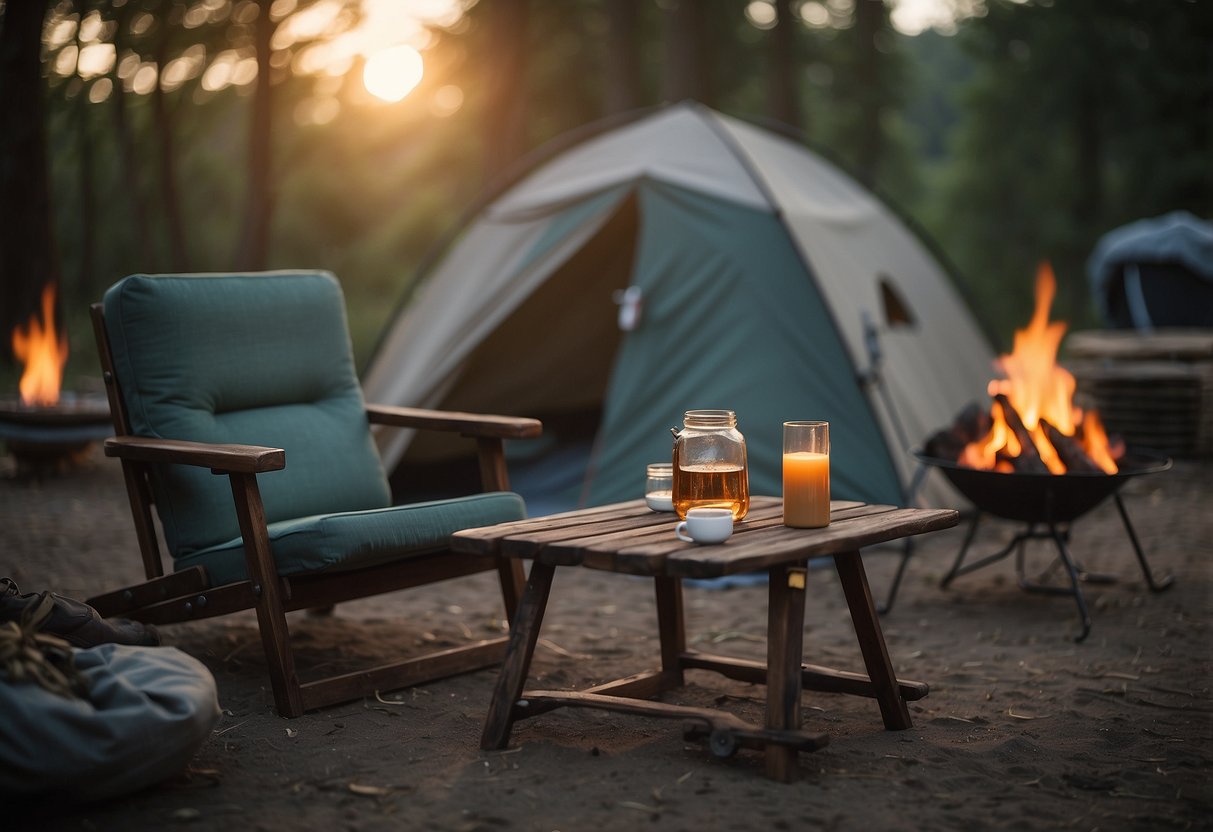
Campaign furniture is known for its portability and durability, making it a great choice for people who are always on the go. The furniture is designed to be easily disassembled and packed away, making it ideal for travel. Despite its practicality, campaign furniture is also stylish and elegant, with a unique design that sets it apart from other types of furniture.
In this article, we’ll take a closer look at campaign furniture, exploring its history, design, and functionality. We’ll also answer some frequently asked questions about this type of furniture, so you can decide if it’s the right choice for your needs.

History and Evolution of Campaign Furniture
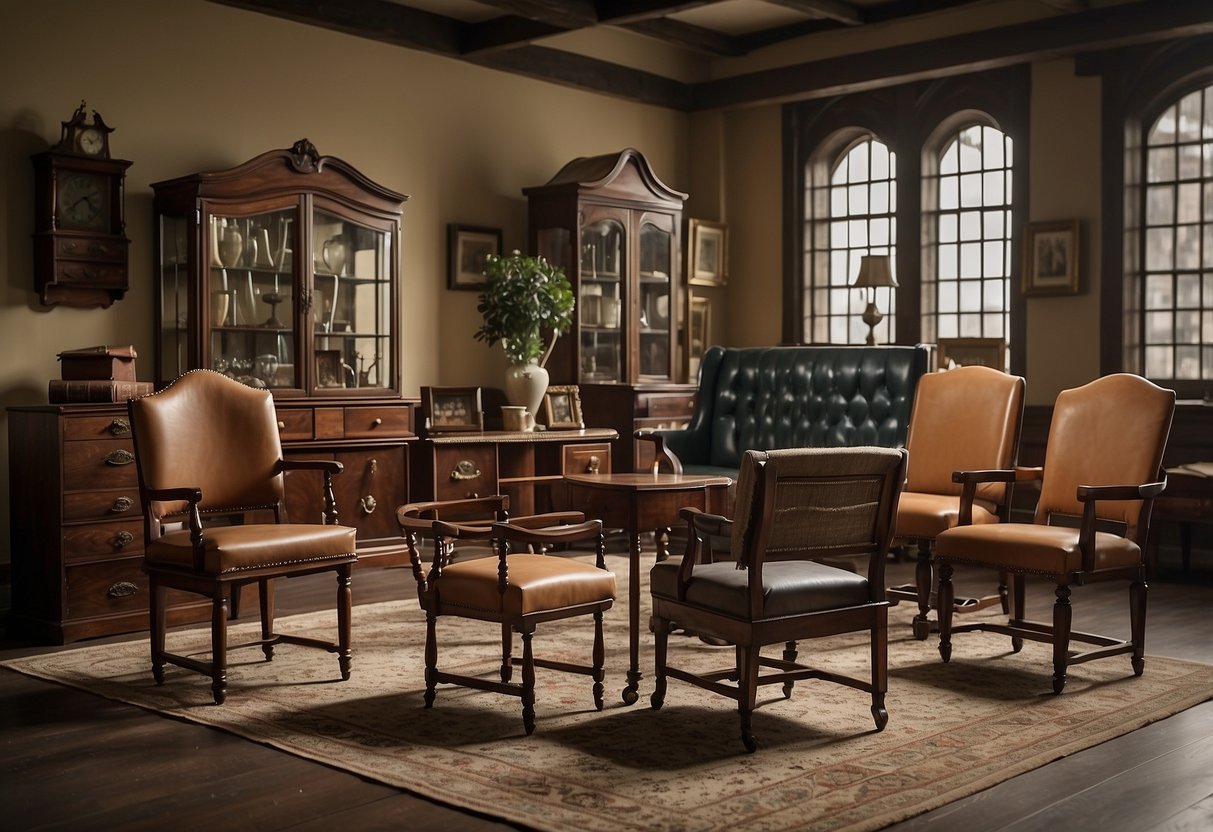
Campaign furniture has a rich history that dates back to the British Empire in the 19th century. Over the years, it has evolved to become a popular choice for military campaigns, as well as for civilians who require portable furniture for travel purposes.

Origins in the British Empire
The origins of campaign furniture can be traced back to the British Empire, where it was first used by military officers who required portable furniture that could be easily transported during long campaigns. The furniture was designed to be lightweight, compact, and durable, making it easy to pack and transport.
During the 18th century, furniture makers such as Chippendale and Sheraton began to produce campaign furniture for the British military. These pieces were often made from high-quality materials such as mahogany and brass, and were designed to be both functional and stylish.
Popularity During the Victorian Period
The Victorian period saw a surge in the popularity of campaign furniture, as more people began to travel for leisure and exploration. The furniture was also popular among the wealthy, who used it to furnish their country estates and summer homes.
During this period, campaign furniture became more elaborate and decorative, with intricate designs and embellishments. Furniture makers such as Thomas Butler and John Pound produced some of the finest examples of campaign furniture during this time.
Use by Military and Civilians
Campaign furniture continued to be used by the military throughout the 19th and early 20th centuries, with the Duke of Wellington, 1st Duke of Wellington being a notable user. However, it also became popular among civilians who required portable furniture for travel purposes.
Today, campaign furniture continues to be a popular choice for those who require portable and durable furniture. Its rich history and evolution make it a unique and interesting addition to any collection.
Design and Functionality
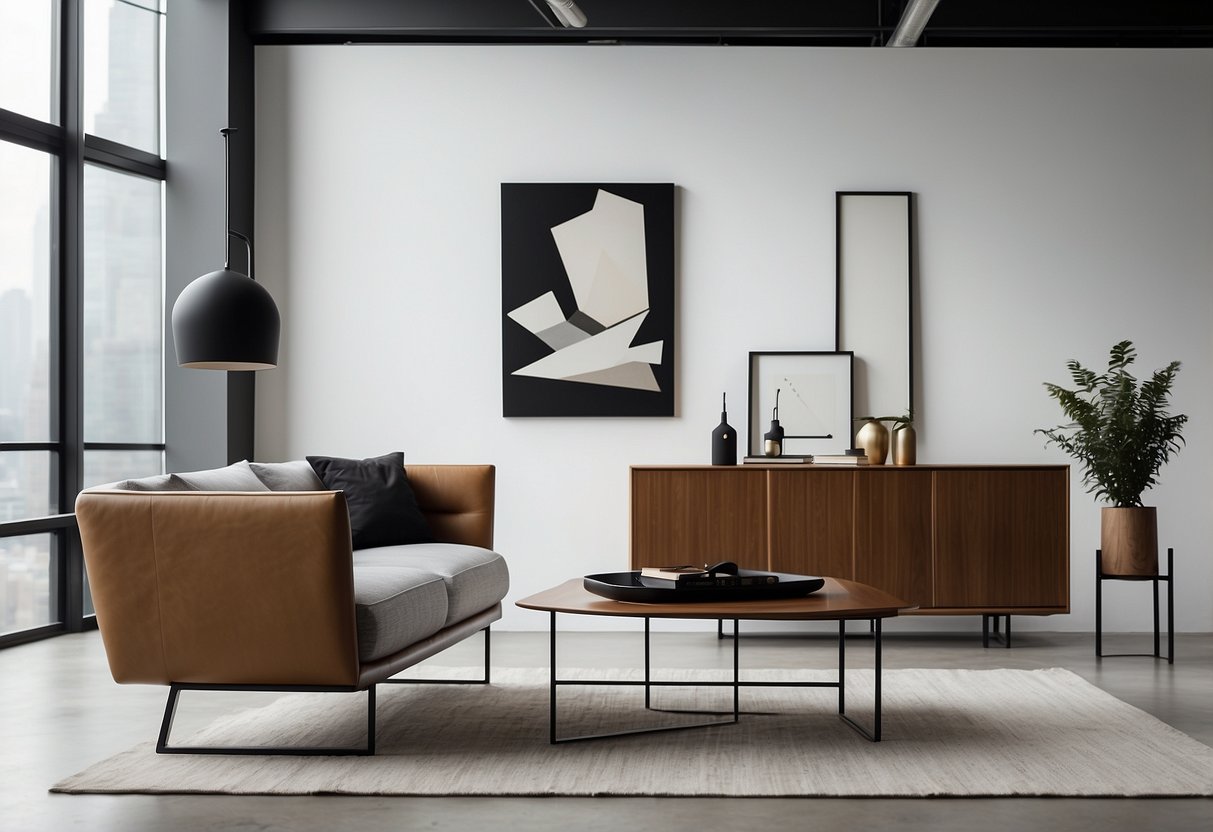
Campaign furniture is renowned for its portability and durable construction, making it a popular choice for those who travel frequently. The furniture is designed to be easily dismantled and packed into storage cases for transportation. Here are some key features of campaign furniture:
Portable and Durable Construction
Campaign furniture is built to withstand the rigours of travel and is made from sturdy materials such as mahogany, teak, and camphor. The furniture is designed to be easily dismantled and packed into storage cases for transportation. The pieces are often reinforced with brass corners, bolts, and hinges, ensuring they can withstand the bumps and jolts of travel.
Iconic Pieces and Their Features
Campaign furniture includes iconic pieces such as the Roorkhee chair, which features turned feet and leather straps that hold the legs together. Other notable pieces include chest of drawers, dining tables, bookcases, and campaign chests. The latter is designed with brass caps that protect the corners and is fitted with a lock for secure storage.
Materials and Craftsmanship
Campaign furniture is made from high-quality materials and is crafted with great attention to detail. The furniture is often made from solid wood, which is carefully selected for its strength and durability. Specialist makers use traditional techniques to create furniture that is both beautiful and functional. The pieces are often adorned with strapwork, brighton buns, and other decorative elements that add to their appeal.
Campaign furniture is not just about functionality. It is also a statement of style and elegance. The furniture is available in a range of styles, from colonial to contemporary, and can be customised to suit your specific needs. Collections of campaign furniture often include accessories such as candlesticks, washstands, and luggage, making it easy to create a complete look.
In conclusion, campaign furniture is a unique and versatile furniture design that combines portability with durability. The furniture is built to last and is crafted with great attention to detail, ensuring that it is both functional and beautiful. Whether you are looking for a wardrobe, a chest of drawers, or a coaching table, campaign furniture offers a wide range of options to suit your needs.
Frequently Asked Questions
What are the defining features of campaign style furniture?
Campaign furniture is known for its portability and durability, as it was originally designed for use by military campaigns. It typically features brass or iron fittings, leather straps, and collapsible or foldable designs. The furniture is often made of high-quality wood, such as mahogany or teak, and is designed to be easily assembled and disassembled.
How can one identify authentic vintage campaign pieces?
Authentic vintage campaign furniture pieces are often marked with the name of the manufacturer or the military unit for which they were made. They may also have specific design features, such as brass corners or leather straps, that are characteristic of campaign furniture. It is important to do research and consult with experts to ensure that you are purchasing an authentic vintage piece.
What are some tips for maintaining and caring for campaign furniture?
To maintain and care for campaign furniture, it is important to keep it clean and dry. Avoid exposing it to direct sunlight or extreme temperatures, as this can cause warping or cracking. Use a soft cloth to dust the furniture regularly, and avoid using harsh chemicals or abrasive materials that could damage the finish.
Could you suggest where to find campaign furniture for purchase?
Campaign furniture can be found at antique stores, estate sales, and online marketplaces. It is important to do your research and ensure that you are purchasing from a reputable seller. You may also consider commissioning a custom piece from a furniture maker who specializes in campaign-style designs.
What are the historical origins of campaign furniture?
Campaign furniture has its roots in the British military campaigns of the 18th and 19th centuries. It was designed to be easily transported and assembled, and was often used by high-ranking military officers. The furniture was later adopted by civilians and became popular in Victorian-era homes.
In what ways does modern campaign furniture differ from the traditional designs?
Modern campaign furniture often incorporates contemporary materials and design elements, while still maintaining the portability and durability of traditional campaign furniture. It may use lightweight materials, such as aluminium, and feature sleek, minimalist designs. However, many modern pieces still incorporate traditional design elements, such as leather straps and brass fittings.