

Built-in vs Loose Furniture: Pros and Cons
When it comes to furnishing your home, one of the biggest decisions you’ll have to make is whether to go with built-in or loose furniture. Both options have their pros and cons, and the choice ultimately depends on your personal preferences, lifestyle, and budget.
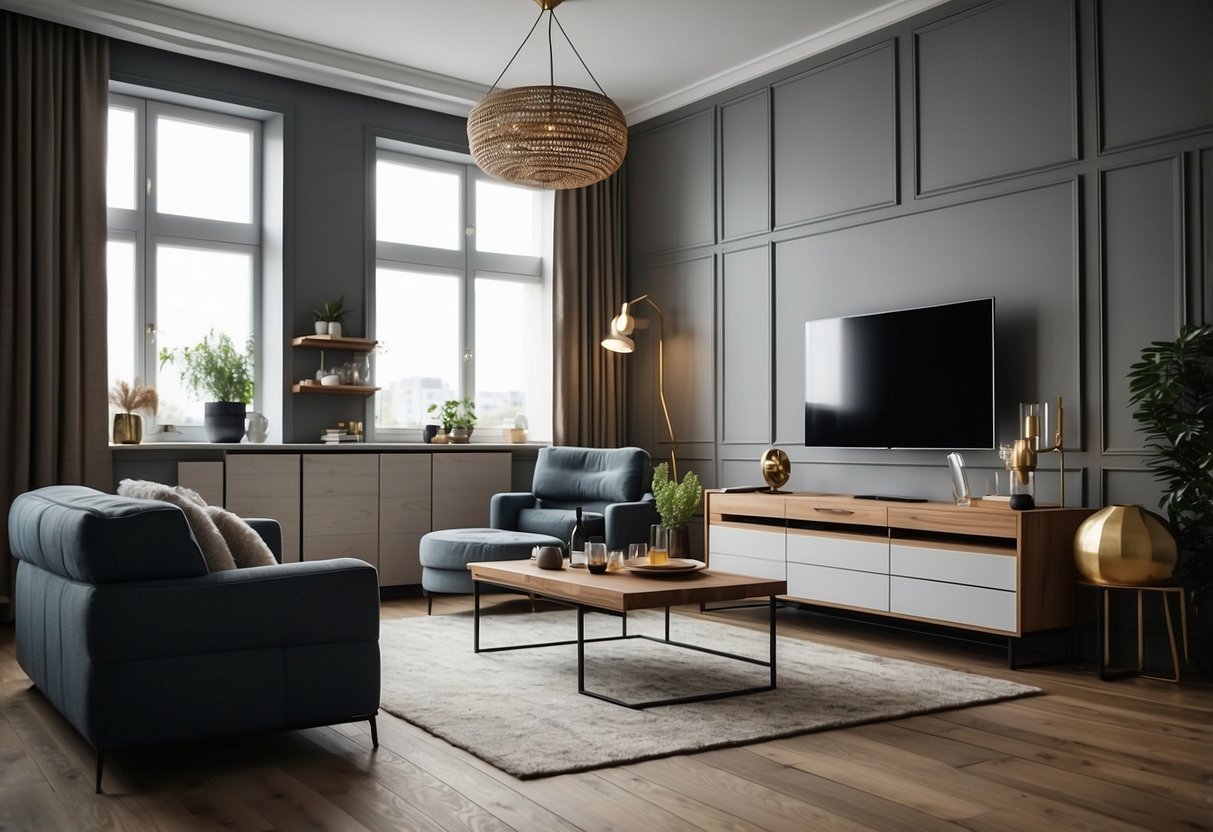
Built-in furniture is custom-made to fit your space, which means it can maximise every inch of your home and provide a seamless, cohesive look. It’s also a great option if you’re looking for extra storage, as it can be designed to include built-in shelves, cabinets, and drawers. However, built-in furniture tends to be more expensive than loose furniture and can be difficult to move or replace if you decide to redecorate or move.
On the other hand, loose furniture is more flexible and can be easily moved, rearranged, or replaced to suit your changing needs and preferences. It’s also generally more affordable than built-in furniture and comes in a wide range of styles, colours, and materials. However, loose furniture can take up more space and may not provide as much storage as built-in furniture.

Understanding Built-In and Loose Furniture
When it comes to furnishing your home, there are two main options to consider: built-in furniture and loose furniture. Each has its own benefits and drawbacks, and understanding the differences between the two can help you make an informed decision about which option is right for you.

Defining Built-In Furniture
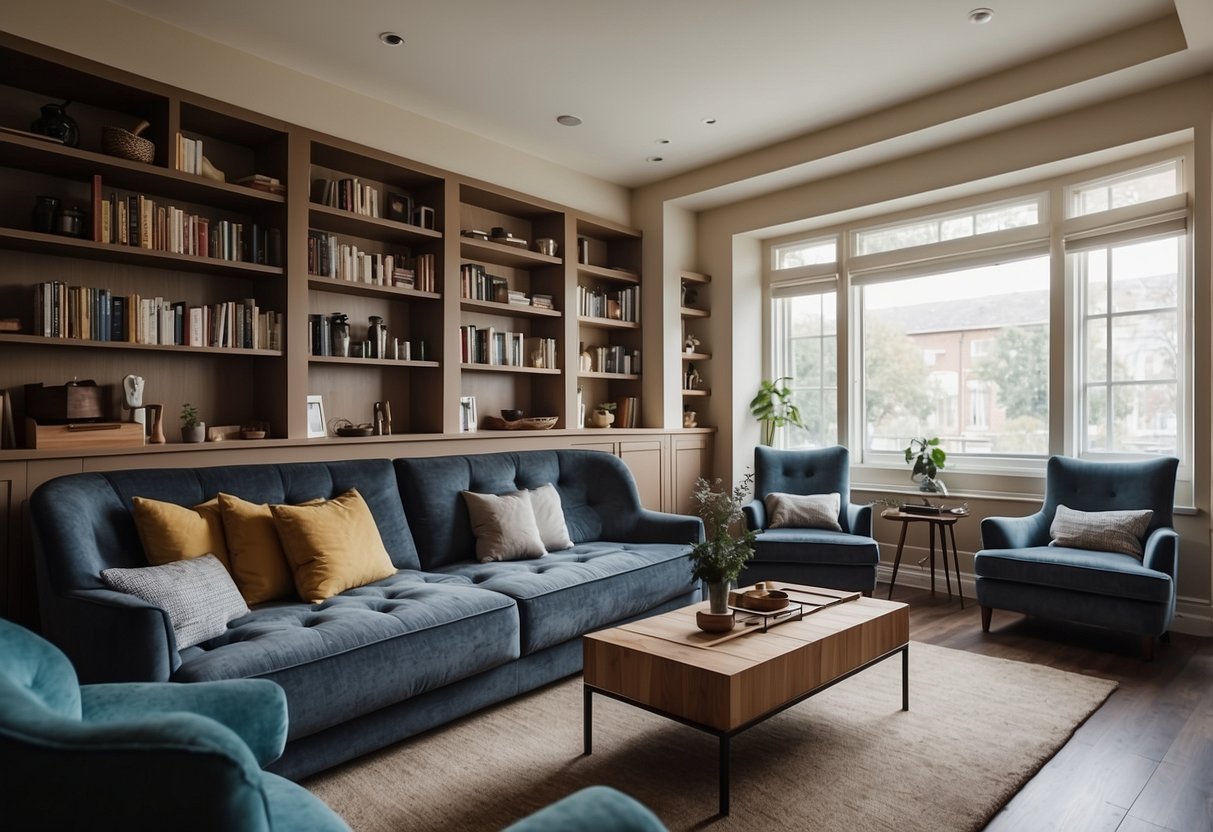
Built-in furniture is custom-made to fit a specific space in your home. This type of furniture is often created by a carpenter or interior designer and is designed to blend seamlessly with the surrounding architecture. Common examples of built-in furniture include wardrobes, bookcases, and other storage solutions.
One of the main advantages of built-in furniture is that it maximises storage space. Because the furniture is custom-made to fit the space, it can often make use of awkward corners and odd angles that would otherwise be wasted. Built-in furniture also has a clean and cohesive appearance, which can help to create a sense of unity in your home’s design.
Exploring Loose Furniture
Loose furniture, on the other hand, refers to freestanding furniture that can be moved around your home as needed. This type of furniture includes items like sofas, dining tables, and outdoor furniture. Because loose furniture is not custom-made, it is often more affordable than built-in furniture.
One of the main advantages of loose furniture is its flexibility. You can easily rearrange your furniture to suit your changing needs or moods. Loose furniture is also a good option if you are on a tight budget, as you can replace individual pieces as needed rather than having to invest in a whole new custom-built solution.
Comparing Functionality and Style
When deciding between built-in and loose furniture, it’s important to consider both functionality and style. Built-in furniture is often the best choice if you need to maximise storage space or if you want a clean and cohesive look. Loose furniture, on the other hand, is a good choice if you want flexibility and affordability.
Ultimately, the choice between built-in and loose furniture comes down to your specific lifestyle, layout, and priorities. Consider your needs and preferences carefully before making a decision, and don’t be afraid to consult with a carpenter or interior designer for guidance on which option is best for you.
Factors to Consider When Choosing Furniture
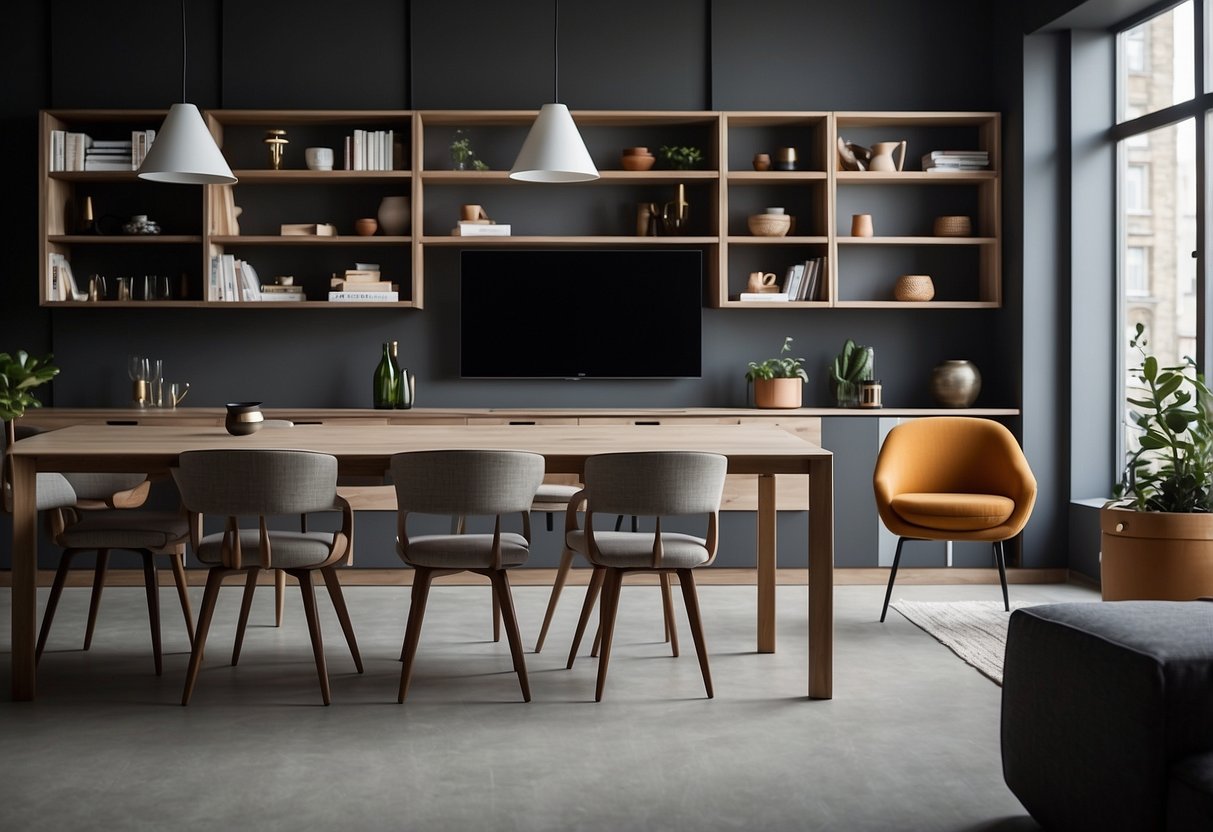
When choosing between built-in and loose furniture, there are several factors you should consider to ensure that you make the right decision. Here are some of the most important factors to keep in mind:
Space and Layout Considerations
Before you start shopping for furniture, you should carefully consider the space and layout of your home. If you have a small space, you may want to opt for built-in furniture that can maximise the available space. On the other hand, if you have a large space, you may want to consider loose furniture that can be easily moved around to suit your needs.
Budgeting and Costs
Another important factor to consider when choosing furniture is your budget. Custom-made furniture is generally more expensive than mass-produced or store-bought furniture, so you should consider your budget carefully. You can keep costs low by getting quotations from different carpenters or furniture stores to find the best value for money.
Material Quality and Durability
The quality and durability of the materials used to make the furniture is also an important factor to consider. Custom-made furniture is often made from high-quality materials that are designed to last, while mass-produced or store-bought furniture may be made from cheaper materials that are less durable. You should also consider the finishing of the furniture, as this can affect its durability and lifespan.
Lifestyle and Long-Term Planning
Finally, you should consider your lifestyle and long-term plans when choosing furniture. If you have young children or are planning to start a family, you may want to opt for furniture that is durable and easy to clean, such as built-in furniture with rounded edges. If you are planning to move in the near future, you may want to opt for loose furniture that can be easily transported. Additionally, if you have a specific room in mind, such as a baby room or study room, you may want to consider custom-made furniture that is designed to meet your specific needs.
By considering these factors, you can ensure that you choose the right furniture for your home that meets your needs and suits your lifestyle. Whether you opt for built-in or loose furniture, you can create a comfortable and functional living space that you can enjoy for years to come.
Frequently Asked Questions
What are the advantages and disadvantages of built-in compared to loose furniture?
Built-in furniture maximises space, creates more storage, provides a clean and neat appearance, and lends cohesion to a home. However, it can be expensive and difficult to move or change. Loose furniture is movable and flexible, allowing you to customise and adapt your space to suit your changing needs and preferences. However, it can take up more space and may not provide as much storage.
How does the cost of built-in furniture typically compare to that of loose furniture?
Built-in furniture can be more expensive than loose furniture, depending on the materials, finishing, and amount of customisation you choose. Loose furniture is generally more affordable and easier to replace.
Could you provide a list of typical items classified as loose furniture?
Loose furniture includes items such as sofas, chairs, tables, desks, bookshelves, and cabinets. Essentially, any piece of furniture that is not built into a specific space can be considered loose furniture.
Can you give examples of what constitutes built-in furniture?
Built-in furniture includes items such as custom-made cabinets, bookshelves, wardrobes, and benches that are built into specific spaces in a home. Essentially, any piece of furniture that is custom-made to fit a specific space can be considered built-in furniture.
How does built-in furniture impact the perception of room size?
Built-in furniture can make a room feel more spacious by maximising space and providing a clean and neat appearance. However, it can also make a room feel smaller if it takes up too much space or is too bulky.
What is the definition of loose furniture in interior design?
Loose furniture refers to any piece of furniture that is not built into a specific space in a home. It is movable and flexible, allowing you to customise and adapt your space to suit your changing needs and preferences.