

Best Oil for Outdoor Wood Furniture: Protect Your Garden Furniture from the Elements
If you’re lucky enough to have outdoor wood furniture, you’ll want to keep it looking its best for as long as possible. One of the best ways to do this is by applying an oil that will protect the wood from the elements and keep it looking great for years to come. But with so many different types of oil available, how do you know which one to choose? In this article, we’ll take a look at the best oils for outdoor wood furniture and give you some tips on how to choose the right one for your needs.
When it comes to choosing an oil for your outdoor wood furniture, there are a few things to consider. First and foremost, you’ll want an oil that provides excellent protection against the elements. This means choosing an oil that is water-resistant and provides UV protection. You’ll also want an oil that is easy to apply and dries quickly. Finally, you’ll want an oil that enhances the natural beauty of the wood and gives it a warm, rich finish.
Now that you know what to look for in an outdoor wood furniture oil, let’s take a look at some of the best options available. We’ll compare their features, pros, and cons to help you make an informed decision.

Choosing the Right Oil for Your Outdoor Wood Furniture
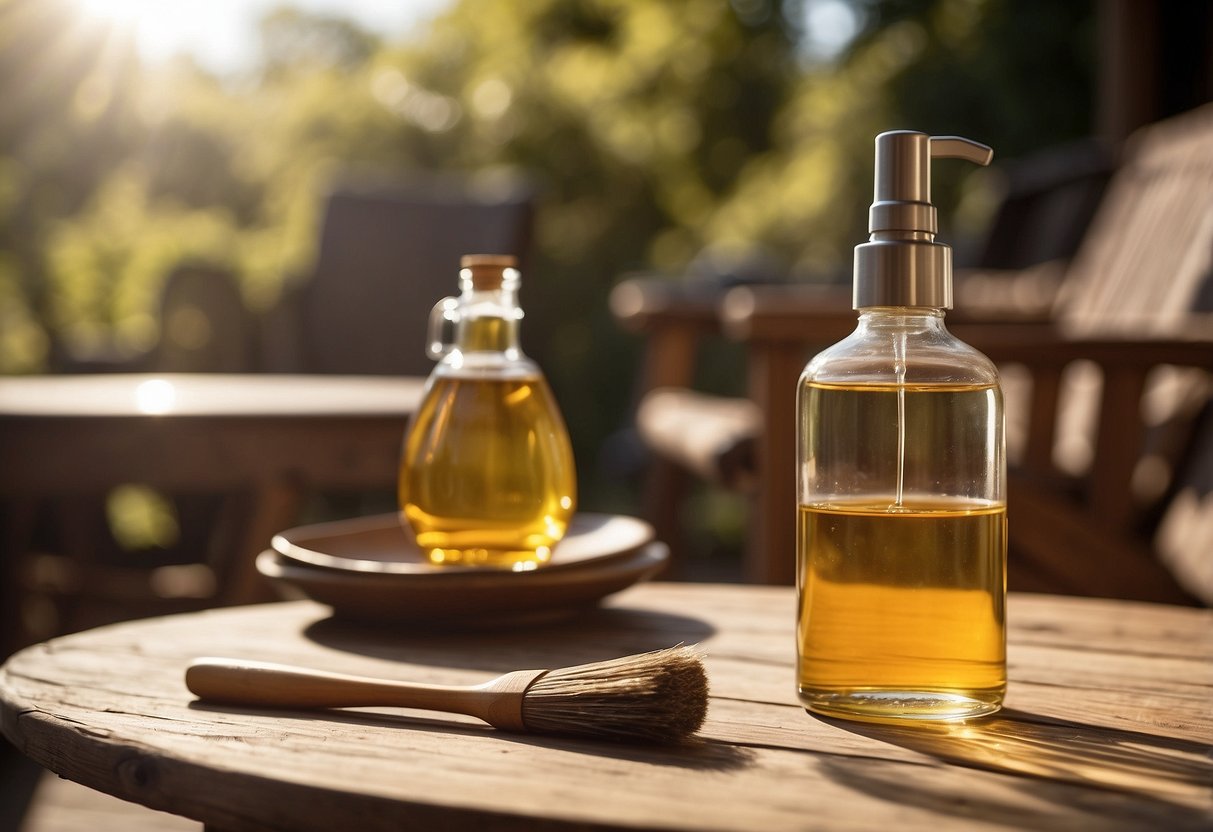
When it comes to choosing the best oil for your outdoor wood furniture, there are a few factors to consider. Understanding the different types of wood oils available, the factors that affect your selection, and the best application techniques will help you protect your outdoor furniture from the elements and keep it looking great for years to come.

Understanding Different Types of Wood Oils
There are several types of natural oils that can be used to protect outdoor wood furniture, including teak oil, tung oil, linseed oil, and Danish oil. Teak oil is a popular choice because it provides excellent protection against UV rays and weather, and it is relatively easy to apply. Tung oil is also a good choice because it is highly durable and water-resistant, making it ideal for outdoor use. Linseed oil is another option, but it is less water-resistant than other oils and requires more maintenance. Danish oil is a blend of natural oils that provides a hand-rubbed finish, but it may not be as durable as other options.
Factors to Consider When Selecting Oil
When selecting an oil for your outdoor wood furniture, there are several factors to consider. The type of wood, climate, and finish you want to achieve will all affect your choice. For example, teak oil is an excellent choice for teak wood, while tung oil is better suited to denser woods like oak or walnut. Climate is also a consideration, as some oils may be more suitable for dry or humid conditions. Finally, the finish you want to achieve will also affect your choice of oil. If you want a hand-rubbed finish, Danish oil may be the best option, while if you want a more natural finish, teak oil may be the better choice.
Application Techniques for Best Results
Once you have selected the best oil for your outdoor wood furniture, it is important to apply it correctly for the best results. Before applying any oil, ensure that the wood is clean and dry, and sand it if necessary to remove any rough spots. Apply the oil in thin, even coats, using a brush or cloth, and allow it to dry completely before applying additional coats. For the best protection, apply at least two coats of oil, and reapply as needed to maintain the finish. It is also important to ensure good ventilation during the application process to avoid inhaling fumes from the oil.
By taking the time to choose the right oil for your outdoor wood furniture and applying it correctly, you can protect your furniture from the elements and keep it looking great for years to come.
Maintaining and Protecting Your Furniture
Regular Maintenance to Enhance Longevity
To keep your outdoor wood furniture looking beautiful and to ensure it lasts for years to come, you need to take good care of it. Regular maintenance is essential to enhance its longevity and protect it from the elements. Here are some tips to help you maintain your furniture:
- Clean your furniture regularly using a soft brush or cloth and mild soap and water. This will help remove any dirt, grime, or stains that may have accumulated on the surface.
- Apply a fresh coat of oil or finish every year to protect the wood and maintain its natural beauty. This will also help protect it from moisture, cracking, and warping.
- Inspect your furniture regularly for any signs of damage or wear and tear. Repair any damage as soon as possible to prevent it from getting worse.
Protecting Against the Elements
Outdoor wood furniture is exposed to harsh weather conditions, UV damage, and other elements that can cause it to deteriorate over time. To protect your furniture, you need to take steps to shield it from the elements. Here are some tips to help you protect your furniture:
- Use furniture covers or store your furniture indoors or under cover during the off-season. This will help protect it from moisture, harsh weather conditions, and UV damage.
- Apply a finish or oil with UV inhibitors to protect your furniture from sun damage. This will help maintain its natural look and protect it from weathering.
- Choose a finish or oil that provides water resistance to protect your furniture from moisture. This will help prevent warping, cracking, and insect damage.
By following these simple tips, you can maintain your outdoor wood furniture and protect it from the elements. With proper care and maintenance, your furniture will last for years to come, maintaining its natural beauty and enhancing the look of your outdoor space.
Frequently Asked Questions
What’s the ideal type of oil to protect outdoor wooden furniture?
The ideal type of oil to protect your outdoor wooden furniture depends on the type of wood used. Teak oil is considered the best oil for outdoor furniture as it waterproofs the wood and protects against sun damage. Tung oil is also a great choice as it repels water and insects. Danish oil is another option that provides a durable finish and enhances the natural beauty of the wood.
How often should I oil my outdoor wood furniture to maintain its condition?
It is recommended that you oil your outdoor wood furniture at least once a year to maintain its condition. However, the frequency of oiling may depend on the type of wood used and the climate in your area. If your furniture is exposed to harsh weather conditions, you may need to oil it more frequently.
Can I use teak oil on any type of outdoor wooden furniture?
Teak oil is specifically designed for teak wood, but it can also be used on other types of outdoor wooden furniture. However, it is important to note that not all woods react the same way to teak oil. Before using teak oil on your furniture, make sure to read the manufacturer’s instructions and test it on a small area first.
What are the benefits of using linseed oil on outdoor wooden furnishings?
Linseed oil is a natural oil that provides a protective layer on outdoor wooden furnishings. It is a great choice for those who prefer a natural finish and want to avoid chemicals. Linseed oil also enhances the natural beauty of the wood and protects it from weather damage.
Which is more effective for outdoor furniture protection: Danish oil or tung oil?
Both Danish oil and tung oil are effective for outdoor furniture protection. Danish oil provides a durable finish and enhances the natural beauty of the wood. Tung oil, on the other hand, repels water and insects and provides a long-lasting protective layer. The choice between the two oils depends on personal preference and the type of wood used.
What are the advantages of using natural oils over varnish for outdoor wood furniture?
Natural oils, such as teak oil, tung oil, and linseed oil, penetrate the wood and provide a protective layer without forming a film on the surface. This allows the wood to breathe and prevents moisture from getting trapped. Varnish, on the other hand, forms a film on the surface of the wood, which can crack and peel over time. Natural oils also provide a more natural and organic look to the wood.