

Before and After Furniture Restoration: Amazing Transformations!
If you’re looking to breathe new life into old furniture, restoration might be the perfect solution. Furniture restoration is the process of repairing and refurbishing old or damaged furniture to make it look like new again. Whether you want to restore a family heirloom or simply give new life to an old piece you picked up at a thrift store, furniture restoration can be a fun and rewarding project.

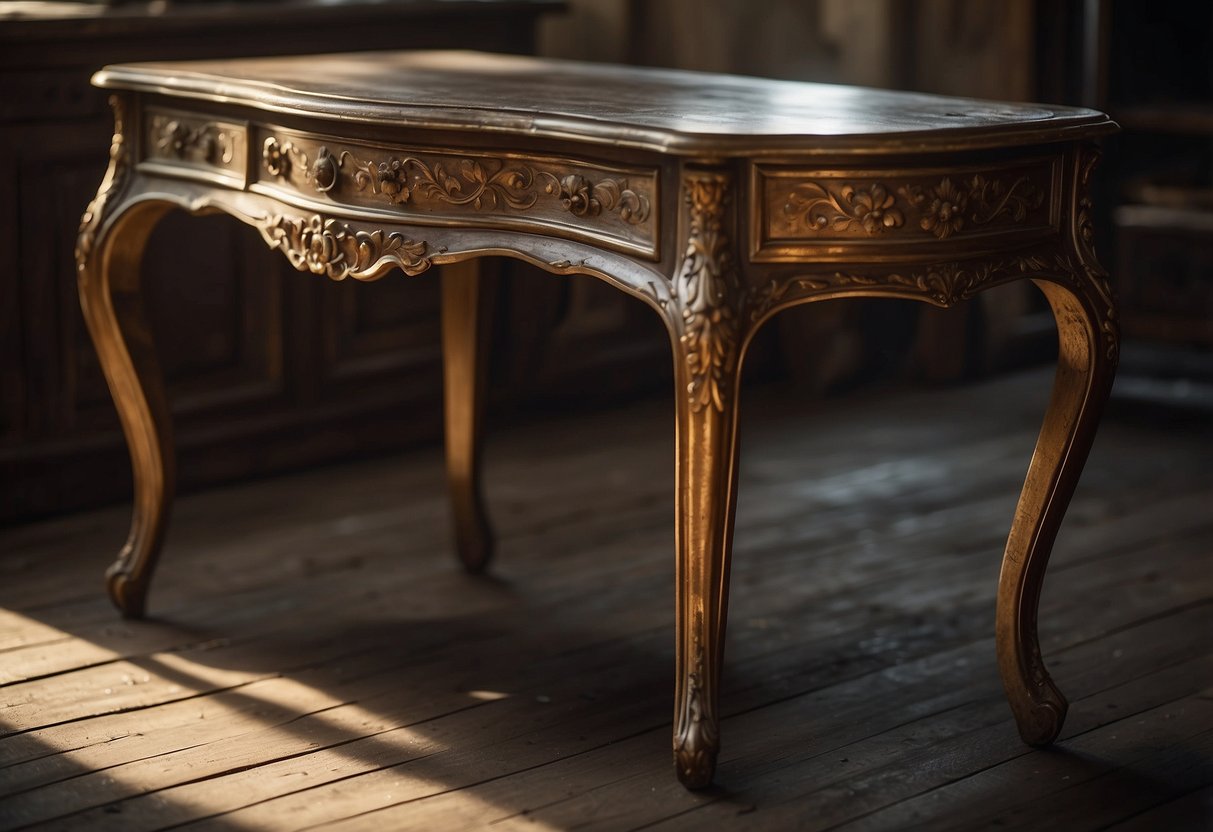
Understanding Furniture Restoration can be a bit daunting at first, but the process is relatively straightforward. The first step is to assess the condition of the piece and determine what repairs need to be made. This might involve fixing broken joints, replacing missing hardware, or sanding and refinishing the wood. Once you have a plan in place, you’ll need to gather the necessary tools and materials to get started. Depending on the extent of the restoration, this might include sandpaper, wood glue, stain, paint, and new hardware.
Key Takeaways
- Furniture restoration is the process of repairing and refurbishing old or damaged furniture to make it look like new again.
- Understanding the condition of the piece and determining what repairs need to be made is the first step in the restoration process.
- Gathering the necessary tools and materials is essential to successfully restoring a piece of furniture.
Understanding Furniture Restoration
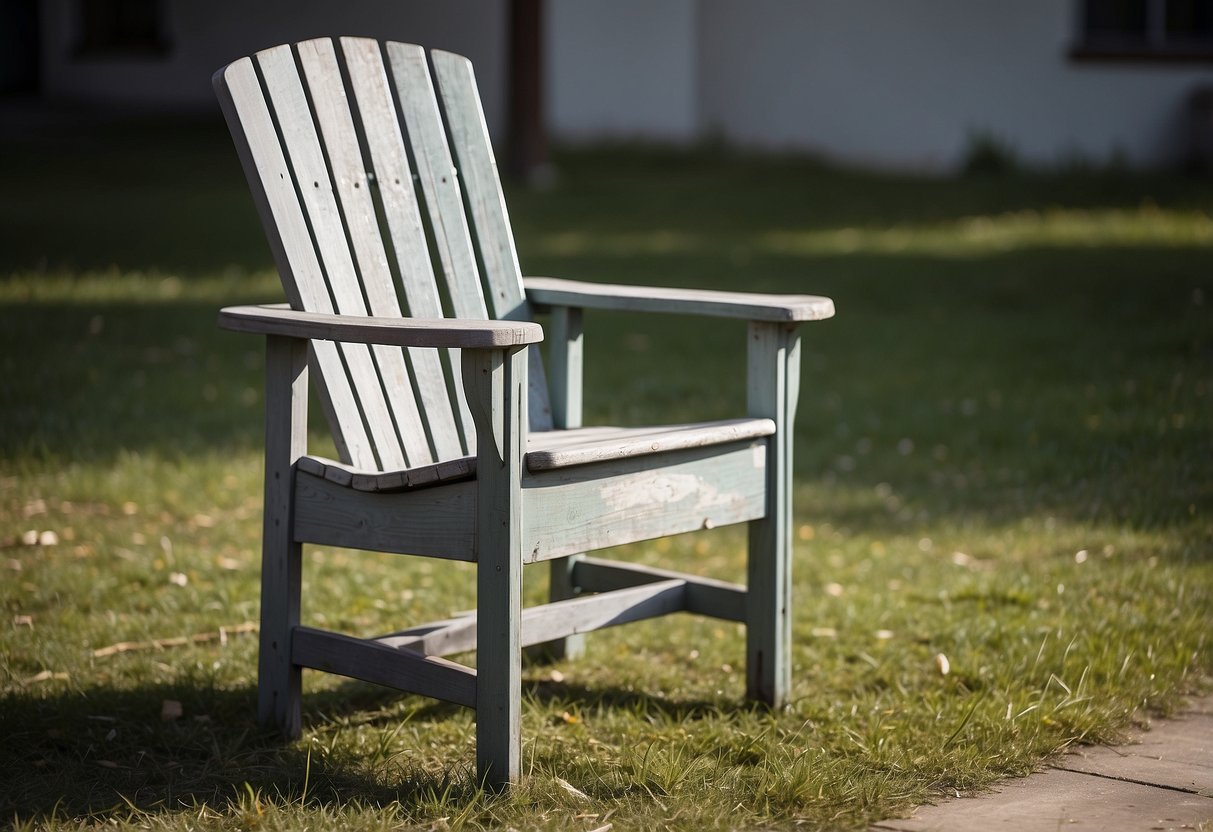
Restoring old furniture can be an exciting and rewarding experience, but it requires patience, skill, and the right tools. In this section, we’ll cover the basics of furniture restoration and the tools and materials you need to get started.
The Basics of Furniture Restoration
Furniture restoration involves repairing and refinishing old or damaged furniture to restore its original beauty and functionality. The process can vary depending on the condition of the furniture and the desired outcome, but it typically involves the following steps:

- Stripping: This involves removing the old finish and any paint or varnish from the furniture. You can use chemical strippers or sandpaper to strip the furniture, depending on the type of finish and the condition of the piece.
- Sanding: After stripping, you’ll need to sand the furniture to smooth out any rough spots and prepare it for painting or staining.
- Priming: If you plan to paint the furniture, you’ll need to apply a primer to help the paint adhere to the surface. This step is optional if you’re staining the furniture.
- Painting or Staining: Once the furniture is prepped, you can apply paint or stain to achieve the desired look. There are many types of furniture paint available, including chalk paint, Fusion Mineral Paint, and Benjamin Moore Advance.
- Finishing: To protect the furniture and give it a polished look, you’ll need to apply a finish. This can be a clear coat, wax, or oil, depending on the type of paint or stain you used.
Tools and Materials for Restoration
To restore furniture, you’ll need a variety of tools and materials, including:
- Chemical strippers or sandpaper for stripping
- Sandpaper in various grits for sanding
- Paintbrushes or a sprayer for painting
- Primer (if painting)
- Paint or stain
- Clear coat, wax, or oil for finishing
- Annie Sloan, General Finishes, or other furniture paint (if desired)
It’s also helpful to have a workspace with good lighting, ventilation, and a sturdy work surface. With the right tools and materials, you can transform old, worn-out furniture into beautiful, functional pieces that you’ll be proud to display in your home.
The Restoration Process
Restoring old furniture can be a fun and cost-effective way to breathe new life into your home decor. Whether you’re a DIY enthusiast or just looking for a new project, furniture restoration can be a rewarding experience. Here’s a step-by-step guide to help you transform your old furniture into brand new pieces.
Preparation and Repair
Before you begin the restoration process, you need to prepare your furniture for the transformation. Start by removing any hardware such as drawer fronts and wood drawers. Next, inspect the furniture for any damage that needs to be repaired. Use wood filler to fill in any scratches or dents.
Once the repairs are complete, it’s time to sand the furniture. You can use sandpaper or a power sander to smooth out the surface. Sanding helps remove old paint or varnish and prepares the surface for a new finish. After sanding, remove any dust or debris from the surface.
Painting and Finishing
Now that your furniture is prepped and repaired, it’s time to add some colour and finish. Choose a colour scheme that complements your home decor and start painting. You can use furniture paints, chalk paint, or any other paint that works for your project.

When painting furniture, it’s important to use thin coats of paint and allow each coat to dry completely before applying the next. This helps create a smooth and durable finish. You can also add some texture by scuff sanding between coats.
After the final coat of paint is dry, it’s time to add a protective finish. You can use wax, varnish, or any other finish that works for your project. Apply the finish in thin coats and allow each coat to dry completely before applying the next.
The Final Touches
Now that your furniture is painted and finished, it’s time to add the final touches. Reattach any hardware that you removed earlier. You can also add some new hardware to give your furniture a fresh look. Add some decorative elements such as stencils or decals to make your furniture unique.
In conclusion, furniture restoration can be a fun and cost-effective way to transform old furniture into brand new pieces. With this step-by-step guide, you can easily create your own furniture transformations and makeovers. Just remember to take your time and enjoy the process!
Frequently Asked Questions

How can I tell if my furniture is worth restoring?
It’s important to consider the sentimental value of your furniture before deciding whether or not to restore it. If the piece has been passed down through your family or has significant personal meaning, it may be worth the effort and cost to restore it. Additionally, if the piece is made of high-quality materials and has good bones, it may be a good candidate for restoration.
What are some creative ideas for giving old furniture a modern makeover?
There are many ways to update old furniture and give it a modern twist. You could try painting it a bold colour, adding new hardware or even decoupaging it with patterned paper or fabric. Another option is to reupholster the piece with a fresh, contemporary fabric.
Is it more cost-effective to refinish my furniture rather than purchasing new pieces?
In many cases, refinishing furniture can be a more cost-effective option than purchasing new pieces. However, it’s important to consider the amount of time and effort that goes into the restoration process. If you’re short on time or don’t have the necessary skills, it may be more cost-effective to purchase new furniture.
Could you suggest some before and after painted furniture transformations?
Sure! One idea is to paint an old wooden dresser a bright, bold colour like turquoise or coral. Another option is to paint an old dining table with chalkboard paint to create a unique and functional piece. You could also try painting an old wooden chair with a fun pattern or design.
What’s the difference between refurbishing and restoring furniture?
Refurbishing furniture involves updating or repairing the piece to improve its appearance or functionality, while restoring furniture involves bringing the piece back to its original condition. Restoration typically involves more extensive repairs and may require the use of specialised techniques and materials.
What are the steps involved in updating old brown furniture?
The first step is to clean the piece thoroughly and remove any existing finish. Next, you can sand the piece to prepare it for paint or stain. If you’re painting the piece, apply a coat of primer before painting. If you’re staining the piece, apply the stain in thin, even coats and allow it to dry completely before applying a protective finish. Finally, add any new hardware or other decorative elements to complete the update.