

Bees Wax for Furniture: A Natural and Effective Solution for Polishing and Protecting Your Wood Pieces
If you’re looking for a natural way to care for your furniture, beeswax may be the answer. Beeswax is a natural wax produced by honeybees and has been used for centuries for its many benefits. One of the benefits of beeswax is its ability to protect and shine furniture, making it a popular choice for those looking for a natural alternative to chemical-based furniture polishes.

Beeswax is a great option for those who want to protect their furniture from wear and tear. It creates a protective layer on the surface of the wood, which helps to prevent scratches and other damage. Additionally, beeswax is a natural way to add shine to your furniture, giving it a beautiful, glossy finish.
Creating your own beeswax furniture polish is easy and affordable. With just a few simple ingredients, you can make a natural furniture polish that will protect and shine your furniture without the use of harsh chemicals. Plus, making your own furniture polish allows you to customise the scent and colour to your liking.

Key Takeaways
- Beeswax is a natural way to protect and shine your furniture.
- Beeswax creates a protective layer on the surface of the wood, preventing scratches and other damage.
- Creating your own beeswax furniture polish is easy and allows you to customise the scent and colour.
The Benefits and Uses of Beeswax in Furniture Care

If you’re looking for a natural way to care for your wooden furniture, beeswax is a great option. Here are some of the benefits and uses of beeswax in furniture care:

Understanding Beeswax and Its Properties
Beeswax is a natural wax produced by honeybees. It is made up of esters, fatty acids, and hydrocarbons, which give it a range of useful properties. Beeswax is water-resistant, which makes it ideal for protecting wooden surfaces from moisture damage. It is also non-toxic, making it safe for use on cutting boards and other food-related items.
How Beeswax Enhances Wood Furniture
Using beeswax on wood furniture can enhance its natural beauty and protect it from wear and tear. When applied to wooden surfaces, beeswax creates a protective layer that helps to repel water and prevent scratches and other damage. Beeswax also gives wood furniture a warm, natural-looking shine that can’t be achieved with synthetic polishes.
Beeswax for Other Household Items
Beeswax isn’t just for wood furniture – it can also be used to care for other household items. For example, you can use beeswax to condition leather products such as shoes, belts, and bags. Beeswax can also be used to make natural lip balm and other personal care products.
In summary, beeswax is a versatile and natural product that can be used to care for a range of household items, including wood furniture, cutting boards, and leather products. Its water-resistant and non-toxic properties make it an ideal choice for those who want to use natural products in their home. So, next time you’re looking for a way to care for your wooden furniture, consider using beeswax – your furniture will thank you!
Creating Your Own Beeswax Furniture Polish
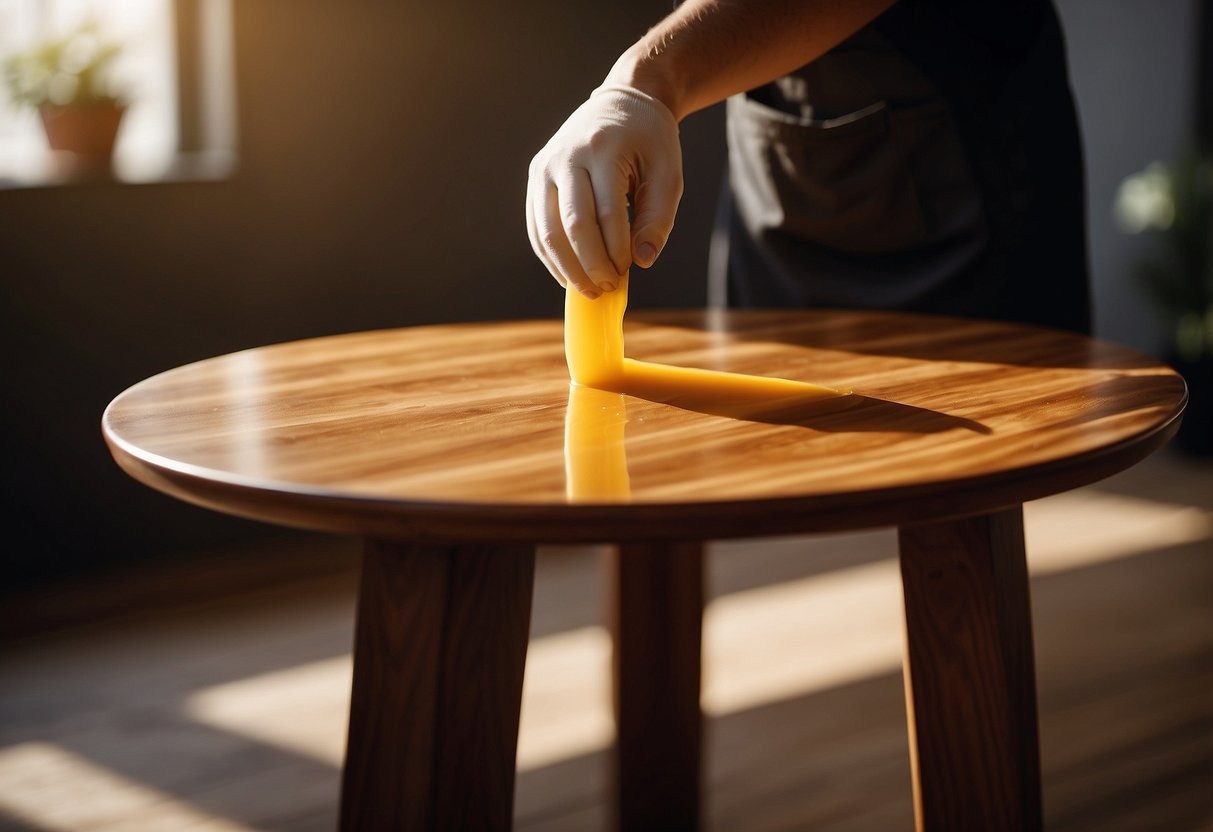
If you’re looking for a natural and effective way to condition and polish your wooden furniture, then making your own beeswax polish is a fantastic option. Not only is it easy to make, but it’s also all-natural and free from any harmful chemicals that are often found in commercial furniture polishes.
Simple Recipe for Homemade Beeswax Polish
To make your own beeswax polish, you will need just a few simple ingredients. Here is a basic recipe to get you started:
- 1 cup of beeswax pellets
- 1 cup of food grade mineral oil or fractionated coconut oil
- Optional: a few drops of essential oil (such as lemon or lavender) for a fresh scent
To make the polish, melt the beeswax and oil together in a double boiler, stirring occasionally until fully combined. Once melted, remove from heat and let cool for a few minutes before adding any essential oils. Then, pour the mixture into a glass jar and let it cool and solidify.
Step-by-Step Guide to Making and Applying Beeswax Polish
- Measure out your beeswax pellets and oil according to the recipe above.
- Melt the beeswax and oil together in a double boiler, stirring occasionally until fully combined.
- Remove from heat and let cool for a few minutes before adding any essential oils.
- Pour the mixture into a glass jar and let it cool and solidify.
- Once solid, use a clean cloth to apply the polish to your wooden surfaces in a circular motion.
- Buff the surface with a soft cloth to remove any excess polish and bring out a warm glow.
- Store any remaining polish in an airtight container for several years.
Tips for Maintaining and Storing Beeswax Polish
To maintain the beauty and durability of your finished furniture, here are a few tips to keep in mind:
- Test the polish on a small, inconspicuous area before applying it to the entire surface.
- Always use a clean cloth to apply the polish and avoid using too much, as it can build up over time.
- For an extra moisturizing boost, add a few drops of vitamin E oil to the recipe.
- Store your polish in an airtight container to prevent it from drying out or becoming contaminated.
- Be sure to label your container with the date and recipe, so you can easily recreate it in the future.
Making your own beeswax furniture polish is an easy and rewarding DIY project that can save you money and provide you with a natural and effective alternative to commercial cleaning products. With just a few simple steps and natural ingredients, you can polish wood surfaces to a beautiful shine and protect them with a natural wax and oil finish.
Frequently Asked Questions
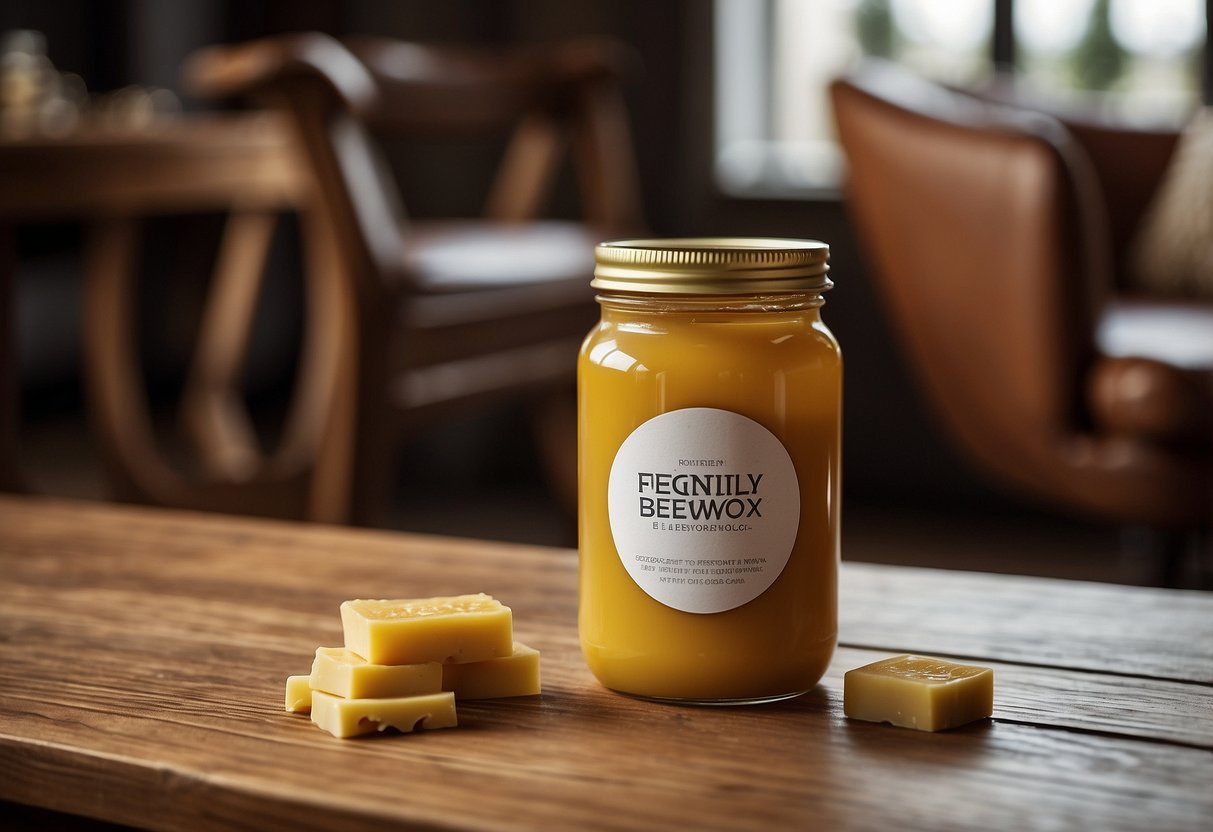
How can I apply beeswax to my wooden furniture?
Applying beeswax to your wooden furniture is easy. First, make sure the surface of the furniture is clean and dry. Then, take a soft cloth and rub the beeswax onto the surface in a circular motion. Let it sit for a few minutes, then use a clean cloth to buff the surface until it shines.
What types of furniture finishes can beeswax be used on?
Beeswax polish can be used on all types of wood furniture, including antique furniture. The natural and eco-friendly properties of beeswax make it an excellent choice for preserving and enhancing the natural beauty of the wood grain.
How often should I reapply beeswax to maintain my furniture?
The frequency of reapplication depends on the level of use and exposure to elements. Generally, you should reapply beeswax every six months to a year to maintain the protective barrier and keep your furniture looking its best.
Can beeswax polish be used on antique furniture without damaging it?
Yes, beeswax polish is safe to use on antique furniture. In fact, it can help to preserve and protect the wood from further damage. However, it’s always a good idea to test the beeswax on a small, inconspicuous area of the furniture first to ensure compatibility.
What should I do to prepare my furniture before using beeswax?
Before applying beeswax to your furniture, make sure the surface is clean and free of any dirt, dust, or debris. You can use a soft cloth or a vacuum cleaner with a soft brush attachment to clean the surface. If the furniture has any existing finishes, you may need to remove them before applying the beeswax.
Are there any eco-friendly alternatives to beeswax for furniture care?
Yes, there are several eco-friendly alternatives to beeswax for furniture care. Some popular options include coconut oil, olive oil, and carnauba wax. These natural products can help to nourish and protect your wooden furniture without the use of harsh chemicals.