

Antique Furniture: A Guide to Buying and Restoring Pieces
Antique furniture is more than just furniture. It is a piece of history that has survived the test of time, carrying with it a rich heritage and character from a bygone era. Owning antique furniture allows you to connect with the past and add a unique touch of elegance to your home.
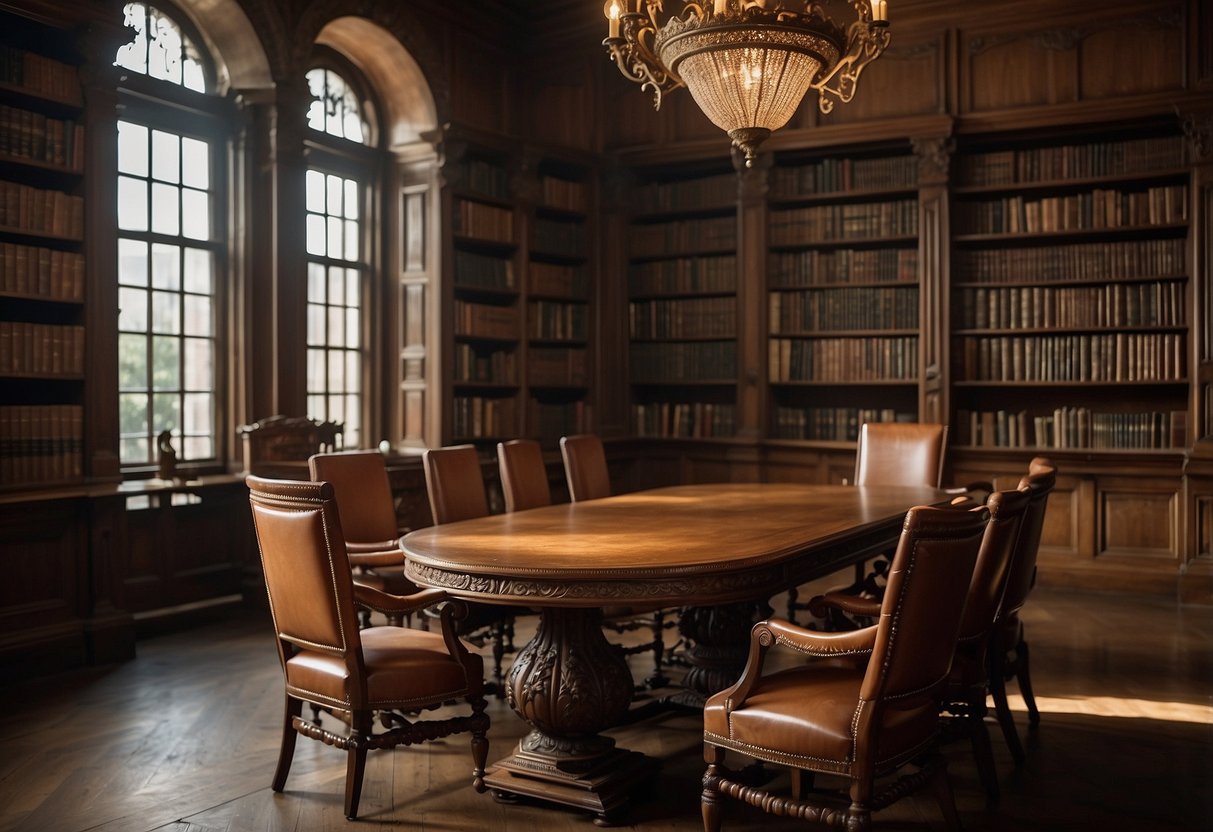
Exploring the world of antique furniture is like stepping into a time machine. Each piece has a story to tell, and it is up to you to uncover the secrets of its past. Antique furniture comes in a variety of styles, from Victorian to Art Deco, and each era has its own unique charm. Whether you are a seasoned collector or a first-time buyer, there is always something new to discover in the world of antique furniture.
Antique furniture is not just limited to one culture or country. It can be found across the globe, each with its own unique style and design. From Indian colonial furniture to Chinese Ming dynasty pieces, antique furniture offers a glimpse into the history and culture of different nations. By incorporating antique furniture into your home, you are not only adding a touch of elegance but also a piece of cultural heritage.

Key Takeaways
- Antique furniture carries a rich heritage and character from a bygone era.
- Exploring the world of antique furniture allows you to connect with the past and add a unique touch of elegance to your home.
- Antique furniture can be found across the globe, offering a glimpse into the history and culture of different nations.
Exploring the World of Antique Furniture
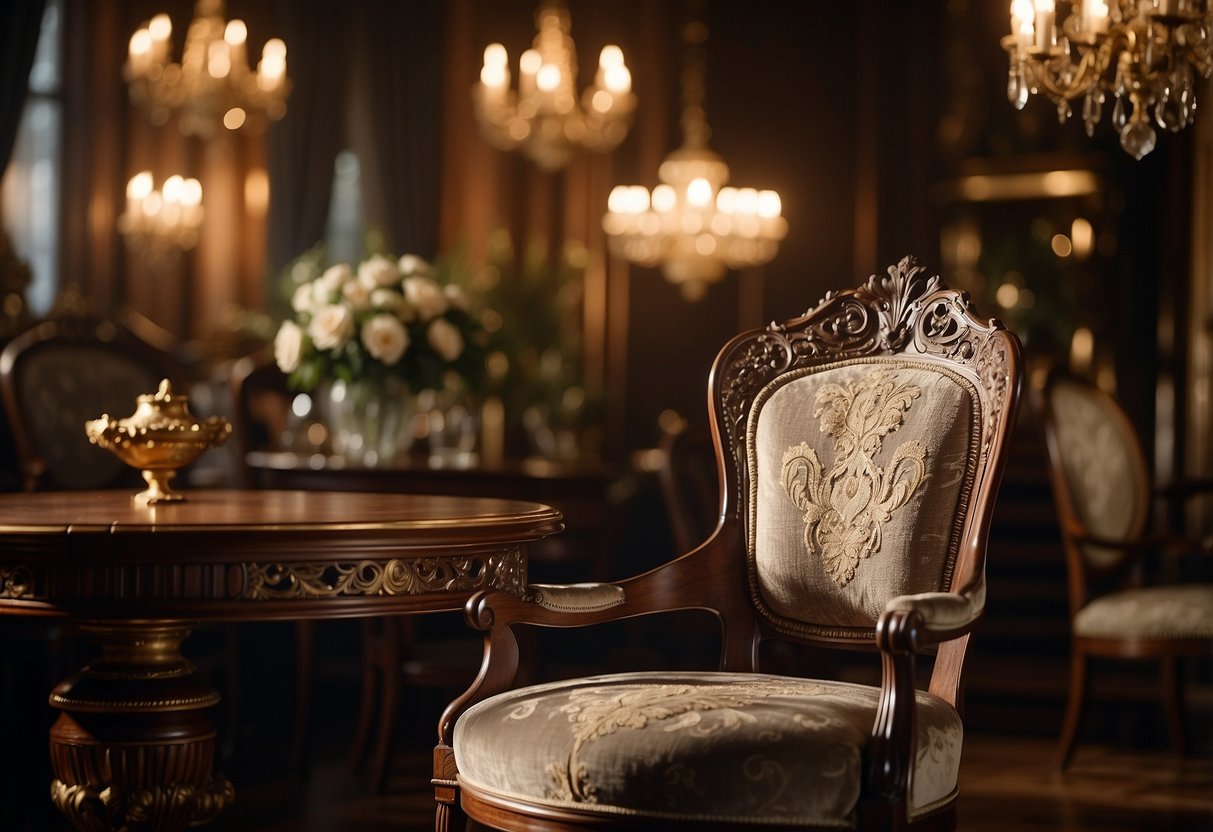
Antique furniture is more than just a piece of furniture; it is a historical treasure that tells a story of the past. Whether you are an interior designer or a homeowner, incorporating antique pieces into your home decor can add a touch of elegance and sophistication to any room. In this section, we will explore the world of antique furniture and provide you with tips on how to identify genuine antiques, care for your antique treasures, and understand the historical significance and styles of antique furniture.

Historical Significance and Styles
Antique furniture has a rich history that spans centuries. Each piece reflects the style and craftsmanship of the era in which it was created. From colonial furniture to European style, such as the Portuguese era, to art deco and mid-century modern, antique furniture styles have evolved over time, reflecting changes in society, art, and materials. Understanding the historical significance and styles of antique furniture can help you appreciate the unique craftsmanship and value of each piece.
Identifying Genuine Antiques
Identifying genuine antiques can be challenging, especially when dealing with vintage furniture. However, there are a few key factors to look out for when assessing the authenticity of an antique piece. For instance, genuine antiques are often made from high-quality materials, such as teakwood or rosewood. They may also have unique markings, such as a maker’s mark or a signature, that can help you trace the piece’s origin and history. Additionally, restored antique pieces may lose some of their value, so it’s important to assess the condition of the piece to determine whether it has been restored or not.
Caring for Your Antique Treasures
Caring for your antique treasures is essential to ensure they remain in good condition and retain their value. One of the most important things to keep in mind is to avoid exposing your antique furniture to direct sunlight, as this can cause fading and damage to the wood. Additionally, regular cleaning and dusting can help prevent the accumulation of dirt and grime, which can cause damage over time. If you have grandfather clocks or other antique pieces that require maintenance, it’s important to seek the services of a professional to ensure they are properly cared for.
In conclusion, antique furniture is a valuable and historical treasure that can add character and charm to any home decor. By understanding the historical significance and styles of antique furniture, identifying genuine antiques, and caring for your antique treasures, you can enjoy these timeless pieces for years to come.
Antique Furniture Across Cultures
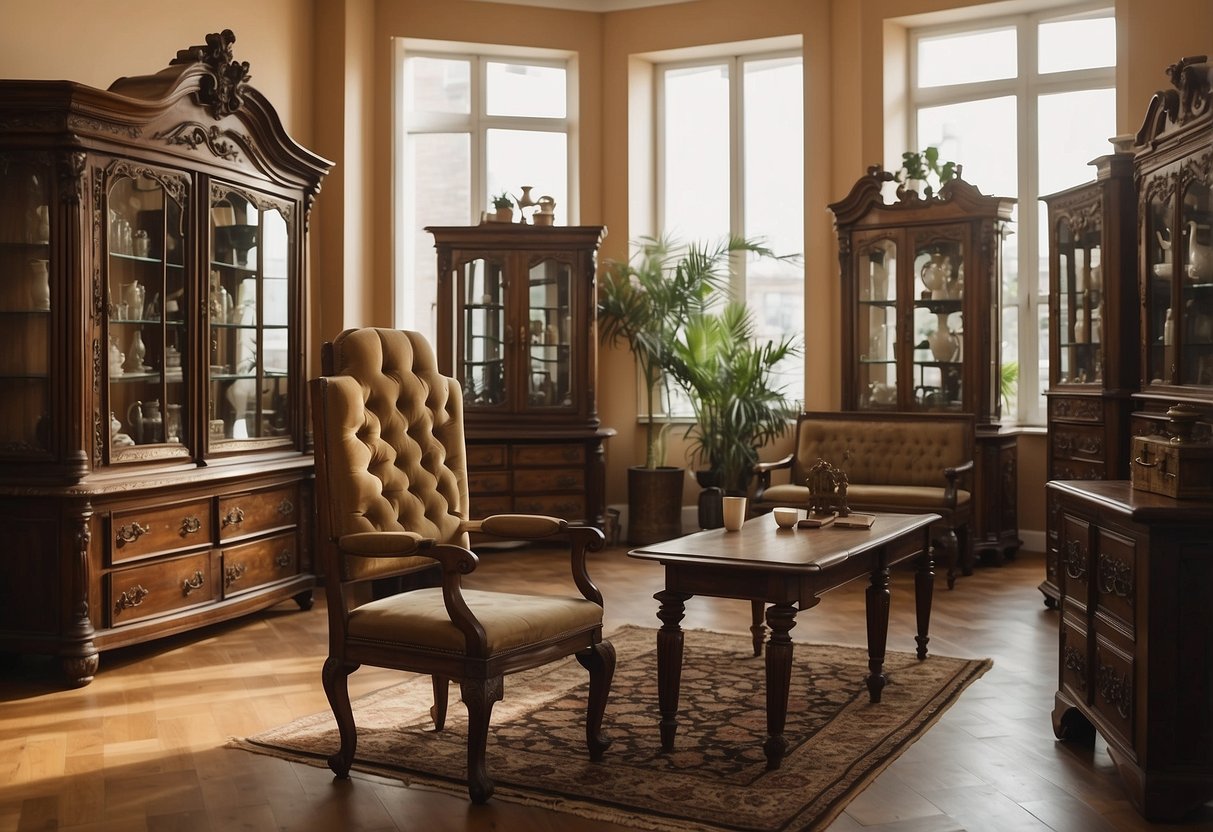
Antique furniture is not just a piece of furniture, but it is a reflection of the culture and heritage of a particular region. The craftsmanship and design of antique furniture across different cultures are unique and exquisite. In this section, we will explore two cultures that have a rich history of producing antique furniture – Indian and Singaporean.
Indian Craftsmanship and Heritage
India has a rich history of producing antique colonial furniture that reflects the influence of British, Dutch, and Portuguese cultures. The furniture is crafted with great attention to detail and is a perfect blend of European and Indian styles. Antique colonial furniture is a popular choice for those who want to add a touch of elegance and sophistication to their homes.
If you are looking for antique colonial furniture, you can visit antique stores, showrooms, or online stores that offer worldwide shipping. You can also find detailed pictures of the furniture to help you make an informed decision. Some stores also offer custom furniture that can be designed to suit your aesthetic preferences, whether you prefer a contemporary look or a minimalist design.

Reclaimed teak wood is a popular choice for antique colonial furniture as it is durable and has a unique texture that adds to the character of the furniture. The furniture is also known for its intricate carvings and designs that are inspired by the colonial mansions of India.
Singapore’s Antique Landscape
Singapore has a vibrant antique landscape that offers a diverse range of antique furniture, from Chinese furniture to pop art and Scandi furniture. Some popular vintage furniture stores in Singapore include Hock Siong & Co, Lorgan’s The Retro Store, The Past Perfect Collection, Singapore Trading Post, Just Anthony, and Tong Mern Sern.
If you are looking for antique furniture in Singapore, you can visit the Tan Boon Liat Building in Tiong Bahru or Tai Seng, where you can find a wide range of antique stores and showrooms. Some stores also offer second-hand furniture that can be restored to its former glory.
Antique colonial furniture is a popular choice in Singapore, and The Past Perfect Collection offers an unrivalled choice of antique colonial furniture spanning the British, Dutch, and Portuguese era in India. The furniture is carefully selected and lovingly restored to its former glory.
In conclusion, antique furniture across cultures is a beautiful representation of the heritage and craftsmanship of a particular region. Whether you are looking for Indian colonial furniture or Singaporean vintage furniture, there is a wide range of options available that can add character and charm to your home.
Frequently Asked Questions

How can you determine the value of antique furniture?
Determining the value of antique furniture can be a complex process that involves several factors, including the age, condition, rarity, and provenance of the piece. Some helpful resources for determining the value of antique furniture include antique dealers, appraisers, and auction houses. It’s important to keep in mind that the value of antique furniture can fluctuate based on market demand and other factors.
What are the most sought-after types of antique furniture?
The most sought-after types of antique furniture can vary depending on current trends and market demand. Some popular styles include Georgian, Victorian, and Edwardian furniture, as well as antique pieces from the Arts and Crafts and Art Nouveau movements. Furniture made from high-quality materials such as mahogany, oak, and walnut are also highly sought after.
At what age does furniture qualify as antique?
Furniture typically qualifies as antique when it is over 100 years old. However, some pieces may be considered antique if they are rare or have historical significance, even if they are not yet 100 years old.
What are the best tips for caring for antique furniture?
Caring for antique furniture involves taking steps to preserve the piece’s original condition and prevent damage. Some tips for caring for antique furniture include avoiding direct sunlight, keeping the piece away from heat sources and moisture, using gentle cleaning products, and avoiding harsh chemicals or abrasive materials.
Where might one find antique furniture for purchase?
Antique furniture can be found for purchase at antique shops, estate sales, auctions, and online marketplaces. It’s important to do your research and buy from reputable sellers to ensure that you are getting a genuine antique piece.
How should one go about selling antique furniture?
When selling antique furniture, it’s important to have the piece appraised by a professional to determine its value. You can then sell the piece through an antique dealer, auction house, or online marketplace. It’s important to be transparent about the piece’s condition and history to help ensure a fair sale.