Acacia vs Eucalyptus Outdoor Furniture: Which is Better for Your Garden?
If you’re in the market for outdoor furniture, you may be wondering which type of wood to choose. Acacia and eucalyptus are two popular options that are known for their durability, weather resistance, and natural beauty. In this article, we’ll explore the characteristics and benefits of each type of wood to help you make an informed decision.

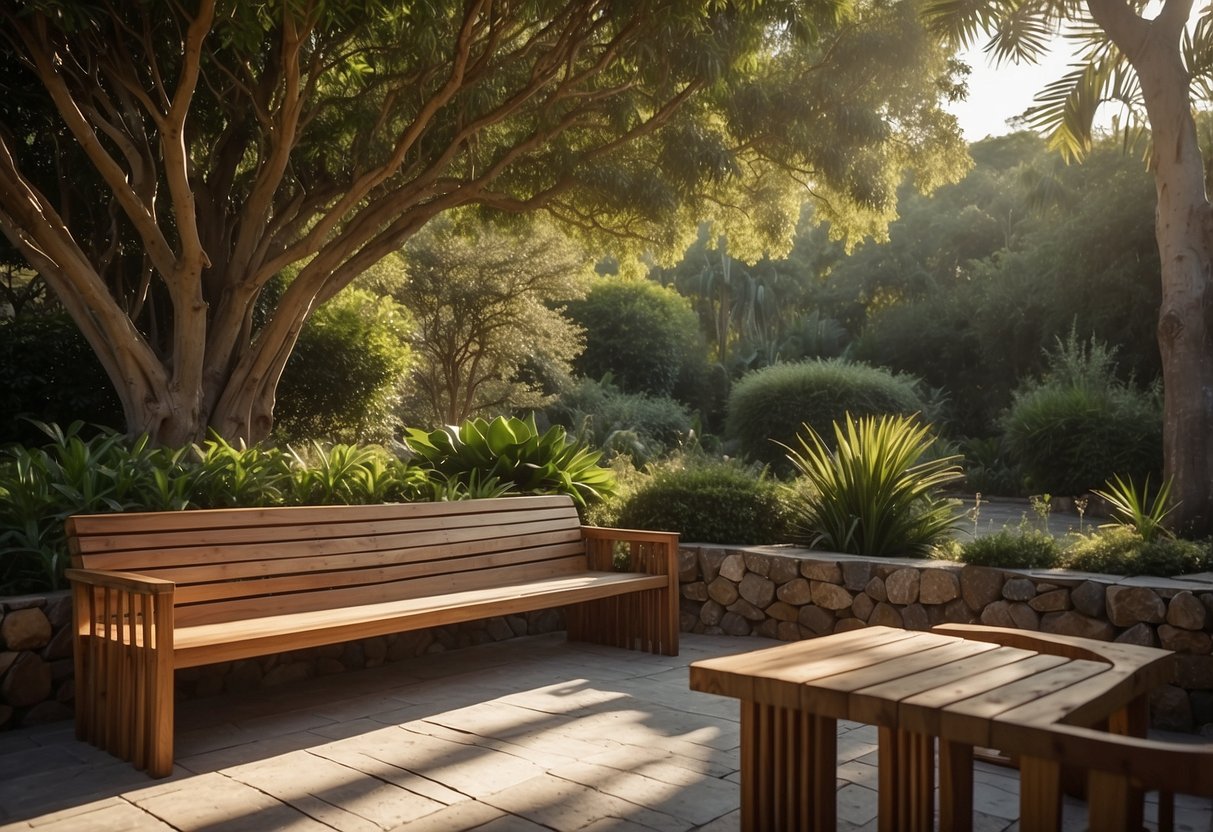
Acacia is a hardwood that is known for its durability and weather resistance. It has a rich brown color with attractive grain patterns that make it a popular choice for outdoor furniture. Eucalyptus, on the other hand, is also a hardwood that is rot-resistant, water-resistant, and resistant to decay and insects. It has a reddish-brown hue and is not easily affected by moisture due to its natural oil content. Both types of wood are sustainable and can be a budget-friendly option compared to other types of hardwood.
When choosing between acacia and eucalyptus for your outdoor furniture, there are practical considerations to keep in mind. These include factors such as maintenance, quality, and budget. By understanding the characteristics and benefits of each type of wood, you can make an informed decision that meets your specific needs and preferences.
Key Takeaways
- Acacia and eucalyptus are both durable and weather-resistant hardwoods that are popular choices for outdoor furniture.
- Acacia has a rich brown color with attractive grain patterns, while eucalyptus has a reddish-brown hue and is not easily affected by moisture.
- When choosing between acacia and eucalyptus, practical considerations such as maintenance, quality, and budget should be taken into account.
Characteristics and Benefits of Acacia and Eucalyptus
Natural Durability and Resistance
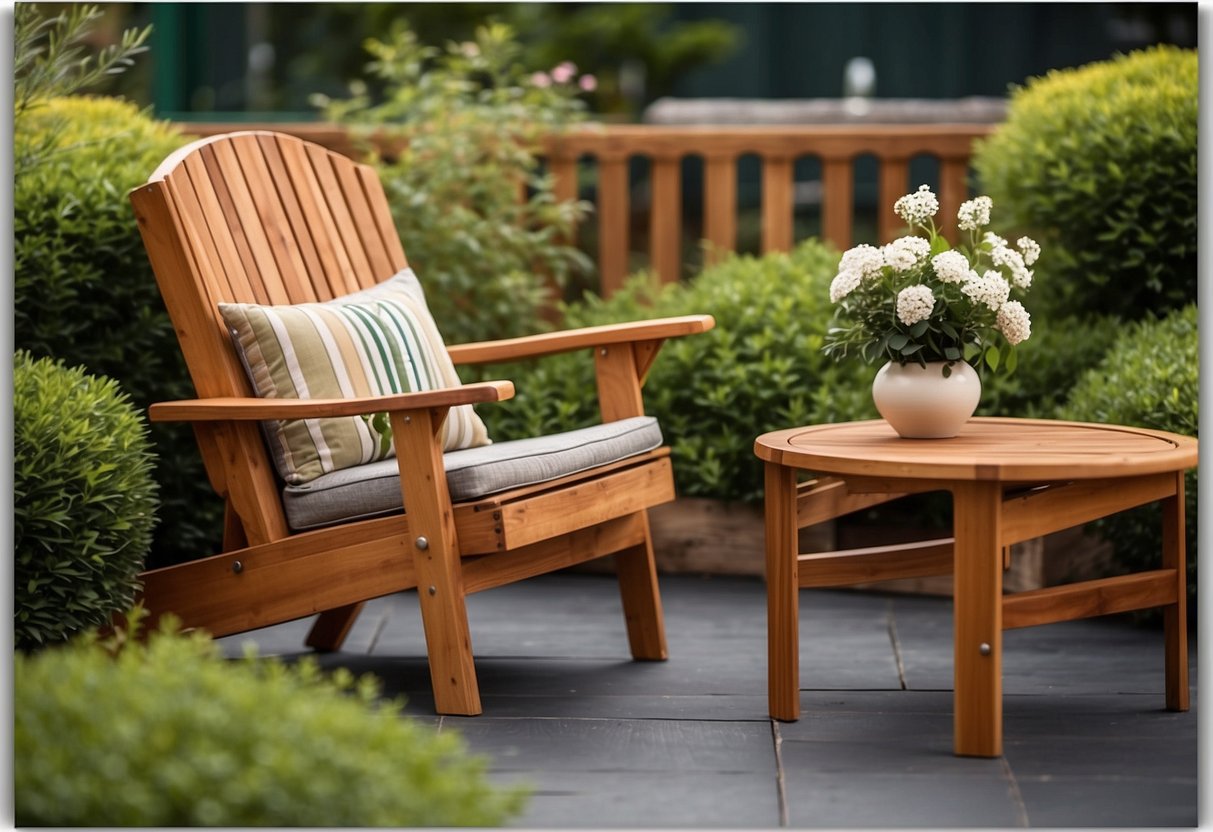
When it comes to outdoor furniture, natural durability and resistance are essential factors to consider. Acacia and Eucalyptus are both hardwood species that possess these characteristics. Acacia wood has a higher density than Eucalyptus wood, making it more resistant to scratches and dents. However, Eucalyptus wood is highly durable and resistant to rot, decay, and insects due to its natural oils. Both types of wood have good moisture resistance, but Eucalyptus wood has better weather resistance than Acacia wood.

Aesthetic Appeal and Maintenance
Acacia wood has a beautiful colour and grain pattern that adds natural beauty and elegance to outdoor furniture. It requires regular maintenance, such as oiling or staining, to maintain its appearance. Eucalyptus wood has a lighter colour and a straighter grain pattern, giving it a more contemporary look. It requires minimal maintenance and can be left to age naturally. Both types of wood can be stained to achieve a desired colour.
Environmental Impact and Sustainability
Acacia and Eucalyptus are both sustainable and eco-friendly sources of wood. Acacia is a fast-growing species that supports local economies and livelihoods in many parts of the world. Eucalyptus is also a fast-growing species that has a lower environmental impact compared to Acacia. Both types of wood are renewable and have natural oils that make them resistant to decay and insects, reducing the need for chemical treatments.
In conclusion, both Acacia and Eucalyptus have their unique characteristics and benefits. Acacia has a higher density and requires more maintenance, but it has a beautiful colour and supports local economies. Eucalyptus is highly durable, weather-resistant, and requires minimal maintenance, making it a popular choice for outdoor furniture. Ultimately, the choice between Acacia and Eucalyptus comes down to personal preference and specific needs.
Practical Considerations for Outdoor Furniture
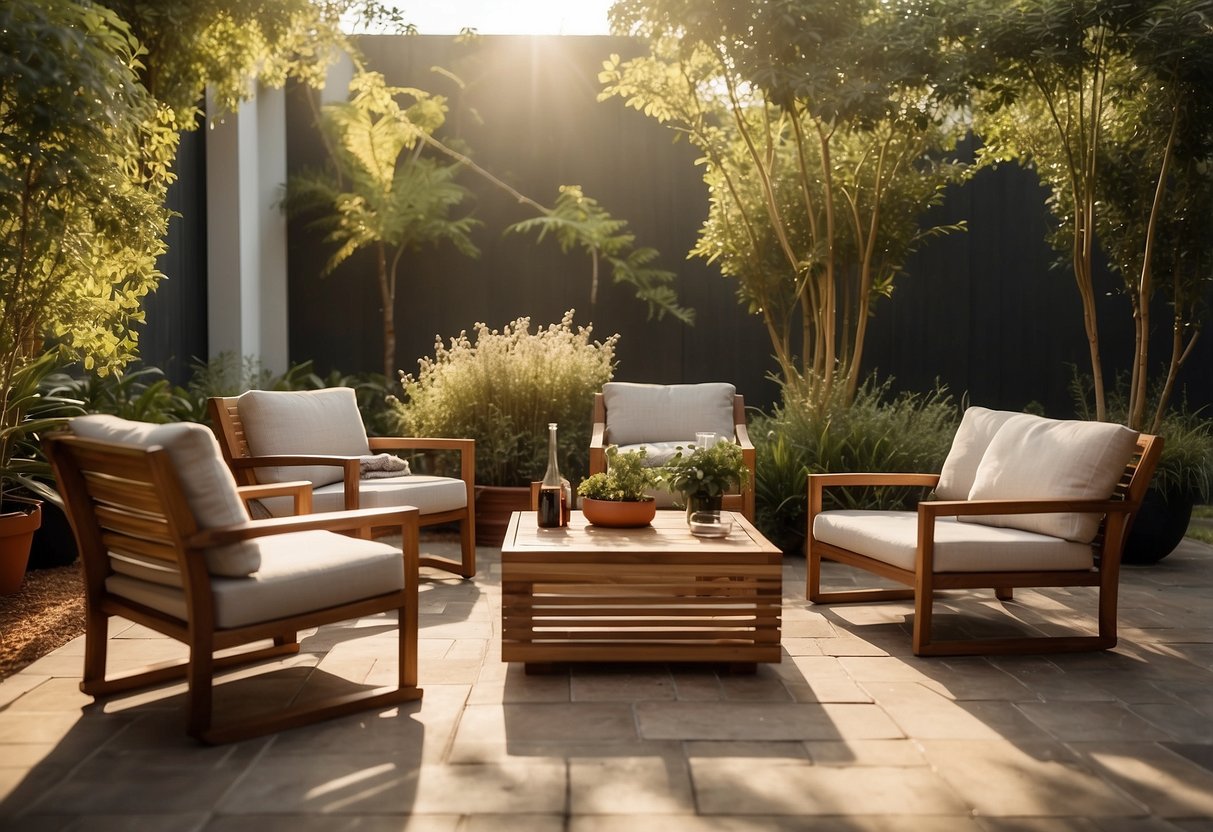
When choosing outdoor furniture, there are several practical considerations to keep in mind. These include cost and budget considerations, weight and portability, and longevity and care.
Cost and Budget Considerations
One of the first things to consider when shopping for outdoor furniture is your budget. Acacia and eucalyptus wood furniture are both popular choices for outdoor spaces, with eucalyptus being the more affordable option. However, keep in mind that cheaper options may not always be the best value in the long run. Consider the quality and lifespan of the furniture when making your decision.

Weight and Portability
Another practical consideration is the weight and portability of the furniture. If you plan on moving your furniture around frequently, opt for lighter options such as eucalyptus or pine. However, keep in mind that lighter furniture may not be as durable as heavier options like acacia or teak.
Longevity and Care
When it comes to outdoor furniture, longevity and care are crucial factors to consider. Both acacia and eucalyptus are rot-resistant and weather-resistant, making them suitable for outdoor use. However, they do require regular maintenance to keep them looking their best. Eucalyptus, in particular, needs regular sealing to maintain its appearance. Keep in mind that weather conditions and humidity levels can also affect the lifespan of your furniture.
In summary, when choosing outdoor furniture, consider your budget, the weight and portability of the furniture, and its longevity and care requirements. Acacia and eucalyptus wood furniture are both popular choices for outdoor spaces, with their own pros and cons. Take the time to research and compare different options to find the best fit for your needs.
Frequently Asked Questions
What are the maintenance requirements for acacia and eucalyptus outdoor furniture?
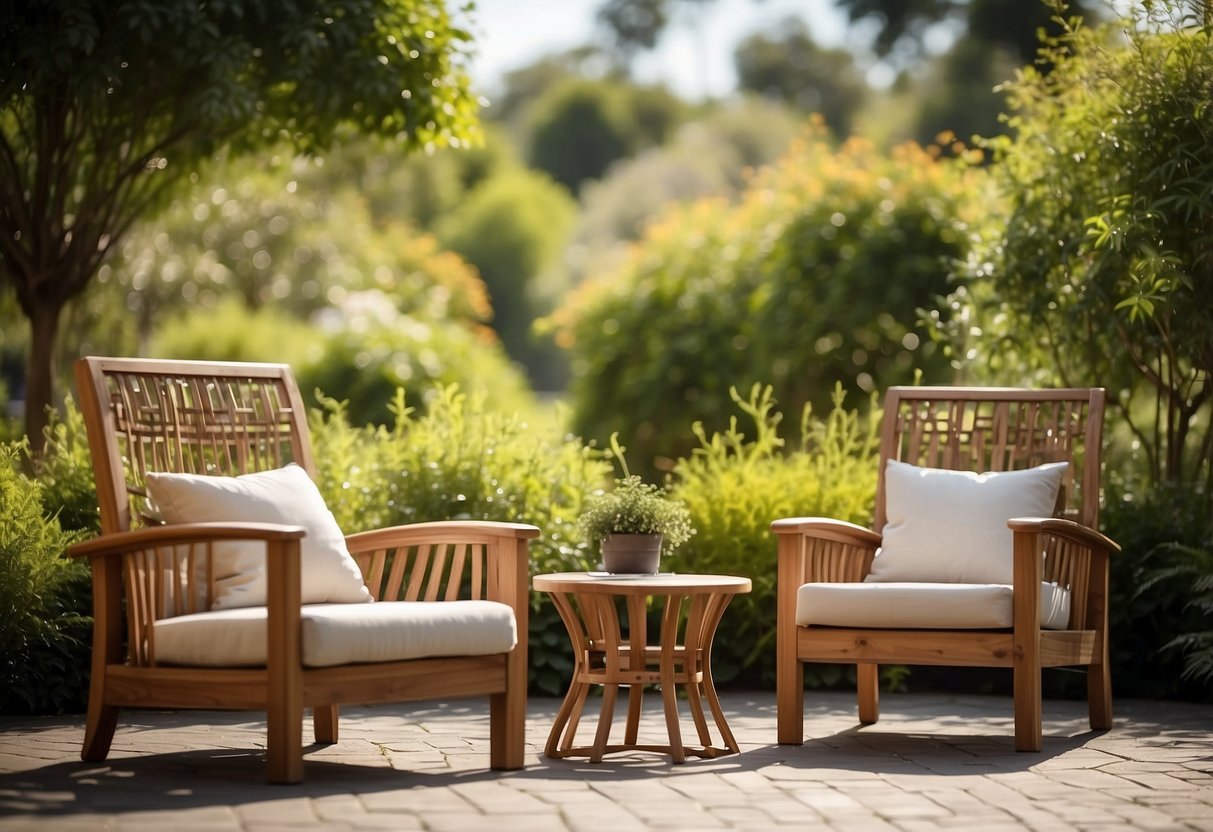
Both acacia and eucalyptus outdoor furniture require regular maintenance to keep them looking their best. You should clean your furniture regularly with a soft cloth and warm, soapy water. Avoid using harsh chemicals or abrasive materials, as these can damage the wood. You should also oil your furniture annually to help protect it from the elements.
How does the durability of acacia compare to eucalyptus when used for outdoor furniture?
Both acacia and eucalyptus are durable woods that can withstand exposure to the elements. However, eucalyptus is generally considered to be slightly more durable than acacia. This is because eucalyptus has a higher natural oil content, which helps to make it more resistant to moisture and insect damage.
What are the environmental impacts of choosing acacia or eucalyptus for outdoor furniture?
Both acacia and eucalyptus are sustainable options for outdoor furniture. However, it’s important to choose wood that has been responsibly sourced. Look for furniture that has been certified by organisations such as the Forest Stewardship Council (FSC) or the Programme for the Endorsement of Forest Certification (PEFC).
Can you highlight the cost differences between acacia and eucalyptus outdoor furniture?
Acacia outdoor furniture is generally less expensive than eucalyptus outdoor furniture. However, the cost can vary depending on factors such as the quality of the wood and the complexity of the design.
What are the common protective treatments for acacia and eucalyptus wood used in outdoor settings?
The most common protective treatments for acacia and eucalyptus wood used in outdoor settings are oiling and sealing. Oiling helps to protect the wood from moisture and insect damage, while sealing helps to protect it from UV damage and other environmental factors.
How do acacia and eucalyptus woods respond to varying weather conditions when used in garden furniture?
Both acacia and eucalyptus woods are naturally weather-resistant and can withstand exposure to the elements. However, it’s important to protect your furniture from extreme weather conditions such as heavy rain and snow. You should also store your furniture indoors during the winter months to help extend its lifespan.