

What is IKEA Furniture Made Of: Materials Used in IKEA Products
If you’re looking to buy furniture that’s affordable, stylish, and easy to assemble, chances are you’ve heard of IKEA. But have you ever wondered what IKEA furniture is made of? Knowing the materials that go into your furniture can help you make informed decisions about your purchases, especially if you’re concerned about sustainability and quality.

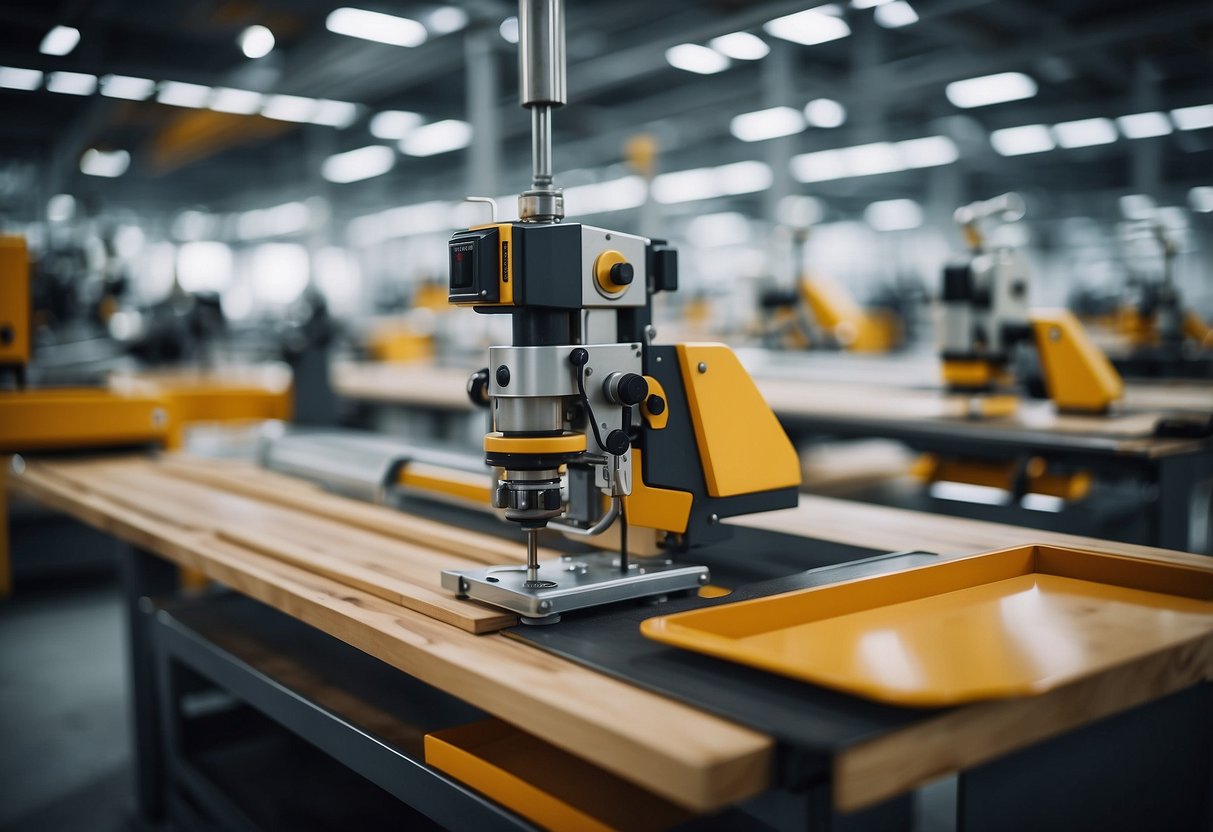
IKEA furniture is made from a variety of materials, including particleboard, fiberboard, solid wood, metal, and plastic. The materials used depend on the specific piece of furniture and its intended use. For example, particleboard and fiberboard are commonly used for bookcases and cabinets, while solid wood is often used for tables and chairs. Metal and plastic are used for hardware and other components.
Understanding the materials used in IKEA furniture can help you evaluate the quality and durability of each piece. By knowing what to look for, you can make sure you’re getting furniture that will last and that meets your specific needs. In this article, we’ll take a closer look at the materials and production processes used by IKEA, as well as answer some frequently asked questions.
Key Takeaways
- IKEA furniture is made from a variety of materials, including particleboard, fiberboard, solid wood, metal, and plastic.
- Understanding the materials used in IKEA furniture can help you evaluate the quality and durability of each piece.
- Knowing what IKEA furniture is made of can help you make informed decisions about your purchases and ensure that you’re getting furniture that meets your specific needs.
Materials and Quality of IKEA Furniture

When it comes to IKEA furniture, there are a variety of materials used in their production. Understanding the materials used in the furniture can help you make informed decisions about the quality and durability of the products you purchase.

Wood Varieties and Sources
IKEA furniture is made from various wood varieties, including pine, acacia, oak, beech, birch, and eucalyptus. These wood varieties are sourced from sustainable forests and are certified by the Forest Stewardship Council (FSC). This means that the wood is sourced responsibly and that the forests are managed in an environmentally friendly way.
If you are looking for solid wood furniture, IKEA offers a range of options. However, keep in mind that solid wood furniture can be more expensive than other materials like particleboard or fibreboard.
Non-Wood Materials and Innovations
IKEA is known for its innovative use of materials in furniture production. In addition to wood, IKEA also uses recycled materials, natural fibres, and rubberwood in their products. Rubberwood is a sustainable material that comes from rubber trees that are no longer producing latex.
Another innovation in IKEA furniture production is the use of particleboard and fibreboard. These materials are made from recycled wood shavings and are compressed to create a durable and affordable option for furniture.
Environmental Considerations and Sustainability
IKEA is committed to sustainability and reducing its impact on the environment. In addition to using sustainable wood sources, IKEA also uses renewable materials, such as bamboo, in their products. They also have a goal of using only renewable and recycled materials in their products by 2030.
When it comes to environmental considerations, it is important to note that not all IKEA products are created equal. Some products may have a higher environmental impact than others, so it is important to do your research before making a purchase.
Overall, IKEA furniture is made from a variety of materials, including solid wood, particleboard, and natural fibres. Understanding the materials used in the furniture can help you make informed decisions about the quality and durability of the products you purchase.

Production and Supply Chain

Manufacturing and Suppliers
When it comes to manufacturing, IKEA works with over 1,600 suppliers in 50 countries to produce its extensive range of furniture and home furnishings. The top five countries where IKEA furniture is manufactured are China, Poland, Italy, Lithuania, and Sweden. The company identifies the production requirements of each item, determines the necessary logistics, and related costs. IKEA’s suppliers are expected to follow the IWAY Standard, which sets out the company’s expectations for suppliers in areas such as environmental impact, health and safety, and labour rights.
Global Reach and Local Sourcing
IKEA has a global reach, with stores in over 50 countries. The company uses a combination of global and local sourcing to ensure that its products are affordable and of high quality. For example, IKEA sources its raw materials, such as wood, from suppliers in Eastern European countries like Romania and the Baltic States. The company also sources materials from Italy for its lacquer finishes and metal products. In addition, IKEA has committed to using renewable energy in its stores and manufacturing facilities to reduce its environmental impact.
IKEA’s Commitment to Affordable Pricing
One of IKEA’s core values is affordability. The company uses a variety of strategies to keep its prices low, including efficient supply chain management, flat-pack shipping, and mail-order business. IKEA also designs its products with affordability in mind, using materials like extruded particle board and platen pressed wooden furniture. The company’s commitment to affordable pricing has made its products accessible to people around the world.
In conclusion, IKEA’s production and supply chain is a complex network of suppliers, manufacturing facilities, and logistics. The company uses a combination of global and local sourcing to ensure that its products are affordable and of high quality. IKEA is committed to sustainability, using renewable energy and recycled plastic in its products. The company’s commitment to affordability has made its products accessible to people around the world.
Frequently Asked Questions

What types of wood are used in IKEA furniture?
IKEA furniture is made from a variety of wood species, including pine, birch, beech, acacia, eucalyptus, and rubberwood. These woods are commonly used in the production of IKEA furniture due to their strength, durability, and affordability.
How does IKEA ensure the quality of their wood?
IKEA has a strict quality control process in place to ensure that the wood used in their furniture meets their standards. They work closely with their suppliers to ensure that the wood is sustainably sourced and meets their environmental and social responsibility standards.
Has IKEA been involved in any sustainability controversies?
IKEA has faced some sustainability controversies in the past, such as accusations of using illegally logged wood in their products. However, the company has taken steps to address these issues and is committed to using sustainably sourced materials in their furniture.
Who supplies the raw materials for IKEA’s furniture?
IKEA sources its raw materials from a variety of suppliers around the world. They work with suppliers who meet their environmental and social responsibility standards and are committed to sustainable sourcing practices.
Are IKEA’s furniture pieces crafted from solid wood or engineered wood?
IKEA uses both solid wood and engineered wood in their furniture production. Engineered wood, such as particleboard and MDF, is often used in the production of IKEA furniture due to its affordability and durability.
What efforts does IKEA make towards furniture sustainability?
IKEA is committed to sustainability and has taken steps to reduce their environmental impact. They have set a goal to become a circular and climate-positive business by 2030, which includes using only renewable and recycled materials in their products and reducing their carbon footprint. They also encourage customers to recycle their old furniture through their buy-back program.