

What is Art Deco Furniture? A Brief Introduction
If you’re a fan of luxurious and stylish furniture, then you’ve likely heard of Art Deco furniture. But what exactly is Art Deco furniture? Art Deco is a design movement that originated in Paris in the 1920s and 1930s, and it’s characterised by its geometric shapes, bold colours, and opulent materials.
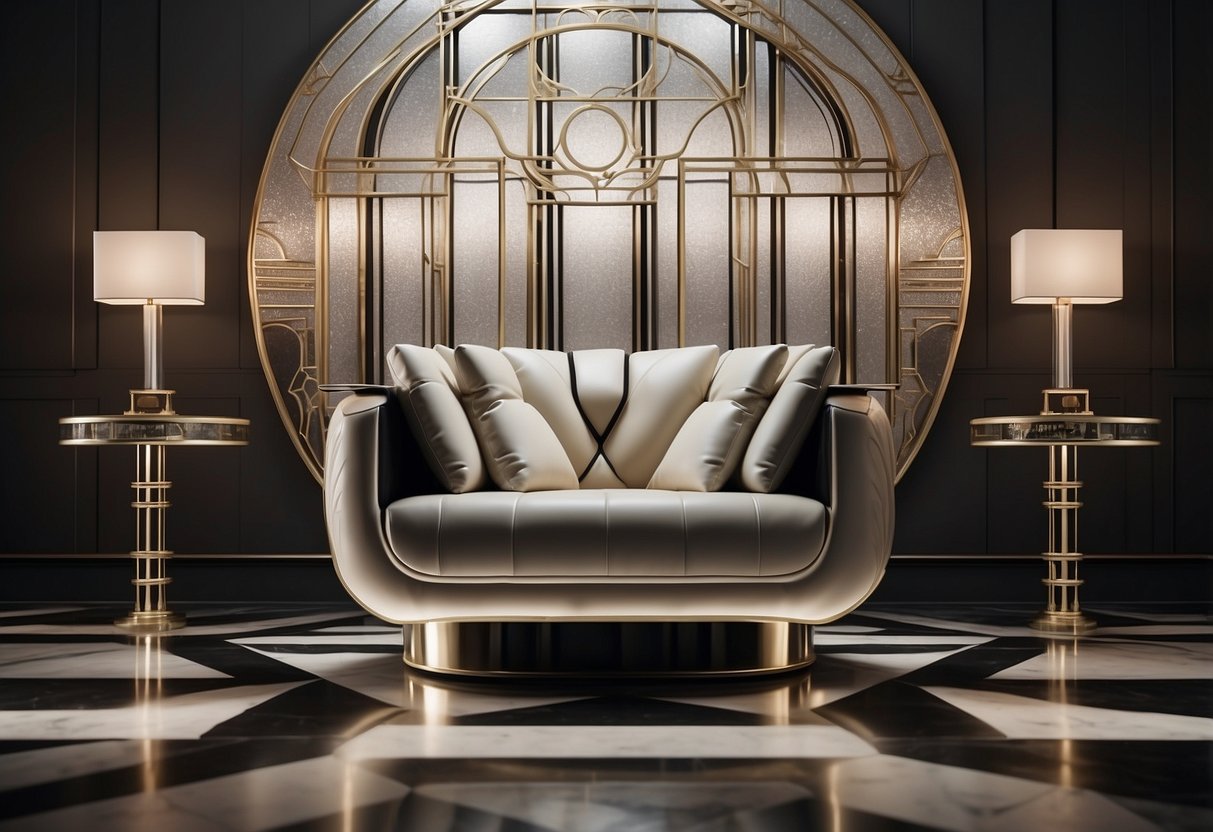
Art Deco furniture is no exception to these characteristics. It’s known for its sleek lines, symmetry, and use of materials such as exotic woods, lacquer, and metal accents. The furniture is often designed with a focus on both form and function, making it both beautiful and practical.
In this article, we’ll explore the essence of Art Deco furniture, iconic Art Deco furniture and designers, and answer some frequently asked questions about this unique style. By the end of this article, you’ll have a better understanding of what makes Art Deco furniture so special and how you can incorporate it into your own home.

Key Takeaways
- Art Deco furniture is characterised by geometric shapes, bold colours, and opulent materials.
- The furniture is designed with a focus on both form and function, making it both beautiful and practical.
- Iconic Art Deco furniture and designers are still celebrated today for their contributions to the movement.
The Essence of Art Deco Furniture
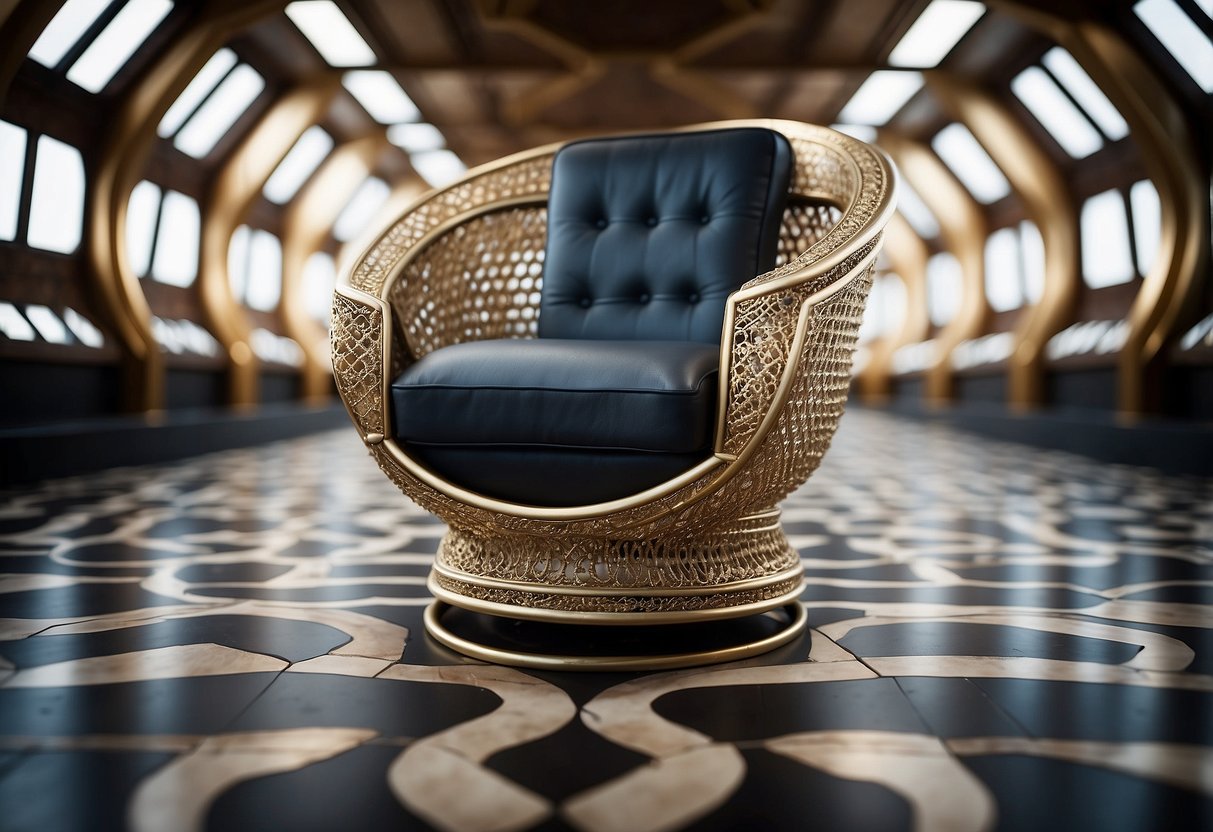
Art Deco furniture is a style that emerged in the 1920s and 1930s, characterized by sleek geometry, bold colours, and luxurious materials. This section will explore the historical context and origins of Art Deco furniture, its defining characteristics, and the influential materials and craftsmanship that make it so unique.

Historical Context and Origins
Art Deco furniture emerged in the aftermath of World War I, a time when people were seeking a break from the past and a new, modern aesthetic. It was influenced by a variety of artistic movements, including Art Nouveau, Bauhaus, Cubism, and Modernism. The style was popularized at the 1925 Exposition Internationale des Arts Décoratifs et Industriels Modernes in Paris, which showcased the latest trends in art and design.
Defining Characteristics
Art Deco furniture is defined by its streamlined geometry, which is often built from clean lines and balanced details. Shapes could also be used to conjure patterns that enhanced the elegance of a piece. Geometric shapes such as chevrons, triangles, and circles were often used to create a sense of movement and dynamism.
The use of bold colours and luxurious materials is another defining characteristic of Art Deco furniture. Gold, lacquer, walnut, ash, and exotic woods were all popular materials used in the creation of Art Deco furniture. The furniture was often adorned with intricate inlays and carvings, and was finished with high-gloss lacquer or polished to a high shine.
Influential Materials and Craftsmanship
Craftsmanship was of utmost importance in the creation of Art Deco furniture. The furniture was meticulously crafted into refined forms, using traditional methods such as marquetry and veneering. Leather was often used to upholster chairs and sofas, adding a touch of luxury and sophistication.
In conclusion, Art Deco furniture is a style that is characterized by its sleek geometry, bold colours, and luxurious materials. Its defining characteristics include streamlined geometry, the use of bold colours and luxurious materials, and intricate craftsmanship. Art Deco furniture is a timeless style that continues to inspire and captivate design enthusiasts today.
Iconic Art Deco Furniture and Designers
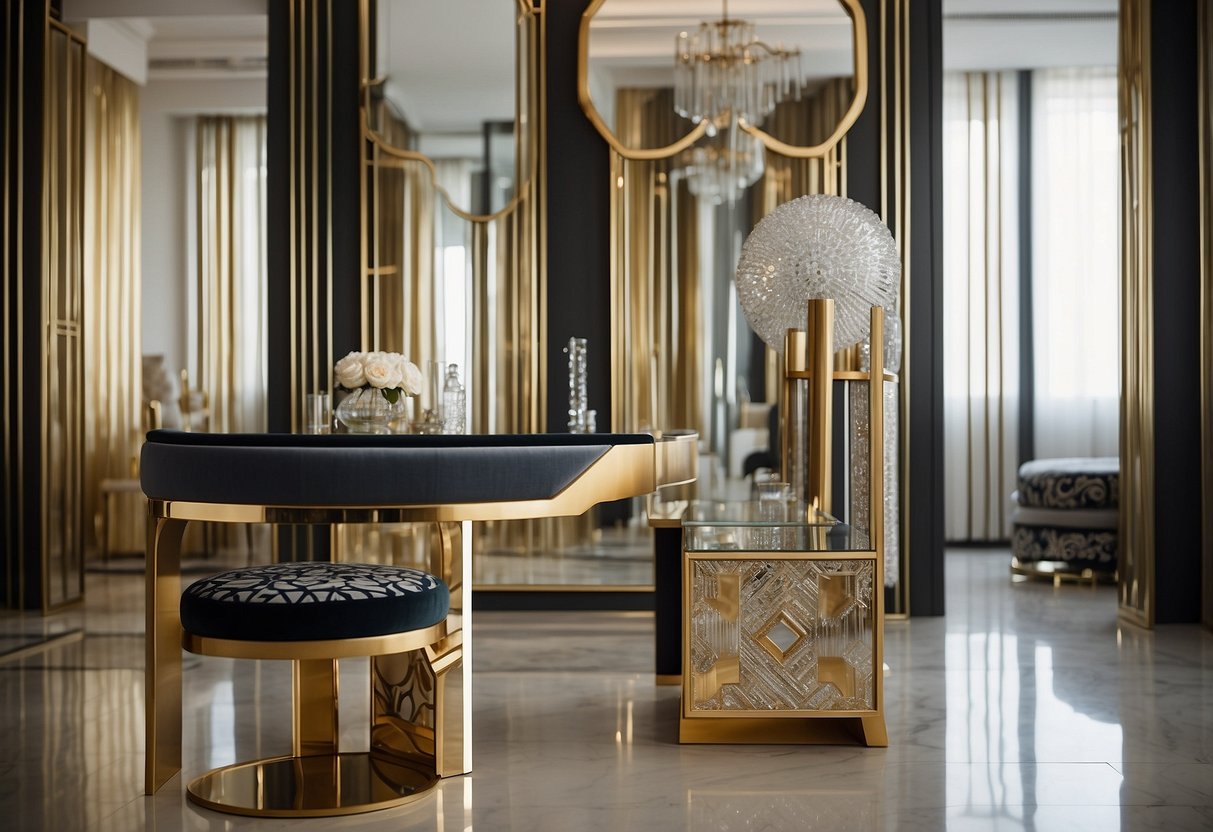
Famous Art Deco Pieces
When it comes to Art Deco furniture, there are several iconic pieces that have become synonymous with the style. One of the most famous examples is the Chrysler Building in New York City, which features Art Deco elements both inside and out. The building’s lobby is particularly noteworthy, with its marble walls, geometric patterns, and intricate metalwork.
Another famous Art Deco building in New York City is the Empire State Building. While the building’s exterior is not strictly Art Deco, its lobby features a stunning Art Deco mural by artist Hildreth Meière. The mural depicts the history of transportation, with a focus on the modern age of the 1920s and ’30s.
Radio City Music Hall is another New York City landmark with Art Deco elements. The theatre’s interior features a stunning mural by artist Stuart Davis, as well as Art Deco light fixtures and furnishings.
Prominent Art Deco Designers
Several designers were instrumental in shaping the Art Deco style. Jacques Ruhlmann was one of the most prominent, known for his elegant, streamlined furniture designs. His pieces often featured exotic woods and luxurious fabrics, and were designed with both form and function in mind.
Émile-Jacques Ruhlmann, the son of Jacques Ruhlmann, also made significant contributions to the Art Deco movement. He was known for his use of high-quality materials and his attention to detail, and his pieces are still highly sought after today.
Jean Dunand was another influential Art Deco designer, known for his work in metal and lacquer. His pieces often featured intricate geometric patterns and bold colours, and were highly prized for their craftsmanship.
René Lalique was a French glass designer who made significant contributions to the Art Deco movement. His pieces were known for their intricate designs and use of bold colours, and his work can still be seen in museums and galleries around the world.
Donald Deskey was an American designer who made a significant impact on the Art Deco movement in the United States. He was known for his innovative use of materials and his ability to create pieces that were both functional and beautiful. His work can be seen in several prominent Art Deco buildings in New York City, including Radio City Music Hall and the Rockefeller Center.
Frequently Asked Questions
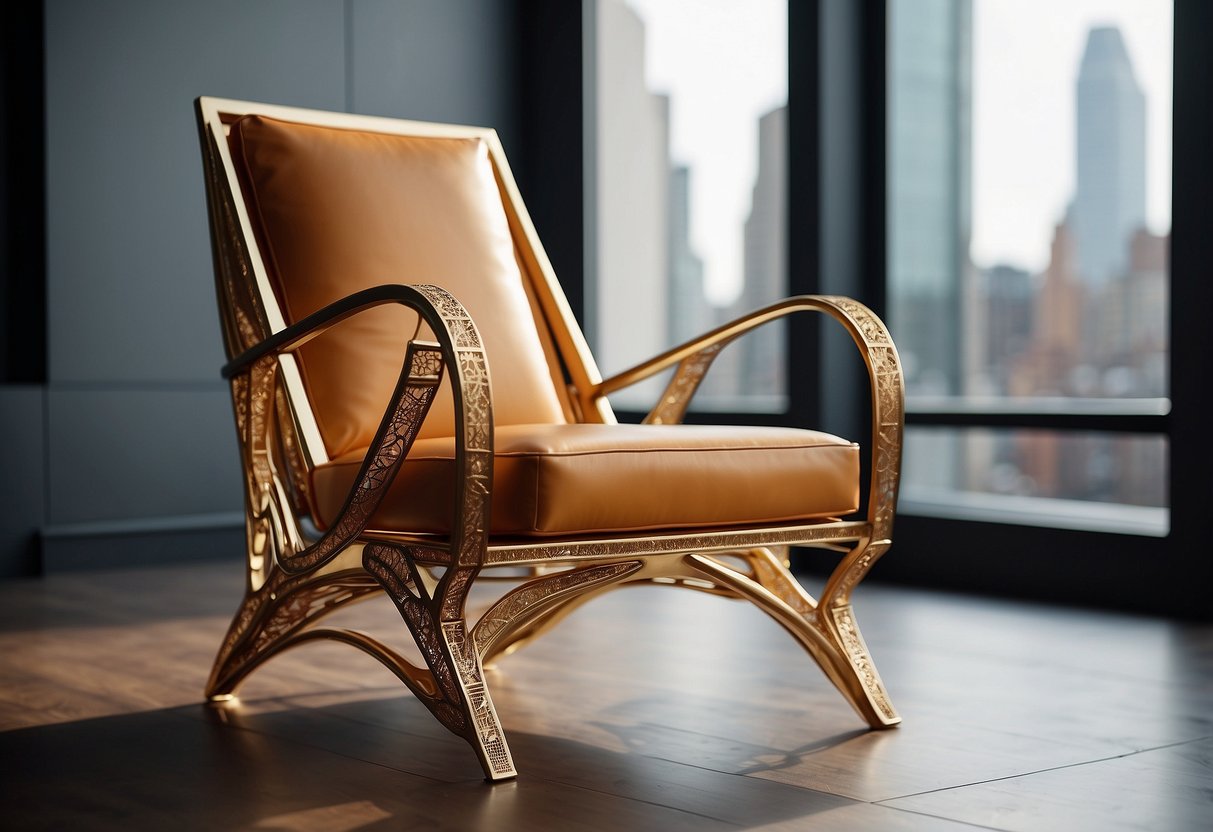
How can you distinguish Art Deco furniture from other styles?
Art Deco furniture is known for its sleek lines, geometric shapes, and bold colours. It often features luxurious materials such as exotic woods, metals, and glass. The style emerged in the 1920s and 1930s and was popularized by the Paris Exhibition of 1925. Compared to other styles, Art Deco is more modern and less ornate than Art Nouveau, and less minimalist than Bauhaus.
What are the defining characteristics of the Art Deco furniture style?
Art Deco furniture is characterized by its use of geometric shapes, bold colours, and luxurious materials. It often features symmetrical designs, streamlined forms, and decorative elements such as chrome accents, inlaid wood, and exotic veneers. Art Deco furniture is also known for its functionality and practicality, with many pieces designed to serve a specific purpose, such as a bar cart or a vanity table.
Which materials are commonly used in the creation of Art Deco furniture?
Art Deco furniture is often made from luxurious materials such as exotic woods, metals, and glass. Popular woods include ebony, mahogany, and rosewood, while metals such as chrome and brass are often used for decorative accents. Glass is also a common material, often used for tabletops and decorative elements such as mirrors.
Who are some renowned designers of Art Deco furniture?
Some renowned designers of Art Deco furniture include Jacques-Emile Ruhlmann, Émile-Jacques Ruhlmann, and Jean-Michel Frank. Other notable designers include Jules Leleu, Paul Follot, and Louis Süe. These designers were known for their use of luxurious materials, symmetrical designs, and attention to detail.
What period does the Art Deco furniture originate from?
Art Deco furniture originated in the 1920s and 1930s, and was popularized by the Paris Exhibition of 1925. The style was influenced by a variety of factors, including the machine age, the discovery of King Tut’s tomb, and the rise of Hollywood glamour.
Can Art Deco furniture be considered antique or is it classified as vintage?
Art Deco furniture can be considered both antique and vintage, depending on its age. Generally, antique furniture is considered to be over 100 years old, while vintage furniture is considered to be between 20 and 100 years old. Since Art Deco furniture originated in the 1920s and 1930s, it can be considered antique if it is over 100 years old, or vintage if it is between 20 and 100 years old.