

What Furniture Needs to be Anchored: A Quick Guide
Have you ever considered the safety of your furniture? You may not think about it often, but furniture tipping over can be a serious hazard in your home, especially for young children. According to the US Consumer Product Safety Commission, furniture tip-overs are responsible for an average of 11,100 injuries and 350 deaths each year. Anchoring your furniture to the wall is a simple and effective way to prevent these accidents from happening.
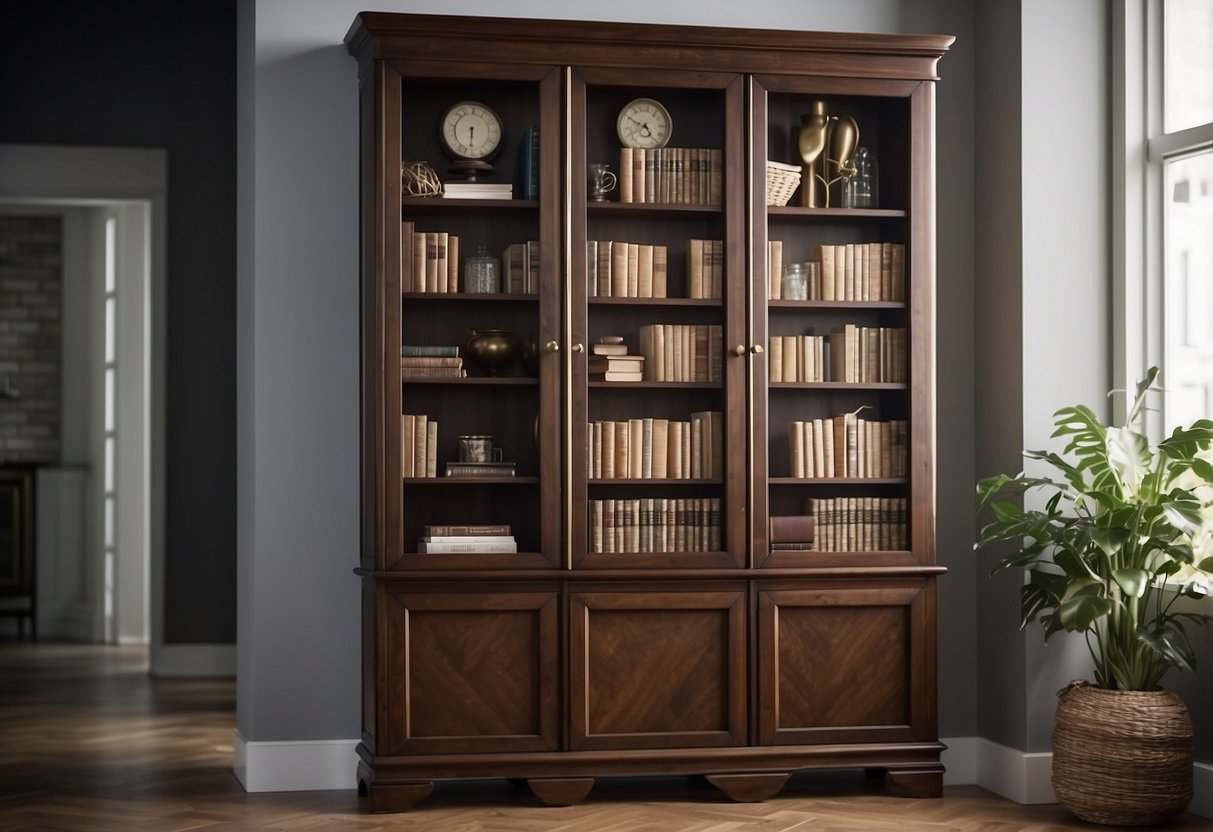
Understanding the Need to Anchor Furniture Furniture can tip over for many reasons, such as an uneven floor, a child climbing on it, or even just opening a drawer too quickly. However, the most common reason for furniture tipping is due to its design. Tall, narrow furniture like dressers and bookshelves have a higher center of gravity, making them more likely to tip over. Additionally, when drawers are pulled out, the weight distribution can become unbalanced, making the furniture even more unstable.
How to Anchor Furniture Safely Anchoring furniture to the wall is a quick and easy process that can be done with basic tools. First, locate the wall studs behind the furniture using a stud finder. Then, attach an L-bracket to the back of the furniture and screw it into the wall stud. For added safety, use a furniture strap to secure the furniture to the wall. These straps can be attached to the furniture and wall using screws or adhesive.

Key Takeaways
- Anchoring furniture to the wall is an effective way to prevent tip-overs and keep your home safe.
- Tall, narrow furniture like dressers and bookshelves are more likely to tip over and should be anchored.
- Anchoring furniture is a quick and easy process that can be done with basic tools.
Understanding the Need to Anchor Furniture
As a responsible homeowner, you must ensure that your furniture is safe and secure. Anchoring furniture is an essential safety measure that can prevent accidents and save lives. In this section, we will discuss the importance of anchoring furniture and the risks of not doing so.

The Risks of Furniture Tip-Overs
Furniture tip-overs can be dangerous and even fatal, especially for young children. The Consumer Product Safety Commission (CPSC) reports that every year, thousands of children are injured, and some even die due to furniture tip-over accidents. In fact, between 2000 and 2019, there were over 500 deaths due to tip-over accidents.
Children are particularly vulnerable to tip-over accidents as they may climb on furniture or pull on it, causing it to topple over. Heavy furniture such as dressers, bookcases, and televisions can cause serious injuries or death if they fall onto a child.
Childproofing and Preventing Accidents
Anchoring furniture is an important part of childproofing your home. It is essential to ensure that all furniture, particularly tall and heavy pieces, are securely anchored to the wall. The Sturdy Act, passed in 2019, requires manufacturers to ensure that their furniture is stable and can withstand tip-over accidents.
When purchasing furniture, it is important to check if it has undergone safety testing and meets the necessary standards. You can also purchase anchoring kits that come with all the necessary hardware to securely attach furniture to the wall.
In conclusion, anchoring furniture is a crucial safety measure that can prevent accidents and save lives. By taking the necessary precautions and childproofing your home, you can ensure that your loved ones are safe and secure.
How to Anchor Furniture Safely
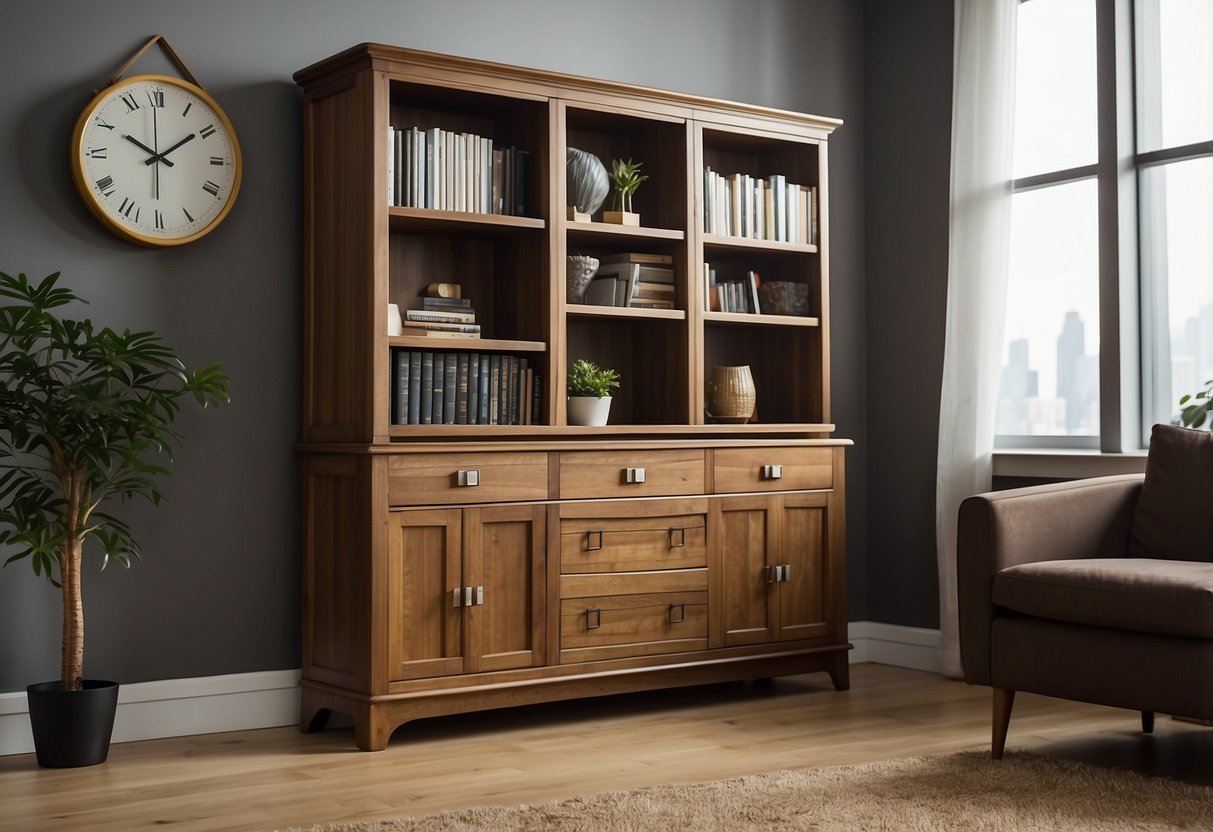
When it comes to securing your furniture, it’s important to do it properly to prevent any accidents. Follow these simple steps to ensure that your furniture is anchored safely.
Identifying Furniture That Needs Anchoring
It’s important to identify which pieces of furniture require anchoring. Any furniture that could potentially tip over and cause harm should be anchored. This includes dressers, chests, and shelving units. Flat-screen TVs should also be anchored, as they can be easily knocked over.
Tools and Materials Required
To anchor your furniture, you will need a few tools and materials. You will need a stud finder, screws, L-brackets, and an anchoring kit. You can find these items at your local hardware store.
Step-by-Step Anchoring Process
- Locate the studs in the wall using a stud finder.
- Measure the distance between the top of your furniture and the wall.
- Attach L-brackets to the back of your furniture using wood screws.
- Position the furniture against the wall, making sure the L-brackets are aligned with the studs.
- Use screws to attach the L-brackets to the wall.
- Test the stability of your furniture by gently pushing it to ensure it is securely anchored.
If you have a flat-screen TV, you can use nylon webbing or braided steel cable to secure it to the wall. Follow the manufacturer’s instructions for your specific TV model.
Remember, furniture anchoring is an important safety measure that should not be overlooked. If you are unsure about how to anchor your furniture, consult with a professional childproofer or refer to the International Association for Child Safety for more information.
Frequently Asked Questions

Which pieces of furniture should be secured to prevent tipping?
It is recommended that all furniture that could potentially tip over should be secured. This includes dressers, bookcases, cabinets, and TVs. Any furniture that is taller than it is wide is at risk of tipping over, especially if it is top-heavy or has drawers that can be pulled out like a ladder.
What are the best practices for anchoring furniture to ensure child safety?
When anchoring furniture, it is important to use the right tools and materials, such as furniture straps or wall brackets. You should also ensure that the furniture is anchored to a sturdy part of the wall, such as a stud. It is important to follow the manufacturer’s instructions carefully and to check the anchors regularly to make sure they are still secure.
At what age is it most crucial to have furniture anchored in the home?
It is crucial to have furniture anchored in the home as soon as you have young children who are mobile and exploring their environment. This can happen as early as six months old when babies start to crawl. It is important to secure furniture before accidents happen.
Is it possible to secure furniture without drilling into the walls?
Yes, it is possible to secure furniture without drilling into the walls. There are adhesive strips and tapes available that can be used to secure furniture to the wall without causing damage. However, it is important to note that these methods may not be as strong as using brackets or straps and may not be suitable for heavy furniture.
What types of anchors are recommended for different furniture items?
The type of anchor that is recommended for furniture will depend on the weight and size of the item. For heavy furniture, such as dressers, it is recommended to use wall brackets or straps that are screwed into the wall. For lighter items, such as lamps, adhesive strips or hooks may be suitable.
How can I anchor furniture at the base effectively?
Anchoring furniture at the base can be done using L-brackets or angle braces screwed into the furniture and the wall. This will prevent the furniture from tipping forward and can be especially useful for items like bookcases. It is important to ensure that the brackets are securely fastened to both the furniture and the wall.