What Causes White Spots on Leather Furniture: A Quick Guide
If you have leather furniture, you know how important it is to keep it looking good. However, even with proper care, you may notice white spots appearing on the surface. These spots can be frustrating, especially if you’re not sure what’s causing them. In this article, we’ll explore the common causes of white spots on leather furniture and provide you with effective cleaning and maintenance strategies to keep your furniture looking its best.

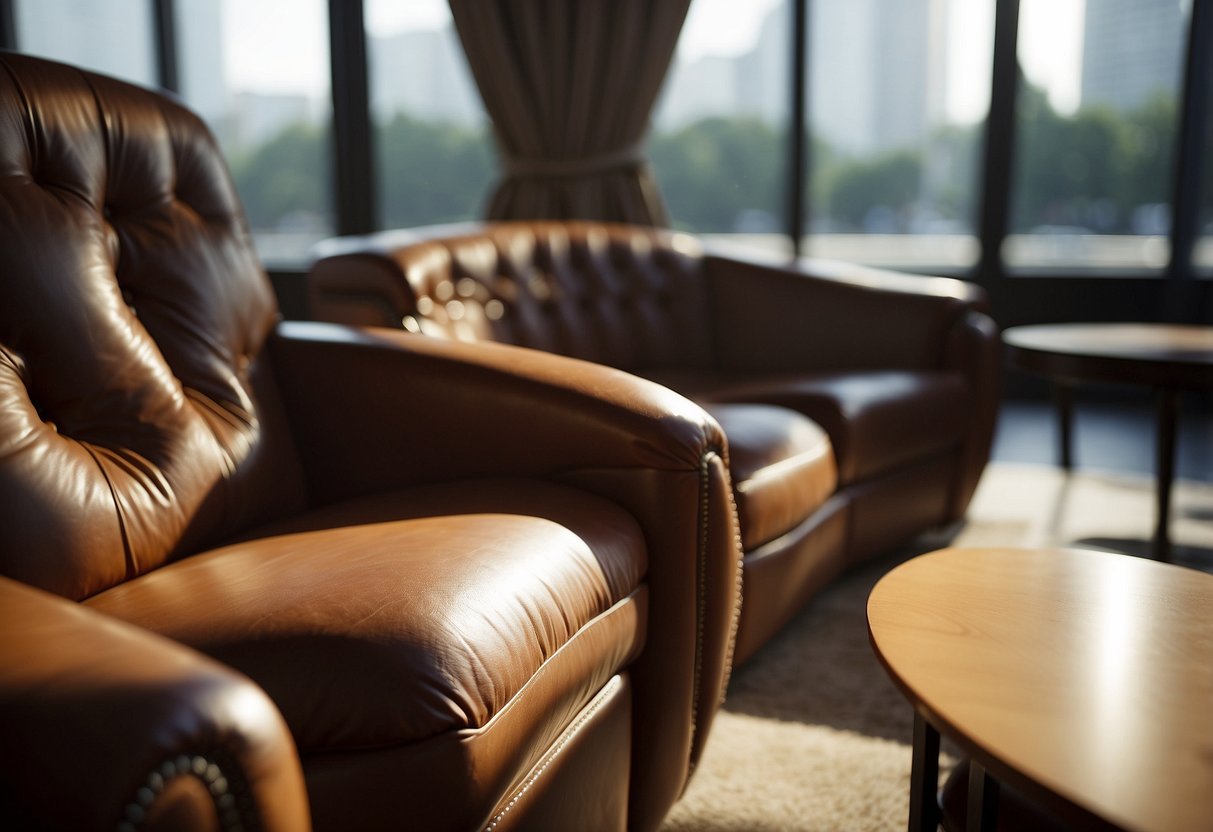
Leather furniture is a popular choice for many homeowners because of its durability and timeless appearance. However, over time, you may notice small white spots appearing on the surface. These spots can be caused by a variety of factors, including exposure to sunlight, mold, or chemical cleaners. Understanding the cause of these spots is the first step in effectively removing them and preventing them from reoccurring.
By following the tips and strategies outlined in this article, you can keep your leather furniture looking great for years to come. Whether you’re dealing with existing white spots or simply want to prevent them from appearing in the first place, our guide has everything you need to know. So, let’s dive in and explore the world of white spots on leather furniture.
Key Takeaways
- White spots on leather furniture can be caused by a variety of factors, including exposure to sunlight, mold, or chemical cleaners.
- Regular cleaning and maintenance can help prevent white spots from appearing.
- If you do notice white spots on your leather furniture, there are effective strategies for removing them and restoring the appearance of your furniture.
Common Causes of White Spots on Leather Furniture
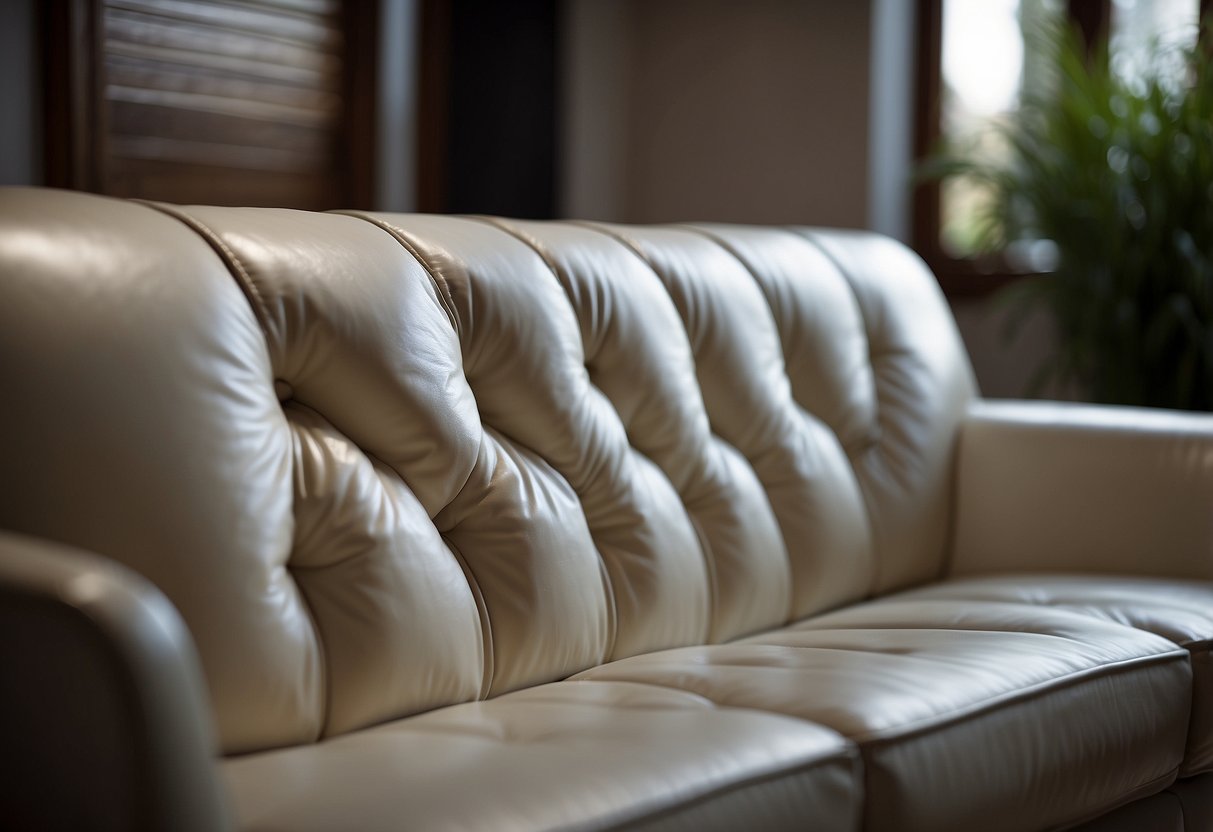
If you notice white spots on your leather furniture, it can be frustrating and unsightly. However, it’s not uncommon for leather to develop white spots. Here are some common causes of white spots on leather furniture and how to prevent them.

Interaction with Various Substances
Leather furniture can develop white spots when it comes into contact with various substances. For example, water can cause leather to fade and develop white spots. Oils, ink, and other stains can also cause white spots on the surface of the leather. To prevent this, be careful when using substances around your leather furniture. Clean up spills immediately and avoid using harsh chemicals on the leather.
Environmental Factors and Usage
Environmental factors and usage can also cause white spots on leather furniture. Exposure to direct sunlight can cause leather to fade and develop white spots. Humidity and temperature changes can also cause leather to develop white spots and cracks. To prevent this, avoid placing leather furniture in direct sunlight and keep it away from heat sources.
Biological Issues and Material Breakdown
Biological issues and material breakdown can also cause white spots on leather furniture. Mold, mildew, and fungus can grow on leather and cause white spots. Aging and wear and tear can also cause leather to develop white spots and discolouration. To prevent this, clean your leather furniture regularly and store it in a cool, dry place.
In summary, white spots on leather furniture can be caused by a variety of factors. By understanding the common causes of white spots on leather furniture, you can take steps to prevent them and keep your leather furniture looking its best.
Effective Cleaning and Maintenance Strategies
Routine Cleaning and Immediate Attention
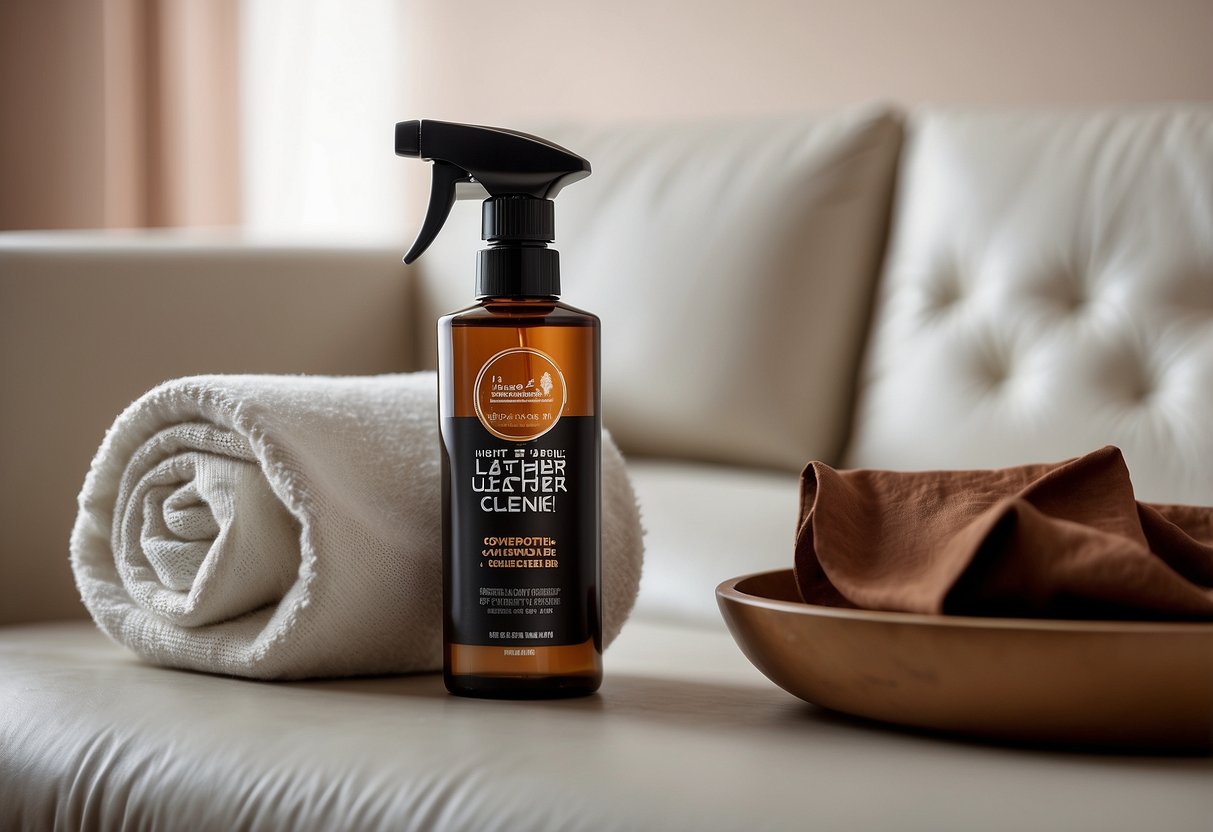
Leather furniture is a valuable investment that requires proper care to maintain its beauty and durability. Routine cleaning is essential to prevent the buildup of dirt, grime, and oils that can cause discoloration or damage to the leather. Start by dusting your leather couch or sofa regularly with a soft, dry cloth or a vacuum cleaner with a soft brush attachment. This will help remove any loose dirt or debris that may have accumulated on the surface.
For spills and stains, it’s important to act quickly to prevent them from setting in. Use a clean, damp cloth to blot the area gently, taking care not to rub the stain further into the leather. For tougher stains, you can use a leather cleaner or a pH-neutral soap and water solution. Be sure to test any cleaning solution on a small, inconspicuous area first to ensure that it does not damage or discolor the leather.

Conditioning and Preventative Measures
In addition to regular cleaning, leather furniture also requires conditioning to keep it looking its best. Leather conditioner helps to moisturize and protect the leather from drying out and cracking over time. Apply a small amount of conditioner to a clean, dry cloth and rub it into the leather in a circular motion. Be sure to follow the manufacturer’s instructions for best results.
Preventative measures can also help to protect your leather furniture from damage. Cover your leather couch or sofa when not in use to prevent dust and debris from settling on the surface. Avoid placing your leather furniture in direct sunlight or near a heat source, as this can cause the leather to dry out and crack over time. You can also use a leather protector spray to help repel stains and spills.
Advanced Leather Repair Techniques
If your leather furniture has become cracked, faded, or discolored over time, you may need to consider more advanced repair techniques. A leather repair kit can help you to recolor and repair cracked or damaged leather. Be sure to follow the manufacturer’s instructions carefully and test any repair solution on a small, inconspicuous area first to ensure that it does not damage or discolor the leather.
In summary, regular cleaning and maintenance are essential to keep your leather furniture looking its best. Use a soft, dry cloth or vacuum to remove dust and debris, and act quickly to blot spills and stains. Condition your leather furniture regularly to prevent drying and cracking, and take preventative measures to protect it from damage. If your leather furniture is damaged or discolored, consider using a leather repair kit to restore it to its former beauty.
Frequently Asked Questions
Why does my leather sofa have white marks on it?
White marks on your leather sofa can be caused by a variety of factors, including bacteria or fungus growth, fatty/salty bloom, salt stain, or metal corrosion. These substances can react with the surface of the leather, causing it to turn white.
How can I remove white stains from my leather couch?
To remove white stains from your leather couch, you can use a mixture of white vinegar and water. Test the solution on an inconspicuous area first to ensure it doesn’t damage the leather. Gently rub the solution onto the affected area with a soft cloth, and then wipe it off with a clean, damp cloth.
What’s the white substance emerging from my leather furniture?
The white substance emerging from your leather furniture could be a result of mould or mildew. These fungi thrive in warm and humid environments, and can cause white spots to appear on the surface of your leather furniture.
Can white mold develop on leather items and how can it be cleaned off?
Yes, white mold can develop on leather items, particularly if they are stored in damp or humid conditions. To clean off white mold, use a mixture of white vinegar and water. Gently rub the solution onto the affected area with a soft cloth, and then wipe it off with a clean, damp cloth.
What home remedies are effective for treating white spots on leather?
In addition to the white vinegar and water mixture, other home remedies that can be effective for treating white spots on leather include rubbing alcohol, lemon juice, and baking soda. However, it’s important to test these solutions on an inconspicuous area first to ensure they don’t damage the leather.
Is there a way to prevent white spots from appearing on leather goods?
Yes, there are several ways to prevent white spots from appearing on leather goods. Avoid exposing your leather items to direct sunlight or heat, as this can cause the leather to dry out and crack. Additionally, regularly cleaning and conditioning your leather items can help keep them in good condition and prevent white spots from forming.