What Causes Mildew on Wood Furniture: Understanding the Root of the Problem
If you have noticed mildew on your wood furniture, you may be wondering how it got there. Mildew is a type of fungus that thrives in warm, damp environments, making wood furniture a prime target. Mildew can cause discoloration, odor, and even structural damage to your furniture if left untreated. In this article, we will explore the causes of mildew on wood furniture and provide prevention and treatment strategies to help you keep your furniture looking and smelling fresh.

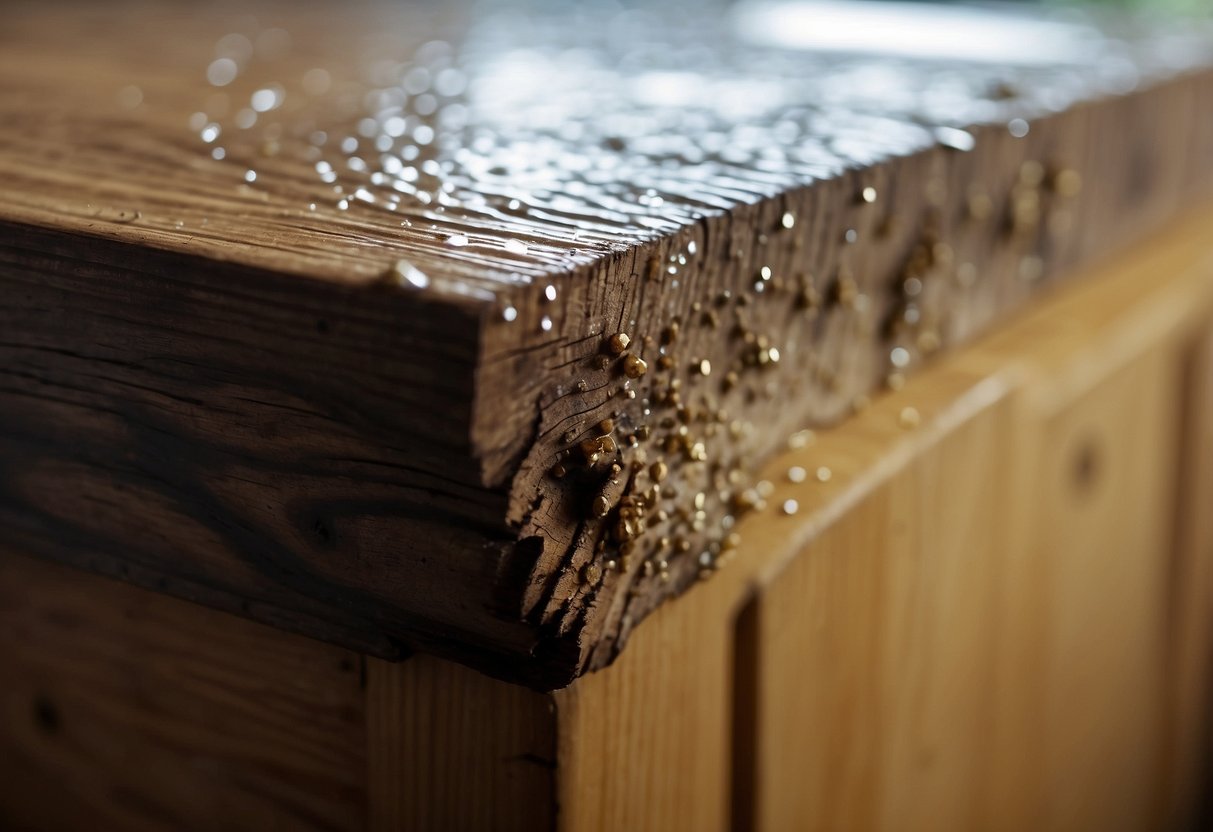
Understanding mildew and mold on wood furniture is essential to preventing and treating it. Mildew is a type of fungus that grows on organic materials like wood, fabric, and paper. It appears as a powdery or fuzzy growth and can range in color from white to black. Mold, on the other hand, is a type of fungus that appears as black, green, or brown patches and can cause health risks if left untreated. Both mildew and mold thrive in warm and damp environments, making wood furniture an ideal breeding ground.
Prevention and treatment strategies are essential to keeping mildew and mold at bay. Regular cleaning and maintenance can help prevent mildew growth on wood furniture. Keeping your furniture dry and well-ventilated is also crucial. If you do notice mildew on your wood furniture, there are several treatment strategies you can try, including using a mixture of vinegar and water or a commercial mildew cleaner. With the right prevention and treatment strategies, you can keep your wood furniture looking and smelling fresh for years to come.
Key Takeaways
- Mildew and mold can grow on wood furniture in warm and damp environments.
- Regular cleaning and maintenance can help prevent mildew growth on wood furniture.
- Treatment strategies for mildew on wood furniture include using vinegar and water or a commercial mildew cleaner.
Understanding Mildew and Mold on Wood Furniture
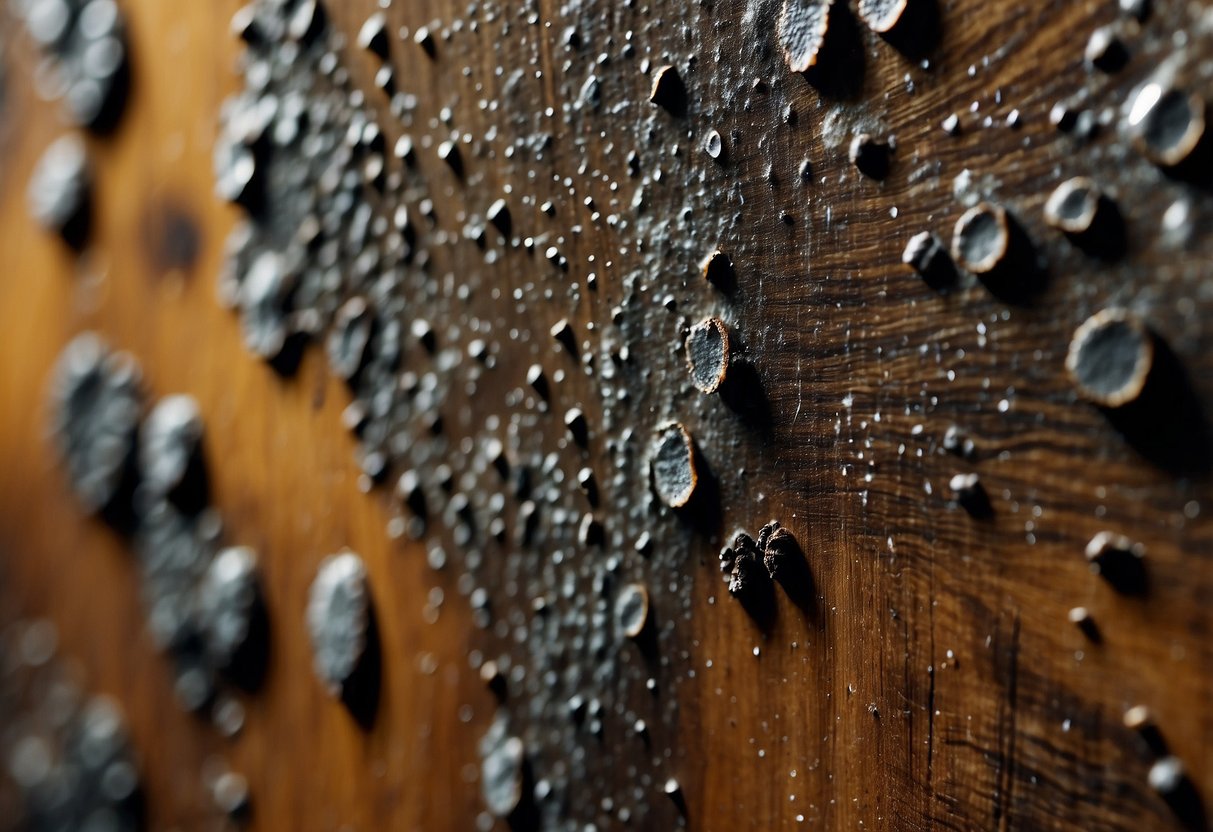
If you have noticed a musty smell or black spots on your wooden furniture, it is likely that you have mildew or mold growth. Mildew and mold are types of fungi that can grow on wood furniture in the presence of moisture and humidity.

Causes of Mildew and Mold Growth
Mold growth on wooden furniture is caused by excess humidity or moisture. High humidity levels, poor ventilation, and leaks can create a damp environment that encourages mold growth. Basements and crawl spaces are particularly susceptible to mold growth due to their damp and poorly ventilated nature.
Different types of mold can grow on wood furniture, including aspergillus and stachybotrys chartarum. These molds produce spores that can spread throughout your home and cause health problems.
Health Implications of Mold and Mildew
Mold and mildew growth can pose a health risk, particularly for those with allergies, respiratory problems, or weakened immune systems. Exposure to mold spores can cause coughing, wheezing, and other respiratory issues. If you or someone in your household has asthma or other respiratory problems, it is important to address any mold growth on your wooden furniture promptly.
To prevent mold growth on your wooden furniture, it is important to keep your home’s humidity levels low and ensure proper ventilation. You can also use household products like white vinegar, baking soda, or hydrogen peroxide to clean and restore your furniture if mold does appear.
In summary, understanding the causes and implications of mold and mildew growth on wooden furniture can help you take the necessary steps to prevent and address any issues promptly.
Prevention and Treatment Strategies
Effective Cleaning Methods
To prevent mildew growth on your wooden furniture, it is essential to keep it clean and dry. Regular cleaning can help remove any dust or dirt that can attract mildew spores. You can use a vacuum cleaner with a HEPA filter to remove dust and debris from your furniture.
If you notice any mildew growth, you can use a cleaning solution made of white vinegar, hydrogen peroxide, and dish soap. Mix equal parts of white vinegar and hydrogen peroxide with a few drops of dish soap. Apply the solution to the affected area with a sponge and let it sit for a few minutes before rinsing it off with water.
Always wear protective gear such as rubber gloves, safety goggles, and a respirator when cleaning mildew. Open windows or use a dehumidifier to increase ventilation and reduce humidity levels in the room.

Maintaining an Ideal Environment
Mildew thrives in damp and humid environments, so it is crucial to maintain an ideal environment to prevent its growth. Keep your furniture away from damp areas such as basements and bathrooms.
Use a dehumidifier to reduce humidity levels in the room. Ensure that your furniture is not placed near windows or in direct sunlight, as this can cause moisture buildup.
Regularly wiping down your furniture with a dry cloth can also help prevent moisture buildup and mildew growth.
Professional Remediation
If you have a severe mold infestation on your wooden furniture, it is best to seek professional help. A professional cleaning service can help remove the mold and prevent its recurrence.
The Environmental Protection Agency recommends using a professional remediation service if the affected area is more than ten square feet. Professional remediation services have the necessary equipment and expertise to remove mold safely and effectively.
Remember to take safety precautions when dealing with mold, and always wear protective clothing and an N95 mask to prevent inhalation of mold spores.
Frequently Asked Questions
Is mould on wooden furniture harmful to health?
Yes, mould on wooden furniture can be harmful to health, especially for people with allergies or respiratory problems. The spores released by mould can cause allergic reactions, respiratory problems, and other health issues. It is essential to clean and prevent mould growth on wooden furniture to maintain a healthy living environment.
How can one remove fungus effectively from wooden furniture?
To remove fungus effectively from wooden furniture, you can use a solution of bleach and laundry detergent mixed with water. Spray the affected area, let it soak, then wipe with a clean cloth. Rinse thoroughly and consider professional help for tough stains. It is essential to wear protective gloves and a mask when cleaning fungus to avoid inhaling spores.
What leads to the appearance of green mould on furniture?
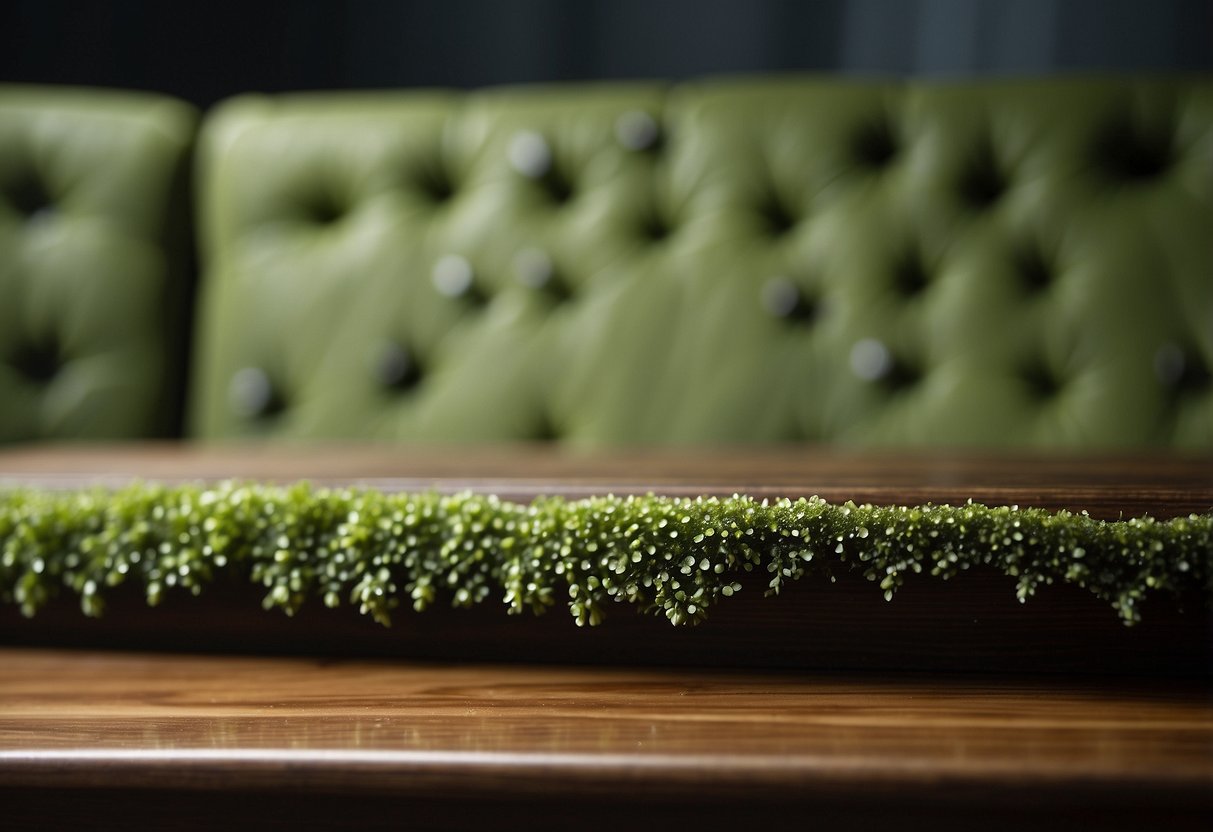
Green mould on furniture is caused by damp and humid conditions. It can grow on any surface that has moisture, including wooden furniture. Lack of ventilation, high humidity, and poor air circulation in a room can lead to the growth of green mould on furniture. It is essential to keep your furniture dry and well-ventilated to prevent mould growth.
Can wood furniture affected by mould be salvaged?
In some cases, wood furniture affected by mould can be salvaged. However, it depends on the severity of the damage. If the mould has penetrated deep into the wood, it may be impossible to salvage the furniture. It is essential to act fast and clean the mould as soon as you notice it to prevent irreversible damage.
Why does wooden furniture sometimes develop powdery white mould?
Wooden furniture sometimes develops powdery white mould due to high humidity and poor air circulation. The powdery white substance is a type of fungus that grows on the surface of the wood. It can weaken the structural integrity of the furniture and cause discoloration. It is essential to keep your furniture dry and well-ventilated to prevent powdery white mould growth.
What are the best practices to prevent mildew on wooden furniture?
The best practices to prevent mildew on wooden furniture include keeping your furniture dry and well-ventilated, avoiding placing your furniture in damp areas or exposing it to moisture, regularly inspecting your furniture for signs of mildew growth, and cleaning your furniture regularly. You can use a solution of vinegar and water to clean your furniture, as vinegar is a natural fungicide. It is also essential to store your furniture in a dry and well-ventilated area to prevent mildew growth.