Last updated 7 August 2026. This page was reviewed on that date. Prices, rates and opening hours change often in Singapore — confirm anything that matters directly with the business before you travel or spend.
Quick answer: A proper mochi fix in Singapore is closer than you think. For that shiok jelly wobble, Warabimochi Kamakura and Morimori Yogashi do it best. If you want something a bit more playful, Mister Donut’s Pon De Rings hit the spot, while Minamoto Kitchoan is the place for elegant seasonal wagashi. Kohaku Sabo lets you grill your own, 108 Matcha Saro pours on the matcha, and Swish Rolls fuses mochi into croissant egg tarts – a local-born twist worth the trip.
Mochi is not just one thing—it’s a whole spectrum from jelly-like warabimochi to stretchy doughnut rings, and every version has a smart way to enjoy it. Whether you’re after a quick aircon queue treat, a gift that feels a bit atas, or a DIY tabletop experience, knowing the timing and the format makes all the difference. Here’s where your mochi hunt truly pays off.

Best Japanese Food in Singapore holds 23 guides in this category, if you want to see what else is out there.
Warabimochi Kamakura
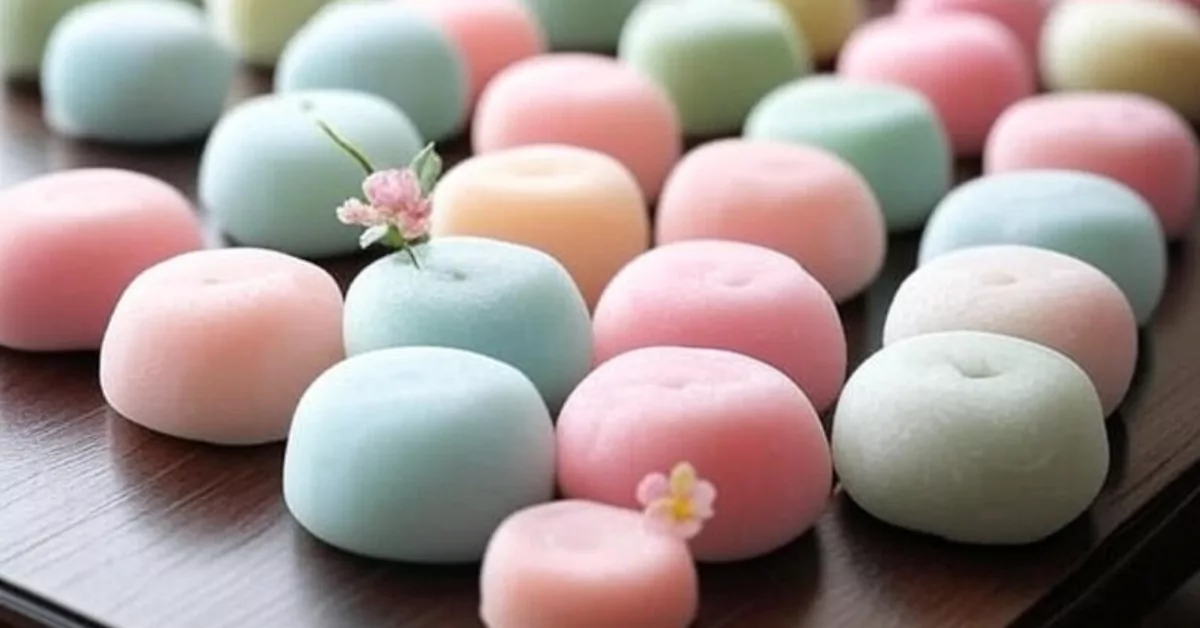
You know the one – that Orchard Road kiosk that had people queueing like it was a MRT breakdown. Warabimochi Kamakura makes their namesake from 100% bracken starch, not the usual glutinous rice, so the texture is more jelly-cup wobble than dense chew. They roll it in kinako or matcha powder and pour a little pot of kuromitsu syrup on the side. The original and matcha 2-piece cups are easy to finish on the spot, while the larger boxes survive a Grab ride home. Drinks-wise, the warabimochi strawberry milk and Asakawa-en matcha latte keep things interesting.
If you are buying a present or just want that IG-worthy cube of wobble, this is the place. Go before noon if you can – the early bird gets the mochi without the long face at the back of the line.
- Address: 160 Orchard Road, #01-02 Taste Orchard, Singapore 238842 (more outlets across the island)
- Phone: +65 9070 8838
- Hours: Daily 11:30am – 9:30pm
- Website: Warabimochi Kamakura

Go on a weekday just after opening—the queue moves faster and you can grab a cup without the weekend squeeze. The wobble is the real deal, and a two-piece original is enough to share while you stroll, leaving you a few dollars for a coffee later. It’s the kind of shiok that feels like a treat without overcommitting.
Mister Donut
Hard to believe a doughnut chain belongs on a mochi list, but Mister Donut’s Pon De Ring is a mochi doughnut through and through. They have been at it over 50 years in Japan, and the VivoCity outlet brings that same fresh, springy ring to our shores. Each day the dough is made fresh, and you get flavours like chocolate, strawberry chocolate, and a Singapore-exclusive that changes every now and then. It hits that sweet spot between soft bun and chewy mochi – good with a kopi on a lazy afternoon.
The price is down-to-earth, so this is the one to bring home for the whole family without sweating the bill. Kids tear through them, and honestly, so will you.
- Address: 1 HarbourFront Walk, #B2-34 VivoCity, Singapore 098585 (more branches available)
- Phone: +65 6610 5287
- Hours: 11am to 9pm daily
- Website: Mister Donut

This is our own selection, not a paid one. Tell us if there is somewhere we should have included.
This is your fuss-free mochi fix when you don’t want to queue at all. Swing by VivoCity mid-afternoon, grab a Pon De Ring or two with a kopi from next door, and you get that bouncy chew at a price that makes you smile. It’s the everyday indulgence that still feels like a little win.
Minamoto Kitchoan
If you need a gift that says “I thought about this,” Minamoto Kitchoan delivers. Their glass cabinet at Takashimaya looks like a jewellery counter for wagashi: seasonal white peach mochi, matcha warabimochi, and the sakuragomoro – a mochi stuffed with red bean and wrapped in a thin pink crepe. Everything is flown in from Japan, and the packaging alone makes you feel a bit atas opening it.
They have been at it since 1977, and it shows. Perfect for visiting someone’s home, a thank-you gift, or a quiet solo treat when you want something that feels special.
- Address: 391A Orchard Road, #B206-1 Ngee Ann City (Takashimaya), Singapore 238873
- Phone: +65 6735 1315
- Hours: 10am – 9:30pm daily
- Website: Minamoto Kitchoan

While you are treating yourself, you might also enjoy browsing our picks for the Discover Finest Izakayas in Singapore – a good night out deserves a good dessert to round it off.
Perfect when you need a gift that says you remembered without shouting. Pick a seasonal mochi like the white peach—boxed so beautifully it feels like an occasion, yet you control the spend by choosing one piece instead of an assortment. It’s the thoughtful, atas gesture that doesn’t need a whole set.
Morimori Yogashi
Morimori Yogashi sits quietly in Everton Park, and that’s part of the charm. The chef trained under pastry masters and even has Michelin-starred kitchen time, yet the shop is unassuming. They make warabimochi in kinako and matcha, hand-cut and generously dusted, served with a side of kuromitsu. The mochi itself is silky and slips down easy – you might finish a box without realising.
Because it is a small-batch bakery, going earlier in the day helps. It’s a good spot to swing by for a quiet weekend pick-me-up, or to grab a box on the way to a friend’s place.
- Address: 1 Everton Park, #01-31, Singapore 081001
- Phone: +65 9387 1494
- Hours: Mon–Fri 9am–6pm, Sat 9am–4pm
- Website: Morimori Yogashi

Everton Park is your quiet getaway, and this small-batch bakery rewards early birds. Pop in before noon to catch the warabimochi fresh, then grab a seat at a nearby kopitiam to savour the silky kinako dusting. It’s a low-key, clever date move—casual yet refined, and you both get a real handcrafted treat.
Kohaku Sabo
Kohaku Sabo is the teahouse sibling of Tendon Kohaku, tucked away on level two of Chinatown Point. The star here is the Mochi Mochi Dango set – they bring a little grill to your table and you toast the skewered mochi yourself, dipping it into sauce once the edges crisp. It’s part snack, part activity, and very satisfying after a long day. The matcha parfaits come loaded with warabimochi, shiratama dumplings, and anko, so you get a whole textural playground in a glass.
Go with a small group and share a few sets – the DIY element makes it feel like you are doing something, not just eating. Good for a casual date or catching up with kakis.
- Address: 133 New Bridge Road, #02-34 Chinatown Point, Singapore 059413
- Phone: +65 6443 4366
- Hours: 11:30am–3pm, 5pm–10pm daily
- Website: Kohaku Sabo

For a chill catch-up, this is the experience you plan. Bring a kaki, order the Mochi Mochi Dango set, and grill your own skewers—it becomes the activity and the dessert in one, with the matcha parfait as a bonus. It fills a long afternoon nicely without the cost of a full dinner and drinks elsewhere.
108 Matcha Saro
108 Matcha Saro comes from Hokkaido and puts Uji matcha at the centre of everything. Their matcha warabimochi is strong and fragrant, not just green colouring. They also do obanyaki – little pancakes stuffed with mochi – and soft serve that tastes like you licked a matcha whisk. The ingredients come directly from selected growers, so it is as close to Kyoto as you can get on a Tuesday afternoon in Tiong Bahru.
A good stop if you are already in the area for food, or if you need a tea-flavoured cool-down after a heavy meal. They have a few branches, so check which one is nearest.
- Address: 82 Tiong Poh Rd, #01-05, Singapore 160082 (more outlets available)
- Phone: +65 8712 6128
- Hours: Daily 11:30am – 9pm
- Website: 108 Matcha Saro

Swish Rolls
A homegrown brand that had the cheek to stuff mochi into a croissant egg tart, and somehow it works. Swish Rolls at Paragon sells these flaky, buttery tarts with a hidden layer of stretchy mochi inside. They come plain or with Nutella, and there is also a mochi brownie if you want to go full-on decadent. Everything is baked fresh, and the queues say it all – people really enjoy this crossover.
Take a box to a gathering and watch people try to figure out how the mochi got in there. It is one of those little luxuries that feels fun without being overly serious.
- Address: 290 Orchard Road, #B1-K4 Paragon, Singapore 238859
- Phone: +65 6612 6581
- Hours: 9am – 9pm daily
- Website: Swish Rolls

This is our own selection, not a paid one. Tell us if there is somewhere we should have included.
And if an evening of grilled skewers sounds good before your mochi run, you might want to look at our Finest Yakitori Experiences in Singapore – some of those joints are just a short walk from these dessert stops.
How to choose
Not all mochi is made the same way, and what you pick depends on the occasion.
For gifts: Minamoto Kitchoan is the safest bet – elegant box, seasonal packaging, and a brand that feels thoughtful. Warabimochi Kamakura’s bigger boxes also work well, especially if the person knows their Japanese sweets.
For a fun group activity: Kohaku Sabo’s DIY grilling set is the clear pick. Bring a couple of friends, order some tea, and make an afternoon of it.
For a quick everyday treat: Mister Donut’s Pon De Ring is the easiest on the wallet and available at several malls. Swish Rolls’ egg tarts are also a great grab-and-go if you are near Paragon.
For pure, traditional warabimochi: Warabimochi Kamakura and Morimori Yogashi stay true to the wobble. One is more polished and centrally located; the other is a quiet neighbourhood find with a baker’s touch.
Price-wise, expect to pay a couple of dollars for a single doughnut or tart, and upwards of $10 for a box of warabimochi. Seasonal wagashi can go higher, so check the counter before you point.
| Business | What to order | Price signal | Best for |
|---|---|---|---|
| Warabimochi Kamakura | Original warabimochi 2-piece cup, matcha drink | $$ | Takeaway, gift boxes, quick indulgence |
| Mister Donut | Pon De Ring (chocolate, strawberry) | $ | Family snack, budget-friendly option |
| Minamoto Kitchoan | Hakuto white peach mochi, sakuragomoro | $$$ | Gifting, seasonal treats, formal occasions |
| Morimori Yogashi | Kinako warabimochi, matcha warabimochi | $$ | Neighbourhood find, handcrafted quality |
| Kohaku Sabo | Mochi Mochi Dango set, matcha parfait | $$ | Group dining, DIY experience, tea pairing |
| 108 Matcha Saro | Matcha warabimochi, obanyaki with mochi | $$ | Matcha lovers, cool-down dessert |
| Swish Rolls | Mochi croissant egg tart (plain / Nutella) | $ | Local twist, grab-and-go, sharing box |
Summary
From Hokkaido-sourced matcha to an Everton Park bakery run by a Michelin-trained chef, these seven spots give you plenty of reason to treat yourself. Whether you want a wobbly square of warabimochi, a ring of chewy doughnut, or a flaky tart hiding a mochi centre, there is a place that hits the spot. Next time the craving comes, you know where to go.
Disclaimer: details can change, confirm with the business.
Read next
Frequently asked questions
This is your surprise weapon for a gathering: one box of mochi-stuffed egg tarts looks like you’ve zhng up the dessert table, but it’s a single purchase that covers the whole group. The flaky, buttery crust with that hidden stretch makes you the clever one who didn’t overthink it—just pure, crowd-pleasing magic.
What is warabimochi and how is it different from regular mochi?
Warabimochi is made from bracken starch, so it has a soft, jelly-like wobble rather than the dense chew of glutinous rice mochi. It is usually dusted with kinako (roasted soybean powder) and served with kuromitsu syrup.
Which of these shops is halal-certified?
Most Japanese mochi shops in Singapore do not carry halal certification. It is safest to ask the staff directly about ingredients and preparation before ordering.
Can I order mochi online for delivery?
Yes. Morimori Yogashi and Swish Rolls offer delivery options, and others may provide it through their websites or third-party platforms. Check their site for the latest info.
Are these mochi suitable for vegetarians?
Many mochi are plant-based, but some may use gelatin or dairy. Confirm with each shop, especially if you are strict. Warabimochi often uses starch and sugar, making it a good starting point to ask about.
Which place is best for a gift?
Minamoto Kitchoan’s seasonal wagashi comes beautifully wrapped and feels bespoke. Warabimochi Kamakura’s box sets also make a nice present for anyone who loves Japanese sweets.
Do I need to pre-order for larger quantities?
If you are getting several boxes, especially from smaller shops like Morimori Yogashi, it is wise to call ahead. Larger chains can usually handle walk-in volume, but calling never hurts during peak periods.