

Vintage Furniture Styles: A Guide to Timeless Elegance
If you’re looking to add some character to your home decor, vintage furniture styles are an excellent choice. Vintage furniture refers to pieces that are at least 20 years old, and they come in a variety of styles that reflect different eras and design movements. Whether you prefer the elegance of Art Deco or the simplicity of Mid-Century Modern, vintage furniture styles offer something for everyone.

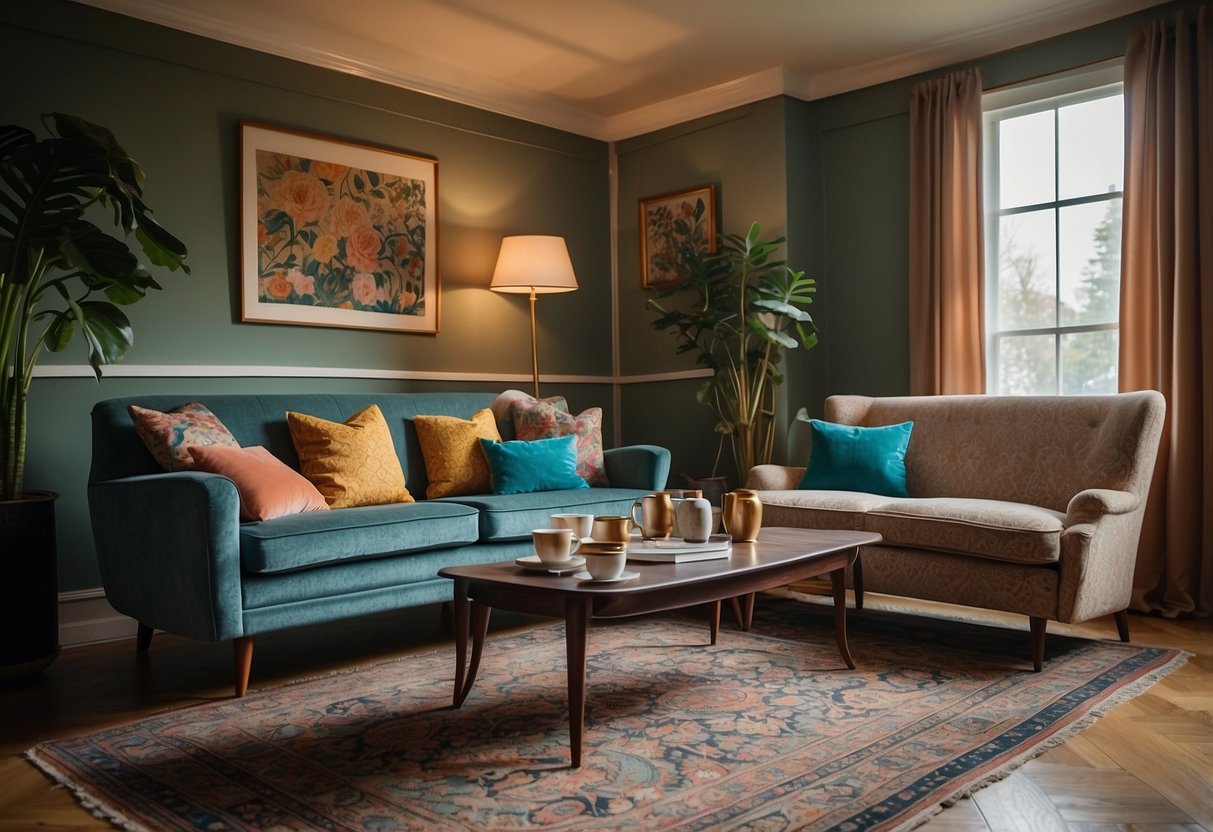
Defining vintage furniture styles can be a bit tricky, as there are many different styles to choose from. Some of the most popular styles include Art Deco, Mid-Century Modern, Victorian, and Scandinavian design. Each style has its own unique characteristics and history, making it a fascinating area of study for furniture enthusiasts. By learning how to identify different vintage furniture styles, you can gain a deeper appreciation for the craftsmanship and design of these pieces.
Appreciating vintage furniture today is not just about nostalgia; it’s also about sustainability. By choosing vintage furniture over new pieces, you can reduce your carbon footprint and help to preserve the planet’s resources. Additionally, vintage furniture styles are often more durable and better made than modern pieces, so you can enjoy them for many years to come. Whether you’re a seasoned collector or just starting out, vintage furniture styles are a great way to add character and charm to your home.
Key Takeaways
- Vintage furniture styles offer a wide range of options for home decor enthusiasts.
- Identifying and appreciating vintage furniture styles can deepen your understanding of furniture design and history.
- Choosing vintage furniture over new pieces can be a sustainable and durable choice for your home.
Defining Vintage Furniture Styles

When it comes to vintage furniture, there are many different styles to consider. Each style has its own unique characteristics that make it stand out from the rest. In this section, we will explore the historical timeline and geographic origins, materials and craftsmanship, and identifying key design elements of vintage furniture styles.

Historical Timeline and Geographic Origins
Vintage furniture styles can be traced back to different historical periods and regions. For example, the Baroque period originated in France in the 17th century and is characterized by ornate, elaborate designs. The Rococo period, also originating in France, followed the Baroque and is known for its asymmetrical, flowing lines.
In England, the Queen Anne period emerged in the early 18th century and is known for its graceful curves and cabriole legs. The Georgian period followed and is characterized by neoclassical designs and geometric shapes. The Victorian period, which spanned from 1837 to 1901, was marked by a revival of earlier styles such as Rococo and Renaissance.
Materials and Craftsmanship
Vintage furniture styles were often crafted from high-quality materials such as mahogany, lacquer, and exotic woods. Craftsmanship was also highly valued, and furniture makers often used intricate marquetry and carving techniques to create unique designs.
In France, the Louis XV and Louis XVI styles were known for their delicate carvings and emphasis on comfort. The Empire style, which emerged during the Napoleonic era, was characterized by classical motifs and a grandiose scale. In England, the Chippendale, Hepplewhite, and Sheraton styles emphasized elegance and simplicity.
Identifying Key Design Elements
To identify vintage furniture styles, it is important to look for key design elements. For example, the Baroque style is characterized by ornate carvings and heavy use of gilt. The Rococo style features asymmetrical curves and flowing lines. The Victorian style often includes Gothic Revival and Renaissance Revival elements, such as pointed arches and elaborate carvings.
Overall, vintage furniture styles offer a glimpse into the past and showcase the unique craftsmanship and design of different historical periods and regions. By understanding the historical timeline and geographic origins, materials and craftsmanship, and identifying key design elements, you can become a skilled vintage furniture identifier.
Appreciating Vintage Furniture Today
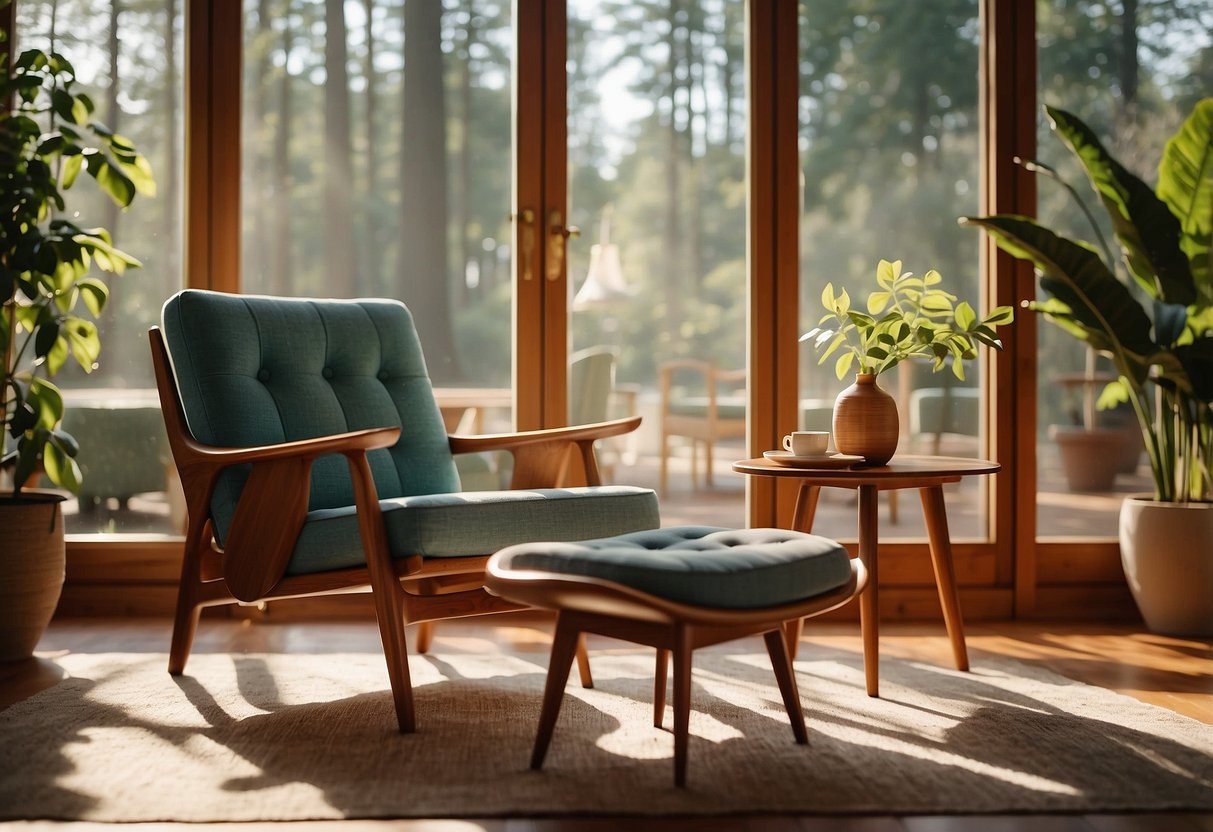
Vintage furniture styles have been making a comeback in modern times, and for good reason. They offer a unique blend of classic design elements and quality craftsmanship that is often unmatched in today’s mass-produced furniture market. If you’re considering collecting vintage furniture, it’s important to understand the value, authenticity, and care required to keep these pieces in top condition.

Collecting and Care
When it comes to collecting vintage furniture, it’s important to understand the market and the value of each piece. Look for labels or markings that can help identify the authenticity of the furniture, and research the designer or manufacturer to learn more about their history and design sensibilities. Keep in mind that handmade furniture often has unique construction details and joinery that can add to its value.
Once you’ve acquired a vintage piece, it’s important to take proper care of it to ensure its longevity. Clean lines and natural materials are often hallmarks of vintage furniture, so avoid using harsh chemicals or abrasive cleaners that can damage the finish or materials. Regular dusting and polishing can help keep the furniture looking its best, and it’s important to address any damage or wear as soon as possible to prevent further deterioration.
The Market for Vintage Furniture
The market for vintage furniture has been steadily growing in recent years, with many collectors and enthusiasts seeking out unique pieces to add to their collections. Mid-century modern and art deco styles are particularly popular, with their luxurious materials, contrasting colors, and symmetrical forms. Victorian furniture and colonial styles are also sought after for their intricate detailing and rich materials.
When it comes to value, factors such as the condition, authenticity, and rarity of the piece can all play a role in determining its worth. Handmade furniture, intricate detailing, and luxurious materials such as tufting, coiled springs, and bronze mounts can all add to the value of a vintage piece. Leg styles such as ball-and-claw feet and bombe commodes are also highly sought after by collectors.
In conclusion, vintage furniture styles offer a unique blend of quality craftsmanship and classic design sensibilities that are highly valued by collectors and enthusiasts. By understanding the market, identifying authentic pieces, and taking proper care of your vintage furniture, you can enjoy these timeless pieces for years to come.
Frequently Asked Questions
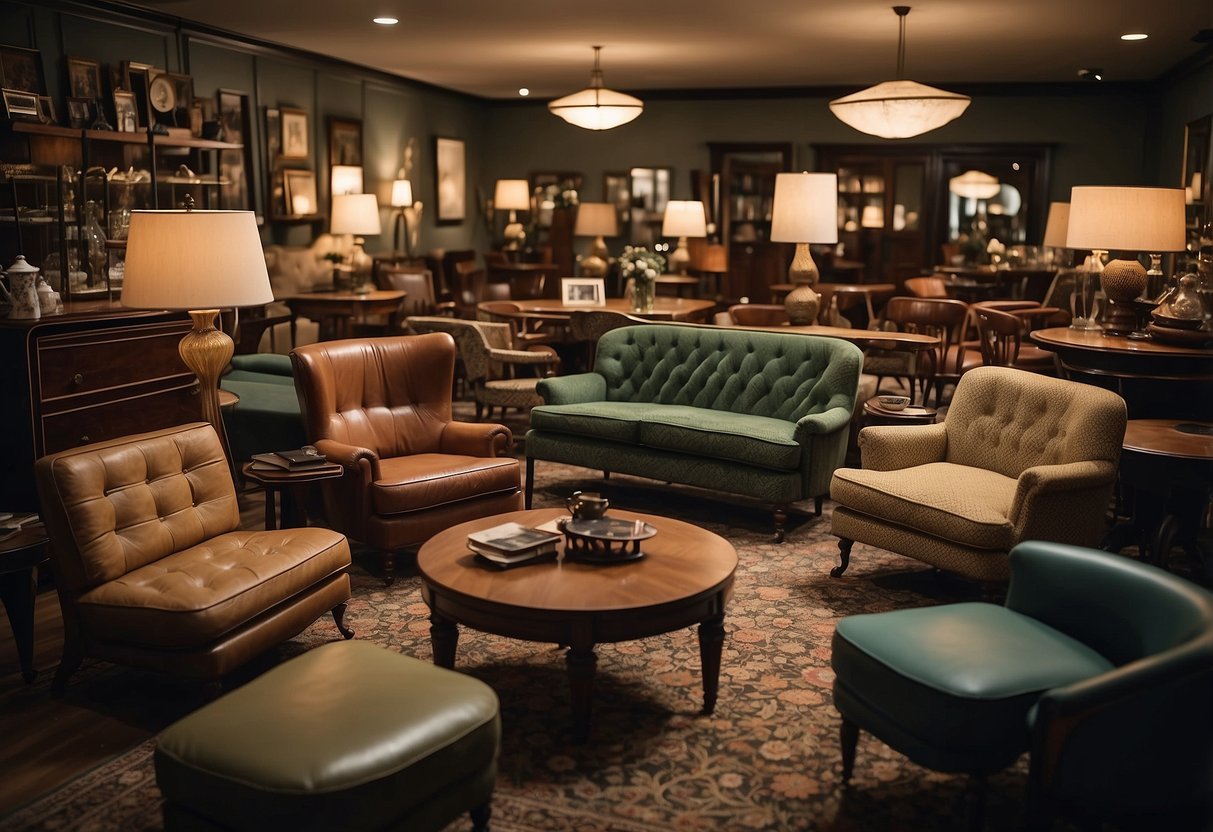
How can one identify various antique furniture styles?
Identifying antique furniture styles can be challenging, but there are a few key characteristics to look for. One way to identify a style is to examine the legs and feet of the piece. For example, Queen Anne-style furniture typically has curved legs and pad feet, while Chippendale-style furniture often features ball-and-claw feet. Additionally, the overall shape and ornamentation of the piece can provide clues as to its style.
What are the characteristics of furniture from the early 1900s?
Furniture from the early 1900s is often characterized by its simplicity and functionality. Pieces from this era were designed to be practical and comfortable, with clean lines and minimal ornamentation. Common materials included oak, mahogany, and walnut, and furniture was often mass-produced using new industrial techniques.
What are the defining features of 1960s style furniture?
Furniture from the 1960s is often characterized by its bold, geometric shapes and bright colours. Popular materials included plastic, fiberglass, and chrome, and many pieces were designed to be modular and adaptable. The overall aesthetic of 1960s furniture is often described as “space-age” or “futuristic”.
How can you date antique furniture by examining its feet?
Examining the feet of an antique piece of furniture can provide valuable information about its age. For example, furniture from the 18th century often has ball-and-claw feet, while furniture from the 19th century may have bun feet or castors. Additionally, the materials and construction techniques used can provide further clues as to the piece’s age.
What are the main differences between antique, vintage, and modern furniture styles?
Antique furniture is typically defined as being over 100 years old, while vintage furniture is generally considered to be between 20 and 100 years old. Modern furniture, on the other hand, is characterized by its contemporary design and use of new materials and manufacturing techniques. Antique and vintage furniture often have more ornate designs and are made from traditional materials such as wood, while modern furniture tends to be simpler and made from materials such as plastic and metal.
Could you explain the typical features of 1800s furniture styles?
Furniture from the 1800s is often characterized by its heavy, solid construction and ornate decoration. Common styles from this era include Victorian, Gothic Revival, and Rococo Revival, each with their own distinct features. Victorian furniture, for example, is often characterized by its elaborate carving and use of dark woods, while Gothic Revival furniture features pointed arches and intricate tracery.