

Varnish for Wood Furniture: A Guide to Choosing the Right Finish
If you’re looking to give your wooden furniture a smooth finish while also protecting it from scratches and stains, then varnishing is the way to go. Varnish is a type of finish that can add a layer of protection to your wood furniture, making it more durable and long-lasting. It also adds a shiny and lustrous finish to your furniture, enhancing its natural beauty.

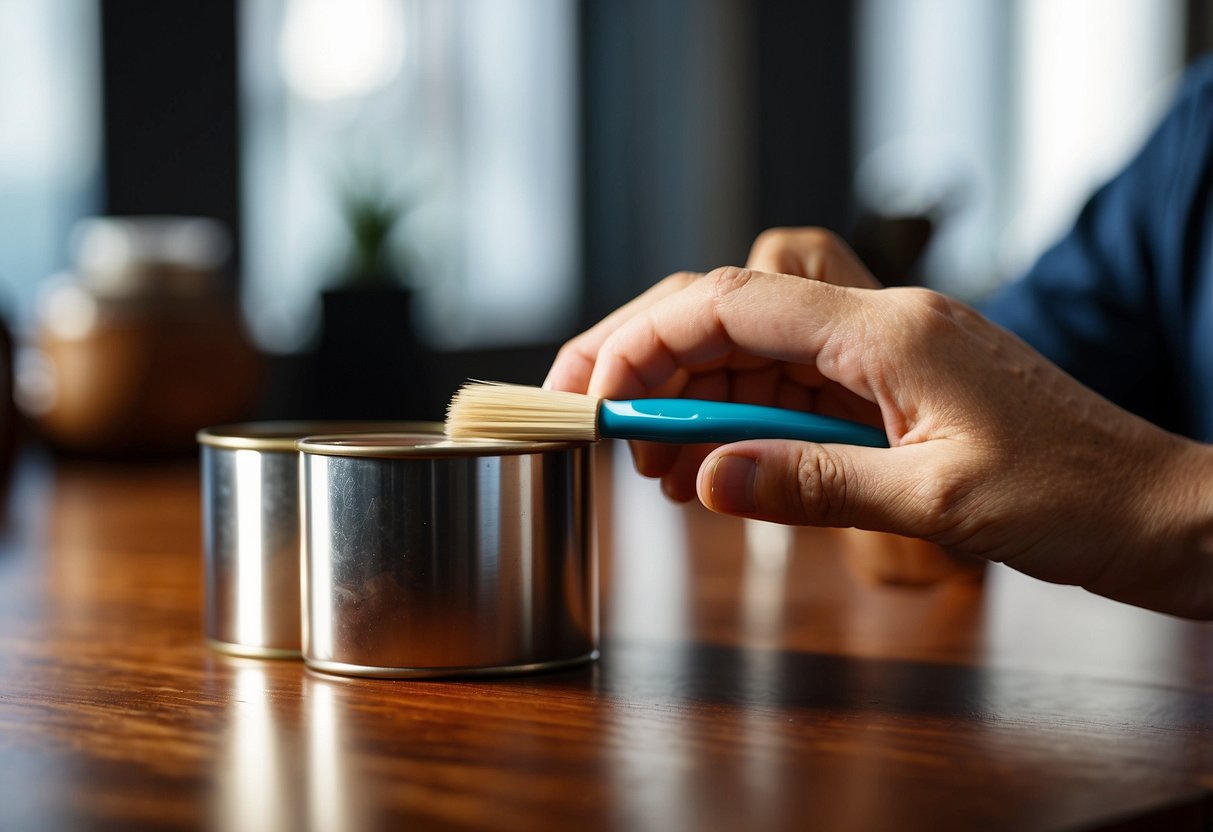
Before you start varnishing your wooden furniture, it’s important to properly prepare it. This involves sanding the surface of the furniture to make it smooth and even. You’ll also need to clean the furniture to remove any dust or debris. Once your furniture is properly prepared, you can start applying the varnish. There are different types of varnish available, so it’s important to choose one that’s appropriate for your furniture and the look you’re trying to achieve.
Key Takeaways
- Varnishing can give your wooden furniture a smooth finish and protect it from scratches and stains.
- Properly preparing your furniture before varnishing is crucial for achieving the desired result.
- Choosing the right type of varnish is important for achieving the look you want for your furniture.
Preparing Your Furniture for Varnishing
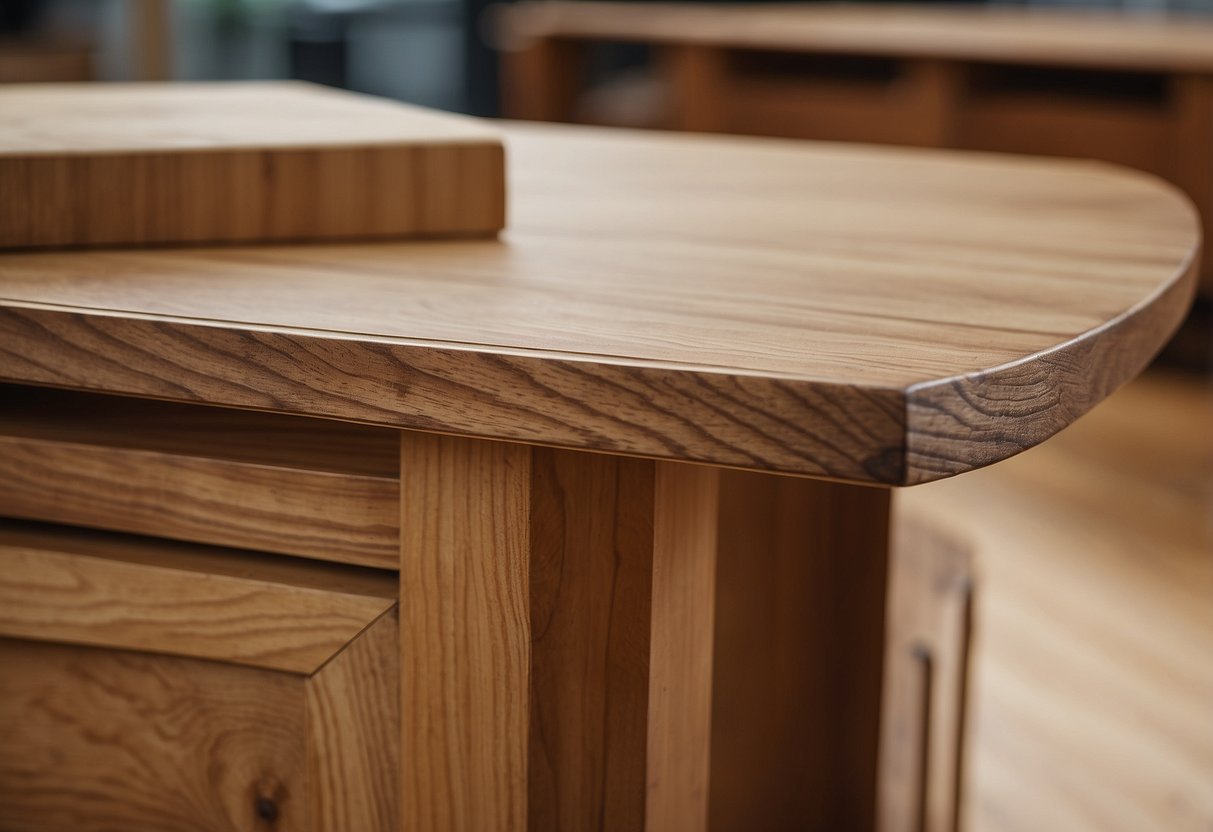
Before you can start varnishing your wooden furniture, it is important to properly prepare the surface to ensure a smooth and even finish. This section will guide you through the essential steps to prepare your furniture for varnishing.
Assessing the Wood and Existing Finish
The first step is to assess the condition of the wood and any existing finish. If your furniture is unfinished, then you can skip this step. However, if it has an old varnish or paint, you need to remove it. You can use a paint stripper to remove the old finish, but be careful not to damage the wood surface.

Cleaning and Sanding the Surface
Once you have removed any old finish, you need to clean the surface thoroughly. Use a lint-free cloth to wipe away any dust or residue. You can also vacuum the surface to remove any debris.
Next, you need to sand the surface to get rid of any imperfections and to create a smooth surface for the varnish. Start with a coarse sandpaper and work your way up to a finer grit sandpaper. Sand along the grain of the wood to avoid damaging the surface. After sanding, wipe the surface with a clean, damp rag to remove any dust.
Choosing the Right Tools and Materials
To prepare your furniture for varnishing, you will need the following tools and materials:
- Sandpaper (coarse and fine grit)
- Brush or rag
- Vacuum cleaner
- Paint stripper (if necessary)
- Grain filler (if necessary)
When choosing your sandpaper, make sure to choose the right grit for your furniture. Coarse sandpaper is suitable for removing old finish, while fine grit sandpaper is suitable for creating a smooth surface for the varnish.
A brush or rag can be used to apply the varnish, depending on your preference. A brush is better for large surfaces, while a rag is better for smaller surfaces and hard-to-reach areas.
If your furniture has an open grain, you may need to use a grain filler to create a smooth surface. Make sure to choose the right grain filler for your furniture.
In summary, preparing your furniture for varnishing involves assessing the wood and existing finish, cleaning and sanding the surface, and choosing the right tools and materials. By following these steps, you can ensure a smooth and even finish for your wooden furniture.
Applying Varnish for a Durable Finish
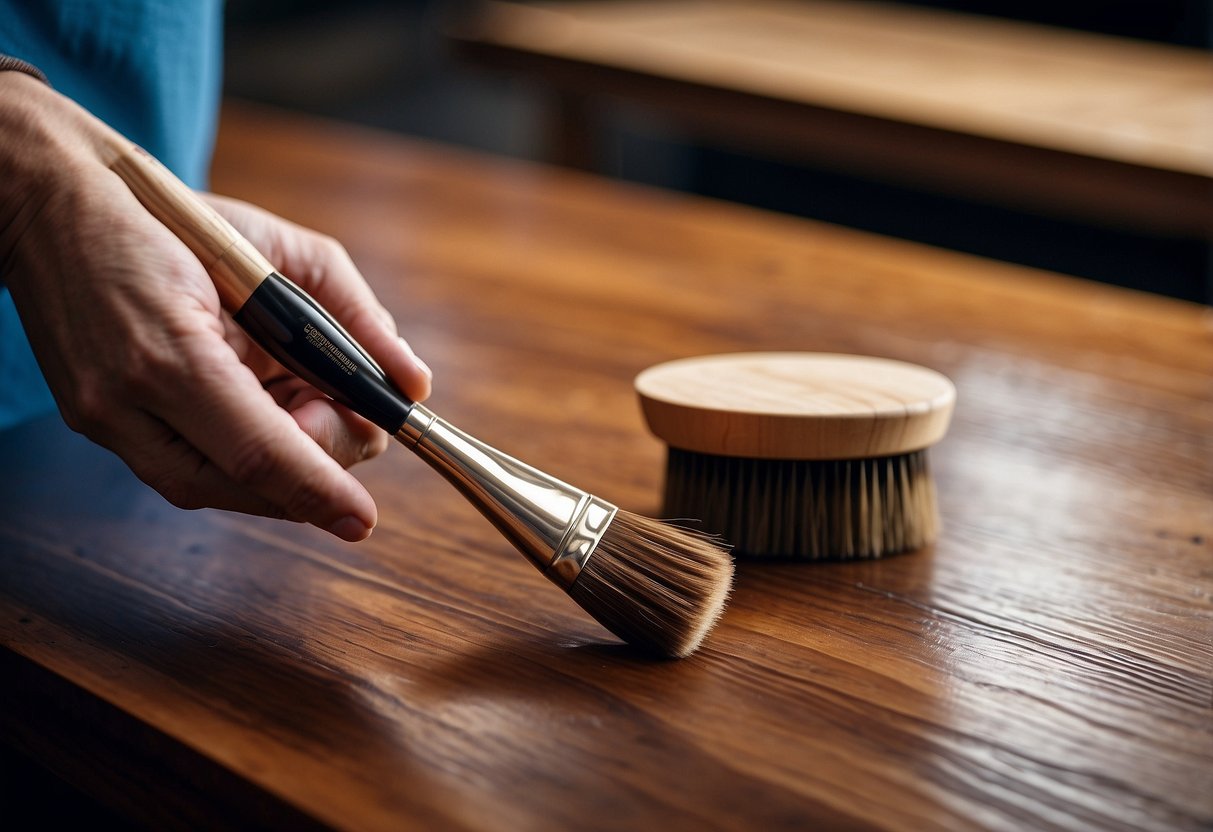
If you want to protect your wooden furniture and give it a lustrous finish, applying varnish is a great option. Here are some tips to help you achieve a durable finish:

The Varnishing Process
Before you start, make sure you have the right tools. You will need a natural bristle brush, a stirring stick, and a clean, well-ventilated work space. You may also need a mixture of paint thinner and varnish to thin the varnish if it’s too thick.
To apply the varnish, stir it thoroughly and then pour it into a clean container. Dip your brush into the varnish and apply it to the wood in the direction of the grain. Make sure to apply thin coats to avoid bubbles and surface imperfections. If you notice air bubbles, use a foam applicator to smooth them out.
Drying and Curing Times
After each coat, you will need to wait for the varnish to dry and cure. Drying times can vary depending on the type of varnish, humidity, and temperature. Generally, oil-based varnishes take longer to dry than water-based or acrylic varnishes. It’s important to wait for the varnish to be completely dry before applying the next coat.
Achieving the Perfect Final Coat
To achieve a high-gloss finish, you may need to apply several thin coats of varnish. After the final coat, wait for the varnish to cure for at least 24 hours before buffing it with a 320-grit sandpaper. If you want a satin or matte finish, you can use a clear varnish instead.
Remember to clean your brush and any other tools with mineral spirits or paint thinner after you finish applying the varnish. This will help to extend the life of your tools and keep them in good condition for future use.
By following these basics of applying varnish, you can protect your wooden furniture from wear and tear and enhance its natural beauty.
Frequently Asked Questions
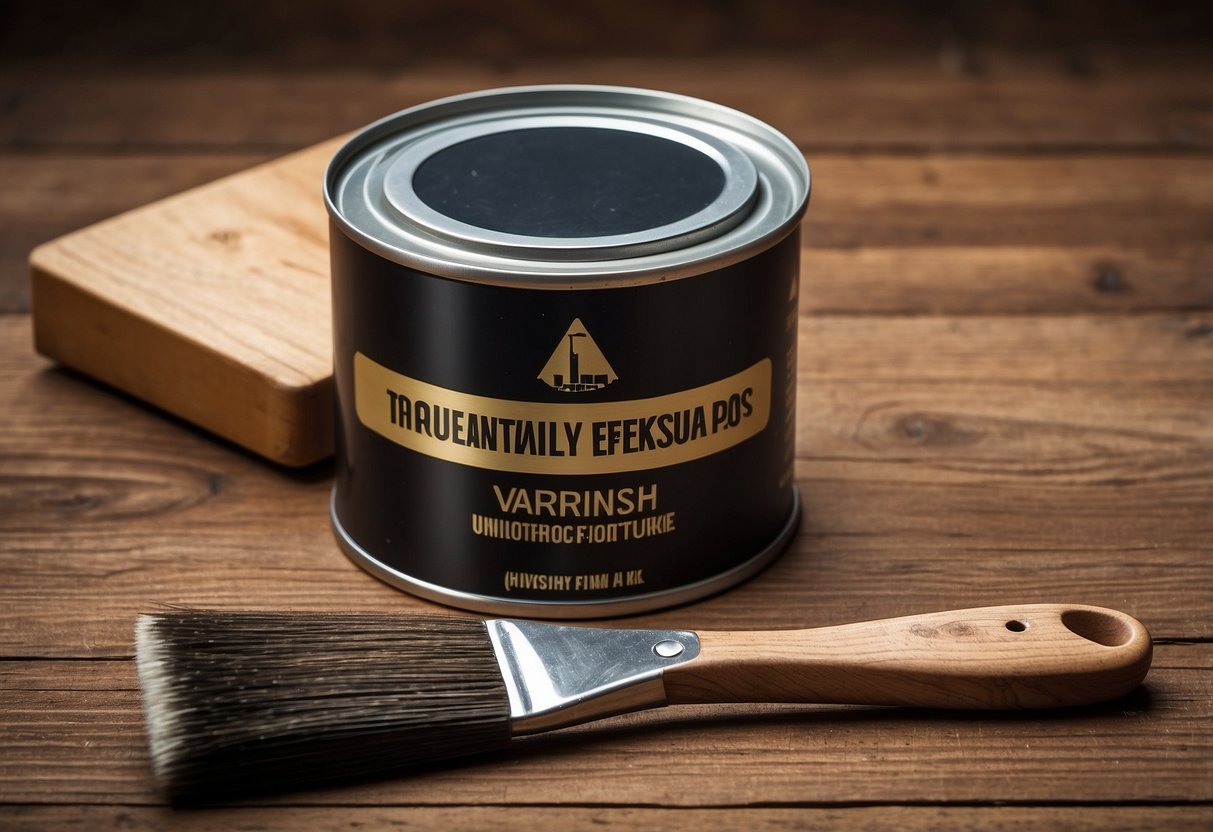
What’s the best type of varnish to use on wooden furniture?
The ideal varnish to use on wooden furniture depends on the type of wood and the desired finish. Polyurethane varnish is a popular choice for furniture as it provides a durable and long-lasting finish. However, some people prefer water-based varnishes as they are more environmentally friendly and have a lower odour.
How does varnish affect the appearance and durability of wood?
Varnish can enhance the natural beauty of wood by adding depth and shine to its surface. It also provides a protective layer that helps to prevent scratches, stains, and water damage. However, some varnishes can yellow over time, which can affect the appearance of light-coloured woods.
Should I choose a satin varnish for my wooden furniture, and why?
Satin varnish is a popular choice for wooden furniture as it provides a smooth, low-lustre finish that is not too shiny. This type of varnish is ideal for furniture that is used frequently, as it can hide minor scratches and imperfections.
Can varnish be applied directly to wood, or is there a necessary preparation process?
Before applying varnish, it is important to prepare the wood surface properly. This involves sanding the wood to remove any rough spots or old varnish, and then cleaning it thoroughly to remove any dust or debris. Once the wood is clean and dry, you can apply the varnish using a brush or roller.
What are the differences between varnishing and oiling wood?
Varnishing and oiling are two different methods of protecting and enhancing the appearance of wooden furniture. Varnish forms a hard, protective layer on the surface of the wood, while oil penetrates the wood to nourish and protect it from within. Varnish provides a more durable finish, while oiling gives the wood a more natural, matte finish.
Which varnish colours are available for enhancing the look of wooden furniture?
Varnish is available in a range of colours, from clear to dark brown. Clear varnish is ideal for enhancing the natural beauty of wood, while coloured varnishes can be used to add depth and richness to the wood’s appearance. When choosing a varnish colour, it is important to consider the type of wood and the desired finish.