

Sustainable Street Furniture: Enhancing Urban Spaces with Eco-Friendly Designs
Welcome to the world of sustainable street furniture! In today’s urban development, sustainability plays a crucial role in creating a better environment for the public. Sustainable street furniture is designed to meet environmental, social, and economic sustainability criteria. These elements are created to be durable, functional, and aesthetically pleasing while minimizing negative impacts on the environment.
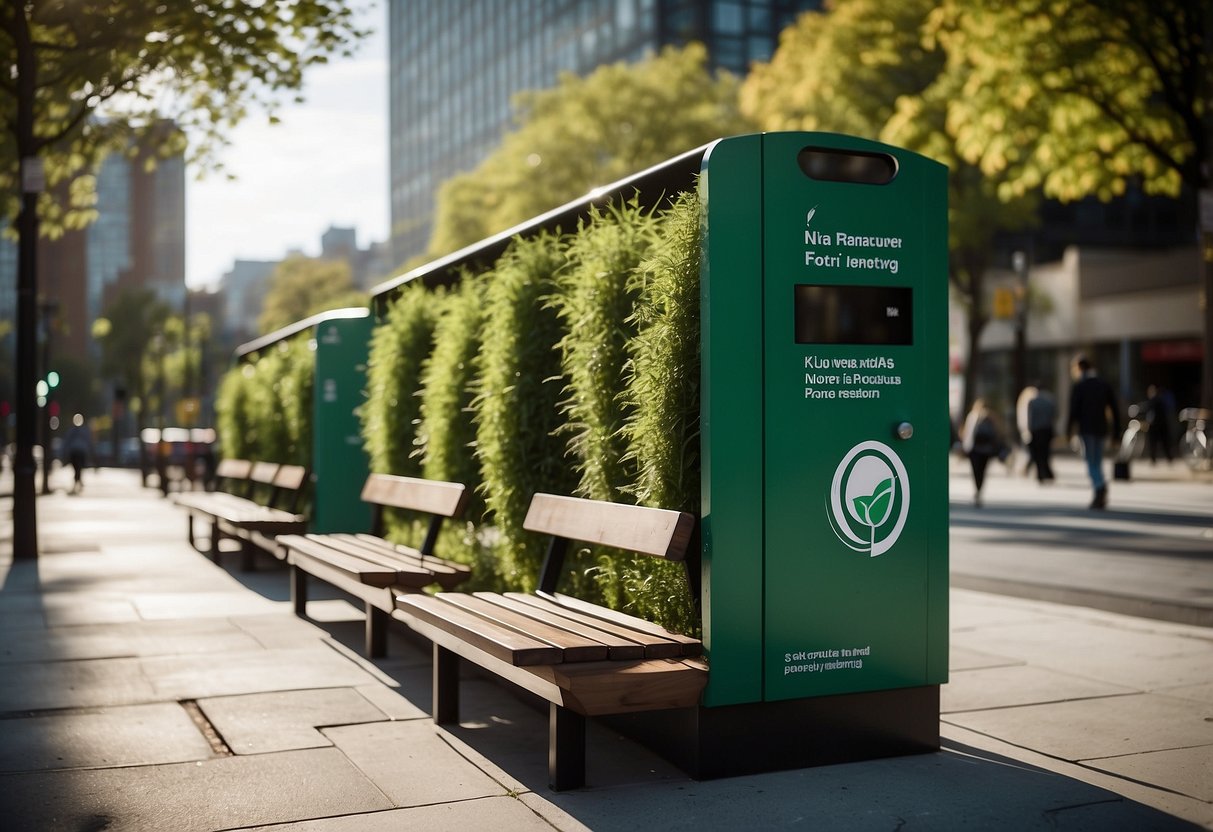
Designing sustainable street furniture is a crucial aspect of creating eco-friendly spaces in cities. The choice of materials, design, and functionality of street furniture are essential aspects to consider when designing a new urban space. Sustainable street furniture represents an important opportunity for the creation of urban spaces with low environmental impact. In addition, smart street furniture is powered by renewable energy through kinetic charging and solar power, making it an excellent alternative to fossil-fuel-dependent electricity.
Key Takeaways
- Sustainable street furniture is designed to meet environmental, social, and economic sustainability criteria.
- The choice of materials, design, and functionality of street furniture are essential aspects to consider when designing a new urban space.
- Smart street furniture is an excellent alternative to fossil-fuel-dependent electricity.
Designing Sustainable Street Furniture
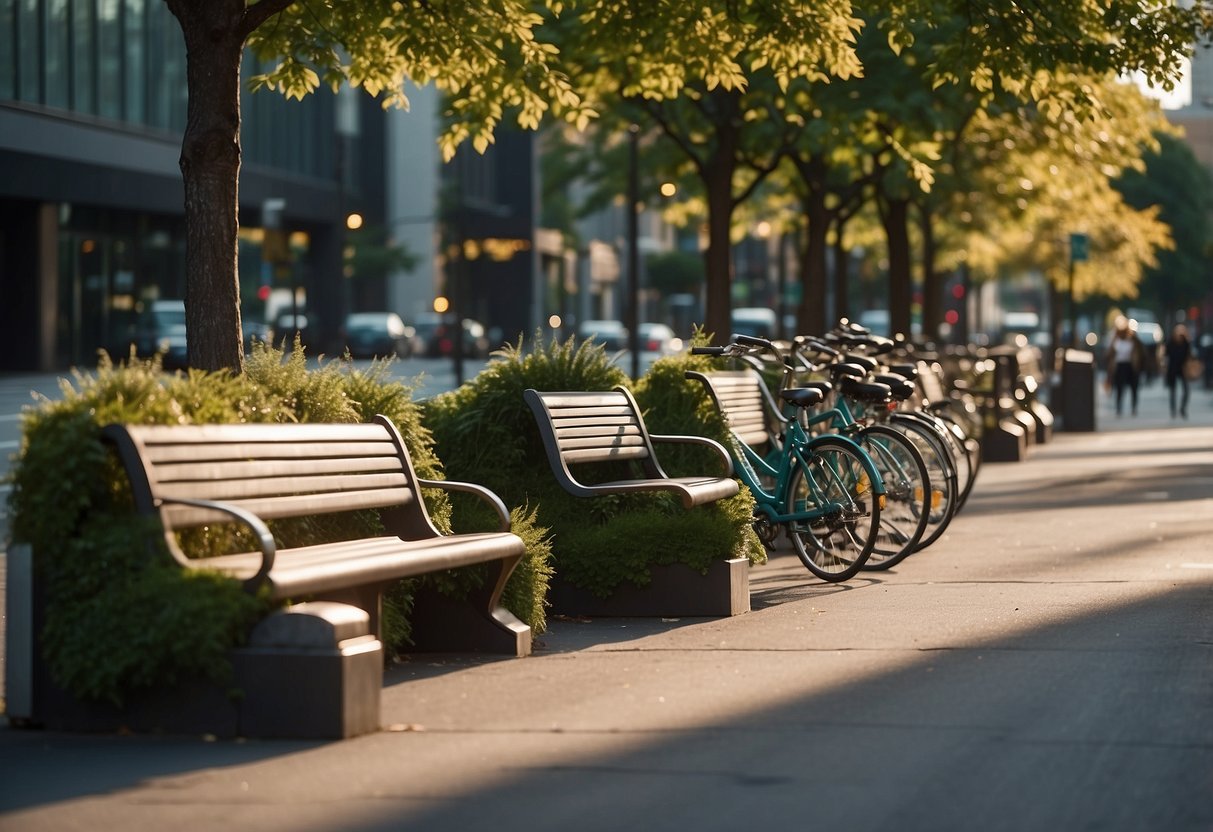
When designing sustainable street furniture, there are several important factors to consider. By choosing eco-friendly materials, incorporating innovative features, and ensuring that the furniture is both functional and aesthetically pleasing, you can create a more sustainable and inviting urban landscape.

Materials and Manufacturing
The choice of materials is crucial when designing sustainable street furniture. Opt for materials that are durable, recyclable, and made from renewable energy sources. This will ensure that the furniture has a long lifespan and can be easily recycled or repurposed at the end of its life.

When manufacturing the furniture, consider using energy-efficient processes and minimising waste. This will help to reduce the environmental impact of the manufacturing process and ensure that the furniture is as sustainable as possible.
Innovative Features
Incorporating innovative features into street furniture can help to make it more sustainable and user-friendly. For example, sensors can be used to monitor the usage of the furniture and adjust lighting or temperature settings accordingly, reducing energy waste.
Wi-Fi connectivity can also be integrated into street furniture, providing a valuable service to the community and reducing the need for additional infrastructure.
Aesthetics and Functionality
When designing sustainable street furniture, it is important to ensure that it is both functional and aesthetically pleasing. The furniture should be designed to meet the needs of the local community and enhance the urban landscape.
Consider incorporating features such as seating, bike racks, and planters to make the furniture more functional and appealing. By designing street furniture that is both sustainable and attractive, you can help to create a more welcoming and liveable urban environment.
Impact on Urban Life and Environment

Enhancing Quality of Life
When it comes to urban spaces, the quality of life is a crucial factor that every city planner should consider. Street furniture plays a significant role in enhancing the quality of life by providing a comfortable and safe public space for people to relax, socialize, and enjoy the outdoors. Benches, tables, and picnic tables are some of the street furniture that can add value to urban spaces.
By incorporating sustainable street furniture, you can create a more inviting and attractive public space that encourages people to spend time outdoors. This can lead to an increase in physical activity, which has a positive impact on health and well-being. Additionally, sustainable street furniture can help to reduce noise pollution, making the urban environment a more peaceful place to live.
Environmental Responsibility
As cities continue to grow, it is becoming increasingly important to take responsibility for the impact they have on the environment. Sustainable street furniture can help to reduce the carbon footprint of urban areas by using eco-friendly materials and promoting waste management.
By choosing durable, eco-friendly materials, designing functional yet aesthetic street furniture that is adaptable to multiple uses and user groups, and considering the full product life cycle from production to end-of-life, we can create more sustainable and livable urban environments.
Community and Public Interaction
Street furniture can also promote community and public interaction by providing a space for people to gather and socialize. Sustainable street furniture can help to create a sense of community and belonging by encouraging people to spend time outdoors and interact with one another.
By incorporating sustainable street furniture into local cities, you can create a more inviting and attractive public space that encourages people to spend time outdoors, interact with their community, and enjoy the benefits of nature. This can lead to a more sustainable and livable urban environment that promotes environmental conservation and social responsibility.
Frequently Asked Questions
What are some good examples of eco-friendly outdoor seating?
When it comes to eco-friendly outdoor seating, there are many options available. Some of the most popular options include benches made from recycled plastic, sustainably sourced wood, and metal that has been repurposed. These materials are not only environmentally friendly but also durable and long-lasting.
Could you suggest some innovative concepts for environmentally friendly public benches?
One innovative concept for environmentally friendly public benches is to incorporate greenery into the design. This can be achieved by adding planters to the sides or back of the bench, or by using materials like bamboo or reclaimed wood that have a natural, organic look. Another concept is to incorporate solar panels or kinetic energy generators to power lighting or charging stations.
Which materials are considered the most sustainable for outdoor furnishings?
The most sustainable materials for outdoor furnishings are those that are renewable, recyclable, and have a low carbon footprint. Some examples of sustainable materials include bamboo, recycled plastic, reclaimed wood, and metal that has been repurposed. It’s also important to consider the manufacturing process and transportation of the materials, as locally sourced materials will have a lower carbon footprint.
How can furniture design contribute to sustainability in urban areas?
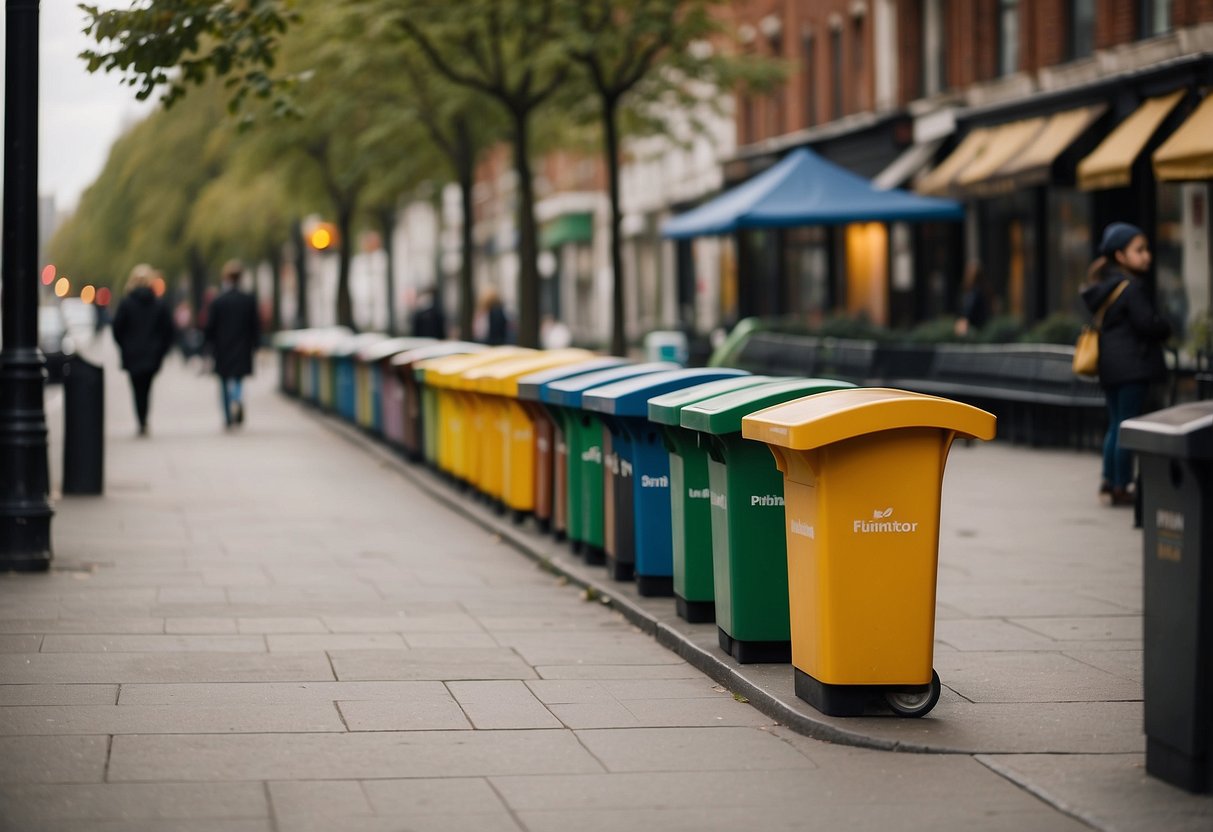
Furniture design can contribute to sustainability in urban areas by incorporating eco-friendly materials, designing for durability and longevity, and creating multifunctional pieces that can serve multiple purposes. Additionally, furniture design can be used to promote sustainable practices, such as incorporating recycling bins or bike racks into the design of public seating.
Are there any well-known furniture brands that prioritise environmental friendliness?
Yes, there are many well-known furniture brands that prioritise environmental friendliness. Some examples include Herman Miller, Steelcase, and Knoll, which have all made commitments to sustainability and use eco-friendly materials in their products. It’s important to do your research and choose brands that align with your values and priorities.
What should I look for to ensure I’m choosing green furniture for public spaces?
When choosing green furniture for public spaces, there are a few key things to look for. First, consider the materials used in the furniture and whether they are renewable, recyclable, and have a low carbon footprint. Second, consider the manufacturing process and transportation of the furniture, as locally sourced materials will have a lower carbon footprint. Finally, look for furniture that is designed for durability and longevity, as this will reduce the need for frequent replacements and ultimately reduce waste.