Last updated 11 August 2026. This page was reviewed on that date. Prices, rates and opening hours change often in Singapore — confirm anything that matters directly with the business before you travel or spend.
Quick answer: If you are tired of digging through a bag for something that actually fits your front pocket, these seven Singapore brands have you covered. Charles & Keith gives you high-street polish without the scary price tag. Ed Charly and Crafune do handcrafted leather that ages with character. The Wallet Shop and Oxhide Leather are solid for no-fuss utility. Bynd Artisan and Gnome & Bow add personalisation that makes a simple card holder feel special. Each one earns its spot by keeping things compact and capable.
For those needing a wallet with more compartments and space, our ladies wallet brands guide covers designs that carry your daily chaos.

If your weekend is precious and you are still lugging a wallet that bulges with loyalty cards you never use, this list is for you. A slim carry is about speed at the tap-and-go, about fitting into a crossbody so you can actually walk hands-free. Think of it as editing your pocket down to exactly what you need, so the next queue moves a little faster.
Looking more broadly? Best Bags, Watches & Jewellery in Singapore gathers all 36 guides on this, so you can scan the field first.
Charles & Keith

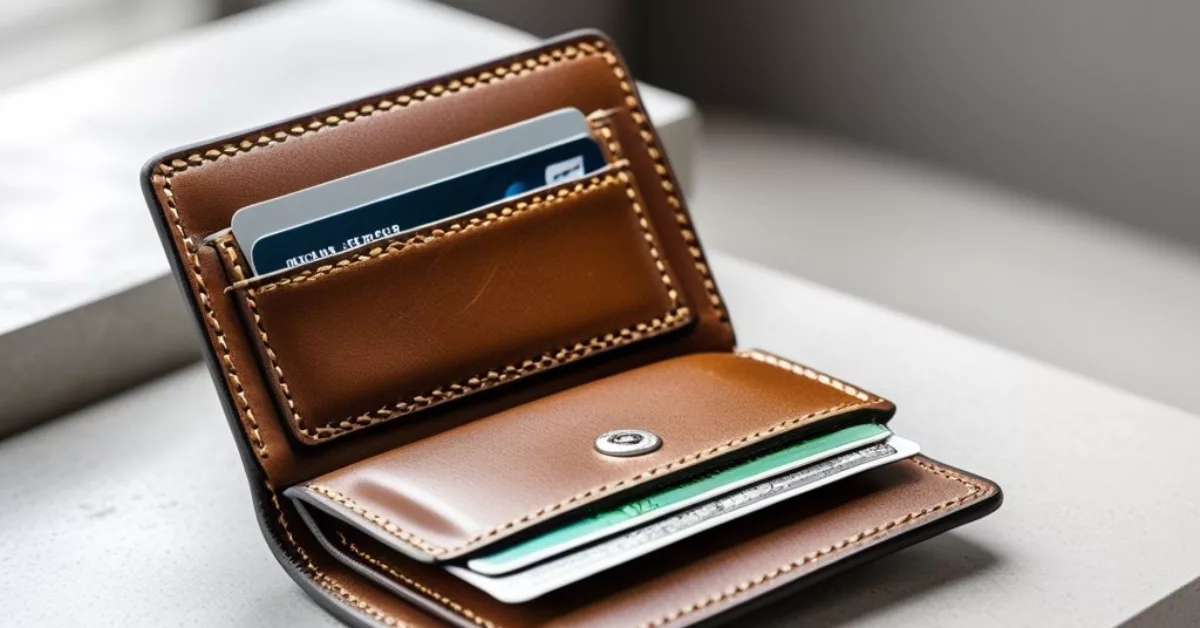
You will find Charles & Keith boutiques in malls from Orchard Road to Jem—this homegrown label has been dressing Singaporeans in polished accessories since 1996. Their compact range runs from quilted card holders and push-lock minis to embossed coin purses, all in soft leather with metallic accents. The designs look far more expensive than they cost, and they hold up well even with daily use. It is the kind of wallet you buy on impulse and end up using for years.
Zipping through a quick mall run and need something polished by tonight? Their boutiques are everywhere. The staff know how to steer you to a slim pick without a lecture, so you can be in and out faster than your kopi cools.
Address: 313@Somerset, Orchard Road #02-46/47/48/49, Singapore 238895
Phone: +65 6509 5040
Hours: Monday to Sunday, 10:00 AM – 10:00 PM
Website: charleskeith.com/sg
Perfect if you want a wallet that looks put-together for after-work drinks but will not cause heart palpitations when you check the price. The younger aunty who is always chic will approve.
The Wallet Shop

The Wallet Shop started in 1997 and now runs outlets including one in Lot One Choa Chu Kang, carrying a well-chosen mix of compact wallets from international and local brands. They stock slim picks like the Alpaka Zip Cardholder and Zip Pouch—weather-resistant, with smart compartments for cards, cash, and even a SIM slot. The staff know their stuff, and the range means you can actually compare a few different brands under one roof. Handy when you want to feel the material before committing.
When you want to cross-check a few brands without traipsing across town, this is the stop. Head in on a weekday afternoon when the mall is quiet—you can lay the slim cardholders side by side on the counter and make a call without feeling rushed.
Address: Lot One Shoppers’ Mall, 21 Choa Chu Kang Ave 4, #01-08, Singapore 689812
Phone: +65 6892 6031
Hours: Sun–Thu 10:30 AM – 9:30 PM; Fri, Sat & eve of public holidays 10:30 AM – 10:00 PM
Website: sg.thewalletshop.com
Great for the partner who needs a wallet for NS days, or the no-fuss professional who just wants something slim that slides into a pocket and gets out of the way. Also ideal if you are buying a gift and want a proper look before paying.
We keep these lists updated by hand. If you run something that fits, get in touch before the next revision.
Ed Charly

Run mostly online from a Woodlands studio, Ed Charly is a small Singapore outfit making wallets that feel personal and age beautifully. Their star is the Ed Classic minimalist wallet in full-grain crazy horse leather—it holds cash, cards, and coins in a slim profile, with quick-access slots that make sense. Because the leather develops a rich patina over time, the wallet actually looks better the longer you use it. It is the opposite of throwaway fashion.
Because it is online, plan ahead; the site gives you a clear sense of size so there is no guessing game when the parcel arrives. This suits the planner who wants something that will look even better next year, with a leather that tells a quiet story of wear.
Address: 21 Woodlands Close, #08-44, Primz Bizhub, Singapore 737854
Email: [email protected]
Hours: Primarily online; contact for pickup arrangements
Website: edcharly.com
For the guy who appreciates a sturdy wallet that tells a story, or the recent grad treating himself to a proper adult piece without blowing the budget. The leather smell alone is worth the wait.
And while you are upgrading your everyday carry, a sleek timepiece from our guide to Women’s Luxury Timepieces in Singapore completes the look.
Oxhide Leather

Oxhide Leather has a shop at HarbourFront Centre where you can handle their full-grain leather wallets and see why they are so confident they give a six-month guarantee. Their compact line includes slim bifolds and card holders with anti-spill compartments and RFID protection—details that show they have thought about your daily scramble. The leather feels substantial in hand, and the guarantee is a nice vote of confidence. You walk out with something that will probably outlast your phone.
The HarbourFront store lets you properly handle the leather before committing, which matters if you are particular about tactile feel. If you are forever fishing for your train card, the anti-spill slots are a small detail that saves you the awkward gate-side fumble.
Address: HarbourFront Centre, 1 Maritime Square, #01-73, Singapore 099253
Phone: +65 6908 9956
Hours: Monday to Sunday, 11:00 AM – 9:00 PM
Website: oxhideleather.sg
The professional who wants a wallet that survives being tossed into a work bag, or the Penang auntie who can tell the difference between bonded leather and the real thing at a glance.
Gnome & Bow

Gnome & Bow works out of a Changi logistics centre and sells online—their wallets come with literary-inspired linings and a story to tell, so they feel more like a find than a purchase. They do monogrammable slim wallets with RFID technology, patterned inner fabric, and just enough room for travel essentials. The themes nod to classics, and the construction is polished enough that you will get a little thrill pulling it out at a café. It is a conversation starter, not just a utility.
Order well before a birthday or trip, especially if you are getting initials stamped. Opening the box feels like unwrapping a well-chosen book, with a lining that makes you pause. It is the wallet you reach for when you want a bit of curiosity in your pocket.
Address: 19 Loyang Way, #07-20, Changi Logistics Centre (Rear Block), Singapore 508724
Hours: Monday to Friday, business hours; primarily online
Website: gnomenbow.com
Book lovers, creative types, and anyone who wants a wallet that feels made for them—maybe a thoughtful birthday present for your secondary school best friend.
Bynd Artisan

Bynd Artisan has a light-filled workshop at Raffles City where you can design your own card holder using European leathers that are as kind to the environment as they are to the eye. Small customisable wallets come in scratch-resistant, eco-friendly leather, with options for embossing initials and picking colour combos. The card holders stay slim but fit more than you would expect. The whole experience—sitting down to choose your leather, watching the craft, walking away with a made-just-for-you piece—is a small luxury you will keep until the edges are soft and the colour has mellowed.
Book a workshop slot, especially on a slow Saturday, because sitting down to pick your leather and colour combos is the whole pleasure. The light-filled space makes the waiting time feel like a treat, and a card holder arrives tailored to the exact slots you need.
Address: Raffles City Shopping Centre, 252 North Bridge Road, #03-24, Singapore 179103
Phone: +65 6873 2317
Hours: Monday to Sunday, 10:00 AM – 10:00 PM
Website: byndartisan.com
The thoughtful gift-giver planning something for an anniversary, or the eco-conscious friend who would rather invest in one good thing than buy fast fashion.
Crafune

Tucked into New Bahru on Kim Yam Road, Crafune is a tiny workshop turning out hand-stitched small wallets from vegetable-tanned leather, with custom thread and initials thrown in so each piece feels yours. Handcrafted compact wallets and card holders use traditional techniques. You can pick the leather and thread colour, get it stamped, and in a few days it is ready for you. The artisan touch is real—you can smell the leather and see the stitching up close. It is the kind of place you bring a visitor to show them Singapore is not all malls.
If you enjoy the smell of the workshop and seeing the stitches go in, make an appointment for the Kim Yam Road New Bahru studio. It is tucked away, so give yourself an extra five minutes to find the staircase. Walking out with a piece stamped that same day feels like a proper weekend win.
Address: 46 Kim Yam Road #02-11, New Bahru, Singapore 239351
WhatsApp: +65 8218 4223
Hours: Monday to Sunday, 11:00 AM – 6:00 PM
Website: crafune.com
Craft enthusiasts, sentimental souls who own fountain pens, and anyone who gets a kick out of supporting a local artisan. Also a solid date idea if you do a workshop together.
We keep these lists updated by hand. If you run something that fits, get in touch before the next revision.
How to choose
Start by narrowing down what annoys you most about your current wallet. Too thick? Go for a card holder with no coin zip. Always digging for a specific card? Look for quick-access slots. Worried about card skimming? RFID-blocking models from Oxhide Leather and Gnome & Bow tick that box. Material matters the most after size—full-grain leather ages gracefully, while synthetic weather-resistant fabrics shrug off sweat and rain. If you want a piece that feels truly yours, Bynd Artisan and Crafune let you pick leather, thread, and embossing, and Gnome & Bow adds a monogram. Price signals a lot here: you can get a sharp-looking Charles & Keith card holder for well under fifty dollars, mid-range options from The Wallet Shop or Ed Charly sit around the hundred mark, and full custom work climbs higher. Think about how often you will use it and whether you are the type to condition your leather every few months. Keep that leather looking fresh—and when it eventually needs a refresh, our list of top Cobblers in Singapore comes in handy.
| Brand | Key Material | Customisation | RFID | Price Signal | Best For |
|---|---|---|---|---|---|
| Charles & Keith | Soft leather, metallic accents | Check with the business | Not mentioned | Accessible luxury | Trendy everyday use |
| The Wallet Shop | Weather-resistant fabric (Alpaka) | Not mentioned | Not mentioned | Exceptional value | Comparing brands in person |
| Ed Charly | Full-grain crazy horse leather | Not mentioned | Not mentioned | Affordable quality | Developing a personal patina |
| Oxhide Leather | Full-grain leather | Check with the business | Yes | Terrific value, six-month guarantee | Durable, anti-spill design |
| Gnome & Bow | Polished construction, patterned linings | Monogramming | Yes | Gift-worthy | Storytelling and personalisation |
| Bynd Artisan | Eco-friendly European leather | Embossing, colour choice | Not mentioned | Bespoke luxury | Made-to-order experience |
| Crafune | Vegetable-tanned leather | Thread colour, initials | Not mentioned | Meaningful gifting | Handcrafted, heritage feel |
Summary
From the high-street appeal of Charles & Keith to the bespoke craft of Bynd Artisan, Singapore’s small wallet scene offers something for every minimalist. Go for the one that fits not just your pocket, but the way you actually use it day to day. A good small wallet lets you leave the house feeling light, and that is a small win worth having.
Details like opening hours and prices can change, so confirm directly with the business before heading down.
Read next
Frequently asked questions
What is the smallest wallet type I can buy?
Card holders and slim card cases are the most compact. They usually carry a few cards and folded notes, and some mini wallets add a coin zip without adding much bulk.
Are leather small wallets durable?
Full-grain leather wallets develop a patina and stay sturdy for years if you condition them occasionally. Vegetable-tanned leather softens with use and holds up well.
Which small wallet brands in Singapore offer RFID protection?
Oxhide Leather and Gnome & Bow both have RFID-blocking designs to shield your card data from unwanted scans.
Can I customise my small wallet?
Yes. Bynd Artisan and Crafune let you emboss initials or choose thread colours, while Gnome & Bow offers monogramming. Check each brand for their current customisation options.
Where can I buy small wallets online in Singapore?
All seven brands sell through their websites with local delivery. Ed Charly and Gnome & Bow are primarily online, often with pickup arrangements.
How do I care for a leather small wallet?
Keep it away from prolonged dampness and apply a leather conditioner every few months. For deep scuffs or stitching repairs, a trusted cobbler can restore it.