Singapore Parliament: Latest Updates and Developments
Welcome to the world of Singaporean politics! If you’re interested in learning more about the Singapore Parliament, you’ve come to the right place. The Parliament is the legislative body of the Republic of Singapore, and it plays a crucial role in the governance of the country. In this article, we’ll explore the structure and composition of the Parliament, as well as the business and proceedings that take place within it.

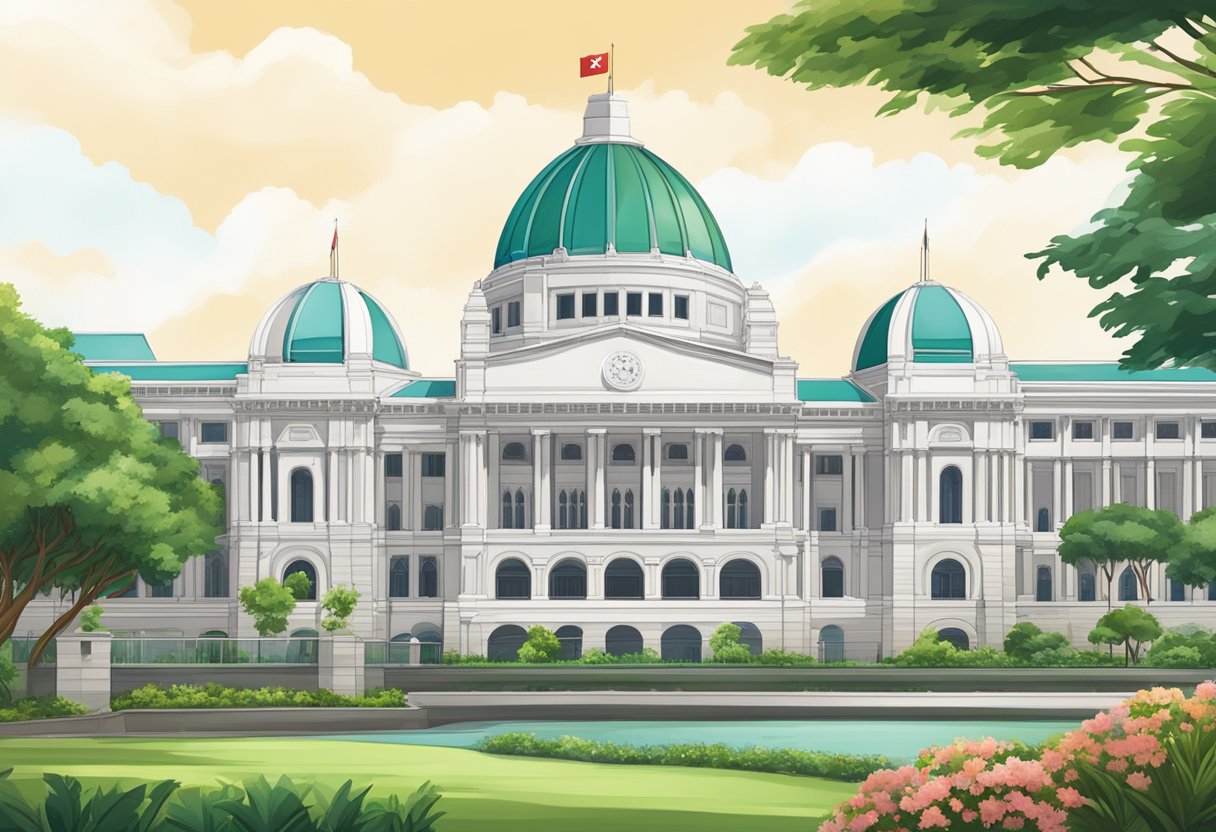
The Singapore Parliament is a unicameral legislature, meaning that it consists of a single chamber. The Parliament is made up of Members of Parliament (MPs) who are elected by the people of Singapore. The MPs represent the various constituencies in Singapore and work together to pass laws and make decisions that affect the country. The Parliament is an important part of the Singaporean government, and it plays a vital role in ensuring that the needs and concerns of the people are heard and addressed.
Key Takeaways
- The Singapore Parliament is a unicameral legislature made up of elected Members of Parliament.
- The Parliament plays a crucial role in the governance of Singapore and is an important part of the Singaporean government.
- MPs work together to pass laws and make decisions that affect the country, ensuring that the needs and concerns of the people are heard and addressed.
Structure and Composition
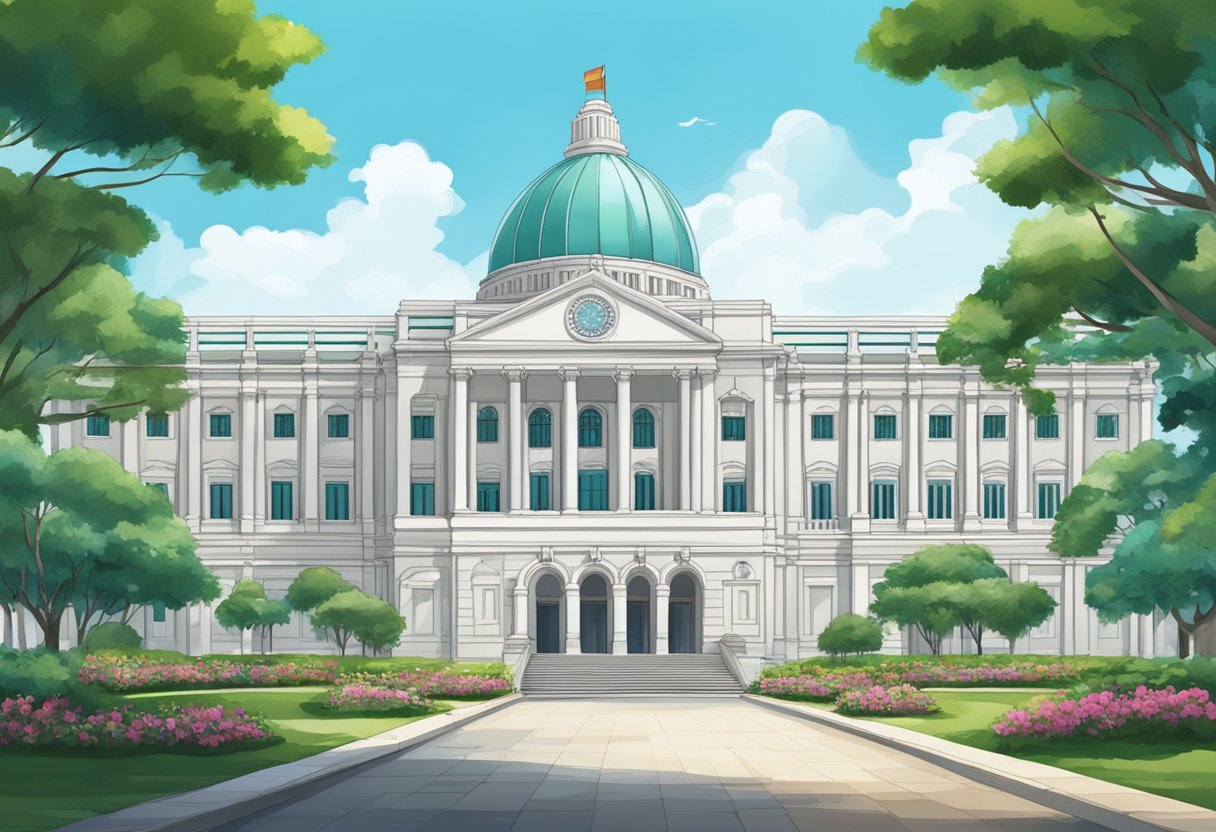
The Singapore Parliament is the unicameral legislative body of the Republic of Singapore. It is made up of elected, non-constituency and nominated Members of Parliament (MPs). The Parliament is responsible for making and amending laws, as well as overseeing the work of the government.
General Elections and Constituencies
The General Election is held every five years to elect Members of Parliament. The majority of MPs are elected into Parliament on a first-past-the-post basis and represent either Single Member Constituencies (SMCs) or Group Representation Constituencies (GRCs). In SMCs, the people vote for one candidate to represent them in Parliament. In GRCs, several constituencies are combined, and the people vote for a team of between three and six candidates.

Roles Within the Parliament
The Speaker of Parliament presides over the proceedings of the House and ensures that the rules of the House are followed. The Leader of the House is responsible for managing the government’s legislative programme, while the Leader of the Opposition leads the opposition parties in Parliament. Whips are responsible for ensuring that Members of Parliament attend important parliamentary sessions and vote according to their party’s position.
In addition to elected MPs, there are also Nominated Members of Parliament (NMPs) and Non-Constituency Members of Parliament (NCMPs). NMPs are appointed by the President of Singapore, while NCMPs are the best-performing opposition candidates who did not win a seat in the General Election.
The Parliament of Singapore is committed to promoting community and unity among its Members, regardless of their political affiliations. Political parties play an important role in the Parliament, and they are represented by their elected Members of Parliament.
In summary, the Singapore Parliament is composed of elected, non-constituency and nominated Members of Parliament who are responsible for making and amending laws. The Parliament is structured to ensure fair representation of all constituencies and political parties, and it is committed to promoting community and unity among its Members.
Parliamentary Business and Proceedings

When it comes to the Singapore Parliament, there are several important aspects to consider, including the legislative process, committees and governance.
Legislative Process
The legislative process is a critical component of the Singapore Parliament, and it involves the introduction and passage of bills into law. This process typically involves several stages, including the first reading, second reading, committee stage, report stage and third reading.

During the first reading, the bill is introduced and read aloud to the Parliament. The second reading involves a debate on the bill’s general principles, while the committee stage involves a detailed examination of the bill’s provisions. The report stage is where any amendments to the bill are considered, and the third reading is the final stage before the bill is passed into law.
Committees and Governance
The Singapore Parliament also has several committees and governance structures in place to ensure that its proceedings are efficient and effective. These include the Select Committees and Government Parliamentary Committees, which are responsible for examining specific issues and making recommendations to the Parliament.
In addition, the Singapore Parliament also has a Special Select Committee, which is formed to investigate specific issues of national importance. This committee has the power to call witnesses and gather evidence, and its findings are presented to the Parliament for consideration.
Overall, the Singapore Parliament is an important institution that plays a critical role in the country’s governance and legislative process. Whether you are interested in business, sustainability, education, work, events, bills, debates, votes, laws, reports, or select committees, there is something for everyone in the Singapore Parliament.
Frequently Asked Questions
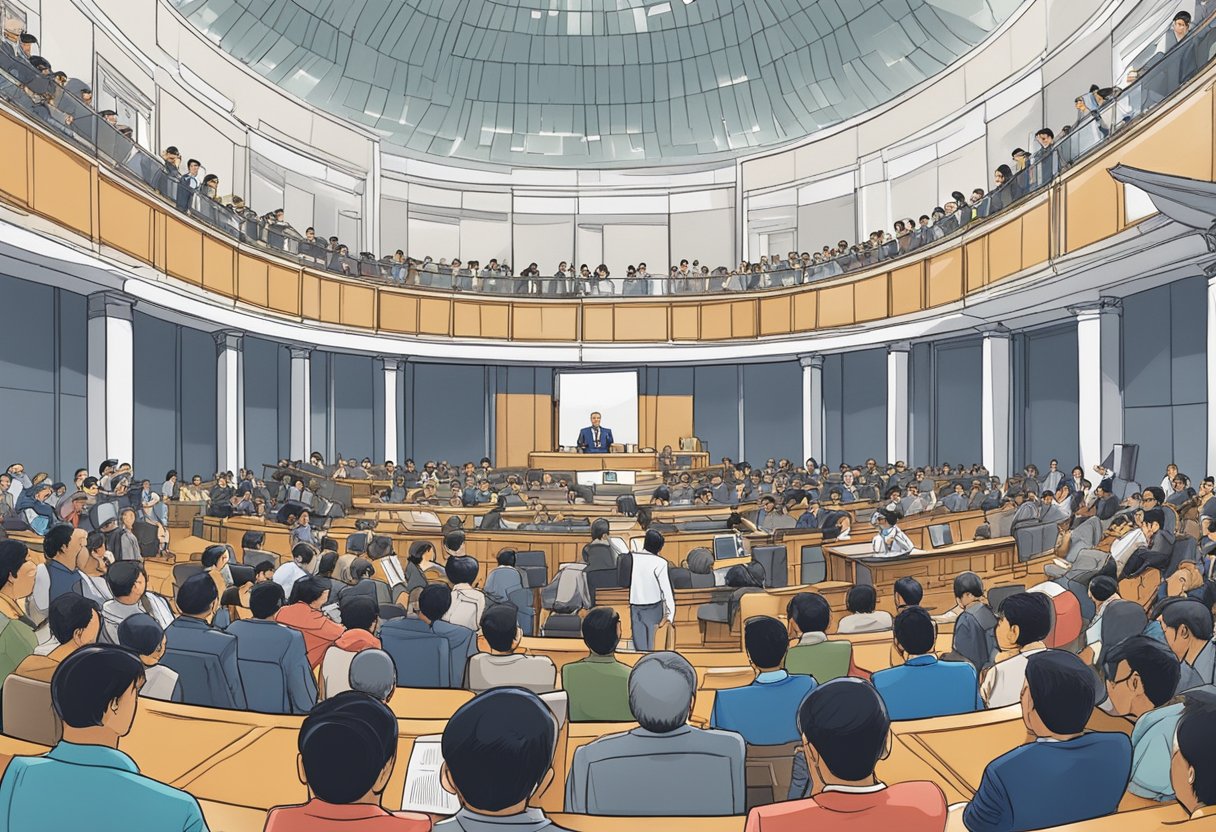
How many seats are there in the Singapore Parliament?
The Singapore Parliament has a total of 101 seats. 93 of these seats are elected by the people through general elections, while the remaining 8 seats are appointed as Nominated Members of Parliament (NMPs).
What are the main functions of the Singapore Parliament?
The main functions of the Singapore Parliament include passing laws, approving the government’s budget, and holding the government accountable for its actions. Members of Parliament (MPs) also raise issues of public concern and debate them in Parliament.
Can members of the public visit the Parliament in Singapore, and if so, how?
Yes, members of the public can visit the Parliament in Singapore. However, due to security reasons, visitors must make prior arrangements with their respective MPs to visit the Parliament. Visitors are also required to go through security checks before entering the Parliament.
How many Members of Parliament (MPs) are there in Singapore?
There are a total of 93 elected MPs in Singapore. Each MP represents a constituency and is elected by the people through general elections.
What is the difference between the Cabinet and the Parliament in Singapore?
The Cabinet is made up of the Prime Minister and other Ministers who are responsible for running the government and implementing policies. The Parliament, on the other hand, is responsible for making laws and holding the government accountable for its actions.
When are the sitting dates for the Singapore Parliament in 2024?
The sitting dates for the Singapore Parliament in 2024 have not been announced yet. However, Parliament sittings usually begin at 1.30pm and visitors can observe the proceedings from the public gallery.