Last updated 7 August 2026. This page was reviewed on that date. Prices, rates and opening hours change often in Singapore — confirm anything that matters directly with the business before you travel or spend.
Quick answer: If you are booking one big dinner this year, look at Odette inside the National Gallery, the multi-course production at Zén on Bukit Pasoh, or the open-fire kitchen at Burnt Ends in Dempsey. Odette suits anniversaries and quiet celebrations. Zén is for a long, theatrical evening. Burnt Ends is for people who want fine-dining energy without a tablecloth.
These are not just meals; they are quiet conversations with the Singapore that is slipping away. The kitchens may be modern, but the walls remember, and the plates carry flavours your grandmother would recognise. This list is for the diner who wants a fine dining experience that feels like coming home to a street that still smells of yesterday’s kopi.

This is one of 42 guides in Best Restaurants in Singapore by Occasion — start there if you would rather compare before you commit.
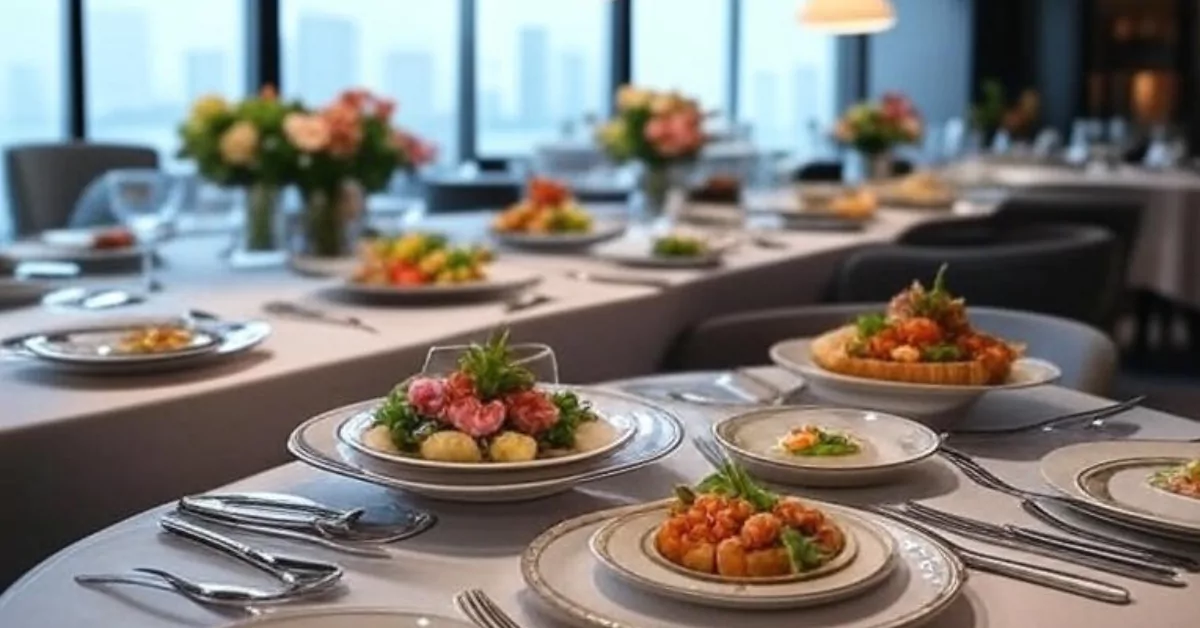
Some dinners are just dinner. Others are the thing you think about on the MRT the next morning, still turning a flavour over in your mind. The seven restaurants here are the second kind. They are priced accordingly, they take a full evening, and they reward you for showing up curious.
Odette

Odette sits on the ground floor of the National Gallery, the room done in soft greys and pinks that make you lower your voice without realising it. Chef Julien Royer runs a modern French kitchen that pays unusually close attention to where each ingredient was grown or raised.
The menu is a tasting format built around seasonal produce. You might get the signature Pigeon Beak to Tail, or a sequence of heirloom beetroot preparations that show how much flavour hides inside one vegetable. The sourcing leans heavily on small producers across the region.
It is the kind of place you book when someone you love has been working too hard and you want to say I see you, let’s slow down. The pacing is gentle, the room is quiet, and the whole meal asks for three hours of your attention.
Before it was a dining room, these walls belonged to the old Supreme Court, where hushed rulings shaped the city. The soft hush you notice is not accident but inheritance – a quiet gravity that slows the meal. Suits a deliberate evening when you want each course to hold the weight of the country’s transformation. Go for an anniversary that deserves a setting with memory.
Address: 1 St Andrew’s Road, #01-04 National Gallery Singapore, Singapore 178957
Phone: +65 6385 0498
Hours: Tue–Sat lunch (last seating 12pm–1:15pm); Mon–Sat dinner (last seating 6:30pm–8:15pm); closed Sunday
Price signal: Three Michelin stars, tasting-menu pricing
Odette website
Zén

Zén is the Singapore sibling of Chef Björn Frantzén’s Stockholm flagship, tucked into a shophouse on Bukit Pasoh. From the moment you step inside, the meal moves through different spaces – the ground floor for snacks, then upstairs for the main progression – which makes the whole thing feel less like dining and more like a three-hour conversation you don’t want to end.
What lands on the plate is a Nordic-Japanese-French mash-up that somehow reads as coherent. You are likely to encounter pickled baby pine cones, Périgord black truffles, and a run of courses that the kitchen calls endless. Lunch tastings start from SGD 395, and you will want to leave the evening free after.
This one is for the friend who tracks the World’s 50 Best list and wants to see what three Michelin stars looks like when the kitchen is clearly having fun. It rewards curiosity and a willingness to be surprised.
Zén occupies a century-old shophouse on a street once lined with Chinese clan associations. The way the meal leads you from the ground-floor snacks to the upstairs progression echoes how life used to climb through these buildings, each floor a different chapter. Good for a long catch-up with an old friend.
Address: 41 Bukit Pasoh Road, Singapore 089855
Phone: +65 6534 8880
Email: [email protected]
Hours: Tue–Sat 12pm–5pm, 7pm–10:30pm; closed Sun–Mon
Price signal: Lunch from SGD 395, three Michelin stars
Zén website
This round-up is editorial. Suggestions are welcome – tell us what you offer and where.
If you are already planning a food trail, our guide to Restaurants on Amoy Street covers the stretch where Cloudstreet lives, and the Roast Duck in Singapore round-up is for the days when you want something shiok at half the fuss.
Les Amis

Les Amis has been at Shaw Centre for over thirty years, which in Singapore restaurant terms is practically a national monument. The room is quietly plush without shouting, and the kitchen does French haute cuisine with the kind of confidence that only comes from decades of practice.
Degustation menus start from SGD 365, and the kitchen reaches for the big ingredients: caviar works its way across several dishes, and the morel velouté with foie gras and truffle is the kind of course that makes you close your eyes for a second. Wine is a serious business here; the cellar runs deep.
Book this when your parents are in town and you want to thank them properly, or when a deal has closed and the whole team deserves something classic and certain. It delivers the three-star experience with old-school steadiness.
Les Amis opened when Orchard Road still had grassy embankments and a drive-in cinema at the top of the hill. That it still serves caviar-laced degustations in the same Shaw Centre spot after three decades says something about the steadiness that Singaporeans of a certain age appreciate. A place for marking anniversaries.
Address: 1 Scotts Road, #01-16 Shaw Centre, Singapore 228208
Phone: +65 6733 2225
Email: [email protected]
Hours: Daily lunch from 12pm (last seating 1:15pm); dinner from 7pm (last seating 8:15pm)
Price signal: From SGD 365, three Michelin stars
Les Amis website
Cloudstreet

Cloudstreet is Chef Rishi Naleendra’s love letter to his Sri Lankan roots, filtered through Australian training and served on Amoy Street in a warm, design-conscious room. The food here has personality – it knows where it came from and is not shy about it.
The tasting menu starts at SGD 248 and moves through dishes like grilled oysters with coconut milk and a rye bread made with local stout that has no business being that memorable. Two Michelin stars back up the kitchen’s ambition, but the energy in the dining room stays relaxed, almost convivial.
This is the pick when you want something personal and inventive without the hushed formality of a white-tablecloth room. It suits a date night where you actually want to talk, or a small group of food-loving friends.
Amoy Street once faced the sea, its shophouses housing dockside traders. Cloudstreet’s rye bread with local stout brings that maritime spirit to the plate, a nod to the spice routes that ran through here. Perfect for a date when you want flavours with a story, not just technique.
Address: 84 Amoy Street, Singapore 069903
Phone: +65 6513 7868
Email: [email protected]
Hours: Dinner Tue–Sat from 6:30pm; lunch Thu–Sat from 12pm
Price signal: From SGD 248, two Michelin stars
Cloudstreet website
Burnt Ends

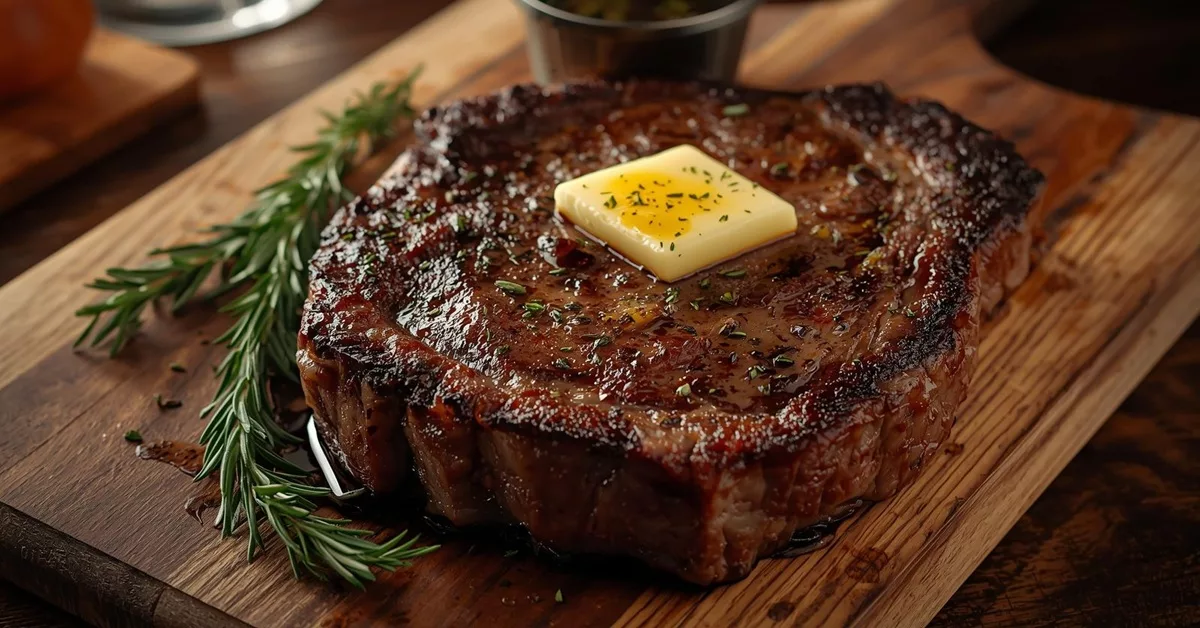
Burnt Ends moved to Dempsey Road and brought its custom-built kilns and open kitchen with it. The entire menu runs on wood and charcoal – flat iron steak with bone marrow, smoked quail eggs with caviar, and the Sanger burger that people still talk about long after they have wiped their hands.
It holds one Michelin star and regular spots on both the World’s 50 Best and Asia’s 50 Best lists, but the room feels more like a serious barbecue joint that happens to use top-tier produce. You sit at the counter if you are lucky, watching the fire do its work.
Bring the friend who swears they do not do fine dining but will happily queue for good meat. This one bridges the gap. It is also the answer when you want big flavours and a buzzy, unbuttoned evening.
Dempsey Road’s old army barracks once housed British troops before independence. Burnt Ends’ wood-fired kilns, blazing in the open kitchen, spark the same primal pleasure of cooking over fire, but with flat-iron steak that feels like a modern camp feast. It’s for the hawker-hearted diner who wants fine-dining without the stiffness.
Address: 7 Dempsey Road, #01-04, Singapore 249671
Phone: +65 6224 3933
Email: [email protected]
Hours: Tue–Sat 11:45am–11pm (Wed from 11:30am); closed Mon & Sun
Price signal: One Michelin star, a la carte and tasting options
Burnt Ends website
For a completely different kind of treat, our Finest Ondeh Ondeh Experiences in Singapore guide is a happy detour into palm-sugar territory. Or if you are planning a staycation around the meal, you might browse our Tour Agencies in Singapore list for ideas that go beyond the usual itinerary.
Thevar

Chef Mano Thevar takes Indian flavours and runs them through a fine-dining filter on Mohamed Sultan Road. The result is a fixed experience menu at SGD 298 where Chettinad chicken roti sits alongside Brittany lobster in curry beurre blanc, and both make complete sense.
Two Michelin stars sit on the shelf, but the cooking does not feel academic. It feels like someone took the spices their grandmother used and gave them a bigger stage and better lighting. The room is intimate, the pacing is brisk, and every course builds toward something.
This is the one to book when you have a friend visiting who thinks they have tried every kind of Indian food. It will surprise them. It also works for a milestone birthday where you want the table to feel a little daring.
Indian kitchens have been feeding Singapore since the days of the spice trade. Thevar takes that heritage and plates it with fine-dining precision; the Chettinad chicken roti tastes like the kind of meal you’d get at a family gathering, but with a butter beurre blanc that tells you this is not your grandmother’s kitchen. Book when the craving for deep spice is strong.
Address: 16 Mohamed Sultan Road, Singapore 238965
Phone: +65 9750 8275
Email: [email protected]
Hours: Tue–Thu 6pm–11pm; Fri–Sat 12pm–3pm & 6pm–11pm; closed Sun–Mon
Price signal: Fixed menu SGD 298, two Michelin stars
Thevar website
This round-up is editorial. Suggestions are welcome – tell us what you offer and where.
Hashida

Hashida moved to a quiet spot on Sentosa, and the relocation suits it. Chef Kenjiro Hashida works behind a wood counter in a room that seats only a handful of people, serving a sushi omakase that mixes tradition with the occasional inventive detour.
The menu follows the seasons. You might start with a monaka cracker holding crab and caviar, then move to a chawanmushi with blue cheese and abalone, before the nigiri sequence proper. The ingredients speak for themselves, and the chef’s knife work is worth watching up close.
Choose this when you want a quiet, grown-up evening that feels removed from the city. It suits a couple marking something private, or a solo diner who just wants a beautiful counter and fish that speaks for itself.
Sentosa was once Pulau Blakang Mati, a quiet island of villages. Hashida’s new home there, with just a handful of counter seats, returns you to a slower rhythm, where the chef’s hands and the day’s catch do all the talking. Go when you need to escape the mainland’s rush and feel the old island hush.
Address: 4 Bukit Manis Road, Sentosa, Singapore 099947
Phone: +65 8129 5336
Email: [email protected]
Hours: Tue–Sat 6:30pm–10pm; closed Sun–Mon
Price signal: Omakase pricing
Hashida website
How to choose
Start with the kind of evening you actually want. These restaurants all do tasting menus, but the room, the pacing, and the personality differ sharply.
Formality level. Odette and Les Amis are the most traditional fine-dining rooms – hushed, elegant, suited to an anniversary or a parent you want to impress. Zén and Cloudstreet are more playful. Burnt Ends barely bothers with a tablecloth and is louder for it. Hashida is intimate and precise; Thevar sits somewhere between polished and buzzy.
Time commitment. Zén and Odette will take your whole evening – three hours or more. Burnt Ends and Hashida move a little faster. Ask about pacing when you book if you have a show or a babysitter clock to mind.
Price anchors. Cloudstreet starts around SGD 248, which is the gentlest entry point on this list for a multi-course experience. Thevar is at SGD 298. Les Amis and Zén climb past SGD 365. Odette and Hashida price by season and market; call ahead for a current figure.
Dietary needs. All these kitchens handle restrictions, but some cuisines flex more easily than others. A vegetarian at Burnt Ends will have a very different evening than at Odette. Mention it at the reservation stage, not on the night.
| Restaurant | Cuisine style | Tasting menu from | Vibe |
|---|---|---|---|
| Odette | Modern French | Check with the business | Quiet, graceful, gallery-adjacent |
| Zén | Nordic-French-Japanese | SGD 395 (lunch) | Theatrical, multi-room journey |
| Les Amis | Classic French haute cuisine | SGD 365 | Old-guard elegance, deep wine list |
| Cloudstreet | Sri Lankan-Australian fusion | SGD 248 | Warm, inventive, personal |
| Burnt Ends | Modern Australian barbecue | Check with the business | Lively, fire-driven, counter seating |
| Thevar | Contemporary Indian | SGD 298 | Bold, intimate, spice-forward |
| Hashida | Japanese omakase | Check with the business | Serene, sushi-focused, Sentosa hideaway |
Summary
Singapore’s top-end dining rooms cover a lot of ground, from the stained-glass calm of Odette to the smoke and sizzle of Burnt Ends. Pick based on the mood you want, not just the menu – because at this level, the room and the rhythm are half the meal. Book early, show up hungry, and let the kitchen run the show.
Disclaimer: All details here are compiled from publicly available sources as of early 2026. Hours, menus and prices shift. Confirm with the restaurant directly before you book.
Read next
Frequently asked questions
Which of these restaurants is best for a wedding anniversary dinner?
Odette feels purpose-built for quiet celebrations. The soft colours, the pacing, and the National Gallery setting give the evening a gentle, special weight. Les Amis carries a similar classical elegance if your partner prefers a more traditional French room.
I want a fine-dining experience that is not too formal. Where should I go?
Burnt Ends is the most relaxed on the list – counter seating, open fire, loud enough that you can laugh without feeling self-conscious. Cloudstreet is another good call; the room is warm and the service keeps things friendly without losing precision.
Are there vegetarian options at these restaurants?
Most of these kitchens will prepare a vegetarian tasting menu with advance notice. The experience differs by cuisine style – a vegetable-led progression at Odette is a different beast from one at Burnt Ends. Call ahead when you book and be specific about restrictions.
How much should I budget per person?
The entry points start around SGD 248 at Cloudstreet and SGD 298 at Thevar. Zén begins at SGD 395 for lunch, and Les Amis from SGD 365. Odette, Burnt Ends and Hashida do not publish fixed starting prices; check with the business for a current figure. Drinks and supplements will add to the total.
How far in advance do I need to book?
Three Michelin stars – Odette, Zén and Les Amis – routinely fill weeks ahead, especially for weekend evenings. The other four also run busy. If you have a specific date, lock it in as soon as you know. Same-day tables are rare.
Which restaurant works for a solo diner?
Hashida, with its small counter and chef interaction, is a natural fit for a solo evening. Burnt Ends at the counter is another good option if you enjoy watching the kitchen work. Both spaces make dining alone feel like a choice, not an afterthought.