

Sashimono Furniture: Traditional Japanese Craftsmanship for Modern Homes
If you’re someone who is interested in traditional Japanese furniture, you may have heard of sashimono. Sashimono is a technique for assembling furniture and other wooden items without nails, using both simple and highly complex wood joints. The technique involves carving mortises or grooves called ‘hozo’ into the wood in order to join two boards in a blind joint that’s not visible from the surface.

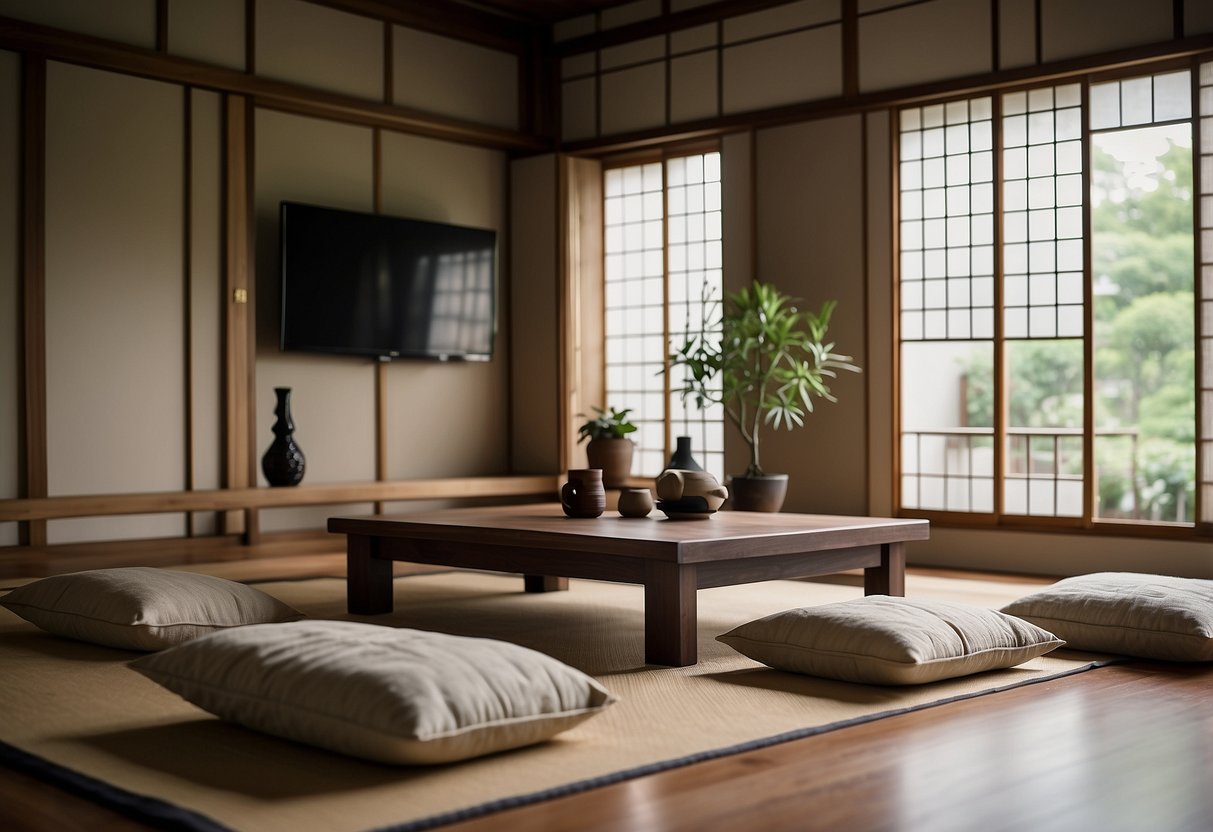
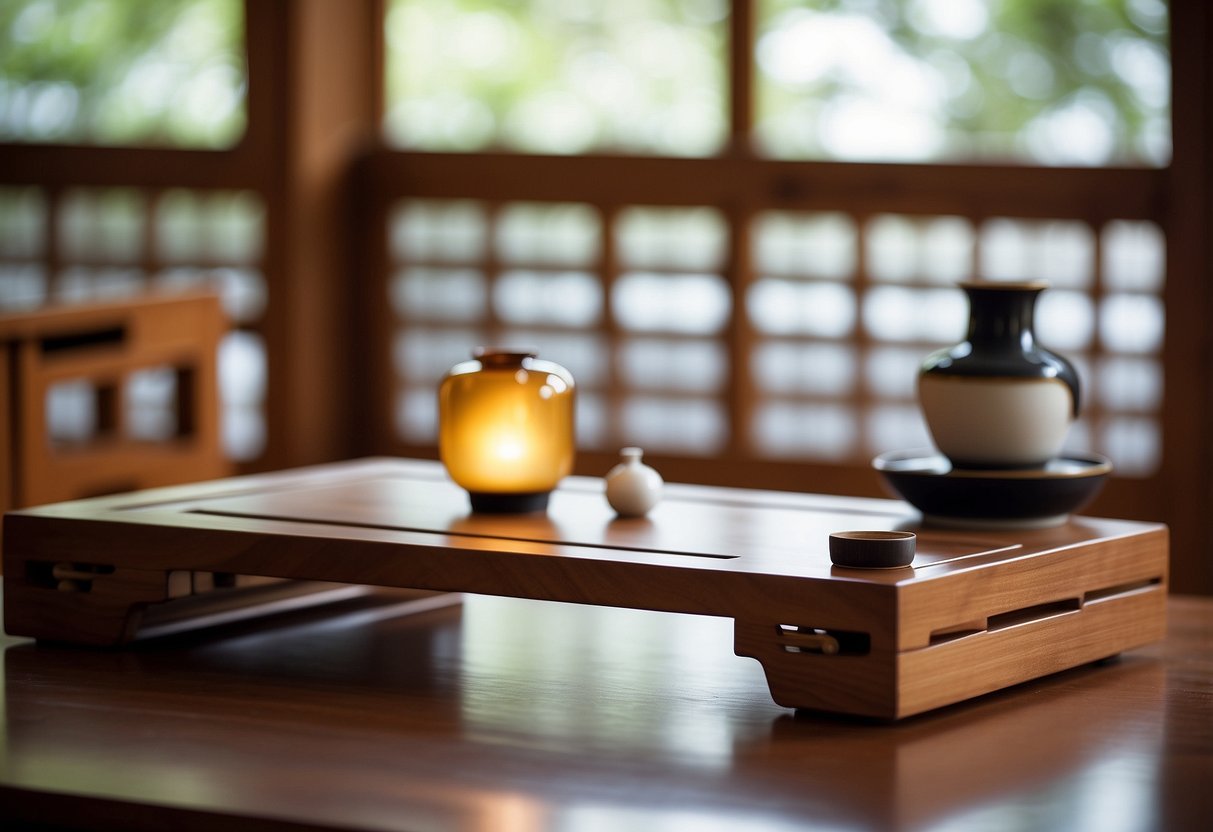
Sashimono is a traditional Japanese woodworking craft that has been passed down for generations. It is a type of furniture that is made using a variety of techniques and materials, including wood, bamboo, and rattan. Sashimono furniture is known for its clean lines, simple design, and beautiful craftsmanship. It is often used in Japanese tea ceremonies, as well as in homes and other settings.
Overall, sashimono furniture is a fascinating and beautiful craft that has a rich history and cultural significance. Whether you’re a collector, a woodworker, or simply someone who appreciates fine craftsmanship, sashimono furniture is definitely worth exploring.
History and Cultural Significance
Origins in Japanese History
Sashimono furniture has a long and rich history in Japan, dating back to the Heian Period (794-1185). During this time, the Imperial Court and aristocracy had a great appreciation for the arts and crafts, including woodworking.

As the demand for furniture grew, carpenters began to develop new techniques to create functional and beautiful pieces. Over time, sashimono emerged as a unique woodworking technique that allowed craftsmen to create furniture without the use of nails or screws.
Sashimono and the Samurai
During the Muromachi Period (1336-1573), the samurai class emerged as a powerful force in Japanese society. Samurai families began to commission sashimono furniture for their homes, which helped to elevate the status of the craft.
Sashimono also played a role in the military culture of the samurai. Portable sashimono banners were used on the battlefield to identify different clans and to communicate orders to troops.
Influence on Modern Craftsmanship
In the Edo Period (1603-1868), sashimono furniture became more widespread and accessible to the general public. The development of Edo Sashimono, a specific style of sashimono furniture, helped to popularise the craft.
Today, sashimono furniture is still highly valued for its unique beauty and craftsmanship. The Japanese government has designated sashimono as a traditional craft, and there are many craftsmen who continue to practice and pass down the techniques from generation to generation.
Overall, sashimono furniture is an important part of Japan’s cultural heritage. Its history is closely tied to the development of court culture, the rise of the samurai, and the evolution of traditional craft in Japan.
Techniques and Materials
Wood Joinery Methods
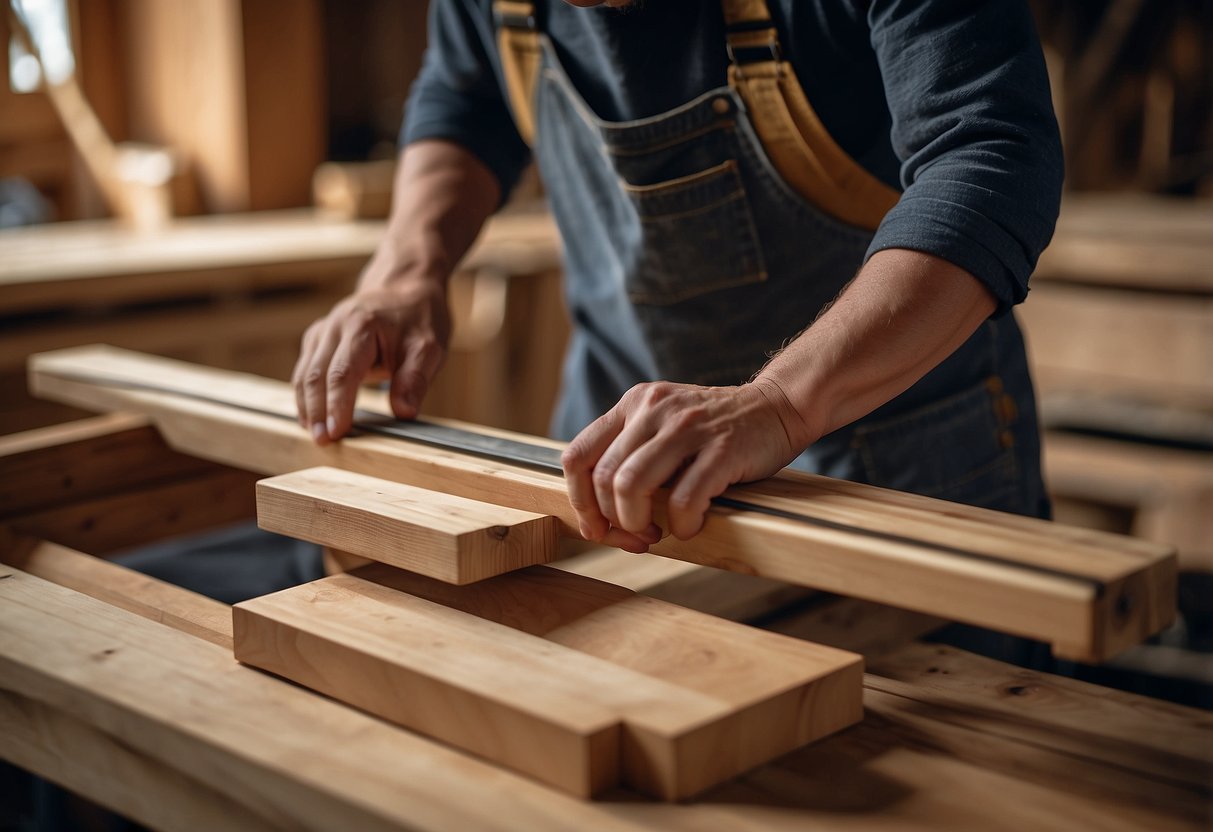
Sashimono furniture is known for its intricate wooden joinery methods that allow for the creation of sturdy and beautiful pieces without the use of nails or metal fittings. Traditional joinery techniques include hozo (mortises), tenons, and grooves that are precisely carved into the wood to create blind joints that are not visible from the surface.
Edo wood joinery, Kyo sashimono, and Osaka karaki sashimono are some of the most popular joinery techniques used in the production of sashimono furniture. These techniques involve the use of different joint types, such as butted joints, tongue and groove joints, flat braid joints, and box joints, to create unique and functional designs.

Selection of Timber and Finishing
The selection of timber is an important aspect of sashimono furniture making. The most commonly used woods include paulownia, zelkova, cypress, bamboo, and mulberry. These woods are chosen for their durability, strength, and aesthetic appeal.
After selecting the appropriate wood, the carpenter cuts and carves the wood using traditional hand tools such as chisels, saws, and planes. Once the pieces are assembled, they are finished with lacquer or monosashi, a traditional Japanese wood finish that is made from natural oils and resins.
Tools and Measurements
Sashimono furniture making requires precision and accuracy in measurements. Carpenters use a variety of tools such as rulers, squares, and compasses to ensure that each piece of wood is cut and carved to the correct size and shape.
In addition to hand tools, modern sashimono carpenters also use power tools such as drills and saws to speed up the process while maintaining the precision and quality of the final product.
Overall, sashimono furniture making is a highly skilled and intricate process that involves a deep understanding of wood joinery, selection of timber, tools, and measurements. The end result is a beautiful and functional piece of furniture that can last for generations.
Frequently Asked Questions

How can one identify authentic sashimono craftsmanship?
Authentic sashimono craftsmanship can be identified by the intricate and seamless joinery used in the construction of the furniture. Sashimono pieces are typically constructed without the use of nails, relying instead on precise cuts and joints to hold the pieces together. The wood used in sashimono pieces is also of high quality and is often left untreated, allowing the natural beauty of the wood to shine through.
What are the typical costs associated with purchasing sashimono pieces?
The cost of sashimono pieces can vary greatly depending on the size, complexity, and quality of the piece. Handcrafted sashimono pieces can be quite expensive, with prices ranging from hundreds to thousands of pounds. However, there are also mass-produced sashimono pieces available at more affordable prices.
Where can one find literature or books about the art of sashimono woodworking?
There are several books and resources available that provide information about the art of sashimono woodworking. These resources can be found at local libraries, bookstores, and online retailers. Additionally, there are workshops and classes available that provide hands-on instruction in sashimono woodworking.
Can sashimono furniture be considered a good investment for home decor?
Sashimono furniture can be considered a good investment for home decor, as the pieces are often timeless in their design and construction. Additionally, handcrafted sashimono pieces can appreciate in value over time, making them a worthwhile investment for collectors and enthusiasts.
What are the characteristics that distinguish sashimono furniture from other styles?
Sashimono furniture is distinguished by its intricate joinery, which is often not visible from the surface of the piece. Additionally, sashimono pieces are typically constructed without the use of nails, relying instead on precise cuts and joints to hold the pieces together. The wood used in sashimono pieces is also of high quality and is often left untreated, allowing the natural beauty of the wood to shine through.
How has the tradition of sashimono woodworking evolved over the years?
The tradition of sashimono woodworking has evolved over the years to incorporate modern techniques and materials while still maintaining the traditional methods of construction. Additionally, there has been a renewed interest in sashimono woodworking in recent years, with many artisans and craftsmen working to preserve and promote the art form.