Refinishing Wood Furniture: A Guide to Restoring Your Beloved Pieces
Refinishing wood furniture is a great way to give new life to old pieces that have lost their natural beauty over time. Whether you’re looking to update a family heirloom or just want to refresh your home decor, refinishing furniture can be a fun and rewarding DIY project. With a little bit of elbow grease and some basic supplies, you can transform your furniture into a stunning piece that you’ll be proud to display.

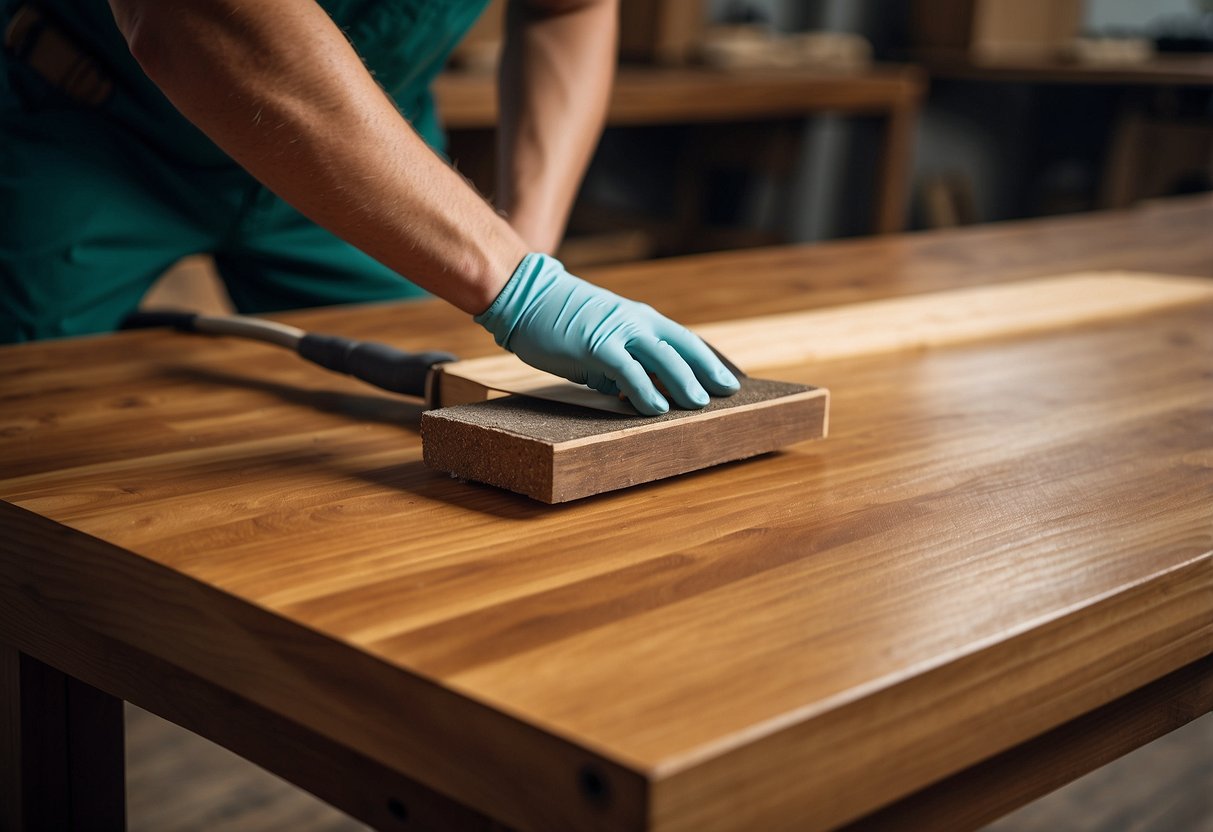
Before you get started, it’s important to prepare your furniture for refinishing. This involves removing the old finish, sanding the surface, and cleaning the piece thoroughly. Once your furniture is prepped, you can apply the new finish. There are many different finishes to choose from, including stains, paints, and varnishes. Each type of finish has its own unique look and feel, so it’s important to choose the one that best suits your style.
If you’re new to refinishing furniture, you may have some questions about the process. How long does it take? What supplies do you need? Can you refinish furniture without stripping it? Don’t worry – we’ve got you covered. In this article, we’ll walk you through the steps of refinishing wood furniture, from start to finish. We’ll also answer some frequently asked questions to help you get the best results possible.
Preparing Your Furniture for Refinishing
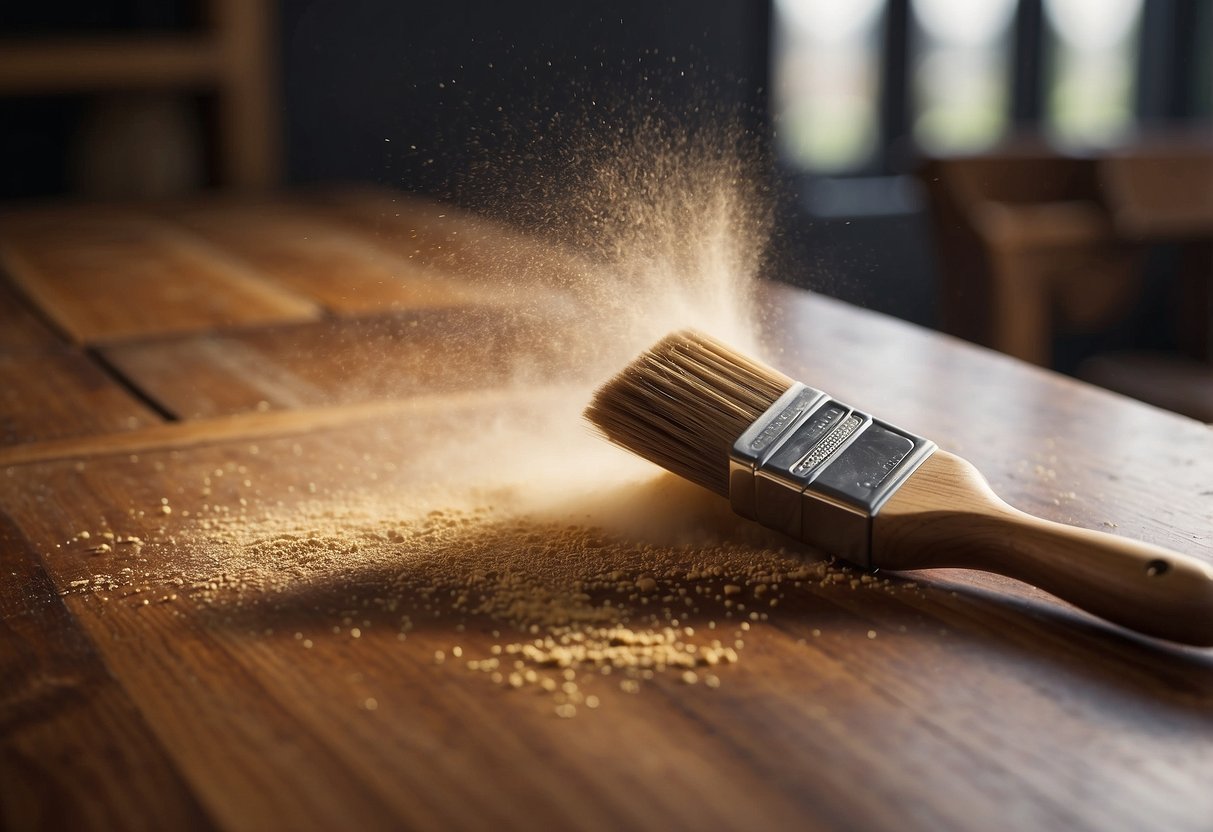
Before you start refinishing your wood furniture, it is vital to prepare it properly to ensure the best possible outcome. Here are some steps to follow:

Assessing the Furniture’s Condition
Check the furniture for any damage or scratches. If there are scratches, use wood putty to fill them. Allow the putty to dry before sanding it down with sandpaper. Assess the furniture’s current finish. If it is in good condition, you can skip the stripping step and move straight to cleaning and sanding. However, if the finish is flaking or peeling, you will need to strip it off completely.
Stripping the Old Finish
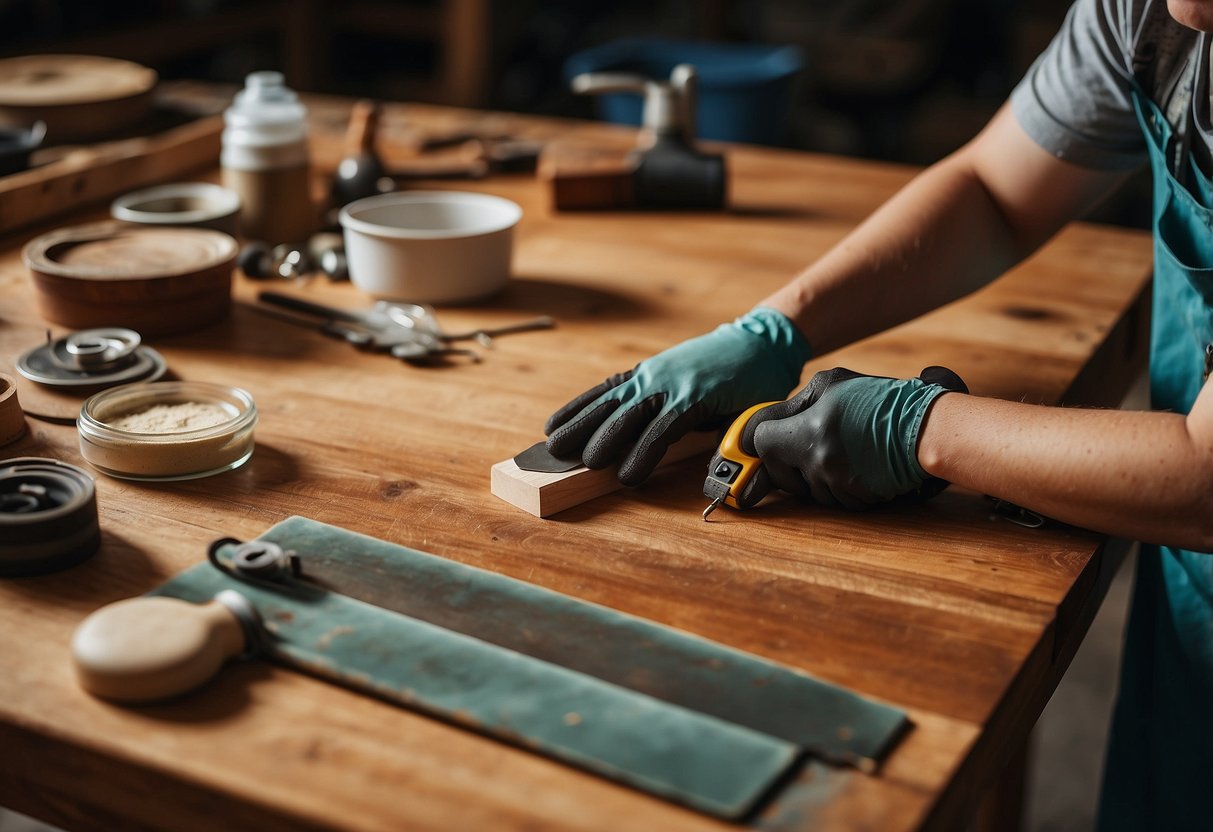
To strip the old finish, you can use chemical strippers or a paint scraper. Chemical strippers are effective but can be messy and require protective gloves. Apply the stripper with a brush and leave it for the recommended time. Once the finish has lifted, use a scraper to remove it. If you prefer not to use chemical strippers, a paint scraper can also be used. Hold the scraper at a 45-degree angle and scrape the finish off. Be careful not to scratch the wood.
Cleaning and Sanding the Surface
Once the old finish has been removed, clean the surface with a sponge and dish soap to remove any dirt and grime. Rinse with clean water and wipe dry with a clean rag. Allow the furniture to dry completely. Sand the surface with sandpaper or a sander, starting with a coarse grit and working towards a finer grit. This will smooth out any scratches and prepare the surface for staining. Use a clean rag to wipe away any dust or residue.
In conclusion, proper preparation is key to a successful furniture refinishing project. Assess the furniture’s condition, strip the old finish if necessary, and clean and sand the surface. By following these steps, you’ll be on your way to giving your old furniture a new lease of life.
Applying the Finish
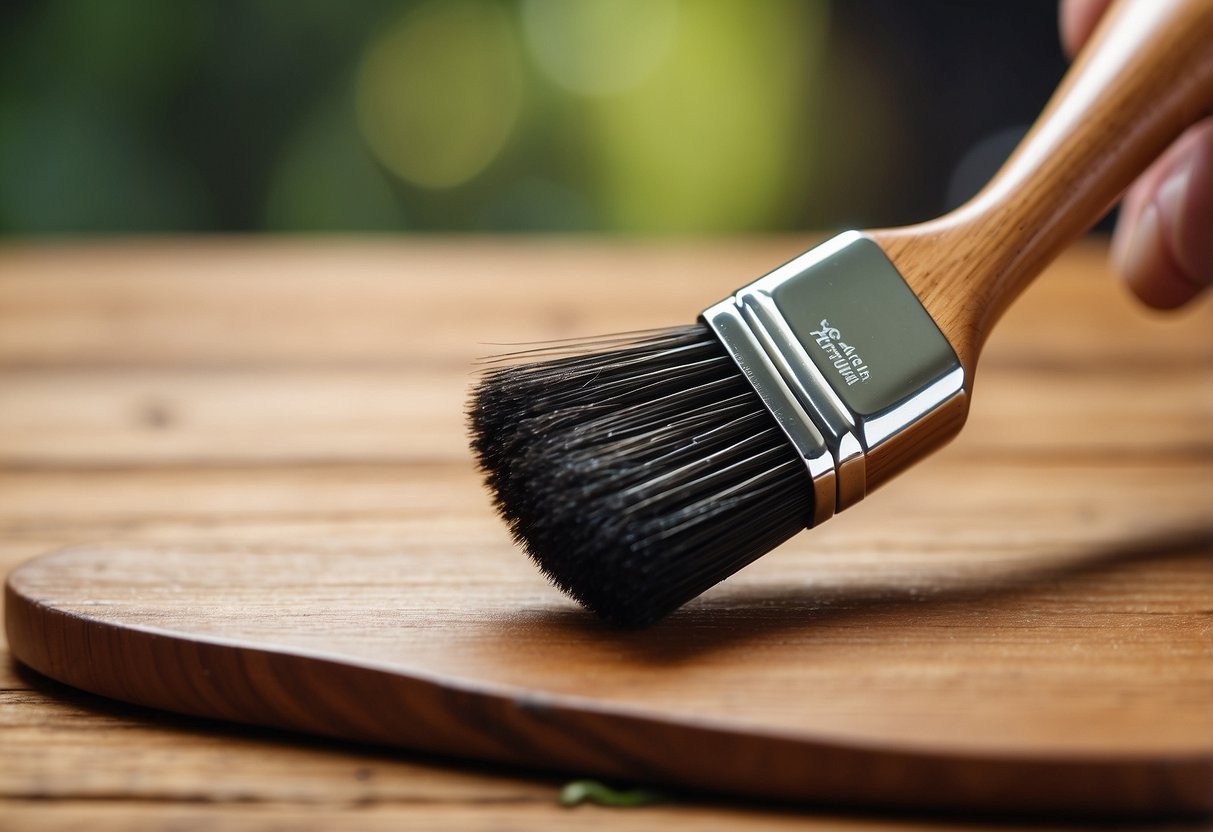
Once you have sanded down your furniture and removed any excess dust, it’s time to apply the finish. This is where you can really make your furniture shine and bring out the natural beauty of the wood. Here are some tips to help you achieve a professional-looking finish.
Choosing the Right Stain or Paint
Before you start staining or painting your furniture, you need to choose the right product for the job. If you want to highlight the natural grain of the wood, a stain is a good option. There are many different types of stain available, including oil-based and water-based options. If you’re looking to paint your furniture, make sure you choose a paint that is suitable for wood and that will provide a durable finish.

Staining and Sealing the Wood
To apply the stain, use a paintbrush or foam brush and apply the stain in the direction of the grain. Be careful not to apply too much stain, as this can result in an uneven finish. If you do apply too much stain, use a plastic scraper to remove any excess. Once you have applied the stain, let it dry for the recommended amount of time before applying a clear coat or sealer. A polyurethane or varnish is a good option for providing a durable finish.
Adding the Final Touches
Once your furniture is stained and sealed, you can add some final touches to really make it shine. If you want a satin finish, you can use a paste wax to polish the surface. Make sure you apply the wax in a thin, even layer and buff it with a soft cloth. If you have painted your furniture, you can use a clear coat to protect the paint and provide a durable finish.
Remember to work in a well-ventilated area and wear eye protection when using any chemicals. If you’re unsure about how to apply the finish, start with a small, inconspicuous area and test the product before applying it to the entire piece of furniture. With a little bit of patience and some attention to detail, you can achieve a professional-looking finish on your DIY furniture restoration project.
Frequently Asked Questions
How can one refinish old wooden furniture?
Refinishing old wooden furniture involves stripping off the old finish, sanding the surface, and applying a new finish. The process can be time-consuming, but it’s worth the effort to restore the furniture’s original beauty.
What are the best products to use for furniture refinishing?
There are many great products for refinishing furniture, but some of the top-rated ones include Minwax Wood Finish, General Finishes Gel Stain, and Rust-Oleum Ultimate Wood Stain. It’s important to choose a product that suits your needs and the type of wood you’re working with.
Is it worthwhile to refinish wood furniture?
Refinishing wood furniture is a great way to give new life to old pieces. It can also be a budget-friendly and eco-friendly option compared to purchasing new furniture. Refinishing allows you to keep the sentimental value of a piece while updating its look to fit your current style.
Can you give tips for refinishing furniture for beginners?
Preparation is key when refinishing furniture. Start by cleaning and degreasing the surface before sanding. Use a fine-grit sandpaper to avoid damaging the wood. Apply a wood conditioner before staining to ensure an even finish. Always work in a well-ventilated area and wear protective gear.
How does one refinish wood furniture using paint?
Refinishing wood furniture using paint involves sanding the surface, priming it with a suitable primer, and applying paint. Use a high-quality paintbrush or a sprayer for a smooth finish. It’s important to choose a paint that is suitable for wood furniture and to apply multiple thin coats for the best results.
What’s the difference between refinishing and restoring furniture?
Refinishing involves stripping off the old finish, sanding the surface, and applying a new finish. Restoring involves repairing any damage to the furniture, such as replacing missing parts or fixing broken joints, before refinishing. Restoring is a more involved process but can result in a piece that is closer to its original condition.