Prison Furniture: A Guide to Safe and Secure Designs
If you’ve ever wondered about prison furniture, you’re not alone. When it comes to designing and selecting furniture for correctional facilities, there are many factors to consider. Safety, security, durability, and comfort are all essential considerations when choosing prison furniture.

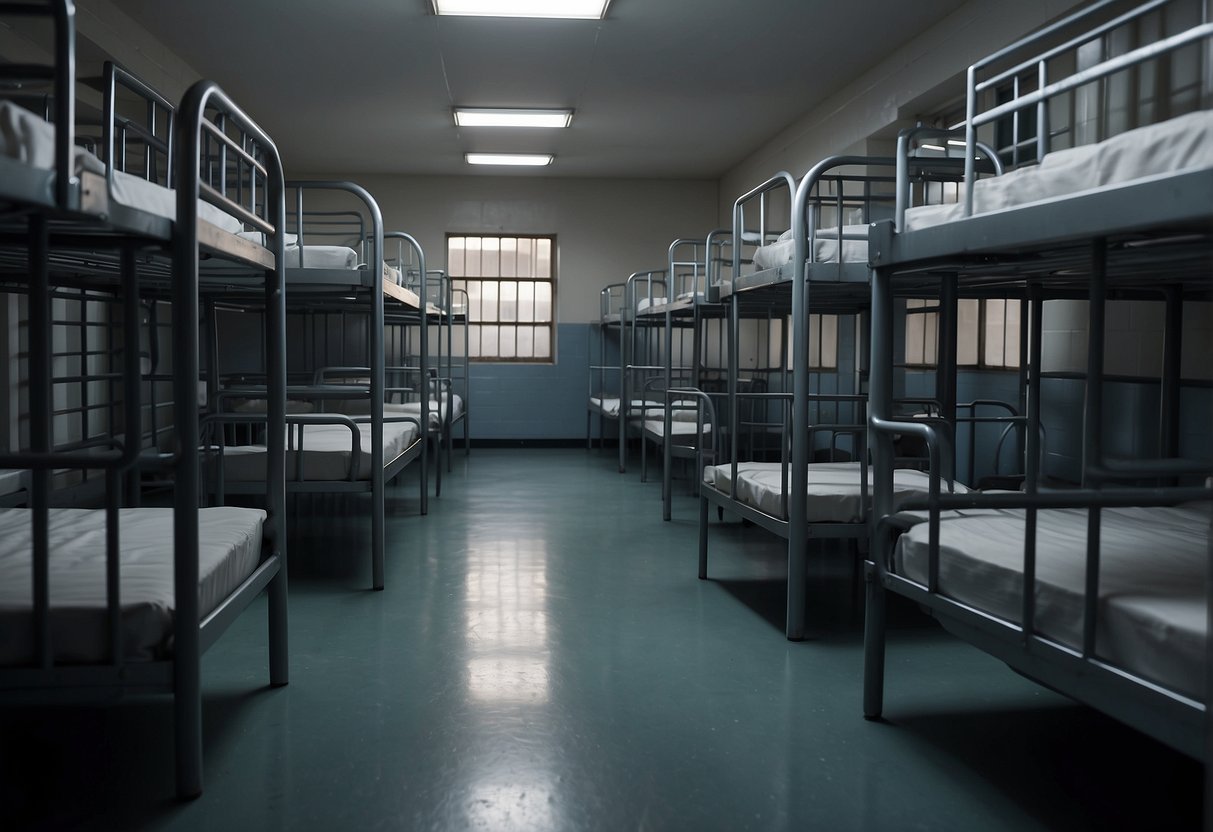
Designing prison furniture requires a unique set of considerations. The furniture must be designed to prevent contraband risk, weaponization, and infection control. It must also be easy to clean and sanitize. Additionally, the furniture must be durable enough to withstand heavy use and abuse.
When it comes to selecting prison furniture, there are many product types and applications to choose from. From cell furniture to dayroom furniture, there are many options available to meet the unique needs of each correctional facility. Whether you’re looking for prison bunks, benches, chairs, or wall systems, there is a wide variety of institutional furniture available to meet your needs.
Key Takeaways
- Prison furniture must be designed with safety, security, durability, and comfort in mind.
- Design considerations for prison furniture include preventing contraband risk, weaponization, and infection control.
- Product types and applications for prison furniture include cell furniture, dayroom furniture, and more.
Design Considerations for Prison Furniture
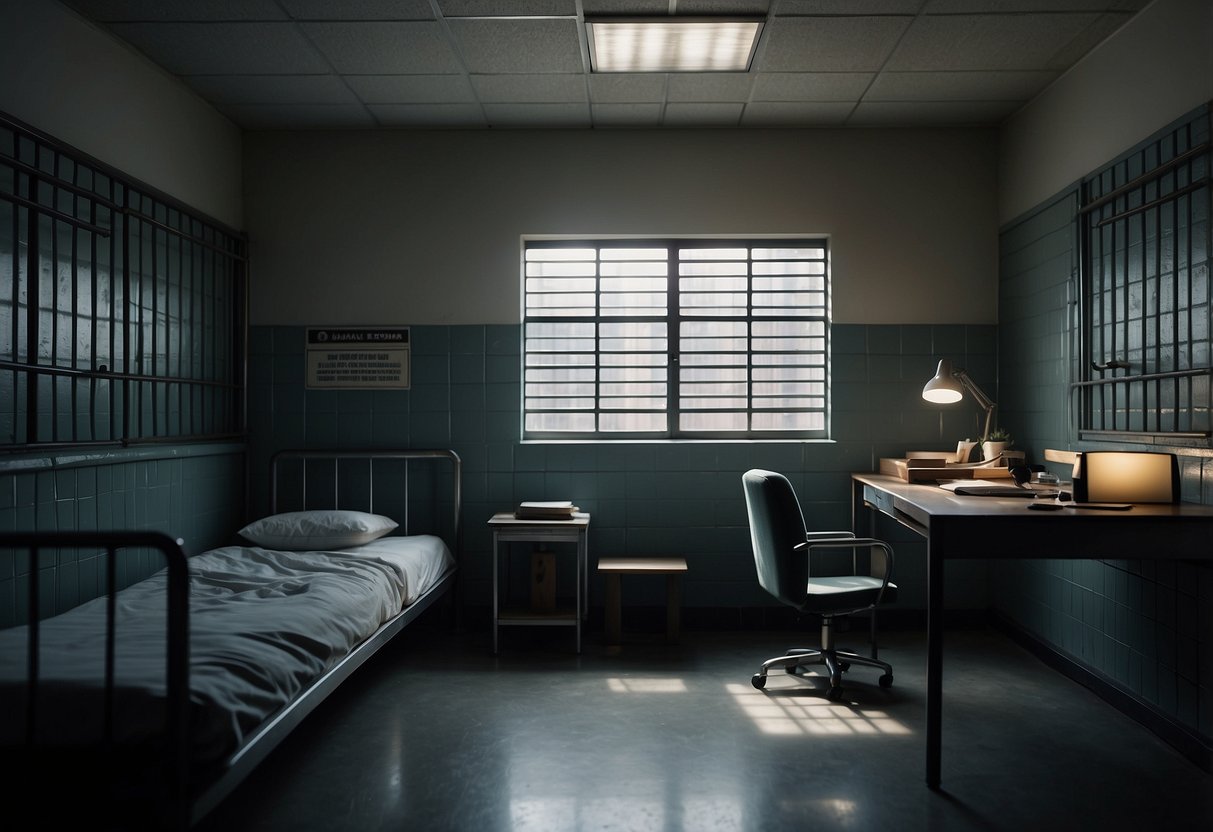
When it comes to designing prison furniture, there are several factors to consider to ensure that it is suitable for use in correctional facilities. In this section, we’ll discuss some of the key design considerations for prison furniture.

Material and Durability
Prison furniture must be durable and able to withstand challenging environments. The furniture should be made of materials that are impact-resistant, maintenance-free, and able to withstand wear and tear. Stainless steel, Herculite polymer, and structural polymer composite are some of the materials commonly used for prison furniture. These materials are durable and long-lasting, making them ideal for use in correctional facilities.
Safety and Security Features
Safety and security are key considerations when designing prison furniture. The furniture should be designed in such a way that it cannot be used as a weapon or to aid in escape attempts. Anti-ligature furniture is designed to prevent inmates from using the furniture to harm themselves or others. Additionally, the furniture should be designed to prevent contraband from being hidden inside it.
Prison furniture should also be designed with safety in mind. It should be made of materials that do not emit toxic fumes and should be compliant with flammability regulations. Max-secure security systems and pick-proof perimeter sealants are also important features to consider.
Comfort and Rehabilitation
While safety and security are important considerations, it’s also important to design prison furniture with comfort and rehabilitation in mind. Inmates spend a significant amount of time in their cells, so it’s important to provide furniture that promotes a healthy sleeping pattern and is comfortable to use.
Dayroom furniture and behavioral health furniture should also be designed with comfort and rehabilitation in mind. These pieces of furniture should be comfortable to use and promote positive behavior among inmates.
By considering these design factors, you can ensure that the prison furniture you choose is suitable for use in correctional facilities. Working with justice architects and institutional furniture experts can help you select the right furniture and accessories for your facility.
Product Types and Applications
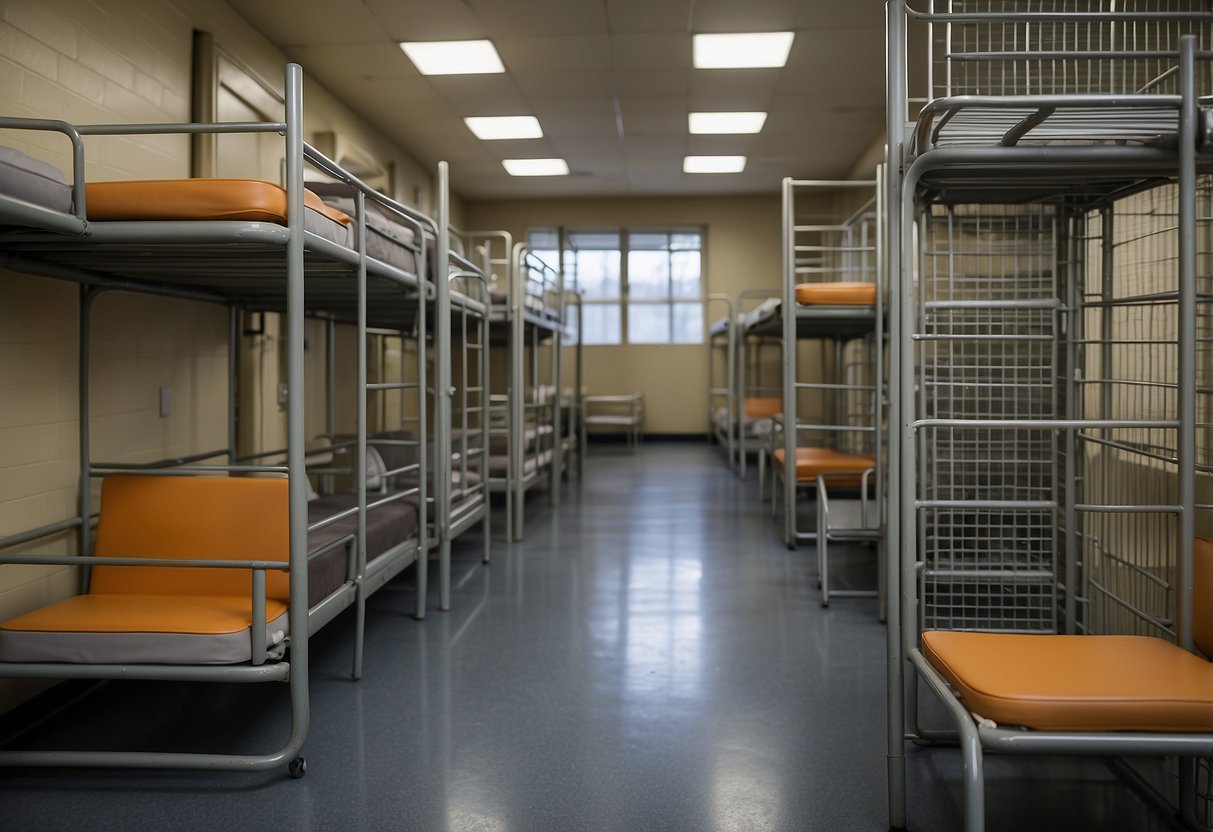
Furniture for Continuous Use
When it comes to correctional facilities, furniture that is built to last is crucial. Institutional-grade products are designed to withstand the wear and tear of continuous use, and are often required to meet national and state fire codes.
Jail administrators and maintenance staff need to be confident in the performance of the furniture they purchase. Norix, for example, offers a 10-year installation warranty and has a zero-failure installation record. This means that you can rely on their products to last and perform well, even in challenging environments.

One important consideration for furniture in correctional facilities is sleep deprivation. Inmates who are unable to sleep due to uncomfortable or inadequate bedding can become agitated and more difficult to manage. Prison beds and mattresses need to be designed to provide a comfortable sleeping surface while also being durable and easy to clean.
Specialised Furniture for Different Areas
Different areas of a correctional facility require different types of furniture. For example, visitation areas need seating that is secure and comfortable for visitors, while also being resistant to tampering. Dining tables need to be sturdy and easy to clean, while also being able to accommodate a large number of people.
Cell furniture, such as chairs and tables, needs to be designed to prevent injury and tampering. For example, corner-mounted furniture can reduce the risk of injury from sharp edges. Sanitation is also an important consideration, with furniture needing to be easy to clean and resistant to damage from cleaning agents.
Performance testing is an important part of ensuring that correctional furniture meets the necessary standards. Norix, for example, tests their furniture to ensure that it can withstand heavy use and abuse, including impact and weight testing.
Overall, specialised furniture for correctional facilities needs to be designed to meet the unique requirements of these environments. By choosing high-quality, durable furniture that is designed for continuous use, you can ensure that your facility is safe and comfortable for both inmates and staff.
Frequently Asked Questions
How is furniture designed to ensure safety in correctional facilities?
Furniture used in correctional facilities is designed with safety in mind. It is made from durable materials that are resistant to breakage and tampering. The furniture is also designed to be non-removable, which means that it cannot be used as a weapon or to aid in an escape attempt. Additionally, the furniture is designed to be easy to clean and maintain, which helps to prevent the spread of germs and disease.
What are the leading companies that specialize in manufacturing detention furniture?
There are several leading companies that specialize in manufacturing detention furniture. These include Max-Secure, Norix, and Correction Enterprises. These companies offer a wide range of furniture options that are designed specifically for use in correctional facilities. They also offer customization options to meet the unique needs of each facility.
In what ways is juvenile detention furniture tailored to meet specific needs?
Juvenile detention furniture is designed to be age-appropriate and to meet the unique needs of young offenders. The furniture is often smaller in size and designed to be less intimidating than furniture used in adult facilities. Additionally, the furniture is designed to be durable and resistant to tampering, while also being easy to clean and maintain.
Can inmates be involved in the production of furniture for their own facilities?
In some cases, inmates may be involved in the production of furniture for their own facilities. This can provide them with valuable skills and job training, which can help to reduce recidivism rates. However, strict safety protocols must be in place to ensure that the furniture is not used as a weapon or to aid in an escape attempt.
What are the latest trends in the design of modern correctional facility furnishings?
Modern correctional facility furnishings are designed to be more comfortable and less institutional than in the past. They are also designed to be more visually appealing, with a focus on creating a more welcoming and less intimidating environment for inmates. Additionally, there is a growing trend towards using sustainable materials in the production of correctional facility furnishings.
How are technology products, like tablets, integrated into prison environments?
Technology products like tablets are increasingly being integrated into prison environments. They can be used for educational purposes, to provide access to legal resources, and to help inmates stay connected with their families. However, strict security protocols must be in place to prevent the tablets from being used for illicit purposes, such as communicating with other inmates or accessing illegal content.