

Peranakan Furniture: A Blend of Chinese and Malay Cultural Heritage
Peranakan furniture is a unique style that has its roots in the Peranakan culture of Southeast Asia. This style of furniture is known for its intricate designs and bright colours, and it has become increasingly popular in recent years. If you are interested in Peranakan furniture, this article will provide you with an introduction to the topic, including its historical significance and cultural influence, as well as contemporary Peranakan furniture and decor.
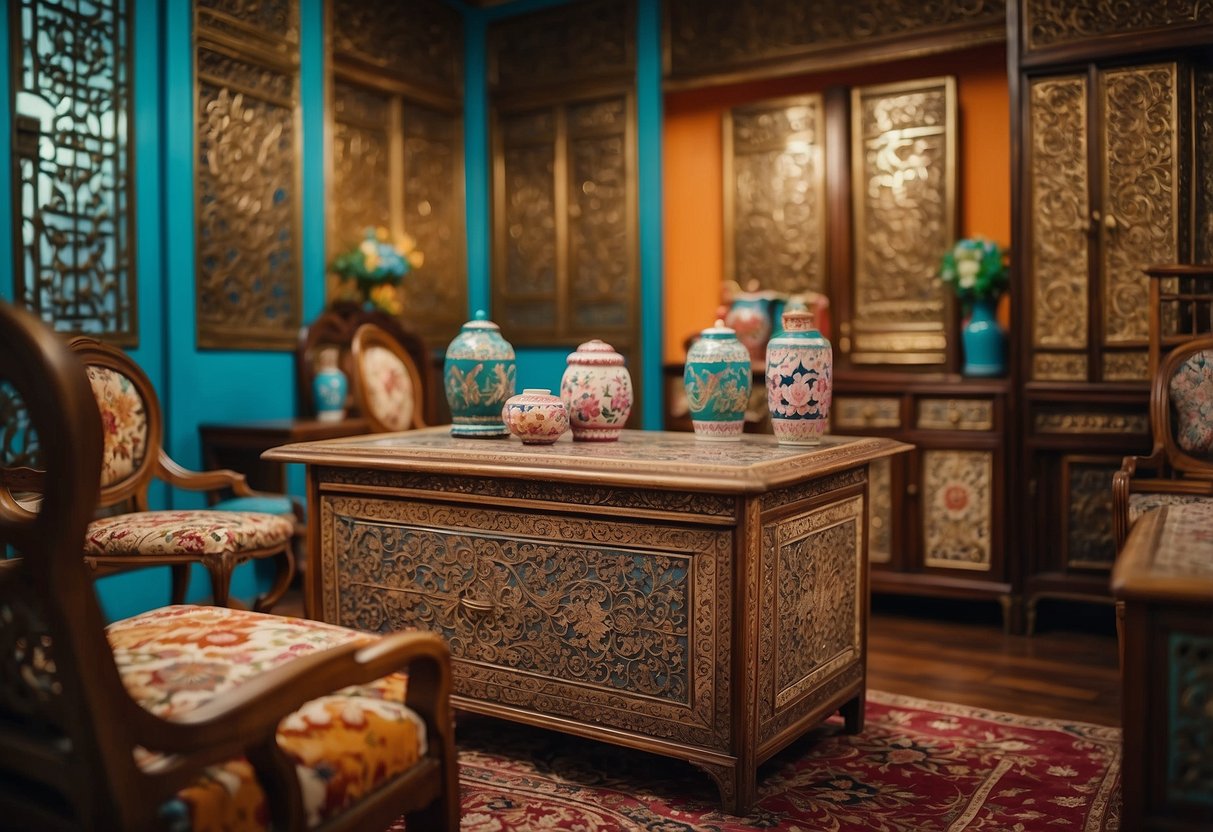
The Peranakan culture is a mix of Chinese, Malay, and other Southeast Asian influences, and it has a rich history that dates back to the 15th century. Peranakan furniture is an important part of this culture, and it reflects the unique blend of styles and traditions that make up the Peranakan community. From ornate cabinets and tables to intricately carved chairs and sofas, Peranakan furniture is known for its attention to detail and craftsmanship.
Whether you are a collector of antiques or simply looking to add some colour and character to your home, Peranakan furniture is a great choice. With its rich history and cultural significance, this style of furniture is sure to add a touch of heritage and tradition to any space. So, if you are interested in learning more about Peranakan furniture, read on to discover everything you need to know.

Key Takeaways
- Peranakan furniture is a unique style that reflects the blend of Chinese, Malay, and other Southeast Asian influences that make up the Peranakan culture.
- This style of furniture is known for its intricate designs and bright colours, and it has a rich history that dates back to the 15th century.
- Whether you are a collector of antiques or simply looking to add some colour and character to your home, Peranakan furniture is a great choice that will add a touch of heritage and tradition to any space.
Historical Significance and Cultural Influence
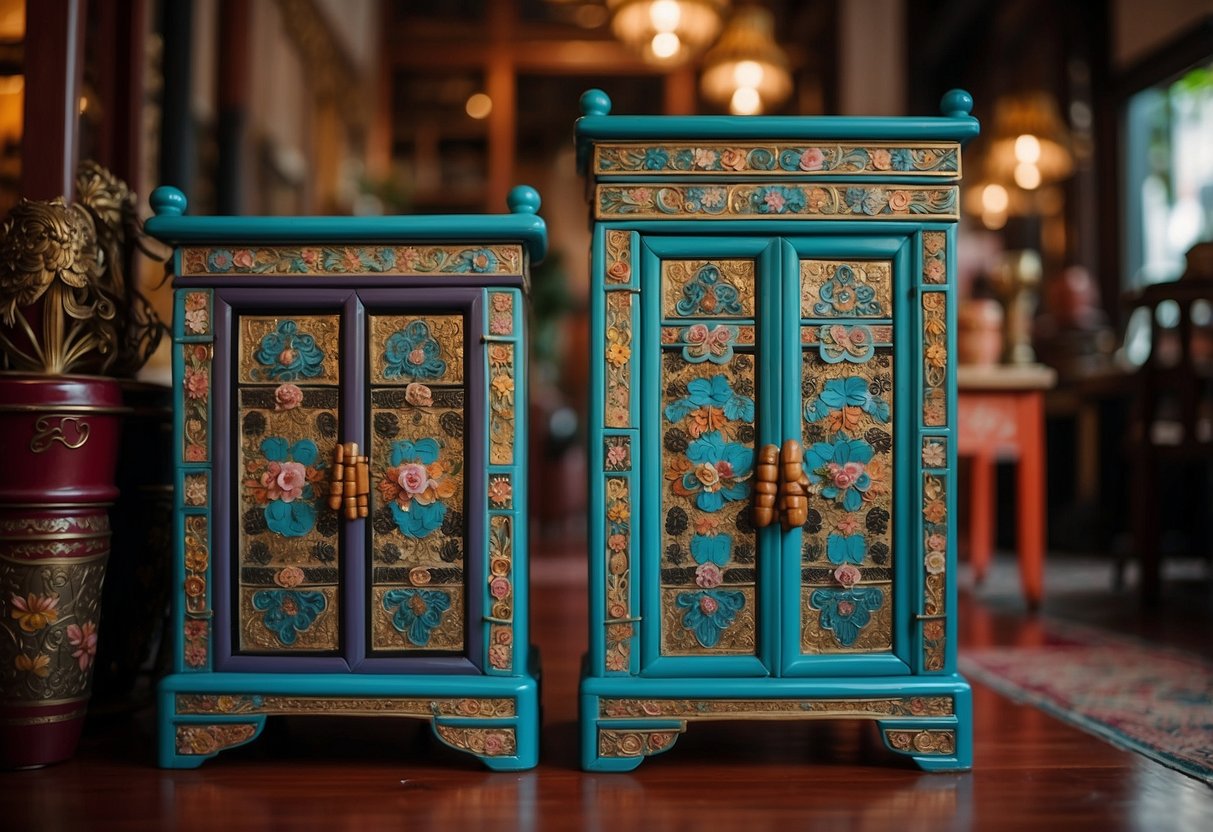
Evolution of Peranakan Furniture
Peranakan furniture has a rich history that dates back to the 15th century when Chinese immigrants began settling in Malaya, now known as Peninsular Malaysia and Singapore. Over time, the Peranakan people developed their own unique style of furniture, which was heavily influenced by Chinese and local Malay styles.

Peranakan furniture was typically made of hard, dark woods, such as teak and rosewood. The furniture was often inlaid with ivory, mother-of-pearl, or patterned with lighter woods on top. Marble slabs were also commonly used in furniture design. The intricate details and textures of Peranakan furniture were a reflection of the Peranakan people’s love for beauty and their appreciation for the finer things in life.
Peranakan Interior Design Aesthetics
Peranakan interior design is a fusion of Chinese, Malay, and European influences, resulting in a unique and vibrant style that is instantly recognisable. The Peranakan people believed that decorating their homes with colourful tiles, batik, beadwork, and embroidery would bring longevity, wealth, and prosperity to their families.
Peranakan shophouses are a prime example of the Peranakan people’s love for vibrant colours and intricate details. The Late Shophouse Style of 1900-1940 features the iconic Peranakan tiles that decorate the walls and floors of a shophouse. The tiles were believed to bring good luck and fortune to the family. Today, many of these shophouses have been preserved and converted into museums, such as the Peranakan Museum in Singapore.
Peranakan interior design continues to be popular today, with many Singapore homes featuring a mix of traditional Peranakan design and modern aesthetics. The timeless allure of Peranakan design lies in its ability to infuse spaces with a sense of history and cultural significance, while also offering a fresh and modern aesthetic that resonates with today’s homeowners.
In conclusion, Peranakan furniture and interior design are a testament to the Peranakan people’s rich heritage and cultural influence. The combination of cultures, vibrant colours, and intricate details make Peranakan design a truly unique and timeless style that continues to inspire and captivate people today.
Contemporary Peranakan Furniture and Decor
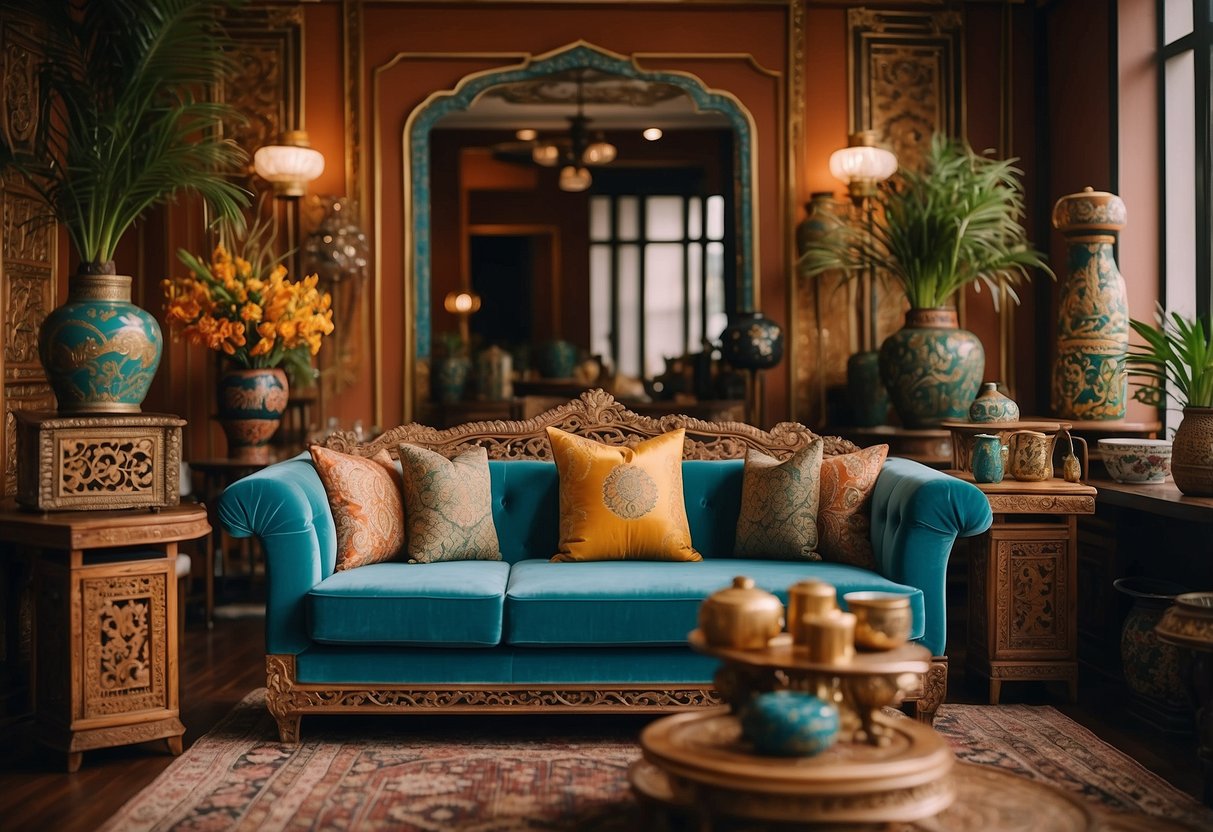
If you’re looking to incorporate Peranakan elements into your modern home, there are plenty of options available to you. Here are some ideas to get you started:
Modern Adaptations and Designers
Several furniture designers have adapted traditional Peranakan designs to create modern pieces that still pay homage to the culture’s rich heritage. For example, the Straits Reflection and Magnetica Mixgrid collections by Peranakan Moderne feature sleek, contemporary storage units and mirrors that incorporate classic Peranakan motifs.
Other designers to check out include Ipse Ipsa Ipsum and Just Anthony, both of which offer a range of Peranakan-inspired furniture and decor items.
Incorporating Peranakan Elements in Modern Homes
When incorporating Peranakan elements into your modern home, it’s important to strike a balance between traditional and contemporary styles. One way to do this is to mix and match Peranakan furniture with modern pieces. For example, you could pair a traditional Peranakan cabinet with a sleek, modern sofa.
You can also experiment with bold colours and patterns, such as geometric shapes or metallic accents, to add a touch of glamour and sophistication to your space. Don’t be afraid to incorporate family heirlooms or antique pieces into your decor, either – they’ll add a sense of history and depth to your home.
Finally, consider incorporating Peranakan elements into unexpected spaces, such as the bathroom or terrace. Nyonyaware tableware, for example, can add a pop of colour to your dining table, while Peranakan-inspired lamps and consoles can lend a touch of elegance to your living room.
Overall, there are plenty of ways to incorporate Peranakan furniture and decor into your modern home. Whether you opt for sleek, contemporary pieces or traditional antiques, the key is to create a space that reflects your personal style and pays homage to the rich cultural heritage of the Peranakans.
Frequently Asked Questions
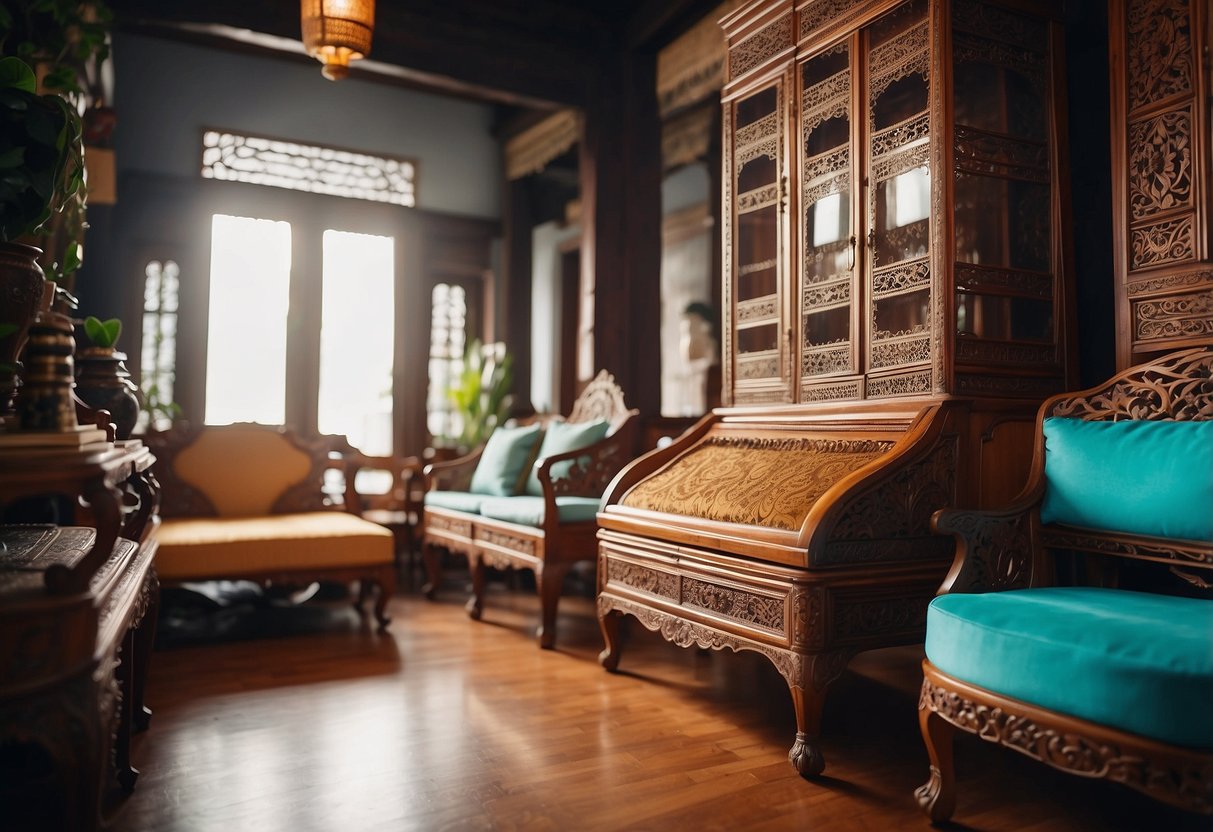
What distinguishes Peranakan furniture from other antique furniture?
Peranakan furniture is known for its intricate carvings and vibrant colours, which reflect the unique blend of Chinese and Malay cultures. The furniture is often made from tropical hardwoods such as teak and rosewood and features intricate motifs such as phoenixes, peonies, and dragons. Peranakan furniture is also known for its functional design, which incorporates hidden compartments and drawers for storage.
Where can one find authentic Peranakan furniture pieces for purchase?
Authentic Peranakan furniture pieces can be found in antique shops, auction houses, and online marketplaces. It is important to do your research and only purchase from reputable dealers to ensure the authenticity of the piece. You can also visit museums and cultural centres to learn more about Peranakan furniture and its history.
How can you identify an original Peranakan antique?
Authentic Peranakan antiques should have a history and provenance that can be traced back to the Peranakan community. Look for signs of wear and tear that are consistent with the age of the piece, such as cracks, scratches, and discolouration. You can also look for signatures or markings from the original craftsman or artist.
What role does furniture play in Peranakan culture and heritage?
Furniture plays a significant role in Peranakan culture and heritage, as it reflects the unique blend of Chinese and Malay traditions. Peranakan furniture is often passed down from generation to generation and is considered a family heirloom. It is also used to showcase the family’s wealth and status, as well as their appreciation for art and craftsmanship.
Can you share some tips on caring for and maintaining Peranakan furniture?
To care for and maintain Peranakan furniture, avoid placing it in direct sunlight or near sources of heat or moisture. Use a soft cloth to dust the furniture regularly and avoid using harsh chemicals or abrasive cleaners. If the furniture requires restoration or repair, seek the services of a professional restorer who has experience working with antique furniture.
What are the historical influences that shaped the design of Peranakan furniture?
Peranakan furniture is influenced by a variety of historical factors, including Chinese, Malay, and European design elements. The intricate carvings and motifs are influenced by Chinese traditions, while the use of tropical hardwoods and functional design are influenced by Malay traditions. European influence can be seen in the use of upholstery and decorative elements such as mirrors and clocks.