

Painted Bamboo Furniture: Adding a Pop of Colour to Your Home
Painted bamboo furniture can add a unique touch to your home decor. Bamboo is a lightweight and durable material that can be painted to match any style or colour scheme. Whether you’re looking to update an old piece of bamboo furniture or create a DIY project from scratch, painting bamboo furniture is a fun and easy way to add a personal touch to your home.
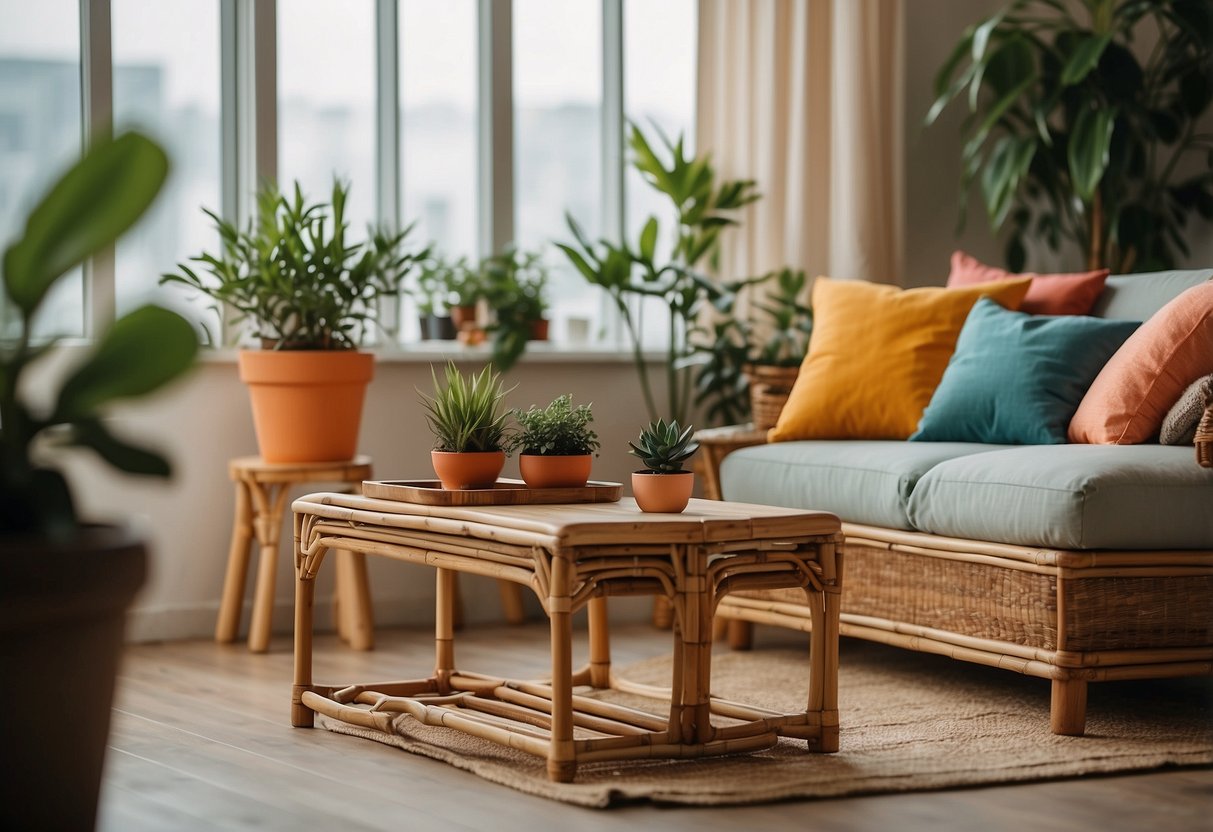
Before you start painting your bamboo furniture, it’s important to prepare the surface properly. This involves cleaning and sanding the bamboo to ensure a smooth and even finish. Once your bamboo furniture is prepped and ready to go, you can start painting using a variety of techniques and finishes. From spray paint to brush-on paint, there are many options to choose from when it comes to painting bamboo furniture.
In this article, we’ll guide you through the process of painting bamboo furniture, including preparing your furniture for painting, different painting and finishing techniques, and frequently asked questions about painting bamboo furniture. By the end of this article, you’ll have all the knowledge you need to create your own custom painted bamboo furniture that adds a unique touch to your home decor.

Key Takeaways
- Painting bamboo furniture can add a unique touch to your home decor.
- Properly preparing the surface of your bamboo furniture is essential for a smooth and even finish.
- There are many painting and finishing techniques to choose from when painting bamboo furniture.
Preparing Your Bamboo Furniture for Painting
Before you start painting your bamboo furniture, it is important to prepare the surface properly. This will ensure that the paint adheres well and the finish looks smooth and even. Here are the steps you need to follow:

Cleaning and Sanding
The first step is to clean the surface of your bamboo furniture. Use a microfiber cloth to remove any dust, dirt, or grime. If there are any stubborn stains, you can use a mild detergent and warm water to clean the surface. Make sure to dry the furniture thoroughly before proceeding.
Next, you need to sand the surface of the bamboo. This will help the paint adhere better and give you a smoother finish. Use fine-grit sandpaper (100-150 grit) to sand the surface in the direction of the grain. Be gentle and don’t sand too hard, as bamboo is a soft material and can be easily damaged. Once you’re done sanding, wipe the surface with a microfiber cloth to remove any dust.
Applying Primer
Before you start painting, it is recommended to apply a primer coat. This will help the paint adhere better and give you a more even finish. Choose a primer that is suitable for bamboo surfaces. You can find these at your local hardware store.
To apply the primer, lay your bamboo furniture on a drop cloth to protect your floor. Use a brush or roller to apply the primer in thin, even coats. Make sure to follow the manufacturer’s instructions and let the primer dry completely before proceeding.
Once the primer is dry, use fine-grit sandpaper again to lightly sand the surface. This will help smooth out any rough spots and prepare the surface for the final coat of paint. Wipe the surface with a microfiber cloth to remove any dust before proceeding to paint your bamboo furniture.
By following these simple steps, you can prepare your bamboo furniture for painting and achieve a beautiful, long-lasting finish.
Painting and Finishing Techniques
Choosing the Right Paint
When it comes to painting bamboo furniture, it’s important to choose the right type of paint. You can use either oil-based or water-based paint, but it’s recommended to use a paint that is specifically designed for bamboo or wood surfaces. Latex or acrylic paint works well for bamboo furniture, as it dries quickly and provides a smooth finish. If you want to use spray paint, make sure that it is suitable for use on bamboo furniture.
The Painting Process
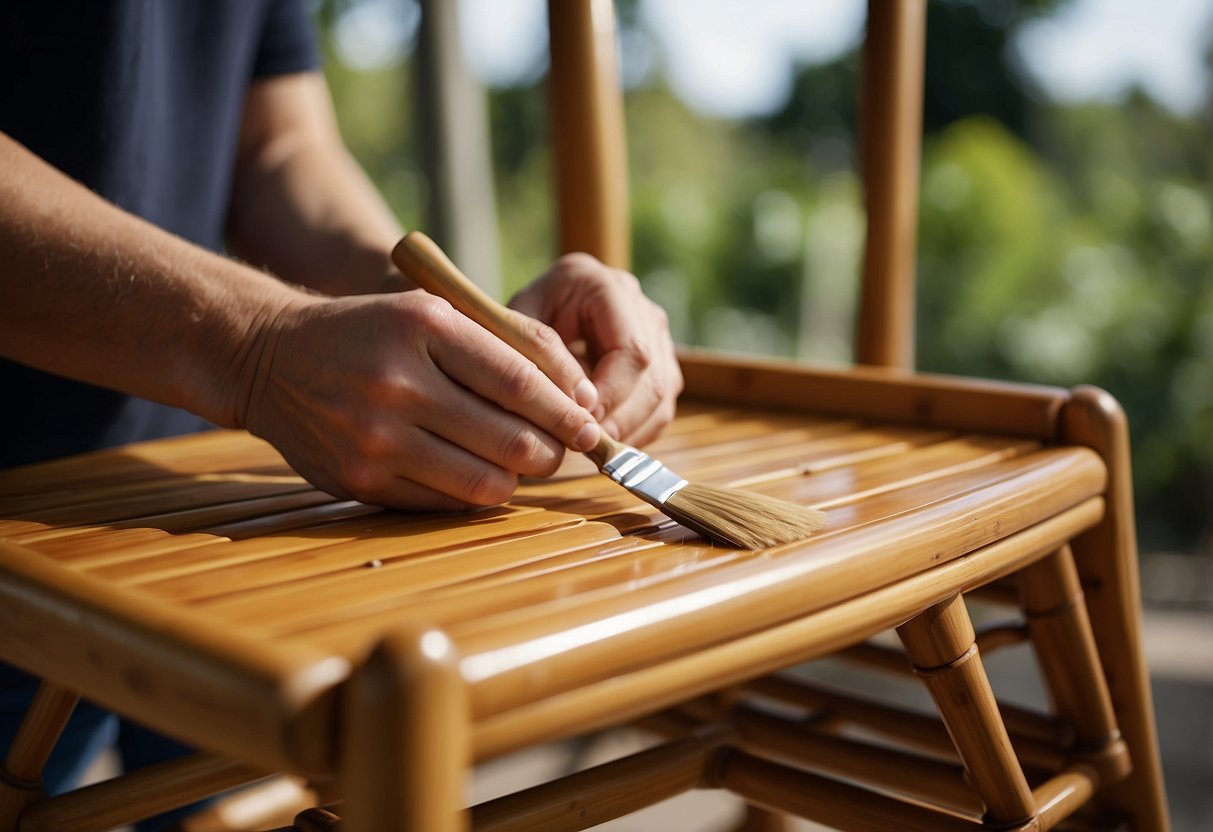
Before you start painting, make sure that the bamboo furniture is clean and free of dust. Sand the surface lightly to create a rough texture, which will help the paint adhere better. If you’re using a paintbrush, apply a coat of primer first, which will help the paint stick to the surface and prevent it from peeling or chipping. Apply the paint in thin, even coats, and let each coat dry completely before applying the next one. If you’re using spray paint, make sure to apply it in a well-ventilated area and wear gloves to protect your hands.
Applying Sealant for Durability
Once you’ve finished painting the bamboo furniture, it’s important to apply a clear sealant to protect the surface from moisture and wear and tear. You can use either a varnish or a clear coat of paint for this purpose. Oil-based paints and enamel paints provide a durable finish, but they take longer to dry and require more ventilation. Chalk paint is a popular choice for bamboo furniture, as it provides a matte finish and comes in a variety of vibrant colors. Make sure to apply the sealant in thin, even coats, and let each coat dry completely before applying the next one.
By following these simple painting and finishing techniques, you can transform your bamboo furniture and give it a new lease of life. Whether you’re using paint or spray paint, make sure to choose the right type of paint and apply it in thin, even coats. Applying a clear sealant will help to protect the surface and ensure that your newly painted bamboo furniture lasts for years to come.
Frequently Asked Questions
How can I update the look of my bamboo furniture with paint?
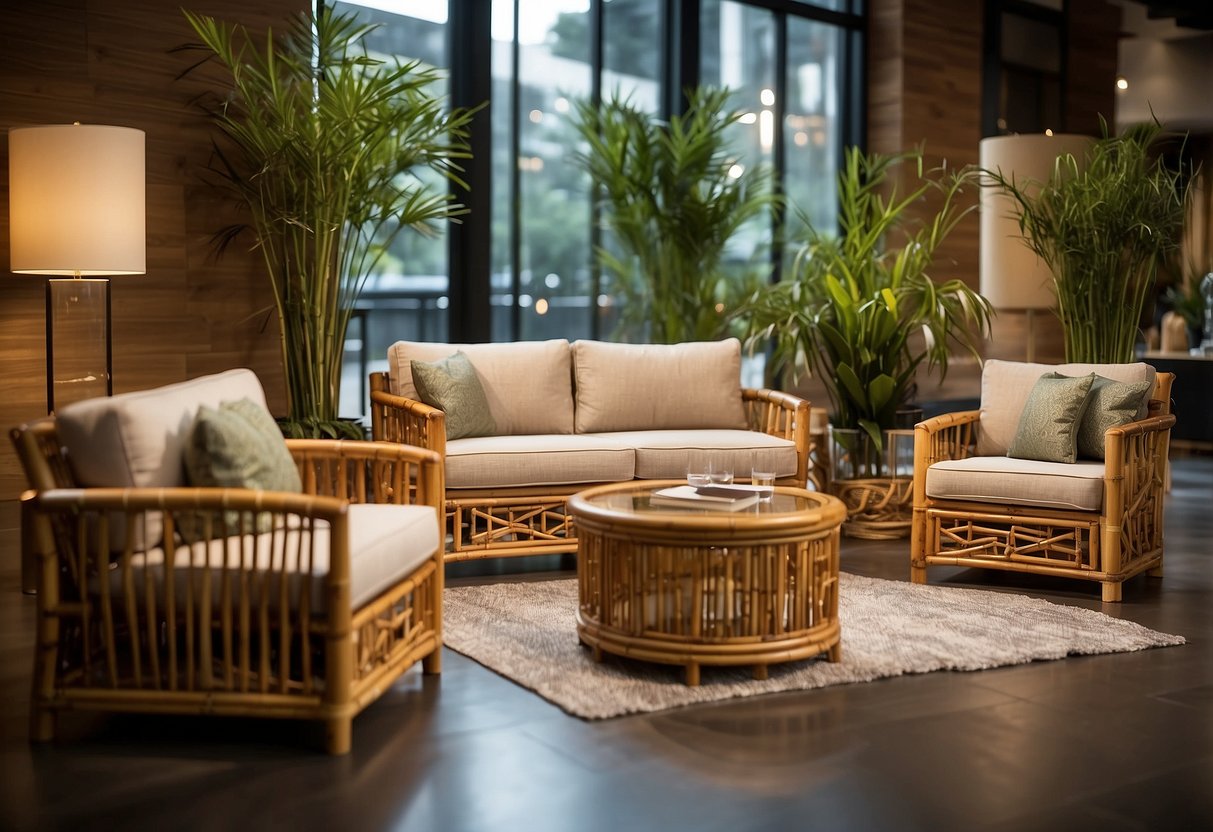
If you want to update the look of your bamboo furniture, painting it is a great option. To get started, you’ll need to clean the furniture thoroughly and sand it lightly to create a rough surface for the paint to adhere to. Then, choose a high-quality paint that is suitable for bamboo surfaces. Apply the paint in thin coats, allowing each coat to dry completely before applying the next one. Once you’ve painted the furniture, you can finish it with a clear sealant to protect the paint and give it a glossy finish.
What type of paint yields the best results on bamboo furniture?
The best type of paint for bamboo furniture is a high-quality acrylic paint. This type of paint is durable, long-lasting, and easy to apply. It also dries quickly, which is important when painting bamboo furniture. You can choose from a wide range of colours and finishes to suit your style and decor.
Is it necessary to sand bamboo furniture before painting?
Yes, it is necessary to sand bamboo furniture before painting it. Sanding helps to create a rough surface that the paint can adhere to. It also helps to remove any dirt, grime, or old paint that may be on the furniture. Use a fine-grit sandpaper to sand the furniture lightly, being careful not to sand too hard and damage the bamboo.
Can bamboo furniture be successfully painted to a white finish?
Yes, bamboo furniture can be successfully painted to a white finish. However, it can be challenging to achieve a smooth and even finish. To get the best results, you’ll need to choose a high-quality white paint that is suitable for bamboo surfaces. You’ll also need to apply several thin coats of paint, allowing each coat to dry completely before applying the next one. Sand lightly between each coat to create a smooth surface.
Are there any special techniques for spray painting bamboo furniture?
Yes, there are some special techniques for spray painting bamboo furniture. First, you’ll need to choose a high-quality spray paint that is suitable for bamboo surfaces. Then, you’ll need to prepare the furniture by cleaning it thoroughly and sanding it lightly. When spray painting, hold the can about 8-10 inches away from the furniture and spray in a sweeping motion. Apply several thin coats, allowing each coat to dry completely before applying the next one.
How does one care for bamboo furniture after it has been painted?
After you have painted your bamboo furniture, it’s important to take good care of it to ensure that the paint lasts as long as possible. To clean painted bamboo furniture, use a soft cloth or sponge and mild soap and water. Avoid using harsh chemicals or abrasive cleaners that can damage the paint. Also, avoid placing the furniture in direct sunlight or extreme temperatures, as this can cause the paint to fade or crack.