
Nursery Furniture Market: Trends and Growth Projections
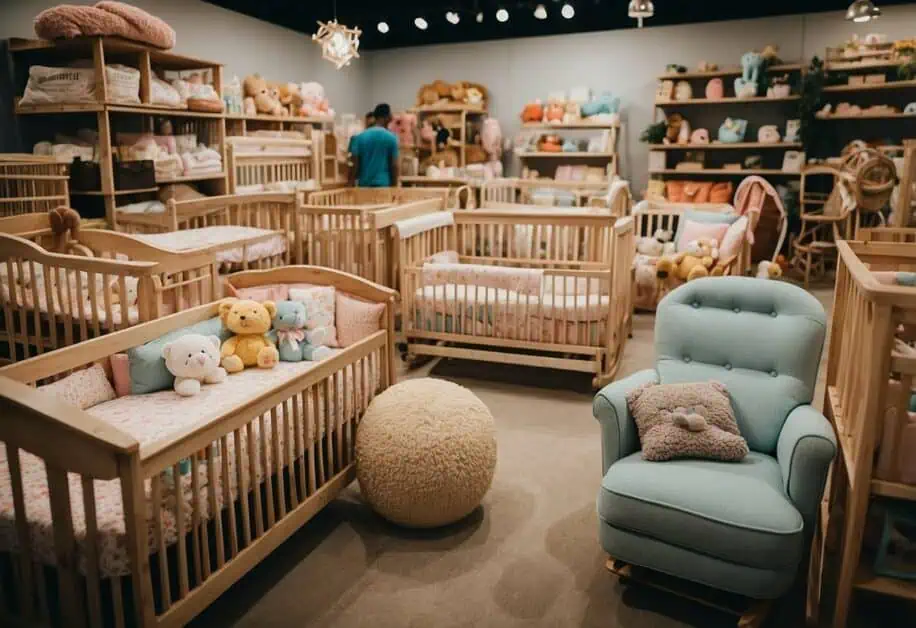
Are you expecting a new addition to your family? Are you in the process of designing or revamping a nursery? If so, you’ll need to consider the furniture that will make up this special space. The nursery furniture market is a thriving industry that caters to the needs of parents and caregivers who want to create a safe and comfortable environment for their little ones.
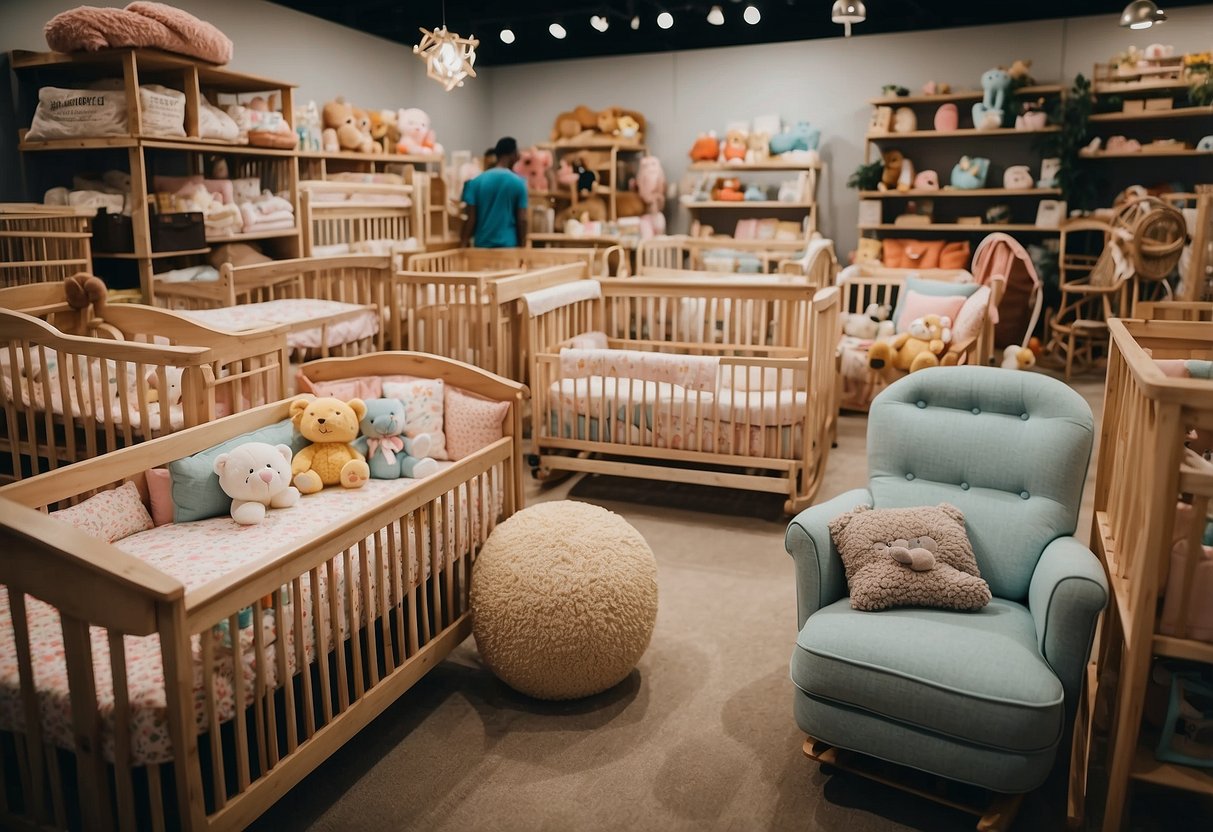
The market for nursery furniture includes a wide range of products, from cribs and changing tables to rocking chairs and storage solutions. As parents become more conscious of the safety and quality of the items they purchase for their children, the demand for well-made and eco-friendly furniture has increased. With so many options available, it can be overwhelming to navigate the market and make informed decisions about what to buy.
Key Takeaways
- The nursery furniture market offers a variety of products to help parents create a safe and comfortable environment for their children.
- As parents become more conscious of safety and quality, the demand for well-made and eco-friendly furniture has increased.
- With so many options available, it can be overwhelming to navigate the market and make informed decisions about what to buy.
Market Overview

When it comes to the nursery furniture market, there are a number of trends and factors that are driving growth and shaping the industry. In this section, we’ll take a closer look at the current state of the market, geographical insights, and segmentation and scope.

Current State of the Nursery Furniture Market
The nursery furniture market is expected to experience steady growth over the forecast period. According to recent market analysis, the market size is estimated to be around USD 45.25 billion in 2024 and is projected to reach USD 60.96 billion by 2029, growing at a CAGR of 6.14% during the forecast period (2024-2029).

Factors driving this growth include an increase in birth rates, rising disposable incomes, and a growing demand for high-quality, durable nursery furniture. Additionally, the rise of e-commerce and online shopping has made it easier for consumers to purchase nursery furniture from the comfort of their own homes.
Geographical Insights
The nursery furniture market is segmented into several key regions, including North America, Europe, Asia-Pacific, Latin America, and the Middle East and Africa. Currently, North America and Europe are the largest markets for nursery furniture, due in part to high birth rates and a strong demand for high-quality products.
Asia-Pacific is also a key market, with countries like China, Japan, and India experiencing significant growth in recent years. This can be attributed to a rise in disposable incomes and a growing middle class, which has led to an increase in demand for high-quality nursery furniture.
Segmentation and Scope
The nursery furniture market is segmented by type, application, and region. By type, the market is segmented into baby cribs, baby high chairs, baby bouncers, and others. By application, the market is segmented into residential and commercial.
In terms of region, the market is segmented into North America, Europe, Asia-Pacific, Latin America, and the Middle East and Africa. Each of these regions has its own unique set of trends and factors driving growth, making it important for companies to understand the nuances of each market in order to succeed.
Overall, the nursery furniture market is poised for steady growth in the coming years, driven by a number of factors including rising birth rates, increasing disposable incomes, and a growing demand for high-quality, durable products. By understanding the current state of the market, geographical insights, and segmentation and scope, companies can position themselves for success in this rapidly evolving industry.
Competitive Landscape
When it comes to the nursery furniture market, understanding the competitive landscape is crucial. This section will provide you with an overview of the key industry players, market dynamics and challenges, and strategic analysis.
Key Industry Players
The global nursery furniture market is highly competitive, with many companies vying for market share. Some of the major players in the industry include Ikea, Million Dollar Baby, Babyletto, Davinci, Delta, Graco, Nartart Juvenile, Lucky Baby, Flexa, Baby’s Dream, Bassett, Bellini, Child Craft Industries, Williams-Sonoma, Simmons, AFG Baby Furniture, and Pali.
Market Dynamics and Challenges
The nursery furniture market is driven by a number of factors, including disposable income, comfort, and the desire for high-quality products. However, there are also a number of challenges facing the industry, including increasing competition, changing market trends, and evolving consumer preferences.
Strategic Analysis
To succeed in the nursery furniture market, companies need to have a strong understanding of the market dynamics and challenges. This includes conducting a SWOT analysis, as well as a value chain analysis, to identify areas where they can improve their operations and gain a competitive edge.
In terms of market analysis, it is important to keep an eye on both regional and global trends, as these can have a significant impact on the industry. By monitoring the activities of competitors and staying up-to-date with the latest market research, companies can position themselves for success in the nursery furniture market.
Conclusion
In summary, the nursery furniture market is a highly competitive and dynamic environment, with many challenges and opportunities for companies looking to succeed. By understanding the key industry players, market dynamics and challenges, and strategic analysis, you can position yourself for success in this exciting and growing industry.
Frequently Asked Questions
What are the latest trends in nursery furniture design?
As parents become more design-conscious, nursery furniture has followed suit. The latest trends include modern, minimalist designs, gender-neutral colours and patterns, and multifunctional pieces that can grow with your child.
How has online shopping impacted the nursery furniture industry?
Online shopping has made it easier for parents to find and purchase nursery furniture from the comfort of their own homes. This has led to increased competition among retailers, which has resulted in lower prices for consumers. However, it is important to be cautious when making purchases online and to ensure that you are buying from a reputable retailer.
What safety standards should be considered when purchasing nursery furniture?
When purchasing nursery furniture, it is important to look for products that meet safety standards such as those set by the British Standards Institution (BSI) or the European Committee for Standardization (CEN). Look for labels or certifications that indicate compliance with these standards, and avoid products that have been recalled or have a history of safety issues.
What factors are driving the demand for baby furniture today?
The demand for baby furniture is being driven by several factors, including an increase in the number of births, a growing focus on child development and safety, and an increase in disposable income among parents. Additionally, parents are increasingly looking for furniture that is both functional and aesthetically pleasing.
How is sustainability being addressed in the production of nursery furniture?
Many manufacturers are now focusing on sustainability in the production of nursery furniture. This includes the use of eco-friendly materials, such as sustainable wood or recycled plastic, and reducing the environmental impact of production processes. Look for products that have been certified as environmentally friendly, such as those with the Forest Stewardship Council (FSC) label.
What are the most popular types of nursery furniture among new parents?
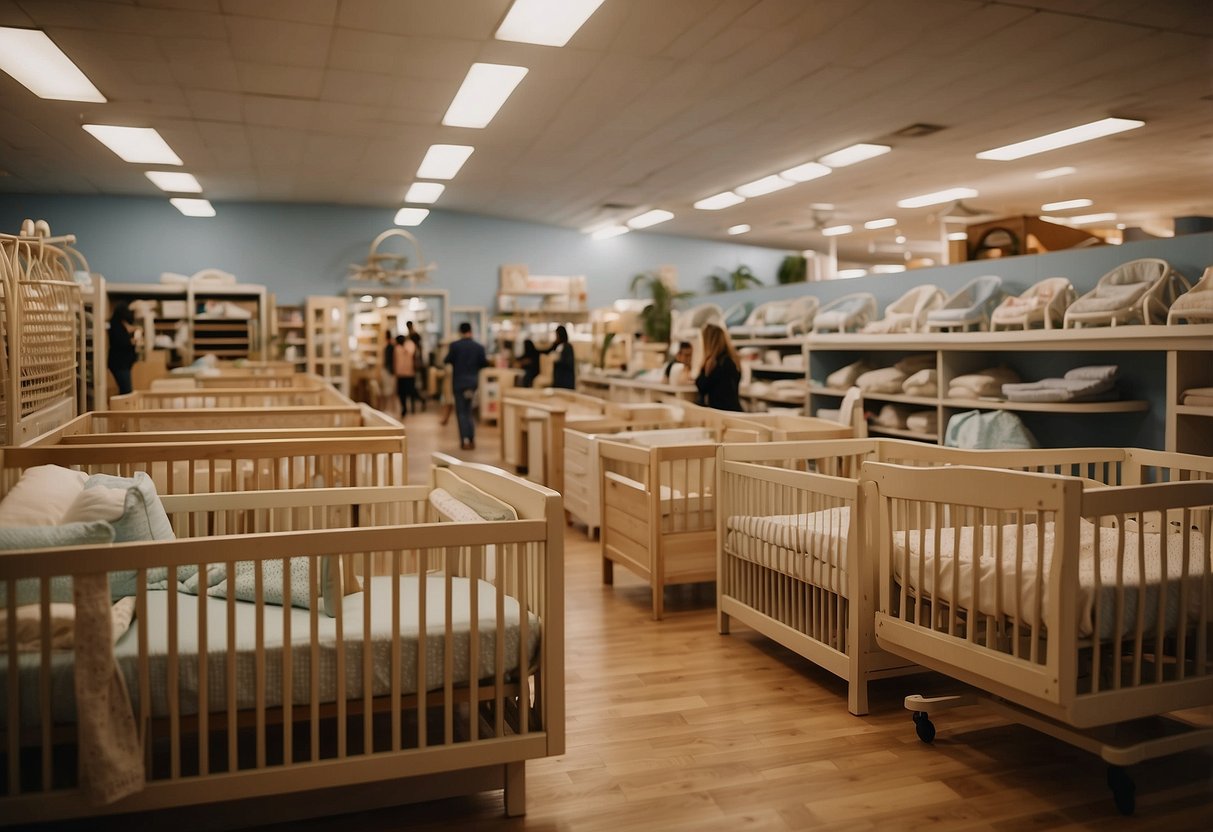
The most popular types of nursery furniture among new parents include cribs, changing tables, rocking chairs, and dressers. These are all essential items for a baby’s room, and many parents opt for multifunctional pieces that can serve multiple purposes as their child grows.