Non-Toxic Furniture Paint: Safe and Eco-Friendly Options
Are you looking for a way to give your old furniture a new lease of life? Painting your furniture can be a fun and cost-effective way to transform your space. However, many conventional paints contain harmful chemicals that can have negative effects on both your health and the environment. This is where non-toxic furniture paint comes in.


Non-toxic furniture paint is a healthier and more sustainable alternative to conventional paints. It is typically made from natural ingredients and does not contain harmful chemicals such as volatile organic compounds (VOCs) that can release toxins into the air over time. By using non-toxic furniture paint, you can create a safer and healthier environment for yourself and your family.
When it comes to choosing the right non-toxic paint for your project, there are a few things to consider. You’ll want to look for a high-quality paint that is durable and long-lasting, as well as one that comes in a range of colours to suit your style. Additionally, you’ll want to make sure that the paint is easy to apply and dries quickly. With the right non-toxic furniture paint, you can transform your space while also prioritising your health and the environment.
Key Takeaways
- Non-toxic furniture paint is a healthier and more sustainable alternative to conventional paints.
- When choosing non-toxic furniture paint, look for a high-quality, durable paint that comes in a range of colours and is easy to apply.
- By using non-toxic furniture paint, you can create a safer and healthier environment for yourself and your family.
Understanding Non-Toxic Paints for Furniture
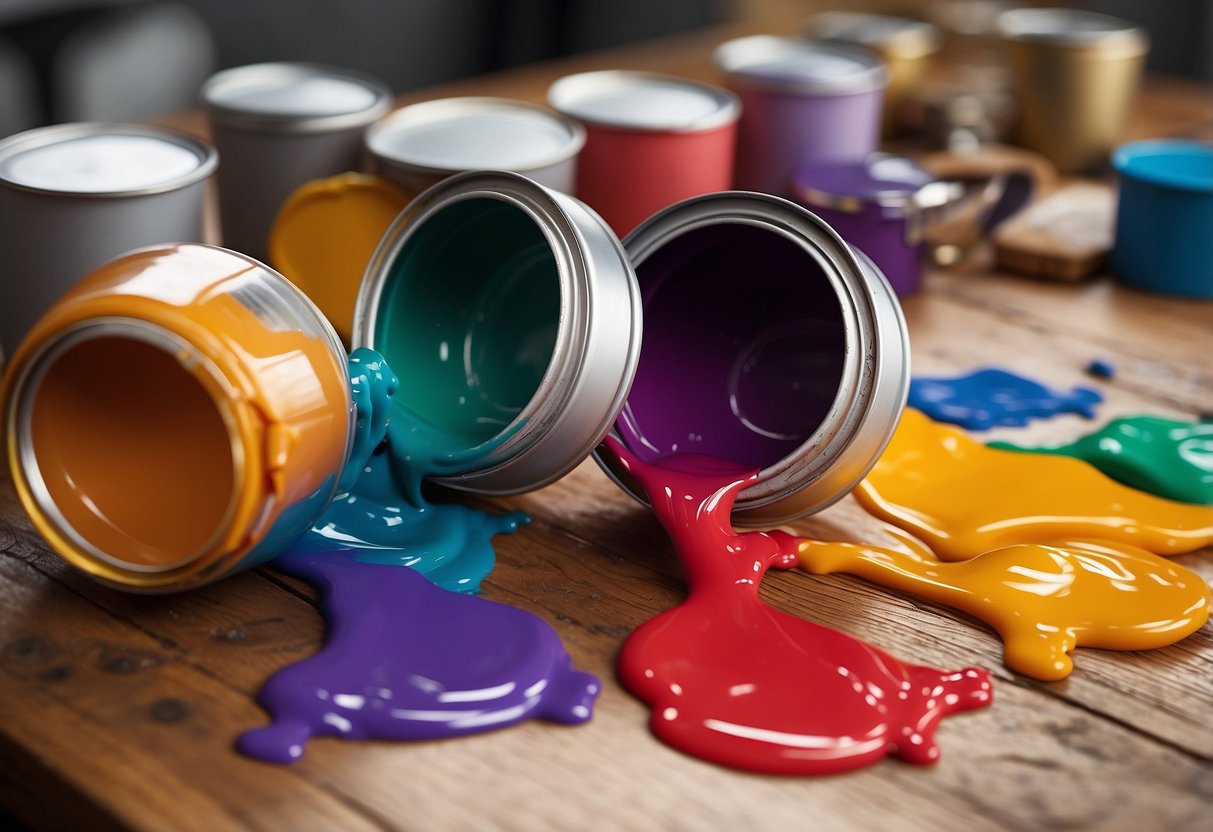
When it comes to painting your furniture, choosing a non-toxic paint is essential for maintaining a healthy and eco-friendly home. In this section, we’ll explore the importance of low-VOC and zero-VOC options, natural and water-based paint varieties, and how to evaluate paint durability and finish.

The Importance of Low-VOC and Zero-VOC Options
Volatile organic compounds (VOCs) are chemicals that can have negative effects on the environment and your health. They are often found in traditional oil-based paints and can contribute to poor indoor air quality. Low-VOC and zero-VOC paint options are becoming increasingly popular as they contain fewer harmful chemicals and are better for the environment. When choosing a non-toxic paint for your furniture, look for products that are labelled as low-VOC or zero-VOC, and have been certified by organisations such as Greenguard or the Environmental Protection Agency.
Natural and Water-Based Paint Varieties
Natural and water-based paints are another great option for non-toxic furniture painting. These paints are made from natural materials such as plant oils and lime, and are biodegradable and eco-friendly. Water-based paints are also a safer and less toxic alternative to traditional oil-based paints. They are low-odor and have fewer harmful chemicals, making them a great option for those with chemical sensitivities. When choosing a natural or water-based paint, look for products that contain natural pigments and do not contain biocides or preservatives.
Evaluating Paint Durability and Finish
When choosing a non-toxic paint for your furniture, it’s important to consider both the durability and finish of the paint. Look for paints that are long-lasting and mildew-resistant, as these will help to maintain the quality and appearance of your furniture. Additionally, consider the type of finish you want for your furniture, whether it be flat, semi-gloss, matte, or gloss. Each finish has its own unique look and feel, so choose one that best suits your style and needs.
Overall, choosing a non-toxic paint for your furniture is a safer and more eco-friendly option. By considering low-VOC and zero-VOC options, natural and water-based paint varieties, and evaluating paint durability and finish, you can create a beautiful and friendly home that is both stylish and safe.
Choosing the Right Non-Toxic Paint for Your Project

When it comes to choosing the right non-toxic paint for your furniture project, there are several factors to consider. From colour selection to application tips, this guide will help you make an informed decision.
Colour Selection and Customisation
One of the most exciting parts of any furniture painting project is choosing the perfect colour. When selecting a non-toxic paint, you’ll want to consider the range of colours available as well as the customisation options. Many brands offer colour matching services, allowing you to find the perfect shade to match your existing decor.

Application Tips for a Professional Finish
To achieve a professional-looking finish, it’s essential to follow some basic application tips. First, make sure to properly prepare the surface by cleaning and sanding it. Next, choose the right brush or roller for the job. You may also want to consider using a primer to improve the adhesion of the paint.
Top Brands and Products in the Market
There are several top-quality non-toxic paint brands available in the market. Behr Premium Plus, Ecos Paint, AFM Safecoat, and Sherwin-Williams are some of the most popular brands. These brands offer a range of finishes, including acrylic paint, milk paint, and more. Many of these brands are also certified by Green Seal or Greenguard Gold, ensuring that they meet strict environmental and health standards.
When selecting a non-toxic paint, consider factors such as coverage, drying time, and durability. Many brands offer formulas that are easy to apply and provide excellent coverage. You’ll also want to consider the drying time, especially if you’re painting cabinets or doors that need to be reinstalled quickly.
Overall, choosing a non-toxic paint for your furniture project is a great way to create a healthier home environment. These paints are low in volatile organic compounds (VOCs), which can cause headaches and liver damage. By choosing a sustainable, non-toxic paint, you can protect your health and the environment while achieving a beautiful, long-lasting finish.
Frequently Asked Questions
What are the safest paint choices for children’s furniture?
When it comes to children’s furniture, it’s important to choose a paint that is non-toxic and safe for children to be around. Look for paints that are labelled “low-VOC” or “zero-VOC”. These paints are free from volatile organic compounds, which can be harmful to children’s health. Water-based paints are also a good choice as they are usually non-toxic and have a low odour.
How can I ensure the paint I use on wooden toys is child-friendly?
To ensure the paint you use on wooden toys is child-friendly, look for paints that are specifically designed for use on toys. These paints are usually non-toxic and safe for children to be around. You should also look for paints that are water-based and free from VOCs.
Which brands offer the best non-toxic paint for household furniture?
There are many brands that offer non-toxic paint for household furniture. Some popular brands include ECOS Paints, AFM Safecoat, and Benjamin Moore’s Natura line. It’s important to do your research and read reviews before choosing a brand to ensure that the paint is truly non-toxic.
Are there specific non-toxic paints recommended for baby cribs?
Yes, there are specific non-toxic paints that are recommended for baby cribs. Look for paints that are labelled “baby-safe” or “baby-friendly”. These paints are usually free from VOCs and other harmful chemicals. It’s important to choose a paint that is safe for your baby to be around, as they will be spending a lot of time in their crib.
What should I look for in paint to ensure it’s safe for a child’s bedroom?
To ensure that the paint you use in a child’s bedroom is safe, look for paints that are labelled “low-VOC” or “zero-VOC. These paints are free from volatile organic compounds, which can be harmful to children’s health. You should also look for paints that are water-based and free from other harmful chemicals.
Can I find eco-friendly paint that is also safe for kids’ use?
Yes, you can find eco-friendly paint that is also safe for kids’ use. Look for paints that are labelled “non-toxic”, “low-VOC”, or “zero-VOC”. These paints are free from harmful chemicals and are safe for children to be around. Water-based paints are also a good choice as they are usually non-toxic and have a low odour.