Neoclassical Style Furniture: A Guide to Elegant and Timeless Designs
If you’re looking for a furniture style that exudes elegance and simplicity, neoclassical style furniture might be right up your alley. This design movement emerged in the mid-18th century and was marked by a renewed interest in ancient Greek and Roman culture. The movement was heavily influenced by the archaeological discoveries made during that time period, and it sought to recreate the classical style in a modern context.


Neoclassical style furniture is characterised by its straight lines and rectilinear forms, which are often adorned with classical ornaments. The style is a fusion of ancient Greek and Roman design elements, which are combined with contemporary materials and techniques. The end result is a style that is both timeless and modern, and which has been popular for centuries.
If you’re interested in neoclassical style furniture, you’ll be pleased to know that there are many iconic pieces and designers to choose from. From the elegant curves of the Klismos chair to the sleek lines of the Empire style, neoclassical furniture has something for everyone. Whether you’re looking for a statement piece or a subtle addition to your home, neoclassical style furniture is sure to impress.
Origins and Characteristics of Neoclassical Style Furniture
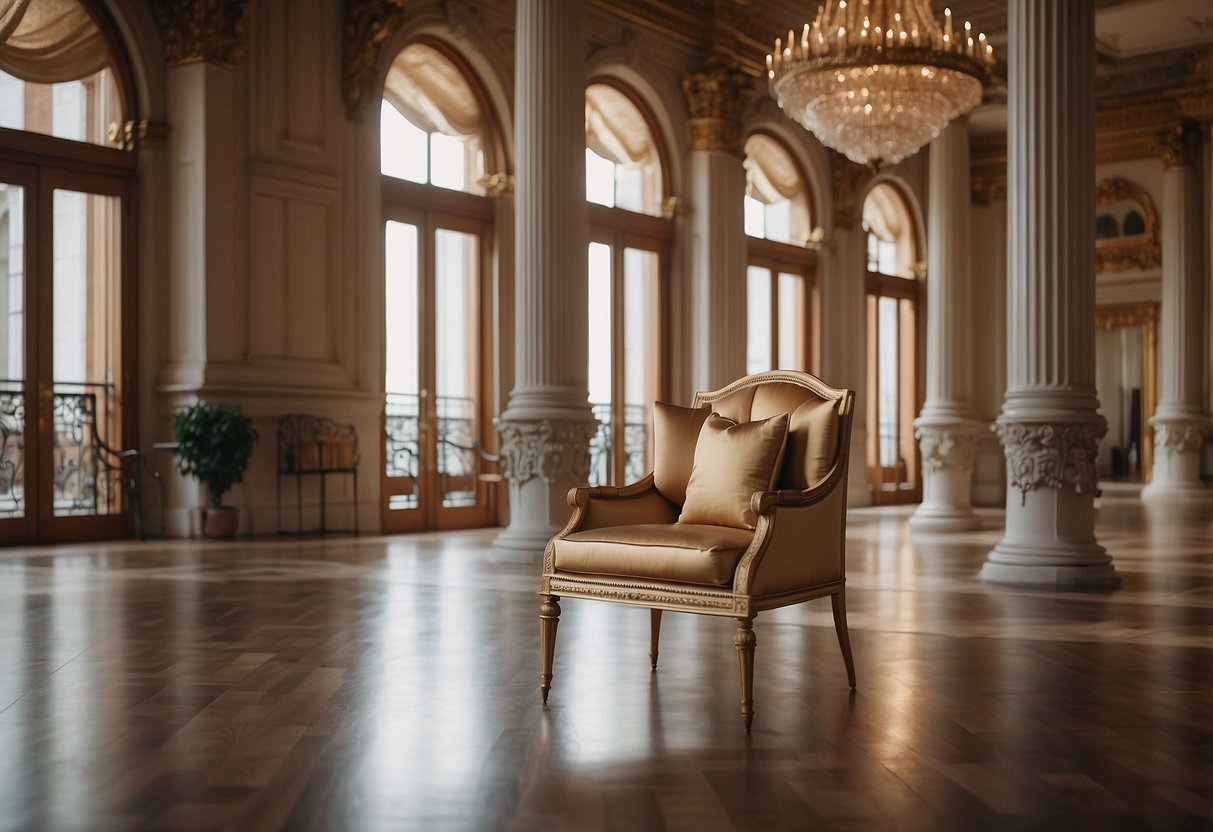
Neoclassical style furniture originated in the late 18th century as a response to the excesses of the Rococo and Baroque styles. The neoclassical movement was inspired by the art and architecture of ancient Greece and Rome, which were seen as embodying the ideals of reason, order, and simplicity. This movement was part of a broader cultural shift known as the Enlightenment, which emphasized rationality, science, and progress.

Historical Context and Influence
The neoclassical movement was also influenced by archaeological discoveries in ancient cities such as Pompeii and Herculaneum, which were buried by the eruption of Mount Vesuvius in AD 79. These discoveries sparked a renewed interest in classical art and design, which had a profound impact on the neoclassical style.
Design Elements and Motifs
Neoclassical furniture is characterized by its clean lines, symmetry, and proportion. Classical motifs such as columns, Greek key patterns, acanthus leaves, laurel wreaths, vases, sphinxes, lions, and friezes were commonly used in neoclassical furniture design. Gilt and ormolu mounts were often added to furniture to give it a luxurious and opulent appearance.
Materials and Craftsmanship
Neoclassical furniture was typically made from high-quality materials such as mahogany, walnut, cherry, and oak. Mahogany veneer and marquetry were often used to create intricate patterns and designs on the surface of the furniture. Bronze, brass, and gilt were used for decorative elements such as handles, mounts, and inlays. Upholstery fabrics were often made from fine materials such as silk, velvet, and damask.
Overall, neoclassical furniture is known for its timeless elegance, sophisticated simplicity, and emphasis on quality and craftsmanship. If you’re looking to add a touch of luxury and sophistication to your home, neoclassical style furniture is definitely worth considering.
Iconic Neoclassical Furniture Pieces and Designers
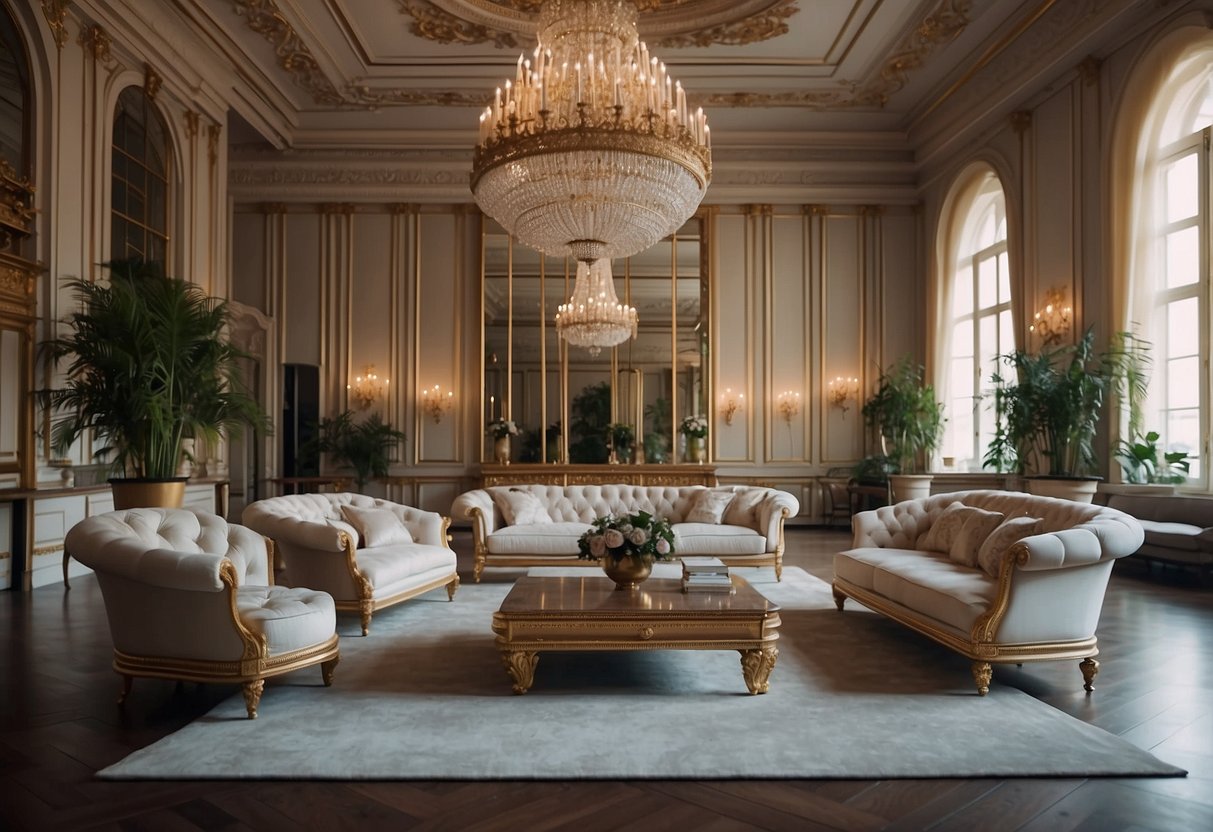
If you’re a fan of neoclassical furniture, you’ll be pleased to know that there are many iconic pieces and designers that you can explore. Here are some of the most notable ones:
Signature Furniture Types
Tables: Neoclassical tables are often characterized by their clean lines, simple shapes, and use of classical motifs such as columns and pediments. Look for pieces with tapered legs, marble tops, and intricate inlay work.
Sideboards: Sideboards were a popular neoclassical furniture type, often featuring classical motifs such as urns and garlands. They were used to store and display tableware, and were often made of mahogany or other fine woods.
Sofas: Neoclassical sofas were typically designed with straight backs and arms, and were often upholstered in luxurious fabrics such as silk or velvet. They often featured classical motifs such as acanthus leaves and rosettes.
Commodes: Commodes were a type of neoclassical chest of drawers, often featuring classical motifs such as columns and urns. They were used to store clothing and other personal items, and were often made of mahogany or other fine woods.
Chandeliers: Neoclassical chandeliers were often made of crystal or glass, and featured classical motifs such as garlands and urns. They were used to light large rooms such as ballrooms and dining halls.

Influential Designers and Craftsmen
Robert Adam: Robert Adam was a Scottish architect and designer who was a major influence on neoclassical design in the late 18th century. His work was characterized by its use of classical motifs, lightness of form, and attention to detail.
George Hepplewhite: George Hepplewhite was an English furniture designer who was known for his neoclassical designs. His work was characterized by its use of delicate, tapered legs, and classical motifs such as urns and swags.
Thomas Sheraton: Thomas Sheraton was an English furniture designer who was known for his neoclassical designs. His work was characterized by its use of delicate, tapered legs, and classical motifs such as urns and swags.
Louis XVI: Louis XVI was the King of France from 1774 to 1792, and his reign was marked by a neoclassical revival in French art and design. The Louis XVI style is characterized by its use of classical motifs such as urns and laurel wreaths, and its emphasis on symmetry and proportion.
Empire Style: The Empire style was a neoclassical revival that took place in France during the early 19th century. It was characterized by its use of classical motifs such as eagles and sphinxes, and its emphasis on grandeur and opulence.
Biedermeier Style: The Biedermeier style was a neoclassical revival that took place in Germany and Austria during the early 19th century. It was characterized by its use of simple, clean lines, and its emphasis on function and practicality.
In conclusion, neoclassical furniture has a rich history and legacy, with many iconic pieces and designers to explore. Whether you’re interested in the classical motifs and clean lines of the Louis XVI style, or the opulence and grandeur of the Empire style, there’s something for everyone in the world of neoclassical furniture.
Frequently Asked Questions
What distinguishes Neoclassical furniture from other styles?
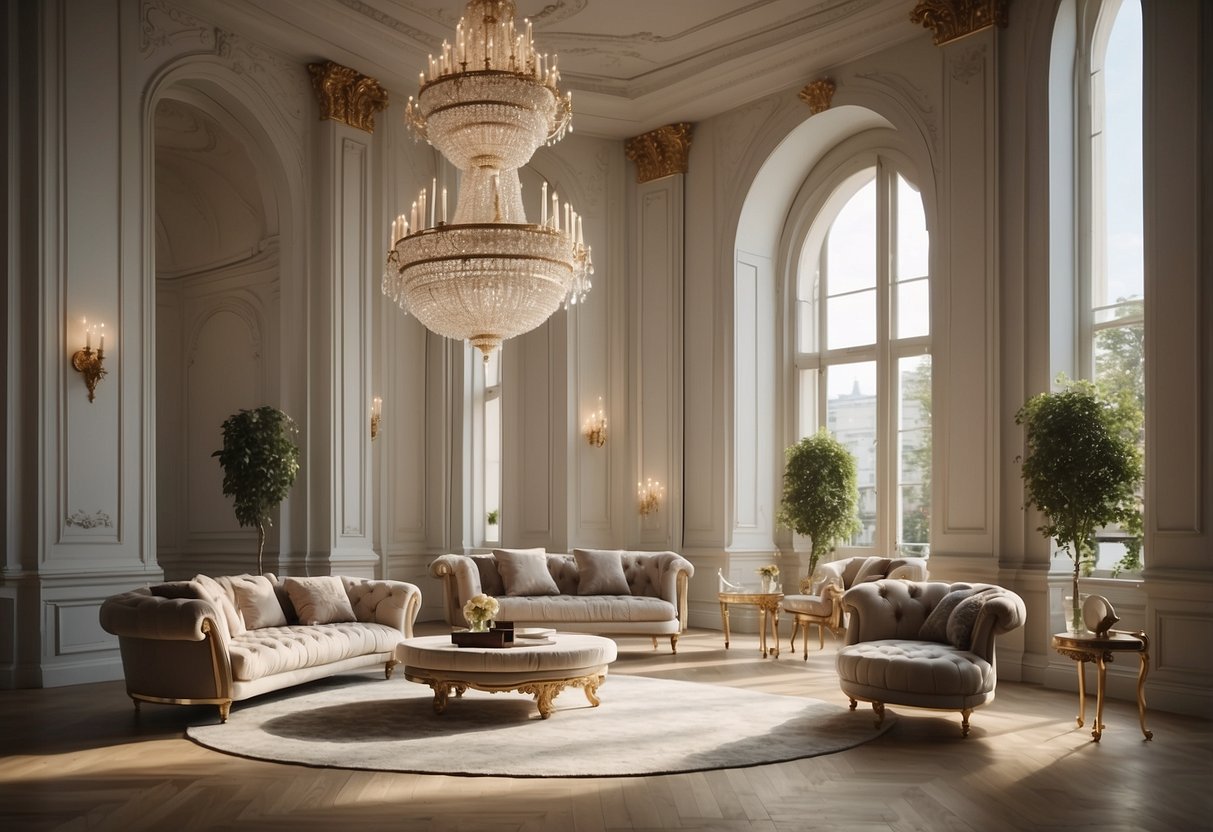
Neoclassical furniture is characterized by its simplicity, elegance, and symmetry. It is inspired by the classical art and architecture of ancient Greece and Rome, and features clean lines, geometric shapes, and ornate details. Unlike other styles, Neoclassical furniture is not overly ornate or decorative, but instead emphasizes the beauty of the materials and the craftsmanship.
How can one identify genuine Neoclassical furniture pieces?
Genuine Neoclassical furniture pieces are typically made from high-quality materials, such as mahogany, walnut, or oak. They feature clean lines, symmetrical shapes, and minimal ornamentation. Look for pieces with tapered legs, straight lines, and geometric shapes. Authentic Neoclassical furniture pieces are often signed by the maker or have a label indicating their origin and date of creation.
What are the defining features of French Neoclassical furniture design?
French Neoclassical furniture design is characterized by its elegance, sophistication, and attention to detail. It features ornate details, such as carved motifs, gilding, and inlaid woodwork, and often incorporates classical elements, such as columns, pediments, and urns. French Neoclassical furniture is known for its refined beauty and luxurious materials, such as silk, velvet, and brocade.
Where can one find Neoclassical style furniture available for purchase?
Neoclassical style furniture can be found at antique shops, auction houses, and online marketplaces. It is important to do your research and buy from reputable dealers to ensure that you are getting an authentic piece. You can also find Neoclassical style furniture reproductions at furniture stores and online retailers.
Can you describe the influence of the Neoclassical period on modern furniture design?
The Neoclassical period had a significant influence on modern furniture design, particularly in the use of clean lines, geometric shapes, and minimal ornamentation. Many modern furniture designers have drawn inspiration from Neoclassical design principles, incorporating classical elements into their work. The simplicity and elegance of Neoclassical furniture continue to inspire designers today.
What time period does English Neoclassical furniture originate from?
English Neoclassical furniture originates from the late 18th century to the early 19th century. It was influenced by the classical art and architecture of ancient Greece and Rome, and features clean lines, symmetrical shapes, and minimal ornamentation. English Neoclassical furniture is known for its simplicity, elegance, and understated beauty.