

Mildew on Leather Furniture: Tips to Remove and Prevent
If you’ve noticed some unsightly spots on your leather furniture, it’s possible that you’re dealing with mildew. Mildew is a type of fungus that thrives in warm, damp environments, and leather furniture can be a prime target if it’s not properly maintained. Luckily, there are some simple steps you can take to identify and remove mildew from your leather furniture, as well as prevent it from coming back.
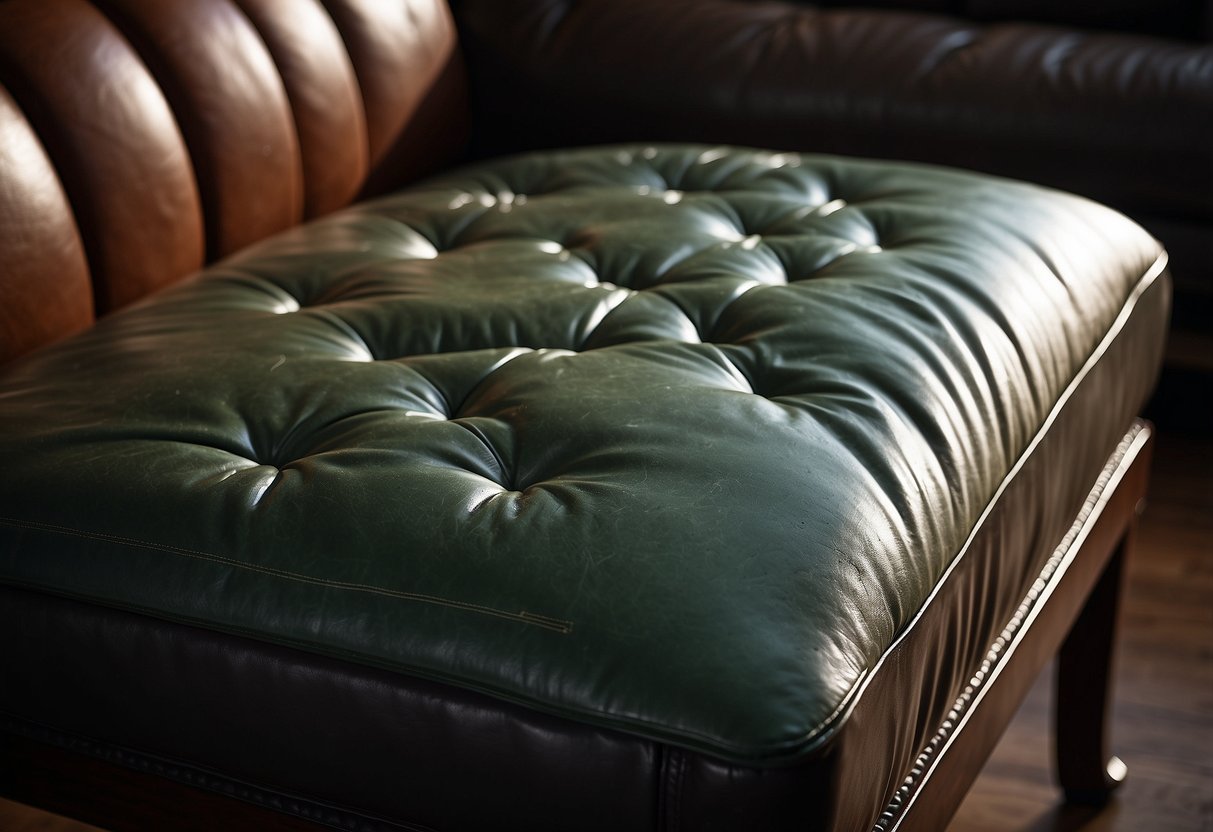
First, it’s important to understand what mildew looks like on leather furniture. Mildew typically appears as small, black or brown spots on the surface of the leather. These spots can be accompanied by a musty odour, and may spread if left untreated. If you suspect that your leather furniture has mildew, it’s important to act quickly to prevent the problem from getting worse.
Effective cleaning and prevention strategies are key to keeping mildew at bay. Regularly cleaning and conditioning your leather furniture can help prevent mildew growth by keeping the leather supple and less susceptible to damage. Additionally, keeping your leather furniture away from damp areas and ensuring proper ventilation can help prevent mildew from taking hold. With a little bit of effort, you can keep your leather furniture looking great for years to come.

Key Takeaways
- Mildew on leather furniture appears as small, black or brown spots and may have a musty odour.
- Regular cleaning and conditioning can help prevent mildew growth on leather furniture.
- Proper ventilation and keeping leather furniture away from damp areas can also help prevent mildew.
Identifying and Understanding Mildew on Leather Furniture
If you own leather goods, you may have noticed mildew growth on them. Mildew is a type of fungi that thrives in warm and damp environments, making leather furniture a perfect breeding ground. It can cause permanent damage to your leather goods if left untreated. In this section, you will learn how to identify and understand mildew on leather furniture.

The Nature of Mildew and Its Effects on Leather
Mildew is a type of fungi that grows in warm and damp conditions. It can cause a musty smell and discoloration on your leather goods. If left untreated, it can weaken the leather and cause it to crack or peel. Mildew can also cause health risks, such as respiratory problems, so it is important to address it as soon as possible.
Differentiating Between Mildew and Mold
Mildew and mold are often used interchangeably, but they are not the same thing. Mildew is a surface-level growth that appears as a white or gray powdery substance on leather goods. On the other hand, mold is a deeper growth that can penetrate the leather and cause it to rot. It appears as a fuzzy or woolly growth that can be black, green, or blue in color.
To differentiate between mildew and mold, you can perform a simple test. Apply a few drops of household bleach to the affected area. If the spot lightens within a few minutes, it is mildew. If it remains the same color, it is mold.
Now that you understand the nature of mildew and how to differentiate it from mold, you are better equipped to identify and treat it on your leather goods.
Effective Cleaning and Prevention Strategies
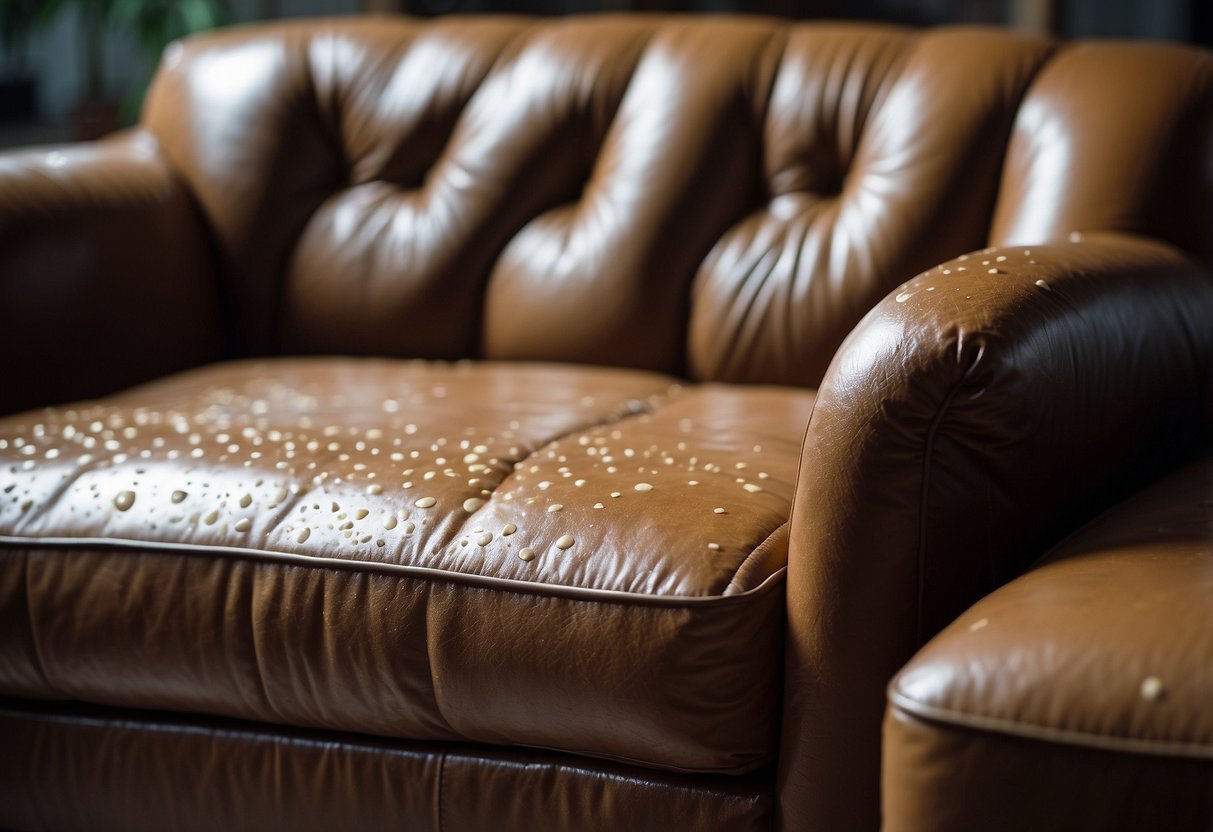
Mildew on leather furniture can be a frustrating problem, but there are steps you can take to remove it and prevent it from returning. Below are some effective cleaning and prevention strategies to help you keep your leather furniture looking its best.
Step-by-Step Guide to Removing Mildew
To remove mildew from leather furniture, follow these simple steps:
- Begin by brushing away any loose mold particles with a soft-bristled brush or a dry cloth. Be sure to wear rubber gloves and a face mask to protect yourself from inhaling the spores.
- Mix a solution of equal parts white vinegar and water in a spray bottle. Spray the affected area with the solution and allow it to sit for a few minutes.
- Wipe away the solution with a clean cloth or sponge. If the mildew stains are stubborn, you can use a nylon brush to scrub the area gently.
- Rinse the area with clean water and dry it with a clean cloth. Be sure to remove all traces of the vinegar solution.
- If the mildew stains persist, you can try using a solution of rubbing alcohol and water. Mix equal parts rubbing alcohol and water in a spray bottle and follow the same steps as above.
Best Practices for Leather Care and Maintenance
Prevention is key when it comes to mildew on leather furniture. Here are some best practices for leather care and maintenance:
- Keep your leather furniture away from sources of moisture and humidity, such as windows, doors, and air conditioning vents.
- Use a dehumidifier to regulate the humidity levels in your home.
- Clean your leather furniture regularly with a soft, clean cloth or microfiber cloth. Avoid using harsh cleaning solutions or abrasive materials that can damage the leather.
- Condition your leather furniture regularly with a leather conditioner to keep it soft and supple. This will also help to prevent the growth of mildew.
- Avoid exposing your leather furniture to direct sunlight or heat sources, as this can cause the leather to dry out and crack.
Home Remedies and Safety Precautions
If you prefer to use home remedies to clean mildew from your leather furniture, there are a few things to keep in mind:
- Always spot test any cleaning solution on an inconspicuous area of the leather before using it on the entire piece of furniture.
- Avoid using bleach or any cleaning agent that contains bleach, as this can damage the leather.
- Use a mild detergent or baby shampoo to clean leather furniture. Mix the detergent with water and apply it to the affected area with a soft cloth or sponge.
- For unfinished leather, you can use saddle soap to clean and condition the leather. Apply the saddle soap with a soft-bristled brush in a circular motion, and wipe away any excess with a clean cloth.
- For finished leather, you can use a leather cleaner and conditioner to clean and condition the leather. Apply the cleaner with a clean cloth and wipe away any excess with a dry cloth.
- If you are sensitive to the smell of vinegar or rubbing alcohol, be sure to wear a face mask and work in a well-ventilated area.
By following these effective cleaning and prevention strategies, you can keep your leather furniture looking great for years to come.
Frequently Asked Questions
How can one safely remove mildew from leather sofas?
If you notice mildew on your leather sofa, don’t panic! You can safely remove it with a mixture of water and white vinegar or a commercial mildew remover. Use a soft-bristled brush or sponge to gently scrub the affected areas, and then rinse the furniture thoroughly with water. Avoid using harsh chemicals or abrasive materials that can damage the leather.
What are the best methods to prevent mould growth on leather items?
Prevention is key when it comes to mould growth on leather items. Keep your leather furniture away from direct sunlight and moisture. Proper ventilation is also important, so avoid placing your leather items against walls that can trap moisture and cause mildew. Regularly clean and condition your leather items to keep them healthy and prevent mould growth.
Can exposure to sunlight help eliminate mould from leather furnishings?
Exposure to sunlight can help eliminate mould from leather furnishings to a certain extent. However, it’s important to note that direct sunlight can also damage leather over time. So, it’s best to strike a balance between sunlight exposure and proper ventilation to prevent mould growth.
What are the risks associated with mould on leather goods?
Mould on leather goods can cause health problems such as allergies, respiratory issues, and skin irritation. It can also cause permanent damage to the leather, leading to costly repairs or replacements. So, it’s important to take preventive measures and address any mildew growth on your leather items promptly.
Is it possible to use vinegar to clean mould off leather articles?
Yes, it is possible to use vinegar to clean mould off leather articles. Mix equal parts of water and white vinegar, then use a soft-bristled brush or sponge to gently scrub the affected areas. Rinse the leather thoroughly with water and let it air dry. However, if the mould growth is severe, it’s best to consult a professional leather cleaner.
Why does my leather furniture develop mildew?
Leather furniture can develop mildew due to exposure to moisture and lack of proper ventilation. Mildew thrives in damp and dark environments, so it’s important to keep your leather items dry and well-ventilated. Regular cleaning and conditioning can also help prevent mildew growth on your leather furniture.