

Japanese Wood Furniture: Elegant and Timeless Pieces for Your Home
If you’re looking for furniture that is both beautiful and functional, you might want to consider Japanese wood furniture. Japan has a long tradition of creating furniture that is both practical and aesthetically pleasing. Japanese wood furniture is known for its simplicity, elegance, and attention to detail.
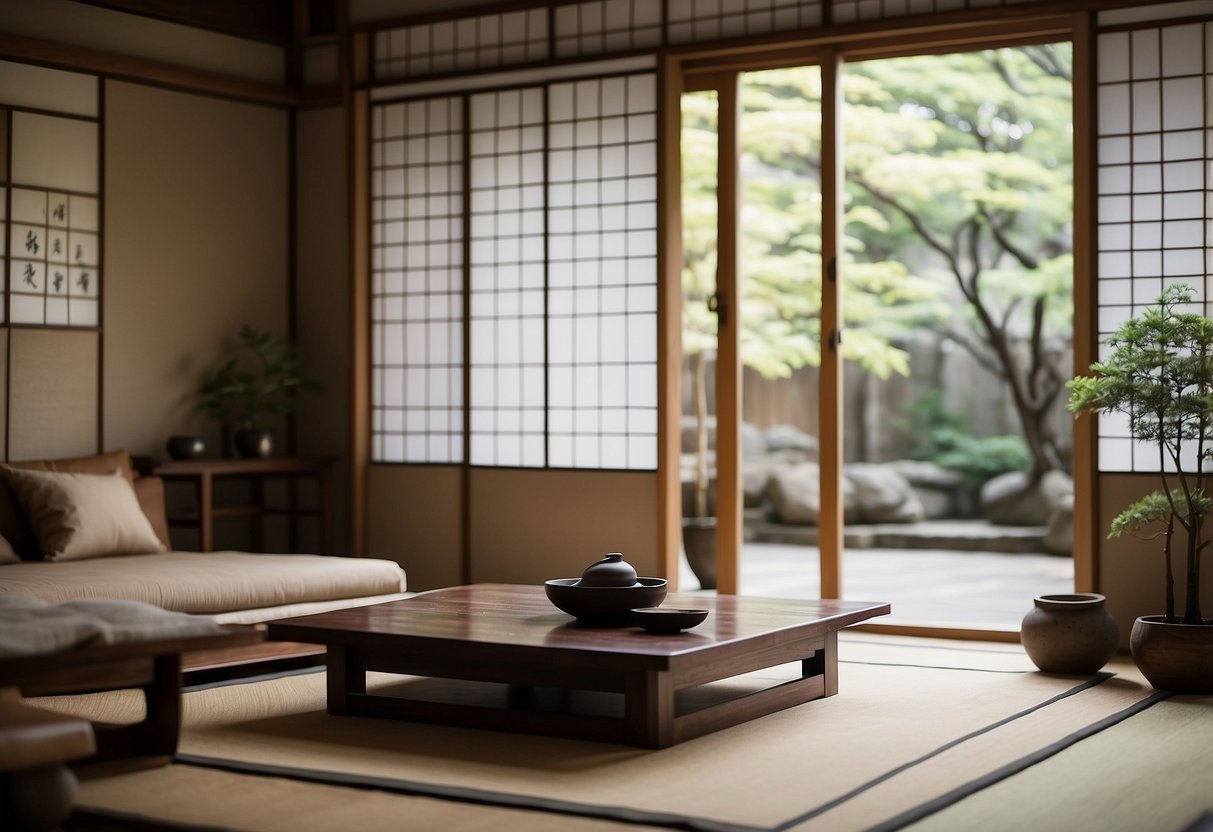
The art of Japanese wood furniture is deeply rooted in tradition and craftsmanship. Japanese furniture makers use a variety of techniques to create furniture that is both beautiful and durable. They often use natural materials such as wood, bamboo, and paper to create furniture that is both functional and beautiful.
Contemporary Japanese wood furniture continues to be popular today, with many designers creating pieces that are both modern and traditional. Whether you’re looking for a simple, minimalist design or something more ornate, you’re sure to find something that suits your taste. Japanese wood furniture is perfect for anyone who values beauty, craftsmanship, and quality.

Key Takeaways
- Japanese wood furniture is known for its simplicity, elegance, and attention to detail.
- The art of Japanese wood furniture is deeply rooted in tradition and craftsmanship.
- Contemporary Japanese wood furniture continues to be popular today, with many designers creating pieces that are both modern and traditional.
The Art of Japanese Wood Furniture
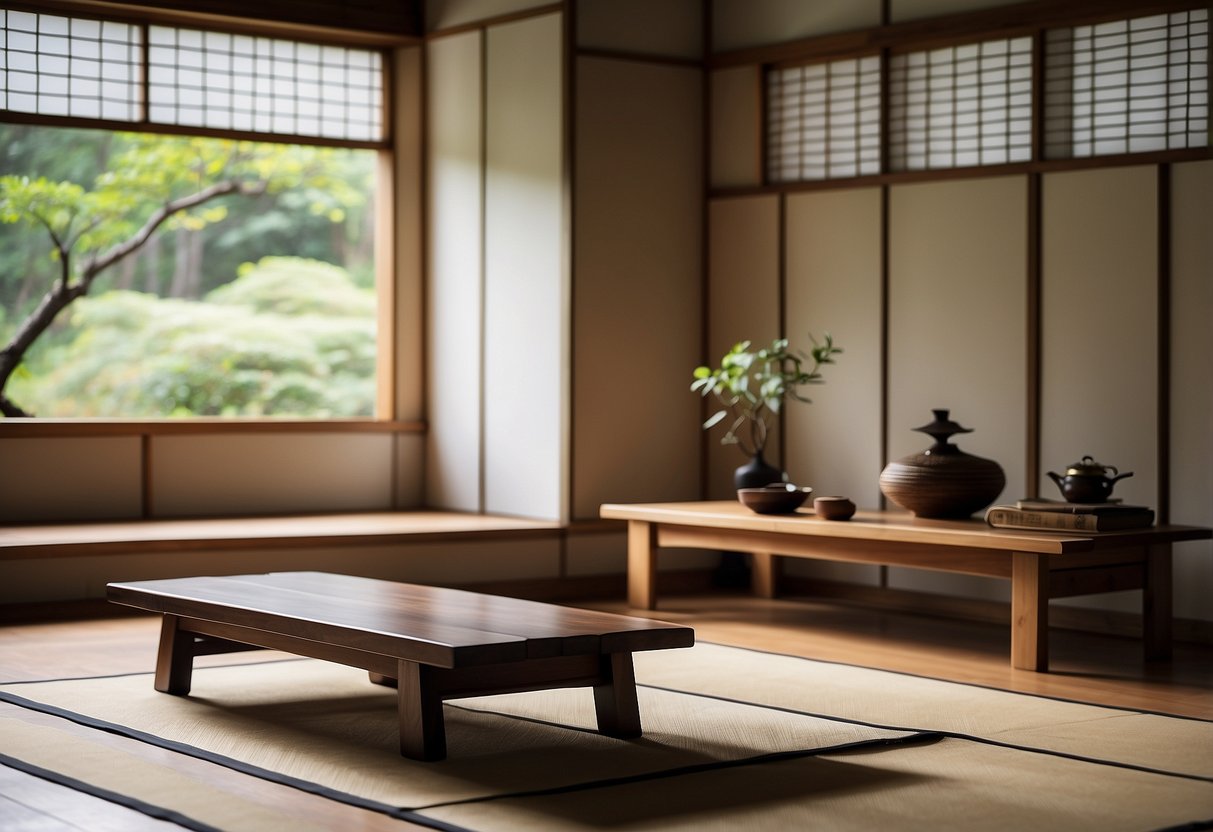
If you’re looking for furniture that is both functional and aesthetically pleasing, then Japanese wood furniture might be just what you need. Japanese wood furniture is known for its durability, craftsmanship, and minimalism. In this section, we’ll explore the historical significance and techniques behind Japanese wood furniture, as well as the iconic wood types and their uses.

Historical Significance and Techniques
Japanese carpentry has a long and rich history dating back to the seventh century. Japanese woodworkers developed techniques for assembling wooden furniture and structures without the use of nails or metal fasteners. Instead, they used wood joints, grooves, and mortises to create strong and durable pieces of furniture. This technique is called “sashimono,” and it is still used by Japanese woodworkers today.
One of the key features of Japanese wood furniture is its minimalism. Japanese furniture is designed to be functional and unobtrusive, with clean lines and simple shapes. This minimalism is reflected in the use of natural materials, such as Japanese cypress (hinoki), sugi, paulownia (kiri), Japanese cedar (sugi), Japanese red pine (akamatsu), and other ornamental trees.
Iconic Wood Types and Their Uses
Japanese cypress (hinoki) is a popular wood for furniture due to its rot-resistant properties and beautiful grain patterns. It is often used for making traditional Japanese bathtubs, as well as furniture for shrines and temples.
Sugi is another popular wood used in Japanese furniture. It is a type of Japanese cedar that is known for its durability and resistance to decay. Sugi is often used for making outdoor furniture, as well as for building structures such as houses and bridges.
Paulownia (kiri) is a lightweight wood that is easy to work with. It is often used for making boxes, chests, and other small items.
Japanese red pine (akamatsu) is a strong and durable wood that is often used for making furniture, as well as for building structures such as temples and shrines.
Jindai sugi is an old Japanese cedar that is prized for its unique grain patterns and durability. It is often used for making high-end furniture and other decorative items.
Japanese umbrella pine (kōyamaki) is a rare and expensive wood that is used for making high-end furniture and other decorative items.
Japanese elm (keyaki) is a strong and durable wood that is often used for making furniture, as well as for building structures such as houses and bridges.
In conclusion, Japanese wood furniture is a beautiful and functional addition to any home. With its use of natural materials, minimalism, and traditional techniques, Japanese furniture is both timeless and modern. Whether you’re looking for a simple and elegant piece of furniture or a more ornate and decorative item, Japanese wood furniture is sure to impress.
Contemporary Japanese Wood Furniture
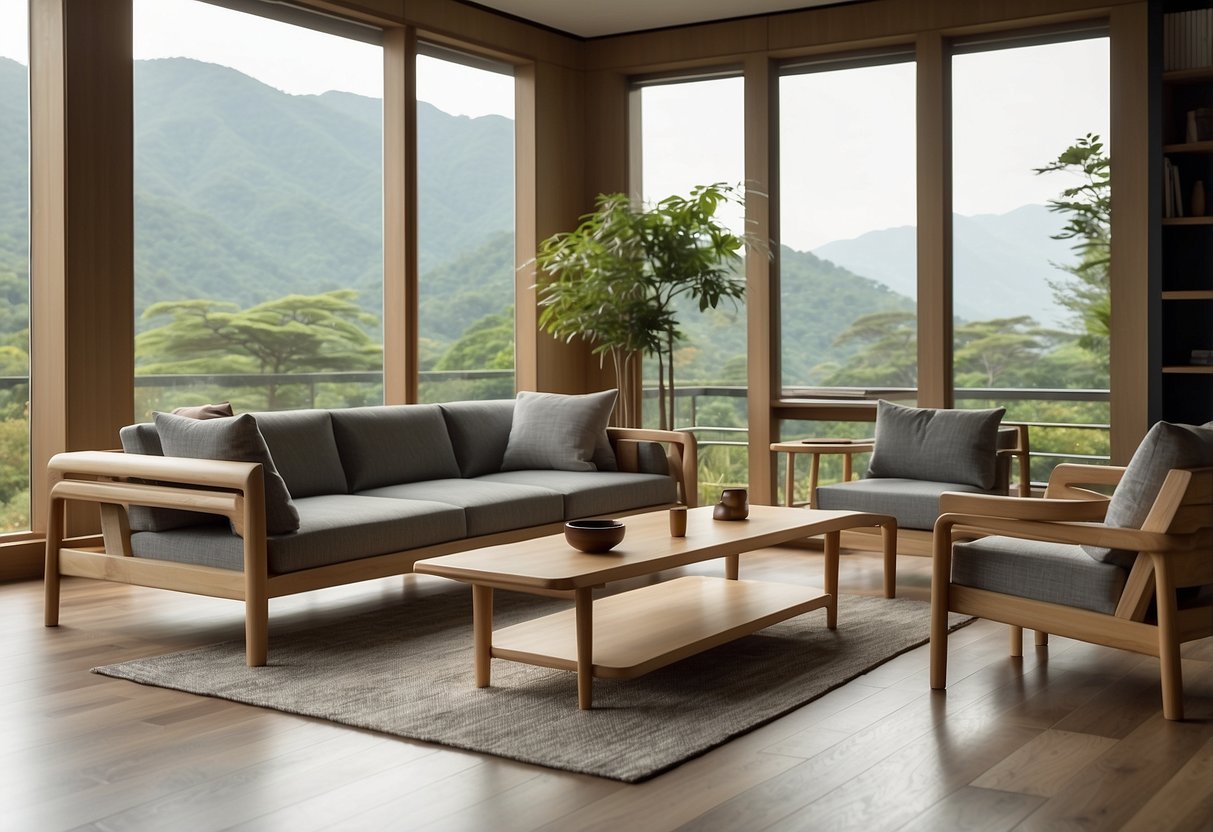
If you are a fan of minimalism, functionality, and environmental harmony, then contemporary Japanese wood furniture might be just what you need. Japan has a long history of woodworking, and its artisans have managed to create a unique style that combines simplicity, beauty, and delicacy.
Modern Designs and Environmental Harmony
Contemporary Japanese wood furniture is designed to be both modern and environmentally friendly. Many designers use metal and wooden items in their designs to create a unique look that is both stylish and functional. They also use a variety of woods, including conifers, princess tree, and empress tree, to create warp-resistant pieces that are built to last.
One of the most popular types of wood used in contemporary Japanese furniture is Kiso hinoki, which is known for its durability, beauty, and fragrance. This wood is often used for ceiling boards, tubs, and other high-end products.
Cultural Influence and International Appeal
Contemporary Japanese wood furniture is not only popular in Japan, but it has also gained international appeal. Many designers have been inspired by the country’s architecture, appointment, and cultural traditions such as the tea ceremony and bonsai. Some of the most famous designers of Japanese furniture include Haiku Designs, which is based in Tokyo and specializes in platform beds and other modern furniture.
Japanese furniture is known for its accord with the environment, simplicity, and beauty. The designs are often inspired by nature and are meant to create a sense of calm and tranquillity in your home. Whether you are looking for a traditional Japanese piece or a more modern design, there is something for everyone.
In conclusion, contemporary Japanese wood furniture is a perfect blend of tradition and modernity. It is designed to be both functional and beautiful, and it is built to last. If you are looking for a unique piece of furniture that will add a touch of elegance to your home, then you should definitely consider Japanese wood furniture.
Frequently Asked Questions
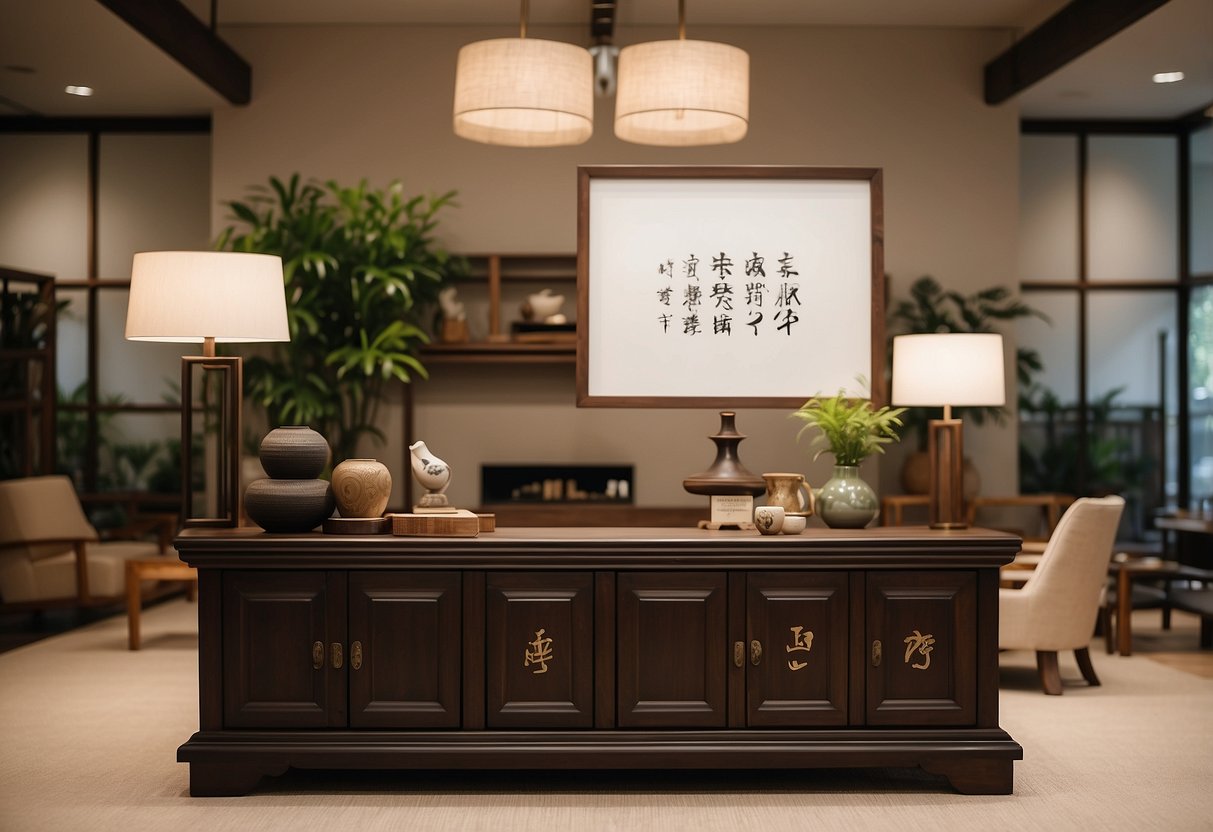
What types of wood are traditionally used in crafting Japanese furniture?
Japanese furniture is known for its use of natural materials, particularly wood. The most commonly used woods in traditional Japanese furniture are hinoki, sugi, kuri, and keyaki. These woods are chosen for their durability, flexibility, and unique grain patterns. Hinoki, for example, is a type of cypress wood that is resistant to decay and has a pleasant scent. Sugi, on the other hand, is a type of cedar that is used for its strength and resistance to insect damage.
How can I identify authentic Japanese wooden furniture pieces?
Authentic Japanese wooden furniture is known for its attention to detail, quality craftsmanship, and use of natural materials. When looking for authentic pieces, pay attention to the wood grain patterns, joints, and finish. Traditional Japanese furniture is often made with mortise and tenon joints, which fit together without the use of nails or screws. The finish on authentic pieces is often a natural oil or lacquer, rather than a synthetic coating.
What are the distinguishing features of traditional Japanese furniture design?
Traditional Japanese furniture is known for its simplicity, functionality, and connection to nature. The design often incorporates clean lines, minimal ornamentation, and a focus on the natural beauty of the wood. Traditional Japanese furniture is also designed to be multifunctional, with pieces that can be easily moved and rearranged to suit different purposes.
Could you recommend some reputable Japanese furniture brands?
There are many reputable Japanese furniture brands that offer high-quality, authentic pieces. Some popular brands include Hida Tool, Sugimoto, and Karimoku Furniture. When looking for Japanese furniture brands, be sure to research their reputation, craftsmanship, and use of natural materials.
Where might I find Japanese-style wooden furniture for my home?
You can find Japanese-style wooden furniture at specialty furniture stores, online retailers, and even antique shops. When shopping for Japanese-style furniture, be sure to look for pieces that are made with natural materials and traditional craftsmanship techniques. You can also consider commissioning a custom piece from a local craftsman.
How does Japanese wooden furniture integrate with modern interior design?
Japanese wooden furniture can be seamlessly integrated into modern interior design. The clean lines and natural materials of Japanese furniture complement modern design concepts such as minimalism and sustainability. When incorporating Japanese furniture into your home, consider pairing it with modern accents and accessories to create a unique and harmonious space.